A Comprehensive Guide To Common Household Items Poisonous To Dogs
A Comprehensive Guide to Common Household Items Poisonous to Dogs
Related Articles: A Comprehensive Guide to Common Household Items Poisonous to Dogs
Introduction
With enthusiasm, let’s navigate through the intriguing topic related to A Comprehensive Guide to Common Household Items Poisonous to Dogs. Let’s weave interesting information and offer fresh perspectives to the readers.
Table of Content
A Comprehensive Guide to Common Household Items Poisonous to Dogs
Dogs, with their curious nature and tendency to explore their environment with their mouths, are prone to ingesting potentially harmful substances. Many seemingly innocuous items found in homes can pose a serious threat to canine health. This article delves into the dangers posed by common household items to dogs, offering a detailed understanding of their toxicity, symptoms, and crucial steps to take in case of accidental ingestion.
Understanding the Importance of Prevention and Knowledge
Prevention is paramount in safeguarding canine health. Recognizing the potential dangers lurking within the household environment empowers pet owners to take proactive measures and minimize the risk of poisoning. This knowledge equips owners to identify, isolate, and safely store potentially toxic substances, ensuring a safe and secure home for their furry companions.
Common Household Items and Their Toxic Effects
1. Human Medications:
- Pain Relievers: Acetaminophen (Tylenol), ibuprofen (Advil, Motrin), naproxen (Aleve), and aspirin are common over-the-counter pain relievers that can be highly toxic to dogs. Even small doses can cause gastrointestinal upset, liver damage, and kidney failure.
- Antidepressants: Selective serotonin reuptake inhibitors (SSRIs) like fluoxetine (Prozac) and sertraline (Zoloft) can cause tremors, seizures, and gastrointestinal disturbances in dogs.
- Antihistamines: Diphenhydramine (Benadryl) and cetirizine (Zyrtec) are generally safe for dogs when used as prescribed by a veterinarian. However, ingestion of large quantities can lead to sedation, tremors, and seizures.
- Heart Medications: Digoxin, a common medication for heart failure, can be fatal to dogs even in small doses.
2. Cleaning Products:
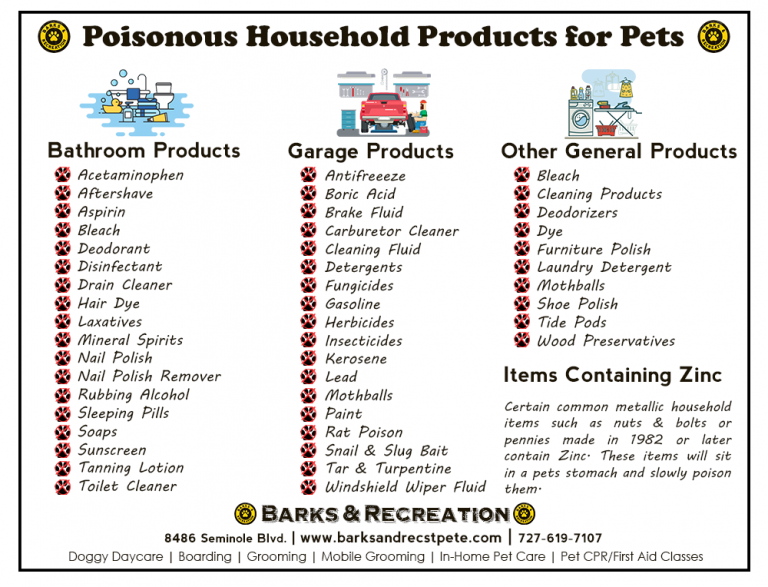
- Dishwashing Detergent: The strong surfactants in dishwashing detergents can cause severe irritation to the mouth, throat, and gastrointestinal tract.
- Bleach: Bleach is highly corrosive and can cause burns to the mouth, throat, and stomach. Inhalation of bleach fumes can also lead to respiratory distress.
- Toilet Bowl Cleaners: These products contain strong acids or bases that can cause severe burns and internal damage.
- Air Fresheners: While many air fresheners are safe for dogs, some contain essential oils or other chemicals that can be toxic.
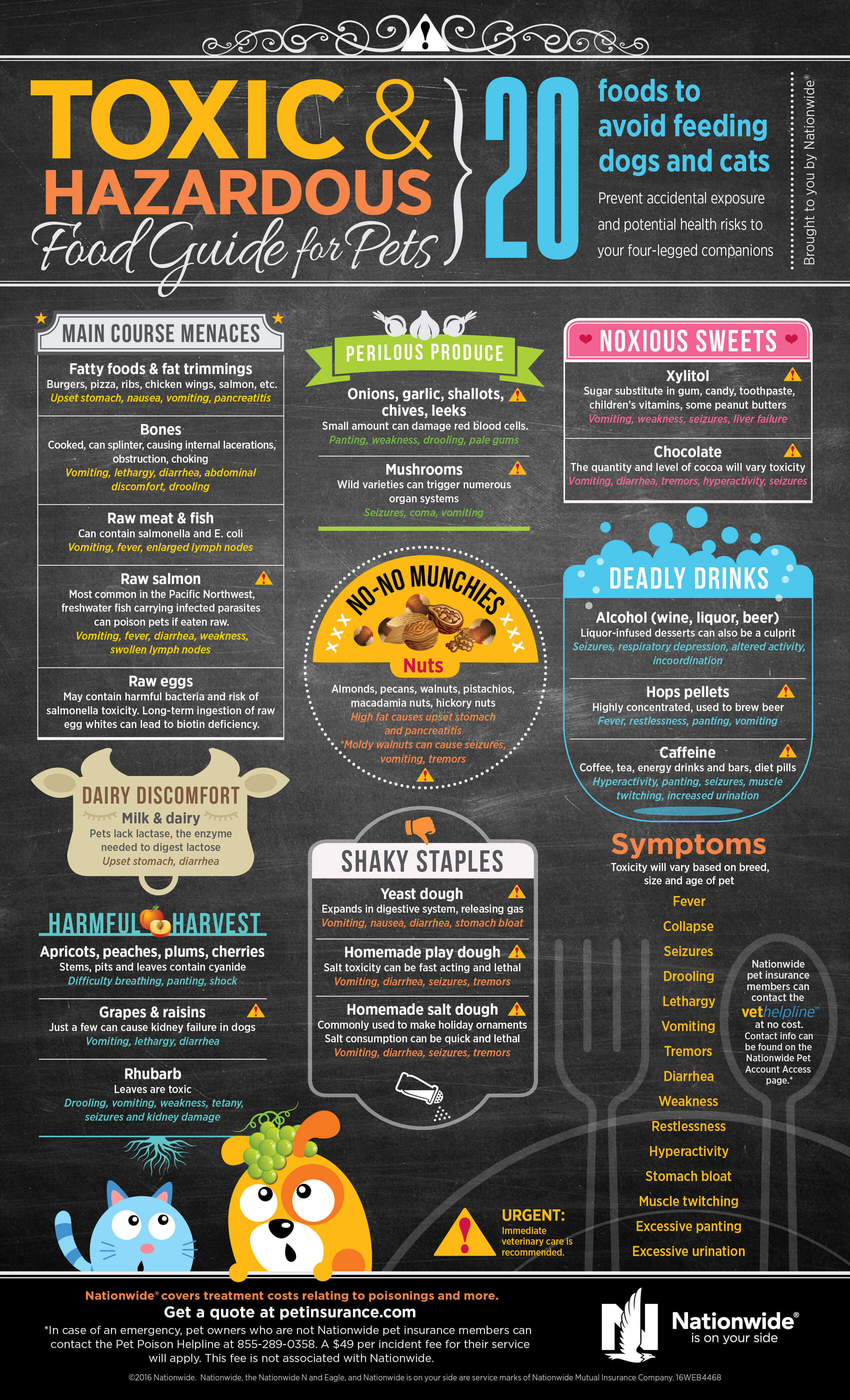
3. Food and Beverages:
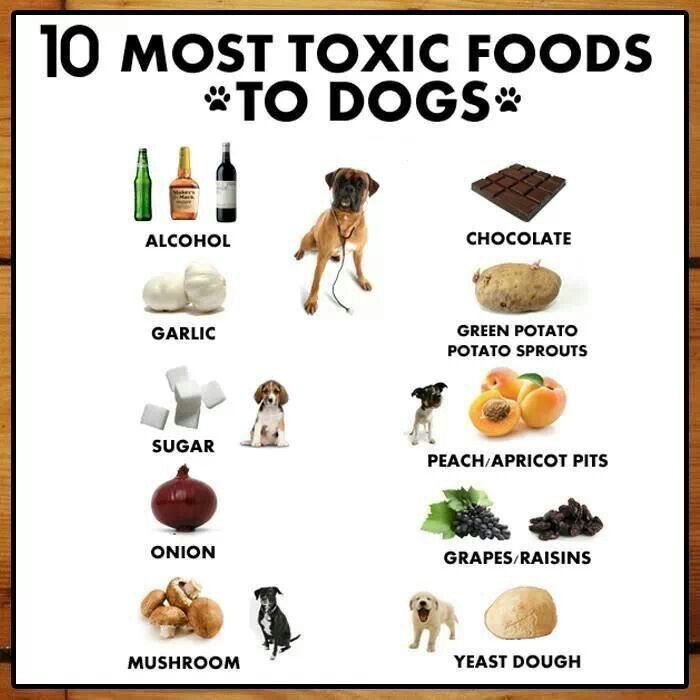
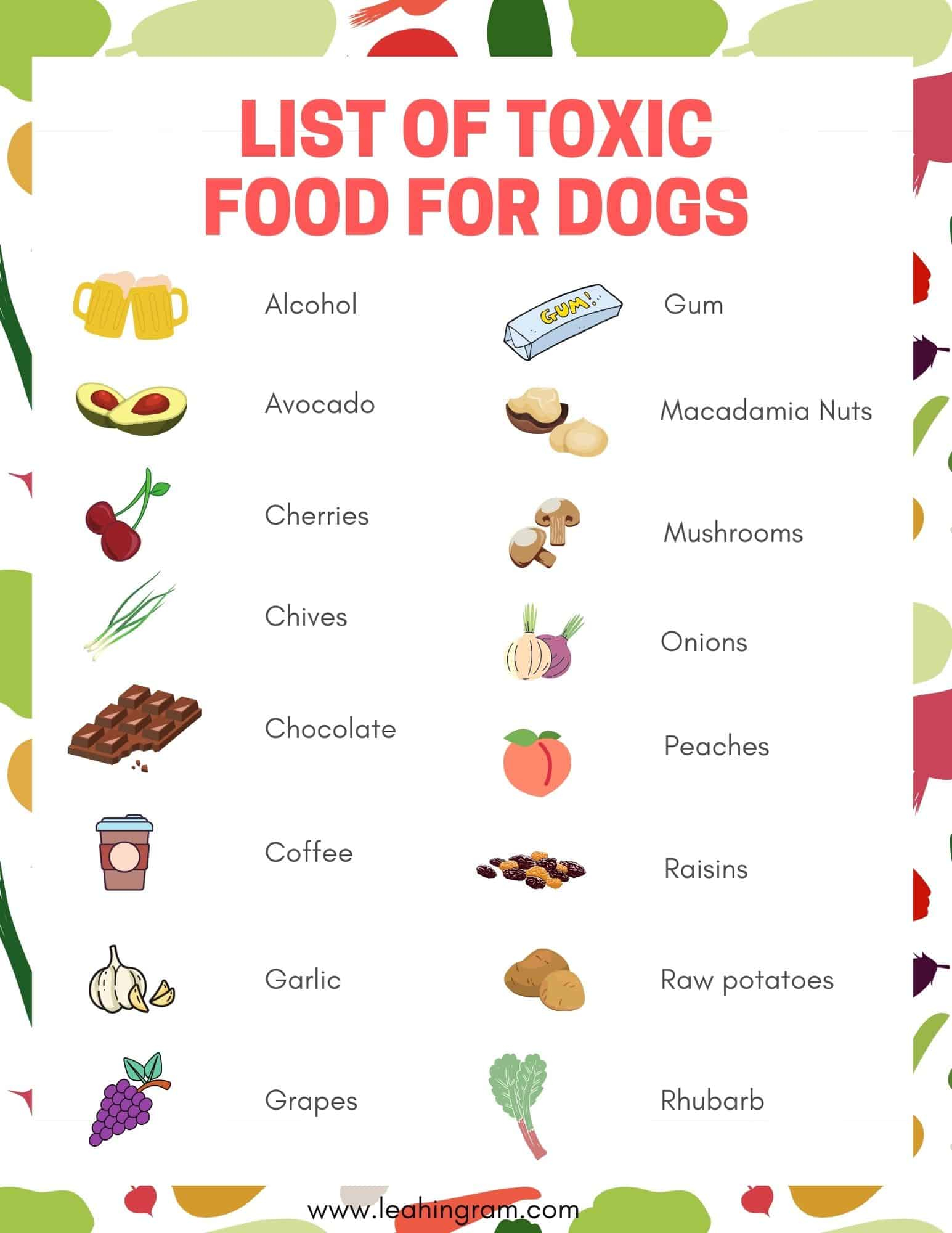
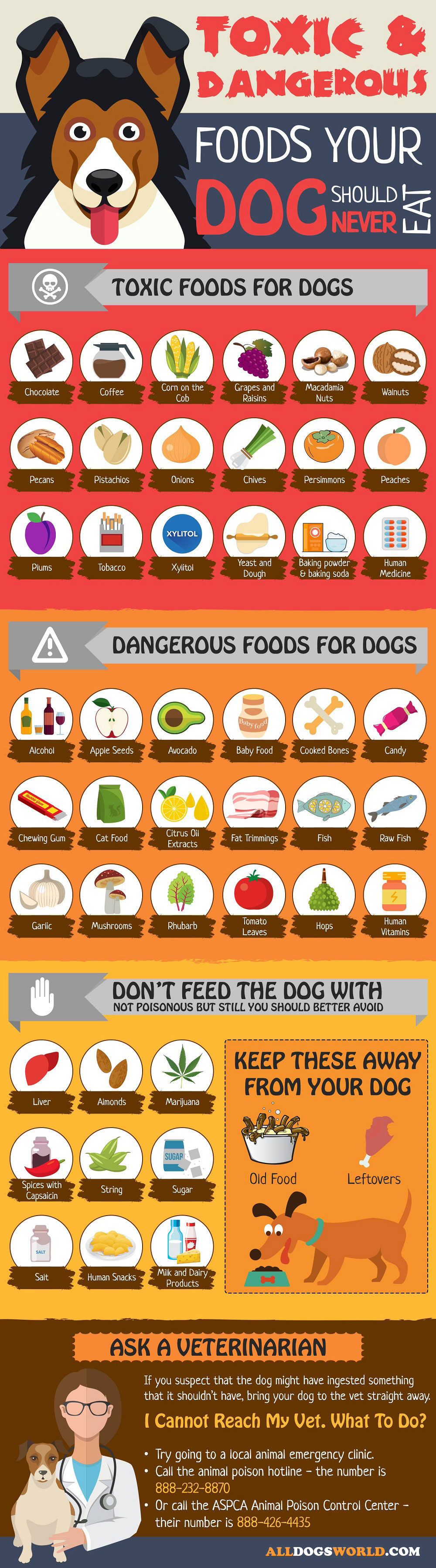
- Chocolate: Theobromine, a stimulant found in chocolate, is toxic to dogs. Dark chocolate and baking chocolate contain the highest concentrations, followed by milk chocolate and white chocolate.
- Grapes and Raisins: The toxic compound in grapes and raisins is unknown, but these fruits can cause kidney failure in dogs.
- Macadamia Nuts: These nuts contain a toxin that can cause weakness, tremors, vomiting, and hyperthermia in dogs.
- Alcohol: Alcohol can cause severe intoxication, liver damage, and even death in dogs.
- Xylitol: This artificial sweetener, commonly found in sugar-free gum, candy, and baked goods, can cause a rapid drop in blood sugar, liver failure, and death in dogs.
4. Plants:
- Lilies: All parts of lilies, including the flowers, leaves, and pollen, are highly toxic to cats. Ingestion can cause kidney failure.
- Tulips and Hyacinths: The bulbs of these plants are particularly toxic, causing gastrointestinal upset, vomiting, and diarrhea.
- Pothos: This common houseplant can cause oral irritation, vomiting, and diarrhea in dogs.
- Sago Palm: All parts of the sago palm are highly toxic, causing liver failure and death in dogs.
5. Other Common Household Items:
- Batteries: Button batteries can be particularly dangerous if ingested, causing severe burns and internal damage.
- Pesticides: Insecticides, herbicides, and other pesticides can be highly toxic to dogs.
- Fertilizers: Many fertilizers contain nitrogen, phosphorus, and potassium, which can be toxic if ingested.
- Mothballs: Naphthalene and paradichlorobenzene, found in mothballs, can cause respiratory distress, liver damage, and even death in dogs.
Symptoms of Poisoning in Dogs
The symptoms of poisoning in dogs can vary depending on the substance ingested and the amount consumed. Some common signs include:
- Gastrointestinal distress: Vomiting, diarrhea, drooling, abdominal pain, loss of appetite
- Neurological signs: Tremors, seizures, lethargy, disorientation, incoordination
- Respiratory distress: Difficulty breathing, coughing, wheezing
- Cardiovascular problems: Rapid heartbeat, irregular heartbeat, low blood pressure
- Skin irritation: Redness, itching, swelling, rash
- Kidney and liver failure: Increased thirst, urination, and lethargy
Emergency Response and Treatment
If you suspect your dog has ingested a poisonous substance, it is crucial to seek immediate veterinary attention. While waiting for emergency care, gather as much information as possible about the substance ingested, including the name of the product, the amount consumed, and the time of ingestion.
Veterinarians may induce vomiting, administer activated charcoal to absorb the toxin, or provide supportive care, such as IV fluids and oxygen therapy. The specific treatment will depend on the type of poison and the severity of the symptoms.
FAQs by Common Household Items Poisonous to Dogs
1. Human Medications:
-
Q: What should I do if my dog eats my medication?
-
A: Immediately contact your veterinarian or the ASPCA Animal Poison Control Center (APCC) for guidance.
-
Q: Is it safe to give my dog over-the-counter pain relievers?
-
A: Never give your dog human medications without consulting your veterinarian.
2. Cleaning Products:
-
Q: How can I prevent my dog from ingesting cleaning products?
-
A: Store all cleaning products out of reach of your dog, preferably in locked cabinets or containers.
-
Q: What should I do if my dog drinks bleach?
-
A: Immediately contact your veterinarian or the APCC. Do not induce vomiting unless instructed by a veterinarian.
3. Food and Beverages:
-
Q: How much chocolate is too much for my dog?
-
A: The amount of chocolate that is toxic to dogs varies depending on the type of chocolate and the dog’s size. In general, even small amounts of dark chocolate can be dangerous.
-
Q: What should I do if my dog eats grapes?
-
A: Immediately contact your veterinarian or the APCC.
4. Plants:
-
Q: Are all plants toxic to dogs?
-
A: No, but many common houseplants can be poisonous. Keep a list of toxic plants and ensure your dog cannot access them.
-
Q: What should I do if my dog eats a lily?
-
A: Immediately contact your veterinarian or the APCC.
5. Other Common Household Items:
-
Q: How can I prevent my dog from ingesting batteries?
-
A: Store batteries out of reach of your dog, preferably in locked containers.
-
Q: What should I do if my dog eats a mothball?
-
A: Immediately contact your veterinarian or the APCC.
Tips by Common Household Items Poisonous to Dogs
- Human Medications: Keep all medications in childproof containers and out of reach of your dog. Store prescription medications in their original bottles.
- Cleaning Products: Store cleaning products in locked cabinets or containers. Always read the product label and keep it out of reach of your dog.
- Food and Beverages: Keep chocolate, grapes, raisins, macadamia nuts, and alcohol out of reach of your dog. Store xylitol-containing products in a safe place.
- Plants: Research the toxicity of any plants in your home and keep them out of reach of your dog. Consider using pet-friendly plants as alternatives.
- Other Common Household Items: Store batteries, pesticides, fertilizers, and mothballs in locked containers or out of reach of your dog.
Conclusion
Understanding the potential dangers posed by common household items is essential for ensuring the safety and well-being of your dog. By being aware of these hazards, taking proactive measures to prevent accidental ingestion, and knowing how to respond in an emergency, pet owners can create a safe and secure home environment for their canine companions.
Remember, if you suspect your dog has ingested a poisonous substance, seek immediate veterinary attention. Prompt action can make a significant difference in the outcome of a poisoning incident.
![Top 11 Common Household Items Toxic to Dogs [2022] Felcana](https://cdn.shopify.com/s/files/1/0014/0915/5142/files/household-items-toxic-to-dogs.png?v=1608220288)



Closure
Thus, we hope this article has provided valuable insights into A Comprehensive Guide to Common Household Items Poisonous to Dogs. We appreciate your attention to our article. See you in our next article!