A Second Life For Household Treasures: Exploring Consignment Stores
A Second Life for Household Treasures: Exploring Consignment Stores
Related Articles: A Second Life for Household Treasures: Exploring Consignment Stores
Introduction
With great pleasure, we will explore the intriguing topic related to A Second Life for Household Treasures: Exploring Consignment Stores. Let’s weave interesting information and offer fresh perspectives to the readers.
Table of Content
A Second Life for Household Treasures: Exploring Consignment Stores
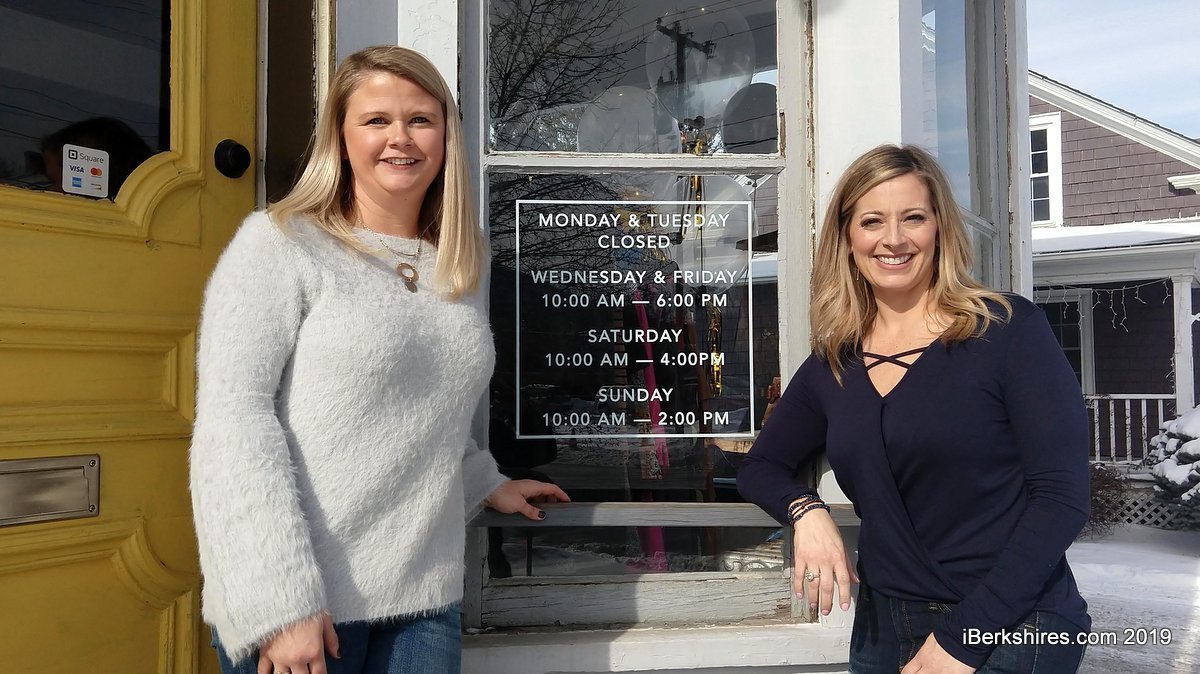
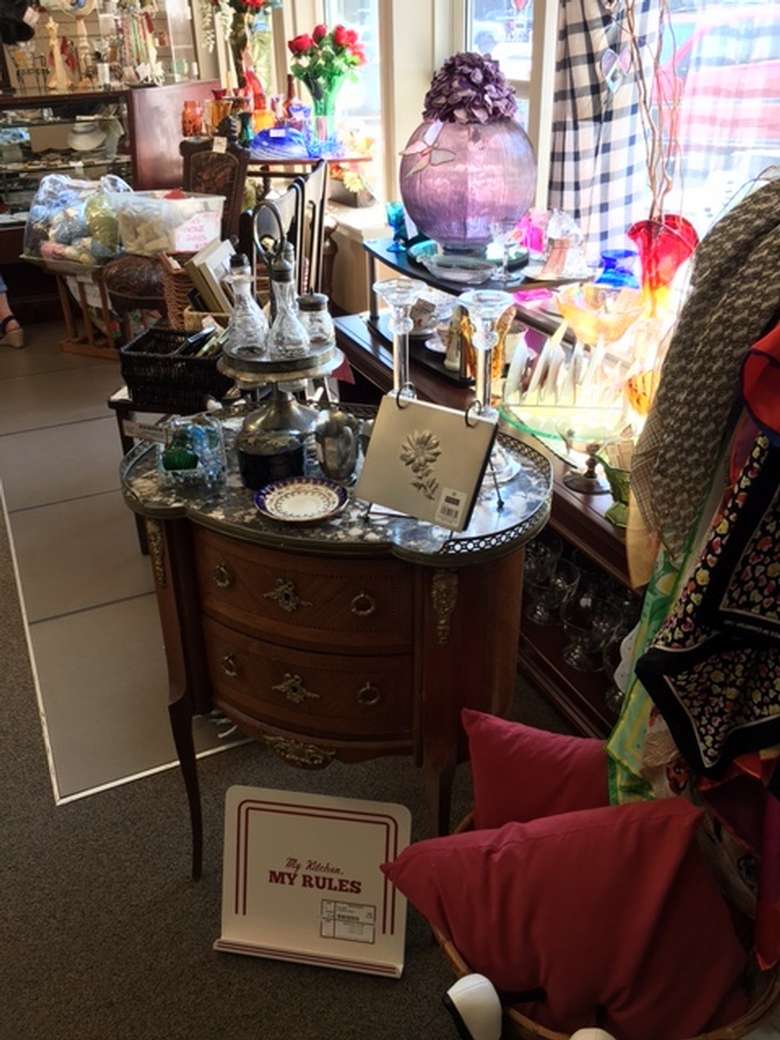
In a world increasingly focused on sustainability and responsible consumption, consignment stores offer a compelling alternative to traditional retail. These establishments, often found in bustling neighborhoods and quiet suburban areas, provide a platform for individuals to find high-quality, pre-loved household items at a fraction of their original cost. This article delves into the world of consignment stores specializing in household goods, exploring their benefits, intricacies, and the unique role they play in our communities.
Understanding the Consignment Model:
Consignment stores operate on a unique business model, acting as intermediaries between sellers and buyers. Individuals looking to declutter their homes and give their unused items a second life can consign them to the store. The store then displays and sells these items on behalf of the consignor, typically taking a commission on each sale. This approach offers several advantages over traditional thrift stores or donation centers:
- Higher-Quality Items: Consignment stores often focus on items in good condition, carefully vetting each piece before accepting it. This ensures that customers receive high-quality merchandise, often comparable to what they would find in retail stores.
- Financial Rewards for Consignors: Unlike donating items, consigning allows individuals to recoup a portion of their original investment. This financial incentive encourages responsible disposal of unwanted items, promoting a circular economy.
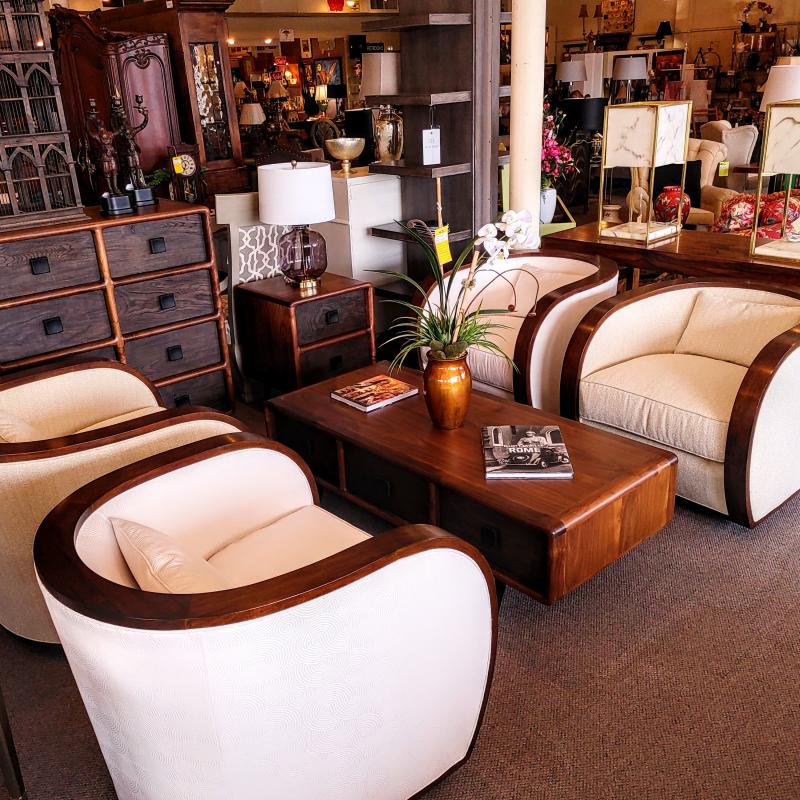
- Unique and Diverse Inventory: Consignment stores boast a constantly changing inventory, offering customers a unique shopping experience. The wide variety of items, often including designer pieces or vintage finds, caters to diverse tastes and budgets.
The Benefits of Consignment Stores:
Beyond their unique business model, consignment stores offer numerous benefits to both sellers and buyers, contributing to a more sustainable and economically viable approach to household goods:
- Environmental Sustainability: By giving items a second life, consignment stores reduce the demand for new products, minimizing waste and resource consumption. This aligns with growing concerns about environmental impact and promotes responsible consumption.
- Financial Savings for Buyers: Consignment stores offer significant price reductions compared to retail stores, making high-quality items accessible to a wider audience. This is particularly beneficial for those on a tight budget or seeking unique pieces without breaking the bank.
- Community Building: Consignment stores often become hubs for local communities, fostering a sense of shared responsibility and promoting a circular economy. They provide a platform for individuals to connect, exchange stories, and find unique treasures within their own neighborhood.
Navigating the Consignment Store Landscape:
While the concept of consignment stores is straightforward, navigating the specific nuances of each store requires some understanding:
- Selection Criteria: Each consignment store sets its own guidelines for accepting items, considering factors like condition, brand, and current market demand. Understanding these criteria helps consignors maximize their chances of acceptance and achieve the desired return.
- Commission Structure: Consignment stores typically charge a commission on each sale, ranging from 20% to 50% depending on the store’s policy. It’s crucial to compare commission structures across different stores to maximize potential earnings.
- Pricing Strategies: Consignment stores often advise consignors on pricing their items competitively, considering factors like condition, brand, and current market value. Understanding these factors helps maximize the chances of a quick sale.
Frequently Asked Questions (FAQs):
Q1: What types of household items can I consign?
A: Consignment stores typically accept a wide range of household items, including furniture, decor, kitchenware, linens, and home electronics. However, specific items accepted may vary depending on the store’s policy. It’s advisable to contact the store directly to inquire about their acceptance criteria.
Q2: What condition should my items be in?
A: Consignment stores generally accept items in good condition, free from major damage or wear and tear. Some stores may accept items with minor imperfections, but these will be priced accordingly. It’s recommended to thoroughly clean and repair any minor damages before consigning.
Q3: How long will my items be on consignment?
A: The length of time an item remains on consignment varies depending on the store’s policy. Some stores offer a fixed period, while others may keep items for an indefinite duration. It’s essential to clarify the consignment period and any associated fees before consigning.
Q4: How do I receive payment for my items?
A: Payment for sold items is typically issued to consignors on a monthly or quarterly basis, depending on the store’s policy. Some stores may offer alternative payment methods, such as store credit or direct deposit. It’s crucial to understand the payment process and timelines before consigning.
Tips for Consigning Success:
- Research Local Stores: Before consigning, thoroughly research local consignment stores to identify those specializing in the types of items you wish to sell.
- Prepare Items Thoroughly: Clean and repair items before consigning, ensuring they are in presentable condition.
- Price Items Competitively: Research similar items sold in retail stores and online marketplaces to determine a fair and competitive price.
- Communicate with the Store: Maintain open communication with the store regarding the status of your items and any updates on sales.
- Consider the Long Term: Consignment is a long-term process, and it may take time to sell all your items. Be patient and persistent in your efforts.
Conclusion:
Consignment stores play a vital role in promoting sustainable consumption and fostering a circular economy. They provide an alternative to traditional retail, offering both sellers and buyers unique advantages. By understanding the nuances of consignment, individuals can effectively participate in this market, maximizing their financial benefits while contributing to a more responsible and environmentally conscious approach to household goods. As awareness of sustainable practices grows, consignment stores are poised to become increasingly popular, offering a valuable platform for individuals to find unique treasures and give their unwanted items a second life.




Closure
Thus, we hope this article has provided valuable insights into A Second Life for Household Treasures: Exploring Consignment Stores. We appreciate your attention to our article. See you in our next article!