Giving New Life To Old Things: A Guide To Donating Household Items
Giving New Life to Old Things: A Guide to Donating Household Items
Related Articles: Giving New Life to Old Things: A Guide to Donating Household Items
Introduction
In this auspicious occasion, we are delighted to delve into the intriguing topic related to Giving New Life to Old Things: A Guide to Donating Household Items. Let’s weave interesting information and offer fresh perspectives to the readers.
Table of Content
Giving New Life to Old Things: A Guide to Donating Household Items
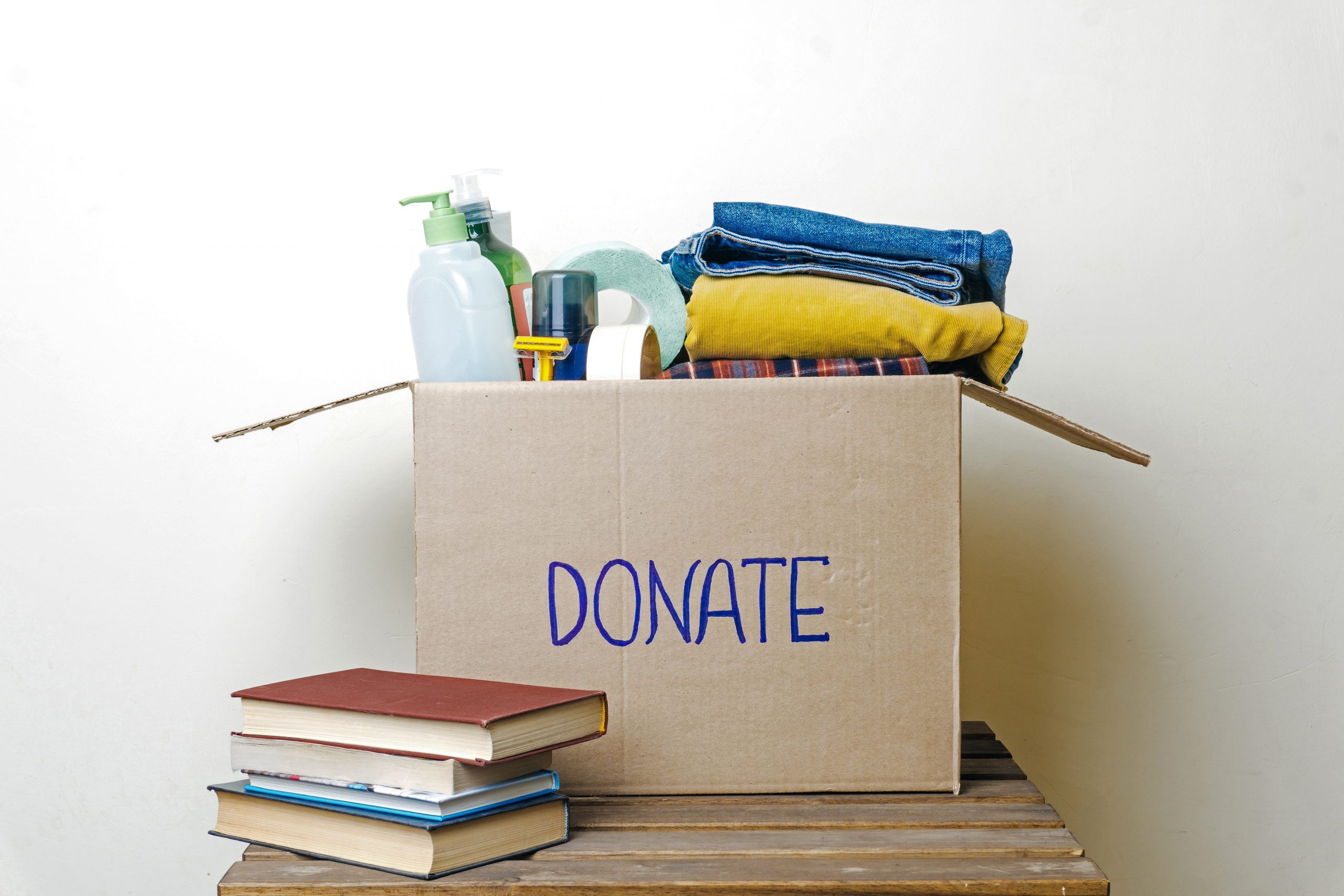
In a world of constant consumption, it is easy to overlook the value of what we already possess. Yet, countless items within our homes, though no longer serving their original purpose for us, can find new life and purpose in the hands of others. Donating household items is a simple act with profound impact, benefiting both the recipient and the environment.
The Power of Donation:
Donating household items goes beyond mere decluttering. It is a powerful act of generosity, enabling individuals and families in need to access essential resources and build a better life. Charities play a vital role in this process, acting as intermediaries between donors and recipients, ensuring that donations reach those who need them most.
Understanding Donation Needs:
The scope of household items accepted by charities varies significantly. Some organizations focus on specific needs, such as furniture for families transitioning out of homelessness, clothing for children in poverty, or kitchenware for individuals starting a new life. Others accept a wider range of items, including home décor, electronics, and even tools.
Identifying Reputable Organizations:
Choosing the right charity to donate to is crucial. Research is essential to ensure that the organization aligns with your values and that donations are used effectively. Websites like Charity Navigator and GuideStar offer comprehensive information on charities, including their financial transparency and impact.
Commonly Accepted Items:
While specific items accepted vary, here is a general overview of common donations:
Furniture:
- Beds: Single, double, queen, and king-size beds are always in high demand, particularly those in good condition.
- Sofas and Couches: Comfortable seating is essential, especially for families or individuals transitioning into new homes.
- Tables: Dining tables, coffee tables, end tables, and desks are frequently sought after by families and individuals in need.
- Chairs: Armchairs, dining chairs, and office chairs can all be valuable donations.
- Dressers and Nightstands: Storage is crucial for organizing belongings and maintaining a sense of order.
Household Appliances:
- Refrigerators and Freezers: Functional appliances are essential for storing food and preserving freshness.
- Washing Machines and Dryers: Clean laundry is essential for maintaining hygiene and well-being.
- Dishwashers: Dishwashers can significantly reduce the time and effort involved in household chores.
- Stoves and Ovens: Functional cooking appliances are vital for preparing meals and nourishing families.
Kitchenware and Tableware:
- Pots and Pans: Essential for cooking a variety of meals.
- Cutlery and Dinnerware: Basic sets of cutlery, plates, bowls, and cups are always in demand.
- Baking Sheets and Trays: Useful for preparing meals and baking treats.
- Mixing Bowls and Measuring Cups: Essential for cooking and baking.
Linens and Bedding:
- Blankets and Comforters: Provide warmth and comfort during colder months.
- Sheets and Pillowcases: Essential for a comfortable sleep.
- Towels and Bath Mats: Provide hygiene and comfort in the bathroom.
Clothing and Accessories:
- Clothing for all ages: Donating gently used clothing is a valuable contribution to families in need.
- Shoes: Functional footwear is essential for daily activities.
- Accessories: Hats, gloves, scarves, and belts can all be useful donations.
Books and Toys:
- Books for all ages: Reading materials provide entertainment and educational opportunities.
- Toys for children: Playtime is essential for a child’s development and well-being.
Electronics:
- Computers and Laptops: Access to technology is increasingly important for education, employment, and communication.
- Tablets and Smartphones: Offer a portable way to access information and entertainment.
Tools and Equipment:
- Hand Tools: Essential for basic repairs and maintenance.
- Power Tools: Can be helpful for more complex tasks.
- Gardening Tools: Essential for maintaining a garden or outdoor space.
Donating with Care:
Before donating any items, it is essential to ensure they are in good condition. This includes:
- Cleanliness: Items should be clean and free of dirt, stains, or odors.
- Functionality: All items should be in working order and free of defects.
- Safety: Ensure that items are safe to use and free of hazards.
FAQs by Charities to Donate Household Items:
Q: What are the most needed items?
A: The most needed items vary depending on the specific needs of the community served by the charity. However, common needs include clothing, furniture, kitchenware, and bedding.
Q: What items are not accepted?
A: Most charities do not accept items that are damaged, broken, or unsafe. This may include items with significant wear and tear, broken appliances, or items with missing parts. Some charities also do not accept certain items due to safety concerns, such as cribs that do not meet current safety standards.
Q: How do I donate items?
A: Many charities offer a variety of donation methods, including:
- Drop-off: Some charities have designated drop-off locations where donors can bring their items.
- Pick-up: Some charities offer pick-up services for larger donations, such as furniture.
- Online Donations: Some charities accept online donations of items that can be shipped directly to their facilities.
Q: What are the benefits of donating household items?
A: Donating household items offers a range of benefits, including:
- Helping those in need: Donations provide essential resources to families and individuals struggling with poverty, homelessness, or other challenges.
- Reducing waste: By donating items instead of discarding them, individuals contribute to reducing landfill waste and promoting sustainability.
- Creating a sense of community: Donating fosters a sense of community and shared responsibility, connecting individuals with those in need.
Tips by Charities to Donate Household Items:
- Organize your donation: Before donating, take the time to sort and organize items to ensure they are clean and in good condition.
- Consider the needs of the recipient: Think about the specific needs of the individuals or families who will benefit from your donation.
- Donate items that are in good condition: Ensure that all items are clean, functional, and safe to use.
- Take advantage of tax deductions: In some cases, donations may be tax-deductible. Check with the charity and the relevant tax authorities for information.
Conclusion by Charities to Donate Household Items:
Donating household items is a simple yet impactful act that can make a real difference in the lives of others. By choosing reputable charities, understanding their needs, and donating items in good condition, individuals can contribute to a more just and sustainable world. It is a reminder that even the seemingly insignificant items in our homes can hold immense value for those in need, transforming ordinary objects into symbols of hope and opportunity.

![Giving Clutter New Life [How to Get Rid of Unwanted Stuff for Free]](https://tidylifehappywife.com/wp-content/uploads/donate-unwanted-items.jpg)



Closure
Thus, we hope this article has provided valuable insights into Giving New Life to Old Things: A Guide to Donating Household Items. We appreciate your attention to our article. See you in our next article!