Navigating Probate In The UK: A Comprehensive Guide
Navigating Probate in the UK: A Comprehensive Guide
Related Articles: Navigating Probate in the UK: A Comprehensive Guide
Introduction
In this auspicious occasion, we are delighted to delve into the intriguing topic related to Navigating Probate in the UK: A Comprehensive Guide. Let’s weave interesting information and offer fresh perspectives to the readers.
Table of Content
Navigating Probate in the UK: A Comprehensive Guide
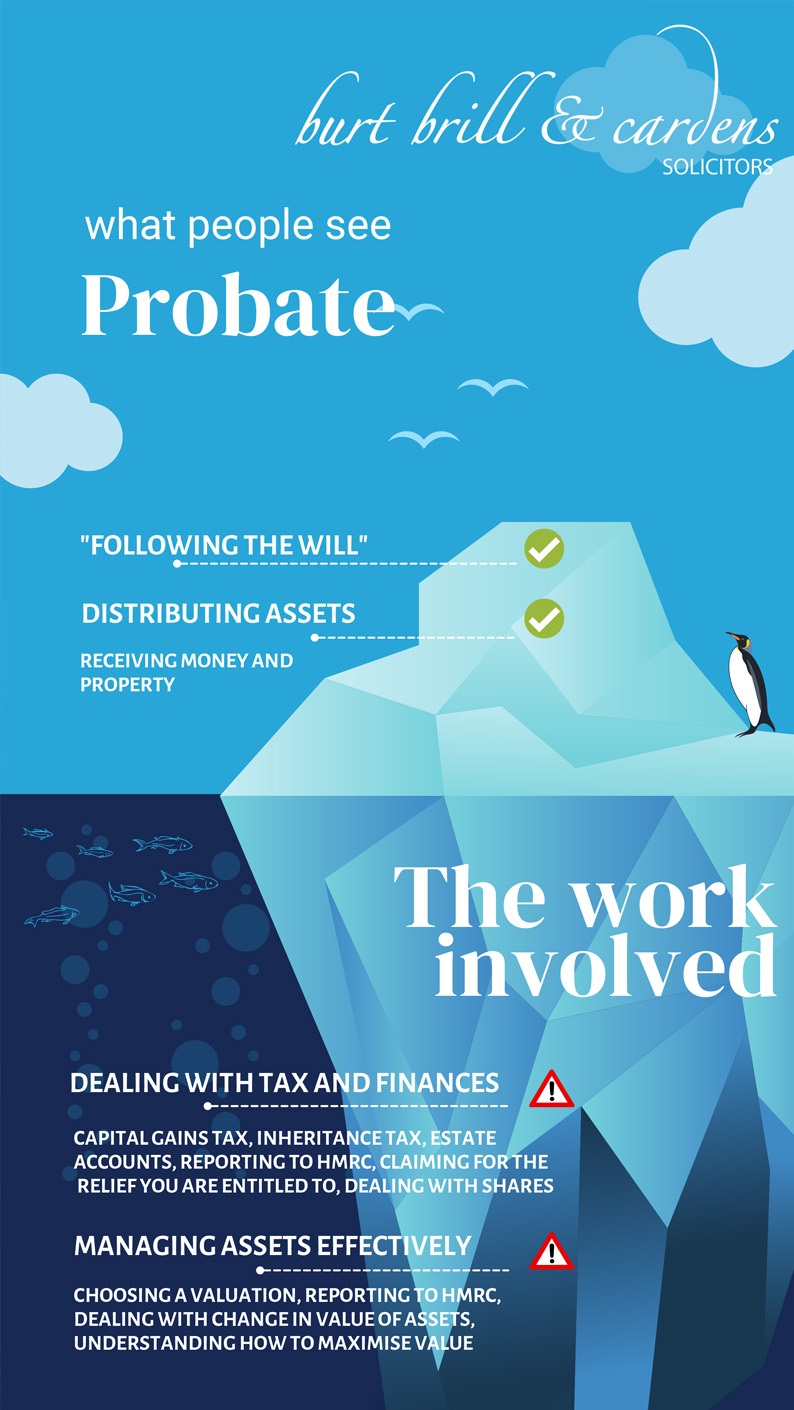
Probate is the legal process of administering the estate of a deceased person. This process involves identifying and gathering the deceased’s assets, paying any outstanding debts, and distributing the remaining assets to beneficiaries according to the terms of the will or, if no will exists, according to the rules of intestacy. While the process can be complex and emotionally challenging, understanding the steps involved and seeking professional guidance can significantly ease the burden on executors and beneficiaries.
Understanding the Importance of Probate
Probate plays a crucial role in ensuring the smooth transfer of assets and the fulfillment of the deceased’s wishes. Without probate, it becomes impossible to legally distribute assets, settle debts, or access bank accounts. This can lead to significant delays, financial complications, and legal disputes among beneficiaries.
The Probate Process in the UK: A Step-by-Step Guide
The probate process in the UK typically involves the following steps:
-
Identifying the Executor: The first step is to determine who has been appointed as the executor in the deceased’s will. If no will exists, the law designates specific individuals as administrators of the estate.
-
Gathering the Necessary Documents: The executor must gather crucial documents, including the death certificate, the original will (if applicable), and documentation of the deceased’s assets and debts.
-
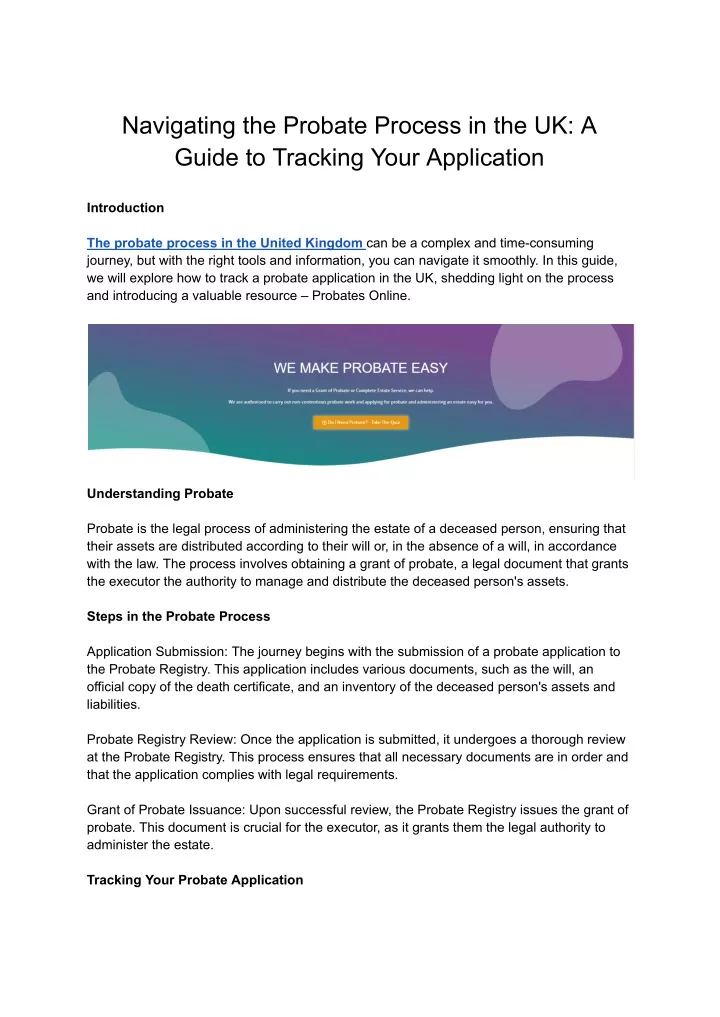
Applying for Probate: The executor must apply for a grant of probate from the probate registry. This application requires the submission of various forms and documents, including the deceased’s will, death certificate, and information about the estate’s assets and liabilities.
-
Paying Debts and Taxes: Once probate is granted, the executor is authorized to manage the estate. This involves paying any outstanding debts, including mortgages, credit card bills, and taxes.
-
Distributing Assets: After settling debts, the executor distributes the remaining assets to the beneficiaries according to the will or the rules of intestacy. This process can involve selling assets, transferring ownership, and making payments to beneficiaries.
When Probate is Not Required
Probate is not always necessary. In certain situations, the estate can be administered without going through the formal probate process. This is possible when:
- The estate is small: If the value of the deceased’s estate is below a certain threshold, probate may not be required. The threshold varies depending on the jurisdiction.
- Assets are held in joint ownership: If assets are held jointly with another person, they typically pass directly to the surviving joint owner.
- Assets are held in trust: Assets held in trust are not subject to probate and are distributed according to the terms of the trust.
Seeking Professional Advice: The Benefits of Engaging a Solicitor
Navigating the probate process can be daunting, especially for those unfamiliar with the legal complexities involved. Engaging a solicitor specializing in probate can offer significant benefits, including:
- Expert Guidance: Solicitors possess in-depth knowledge of probate law and procedures, ensuring that all legal requirements are met.
- Efficient Handling: Solicitors can manage the complexities of the probate process, saving executors time and effort.
- Minimizing Disputes: Solicitors can mediate disputes among beneficiaries, ensuring a fair and equitable distribution of assets.
- Tax Optimization: Solicitors can advise on tax implications and help minimize tax liabilities associated with the estate.
FAQs on Probate in the UK
1. What is the cost of probate?
The cost of probate varies depending on the size and complexity of the estate. Court fees apply, and solicitors charge fees for their services.
2. How long does the probate process take?
The duration of the probate process can vary, ranging from a few months to several years, depending on the complexity of the estate and any disputes among beneficiaries.
3. Can I apply for probate myself?
While it is possible to apply for probate yourself, it is highly recommended to seek professional guidance from a solicitor, especially for complex estates.
4. What happens if there is no will?
If no will exists, the rules of intestacy determine how the estate is distributed. The law designates specific individuals as administrators of the estate, and assets are distributed according to a predetermined order.
5. What if there are disputes among beneficiaries?
Disputes among beneficiaries can significantly complicate the probate process. It is crucial to seek legal advice and consider mediation to resolve disagreements and ensure a fair distribution of assets.
Tips for Managing Probate
- Keep records organized: Maintain accurate records of assets, debts, and financial transactions related to the deceased’s estate.
- Communicate effectively: Keep all beneficiaries informed about the probate process and any significant developments.
- Seek professional advice: Engage a solicitor specializing in probate to ensure legal compliance and minimize potential complications.
- Be patient and persistent: The probate process can be time-consuming, but it is essential to be patient and persistent in fulfilling the deceased’s wishes and distributing assets fairly.
Conclusion
Probate is an essential legal process that ensures the orderly transfer of assets and the fulfillment of the deceased’s wishes. While the process can be complex and emotionally challenging, understanding the steps involved and seeking professional guidance can alleviate the burden on executors and beneficiaries. By engaging a solicitor specializing in probate, individuals can ensure a smooth and efficient process, minimizing potential complications and disputes. Ultimately, navigating probate with careful planning and expert guidance allows for a respectful and dignified resolution of the deceased’s affairs, ensuring their legacy is honored and their assets are distributed according to their wishes.




Closure
Thus, we hope this article has provided valuable insights into Navigating Probate in the UK: A Comprehensive Guide. We appreciate your attention to our article. See you in our next article!