Nourishing The Body: Dietary Strategies For Managing Rheumatoid Arthritis
Nourishing the Body: Dietary Strategies for Managing Rheumatoid Arthritis
Related Articles: Nourishing the Body: Dietary Strategies for Managing Rheumatoid Arthritis
Introduction
With enthusiasm, let’s navigate through the intriguing topic related to Nourishing the Body: Dietary Strategies for Managing Rheumatoid Arthritis. Let’s weave interesting information and offer fresh perspectives to the readers.
Table of Content
Nourishing the Body: Dietary Strategies for Managing Rheumatoid Arthritis

Rheumatoid arthritis (RA) is a chronic autoimmune disease that affects the joints, causing pain, stiffness, and inflammation. While there is no cure for RA, research suggests that dietary interventions can play a significant role in managing symptoms and improving overall well-being.
Understanding the Role of Diet in Rheumatoid Arthritis
The intricate connection between diet and RA is not fully understood, but several theories offer valuable insights. One prominent theory centers around inflammation. RA is characterized by an overactive immune system that mistakenly attacks the body’s own tissues, leading to chronic inflammation in the joints. Some foods can contribute to inflammation, while others possess anti-inflammatory properties.
Another critical aspect is the role of nutrients. RA can interfere with the absorption and utilization of essential nutrients, such as vitamin D, omega-3 fatty acids, and antioxidants. Consuming a diet rich in these nutrients can help mitigate deficiencies and support the body’s natural healing processes.
Dietary Strategies for Rheumatoid Arthritis Management
1. Prioritizing Anti-Inflammatory Foods:
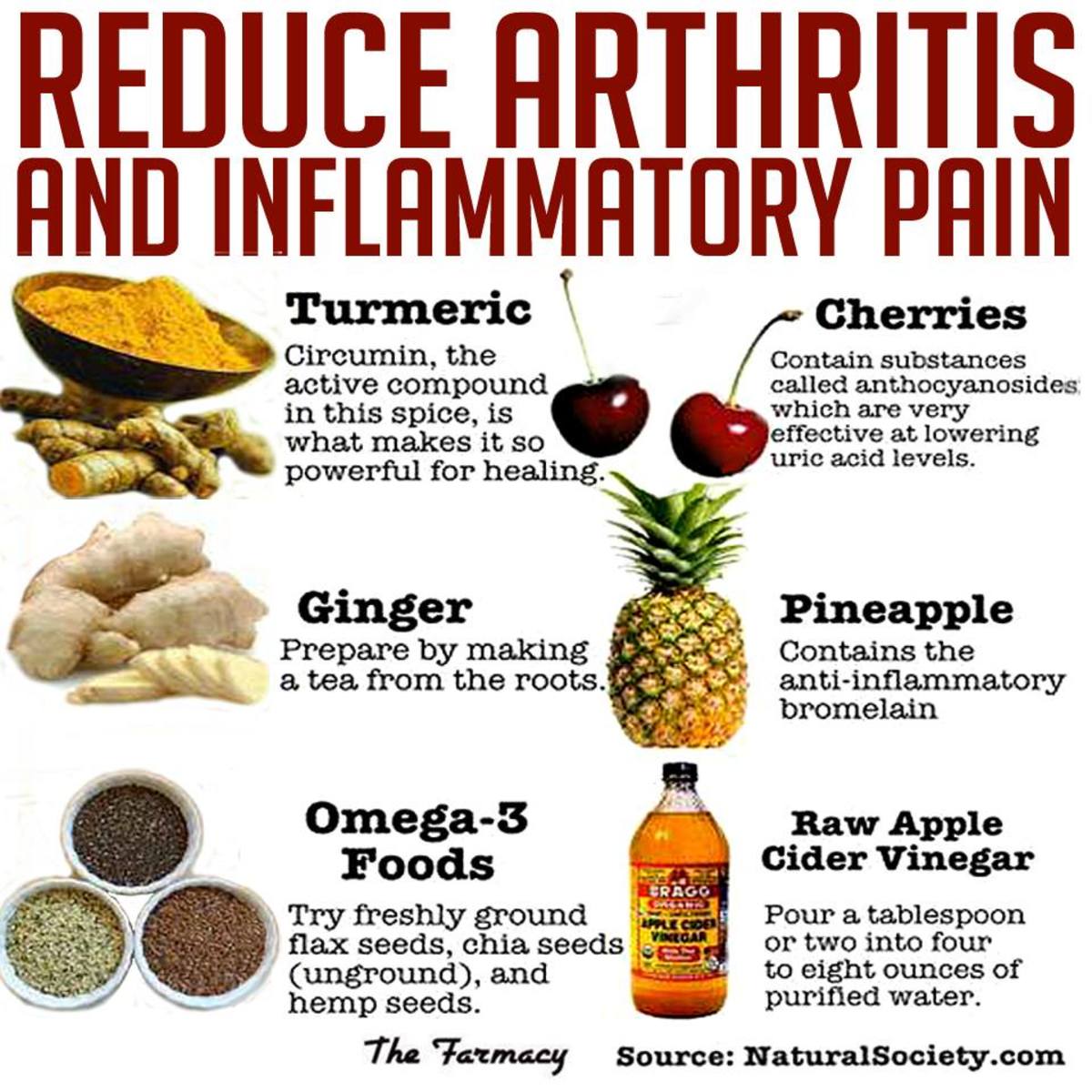
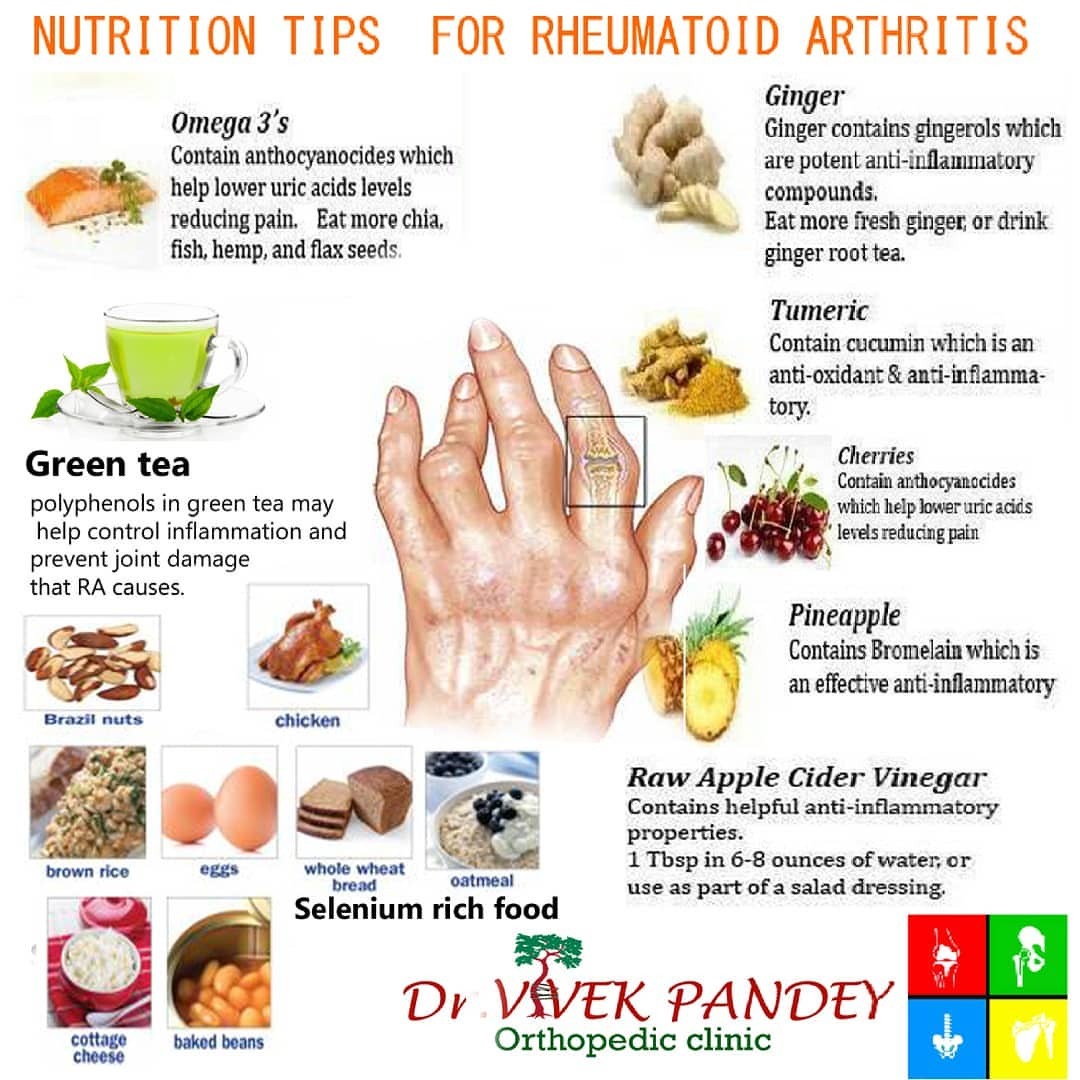
- Omega-3 Fatty Acids: Found in fatty fish (salmon, mackerel, tuna), flaxseeds, chia seeds, and walnuts, omega-3 fatty acids possess potent anti-inflammatory properties. They help reduce joint pain and stiffness by suppressing inflammatory markers.
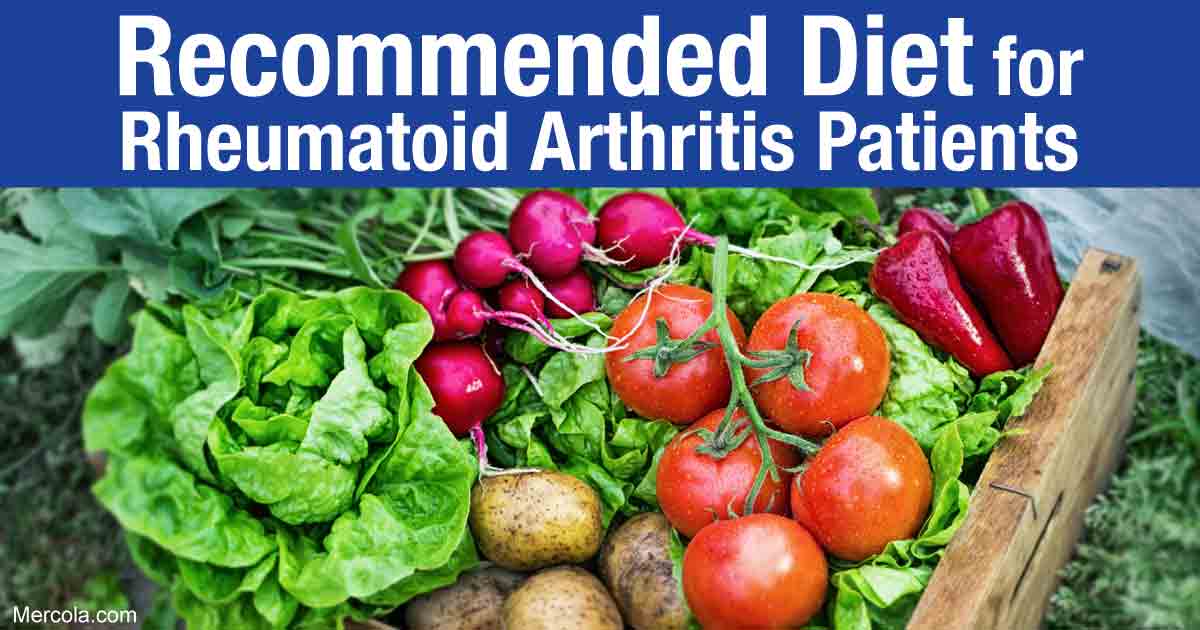
- Fruits and Vegetables: Rich in antioxidants, vitamins, and minerals, fruits and vegetables play a crucial role in reducing inflammation. Focus on colorful varieties like berries, leafy greens, cruciferous vegetables, and citrus fruits.
- Turmeric: This vibrant spice contains curcumin, a powerful anti-inflammatory compound that has shown promise in managing RA symptoms.
- Ginger: Another potent anti-inflammatory, ginger can help reduce pain and improve joint function.
2. Limiting Pro-Inflammatory Foods:
- Processed Foods: Highly processed foods, often loaded with refined sugars, unhealthy fats, and artificial additives, can contribute to inflammation and exacerbate RA symptoms.
- Red Meat: While red meat can be a source of protein, excessive consumption may contribute to inflammation.
- Saturated and Trans Fats: Found in fried foods, processed snacks, and some dairy products, these fats can increase inflammation and negatively impact heart health.
- Sugar: Excessive sugar intake can trigger inflammation and worsen RA symptoms.
3. Focusing on Nutrient-Dense Foods:
- Vitamin D: Crucial for bone health and immune function, vitamin D deficiency is common in individuals with RA. Include fatty fish, eggs, fortified dairy products, and sun exposure in your diet.
- Vitamin C: A powerful antioxidant, vitamin C supports collagen production, which is essential for joint health. Citrus fruits, berries, and leafy greens are excellent sources.
- Zinc: This mineral plays a crucial role in immune function and wound healing. Include oysters, red meat, nuts, and beans in your diet.
- Folic Acid: Essential for cell growth and repair, folic acid can help reduce inflammation and improve overall health. Good sources include leafy greens, fortified cereals, and legumes.
4. Addressing Individual Needs:
- Gluten Sensitivity: Some individuals with RA may experience improvement in symptoms by avoiding gluten, a protein found in wheat, barley, and rye.
- Dairy Sensitivity: Lactose intolerance or sensitivity to dairy products can exacerbate RA symptoms. Consider alternatives like almond milk, coconut milk, or soy milk.
- Food Allergies: Certain food allergies can trigger inflammation and worsen RA symptoms. Identifying and avoiding these allergens is crucial.
5. The Importance of Hydration:
Staying adequately hydrated is vital for maintaining joint health and flushing out toxins. Aim to drink plenty of water throughout the day.
6. The Role of Supplements:
While a balanced diet should provide most essential nutrients, some individuals may benefit from specific supplements. Always consult with a healthcare professional before starting any new supplements.
Frequently Asked Questions (FAQs)
Q: Can diet actually help manage rheumatoid arthritis?
A: While diet alone cannot cure RA, it can play a significant role in managing symptoms and improving overall well-being. Studies have shown that dietary interventions can reduce inflammation, improve joint function, and enhance quality of life.
Q: What are the best foods to include in a diet for RA?
A: Focus on anti-inflammatory foods like fatty fish, fruits, vegetables, turmeric, and ginger. Incorporate nutrient-rich foods like those high in vitamin D, vitamin C, zinc, and folic acid.
Q: What foods should I avoid with RA?
A: Limit processed foods, red meat, saturated and trans fats, and excessive sugar. Consider avoiding gluten, dairy, or specific allergens if you have sensitivities.
Q: Should I follow a specific diet for RA?
A: While there is no one-size-fits-all diet, a balanced approach incorporating anti-inflammatory foods and limiting pro-inflammatory options can be beneficial. Consult with a registered dietitian or a healthcare professional for personalized dietary recommendations.
Q: Are there any supplements that can help manage RA?
A: Some supplements, like omega-3 fatty acids, vitamin D, and curcumin, may offer additional benefits. However, it’s essential to consult with a healthcare professional before starting any supplements.
Tips for Incorporating Dietary Changes:
- Start slowly: Introduce changes gradually to avoid overwhelming yourself.
- Focus on quality: Choose whole, unprocessed foods over refined and packaged options.
- Read labels: Pay attention to ingredients and avoid excessive sugar, unhealthy fats, and artificial additives.
- Cook at home: This allows you to control ingredients and portion sizes.
- Seek professional guidance: Consult with a registered dietitian for personalized dietary recommendations.
Conclusion
While RA is a complex condition, dietary interventions can play a significant role in managing symptoms and improving overall health. By prioritizing anti-inflammatory foods, limiting pro-inflammatory options, and focusing on nutrient-dense choices, individuals with RA can empower themselves to live healthier and more fulfilling lives. It’s crucial to remember that dietary changes should be made in consultation with a healthcare professional to ensure they are safe and effective for your individual needs.
:max_bytes(150000):strip_icc()/rheumatoid-arthritis-diet-and-exercise-5094998_final-30997c03f3e94927898ceb065d0ee512.jpg)


Closure
Thus, we hope this article has provided valuable insights into Nourishing the Body: Dietary Strategies for Managing Rheumatoid Arthritis. We appreciate your attention to our article. See you in our next article!