Supporting Our Veterans: A Guide To Donating Useful Items
Supporting Our Veterans: A Guide to Donating Useful Items
Related Articles: Supporting Our Veterans: A Guide to Donating Useful Items
Introduction
With great pleasure, we will explore the intriguing topic related to Supporting Our Veterans: A Guide to Donating Useful Items. Let’s weave interesting information and offer fresh perspectives to the readers.
Table of Content
Supporting Our Veterans: A Guide to Donating Useful Items
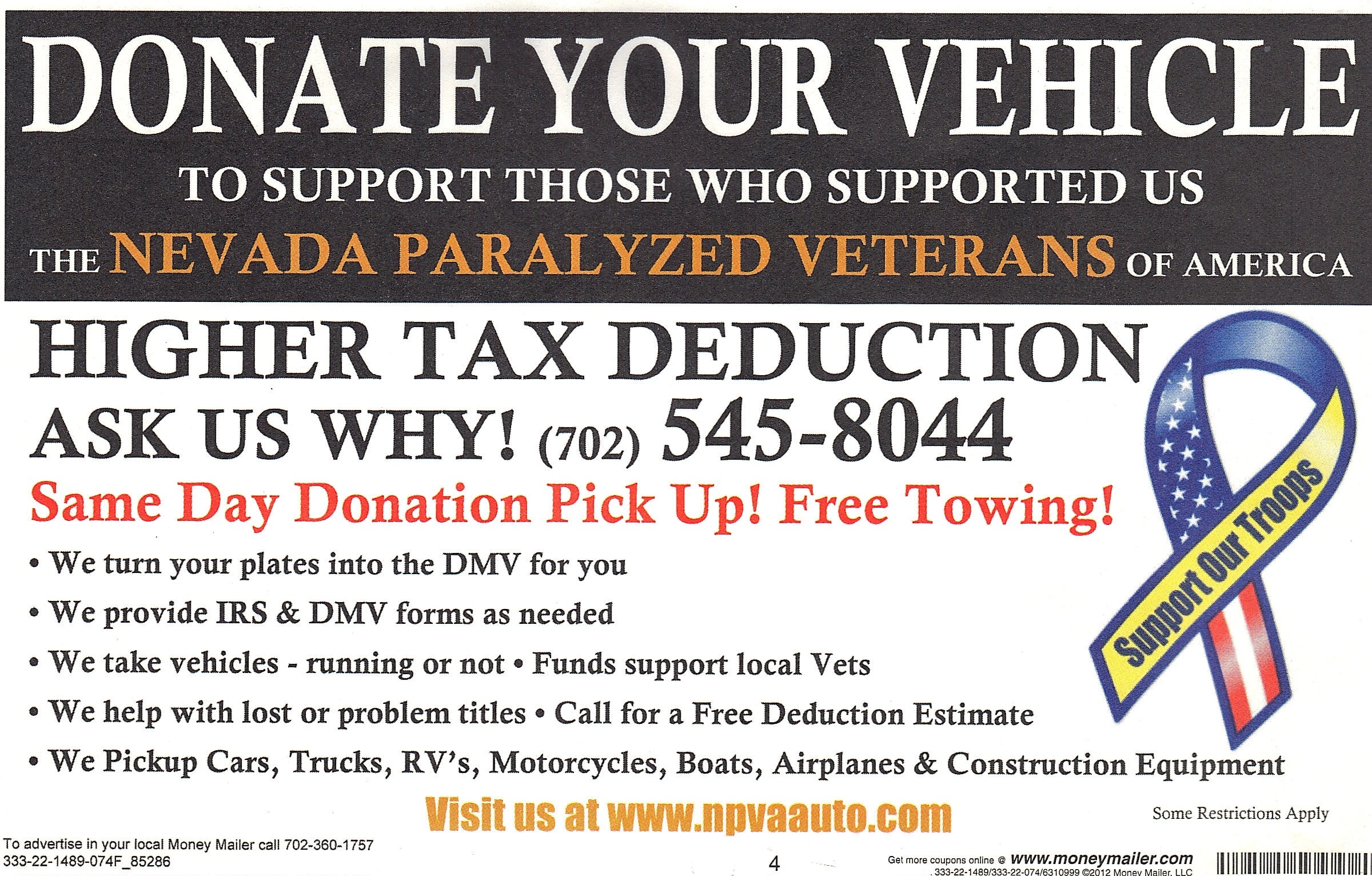
The unwavering dedication of American veterans to safeguarding national security deserves our utmost gratitude and support. One impactful way to demonstrate this appreciation is through donations of essential items that enhance their lives. This guide provides a comprehensive understanding of the types of donations veterans’ organizations readily accept, highlighting their significance and outlining practical tips for contributing effectively.
Understanding the Needs of Veterans
Veterans face diverse challenges upon returning to civilian life, ranging from physical and mental health issues to difficulties reintegrating into the workforce. Many organizations dedicate themselves to assisting veterans in overcoming these obstacles, providing support in areas such as housing, employment, education, and healthcare.
Valuable Donations for Veterans’ Organizations
Donating items that address the specific needs of veterans can significantly improve their lives and ease their transition back to civilian life. Here is a detailed breakdown of commonly accepted donation categories:
1. Household Essentials:
- Furniture: Donating gently used furniture, including beds, couches, tables, chairs, and desks, can provide veterans with a comfortable and functional living space.
- Appliances: Working appliances like refrigerators, stoves, washing machines, and dryers are highly sought after by veterans who may be starting anew.
- Kitchenware: Donating pots, pans, dishes, utensils, and other kitchen essentials can help veterans establish a functional kitchen in their new homes.
- Linens: Blankets, pillows, sheets, towels, and curtains provide comfort and enhance the overall living environment.
- Cleaning Supplies: Donations of cleaning products, including detergents, disinfectants, and paper towels, contribute to a clean and healthy living space.
2. Clothing and Personal Care Items:
- Clothing: Donating gently used clothing, shoes, and accessories in various sizes and styles is always appreciated. Consider donating items suitable for both men and women.
- Personal Care Items: Donations of toiletries, including soap, shampoo, toothpaste, and shaving supplies, are essential for maintaining personal hygiene.
- First Aid Supplies: Donating bandages, antiseptic wipes, pain relievers, and other basic first aid items can be valuable for addressing minor injuries and illnesses.
3. Electronics and Technology:
- Laptops and Tablets: Donating working laptops and tablets can provide veterans with access to online resources, educational opportunities, and employment applications.
- Smartphones: Donating smartphones can facilitate communication, access to information, and the use of essential apps.
- Printers and Scanners: Donating printers and scanners can be helpful for veterans who need to print documents for job applications, educational materials, or personal use.
4. Educational Resources:
- Books: Donating books on various topics, including history, science, technology, and literature, can foster intellectual growth and provide entertainment.
- Textbooks: Donating used textbooks can be invaluable to veterans pursuing higher education or vocational training.
- Educational Software: Donating educational software can enhance learning opportunities and provide valuable skills for future careers.
5. Other Useful Items:
- Gift Cards: Donating gift cards to grocery stores, gas stations, or retailers can provide veterans with the flexibility to purchase essential items.
- Transportation: Donating bicycles, scooters, or other forms of transportation can enhance mobility and independence.
- Sporting Goods: Donating sporting equipment, such as balls, rackets, and exercise gear, can promote physical fitness and recreational activities.
The Importance of Donation Quality:
While donations are greatly appreciated, it is crucial to ensure that items are in good condition. Organizations often have strict guidelines regarding the acceptance of donations, particularly for items that require functionality.
- Functionality: Ensure donated appliances, electronics, and other items are in working order.
- Cleanliness: Donate items that are clean and free from stains, tears, or excessive wear.
- Safety: Avoid donating items that pose safety risks, such as damaged furniture or malfunctioning appliances.
Donation Pickup Services:
Many veterans’ organizations offer donation pickup services to facilitate the collection of donated items. This service is particularly helpful for individuals who lack the means to transport large or bulky items.
Benefits of Donating to Veterans’ Organizations:
- Supporting Veterans: Donations directly impact the lives of veterans by providing essential resources and support.
- Tax Deductions: Many donations to qualified veterans’ organizations are eligible for tax deductions.
- Community Involvement: Donating to veterans’ organizations fosters a sense of community and strengthens the bond between civilians and those who have served.
- Making a Difference: Donating items that veterans need can have a profound and lasting impact on their well-being and future prospects.
FAQs Regarding Donations to Veterans’ Organizations:
1. What types of donations are most needed?
The most needed donations vary depending on the specific needs of the organization and the veterans they serve. However, common needs include furniture, appliances, clothing, personal care items, and electronics.
2. How can I find out what an organization accepts?
Contact the organization directly to inquire about their donation guidelines and acceptance criteria.
3. Are there any restrictions on donations?
Most organizations have restrictions on items they accept, such as those that are damaged, unsafe, or outdated.
4. What is the best way to donate?
The best way to donate is to contact the organization directly and inquire about their preferred methods of donation, whether it be through drop-off, pickup, or other arrangements.
5. Can I donate items that are not on their list?
It is always advisable to contact the organization beforehand to inquire about the acceptance of items that are not listed in their donation guidelines.
Tips for Effective Donation:
- Research Organizations: Choose reputable veterans’ organizations that align with your values and interests.
- Contact Organizations: Contact the organization directly to inquire about their donation guidelines and acceptance criteria.
- Prepare Items: Clean, repair, and package items appropriately to ensure they are in good condition.
- Schedule Pickup: If the organization offers pickup services, schedule a convenient time for the pickup.
- Document Donations: Keep records of your donations for tax purposes.
Conclusion:
Supporting American veterans is a testament to our gratitude for their sacrifices and a commitment to helping them thrive in civilian life. Donating useful items to veterans’ organizations is a tangible way to demonstrate this support. By understanding the needs of veterans, donating items in good condition, and following the guidelines of organizations, individuals can make a meaningful difference in the lives of those who have served our nation.




Closure
Thus, we hope this article has provided valuable insights into Supporting Our Veterans: A Guide to Donating Useful Items. We appreciate your attention to our article. See you in our next article!