The Circular Economy Of Second-Hand Goods: A Sustainable And Affordable Approach
The Circular Economy of Second-Hand Goods: A Sustainable and Affordable Approach
Related Articles: The Circular Economy of Second-Hand Goods: A Sustainable and Affordable Approach
Introduction
In this auspicious occasion, we are delighted to delve into the intriguing topic related to The Circular Economy of Second-Hand Goods: A Sustainable and Affordable Approach. Let’s weave interesting information and offer fresh perspectives to the readers.
Table of Content
The Circular Economy of Second-Hand Goods: A Sustainable and Affordable Approach

The global consumerist culture has fostered a culture of disposability, leading to an alarming increase in waste and resource depletion. However, a growing awareness of environmental and economic concerns has spurred a shift towards more sustainable consumption patterns. This shift has brought renewed focus on the pre-owned market, a realm of second-hand goods offering a compelling alternative to new purchases.
The Rise of the Second-Hand Market
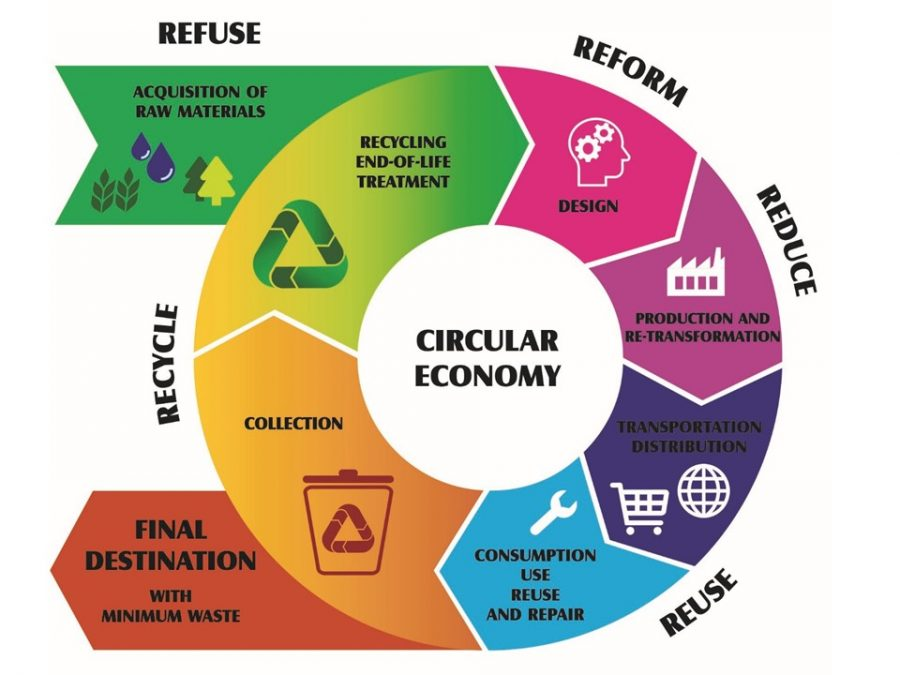
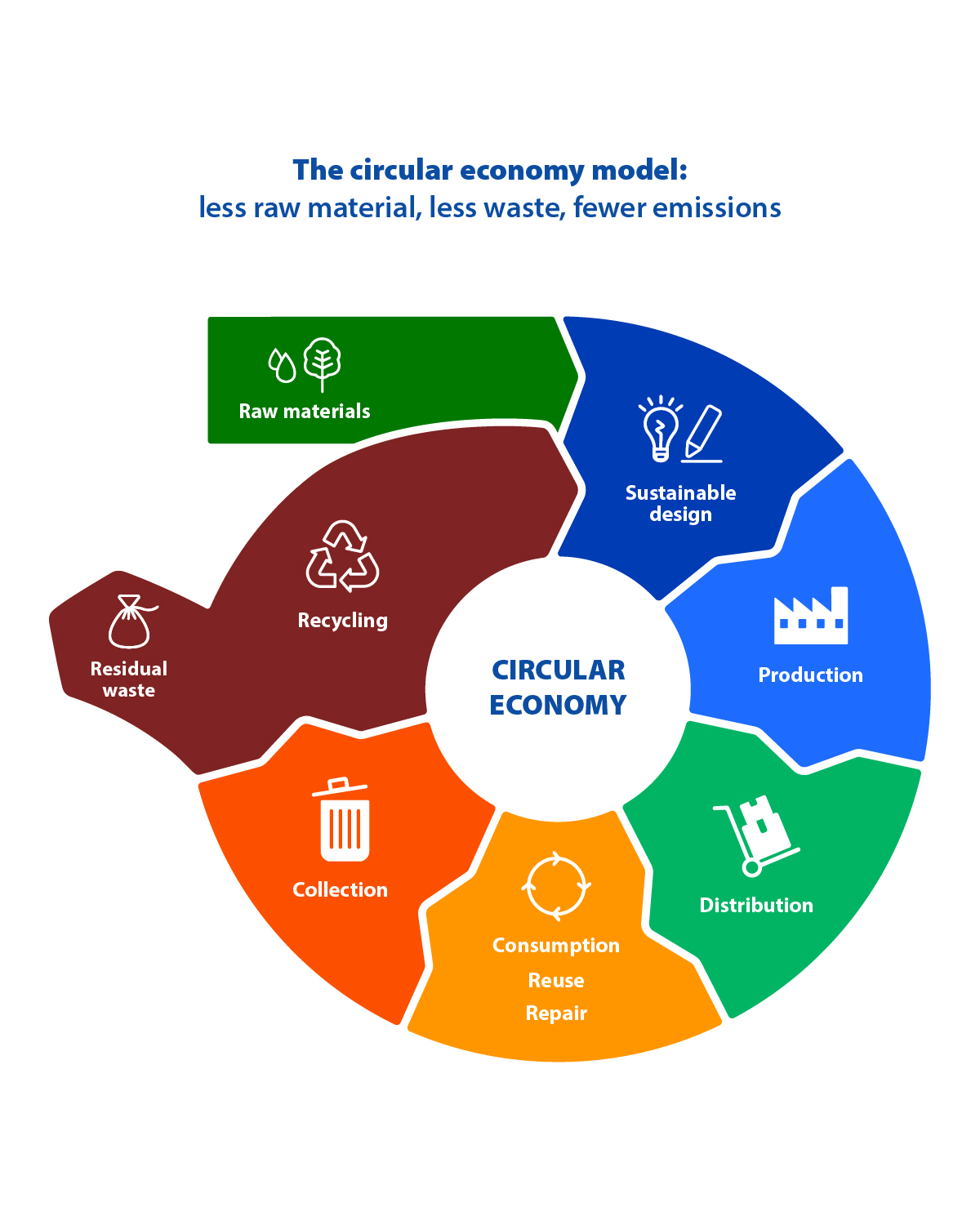
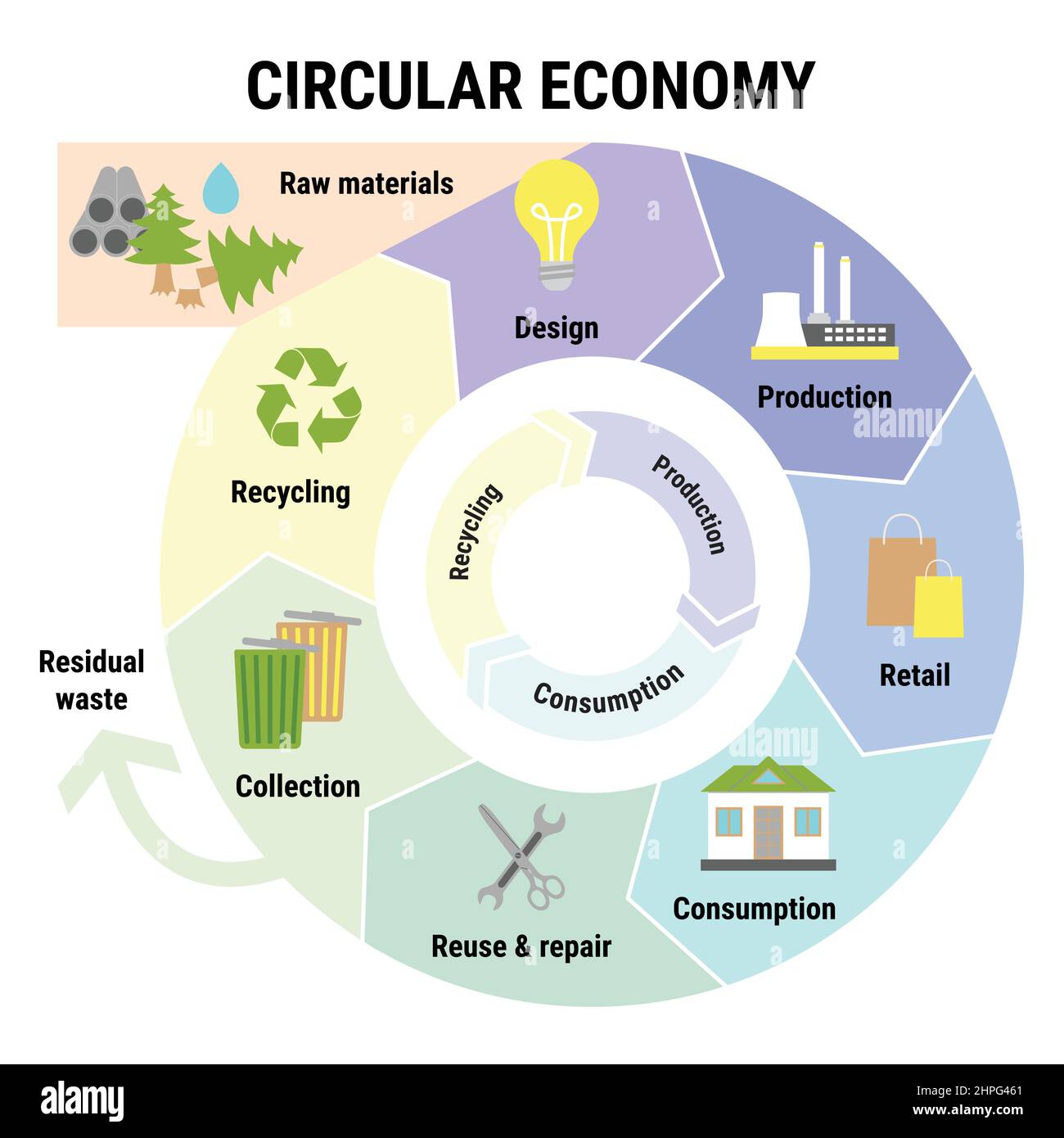
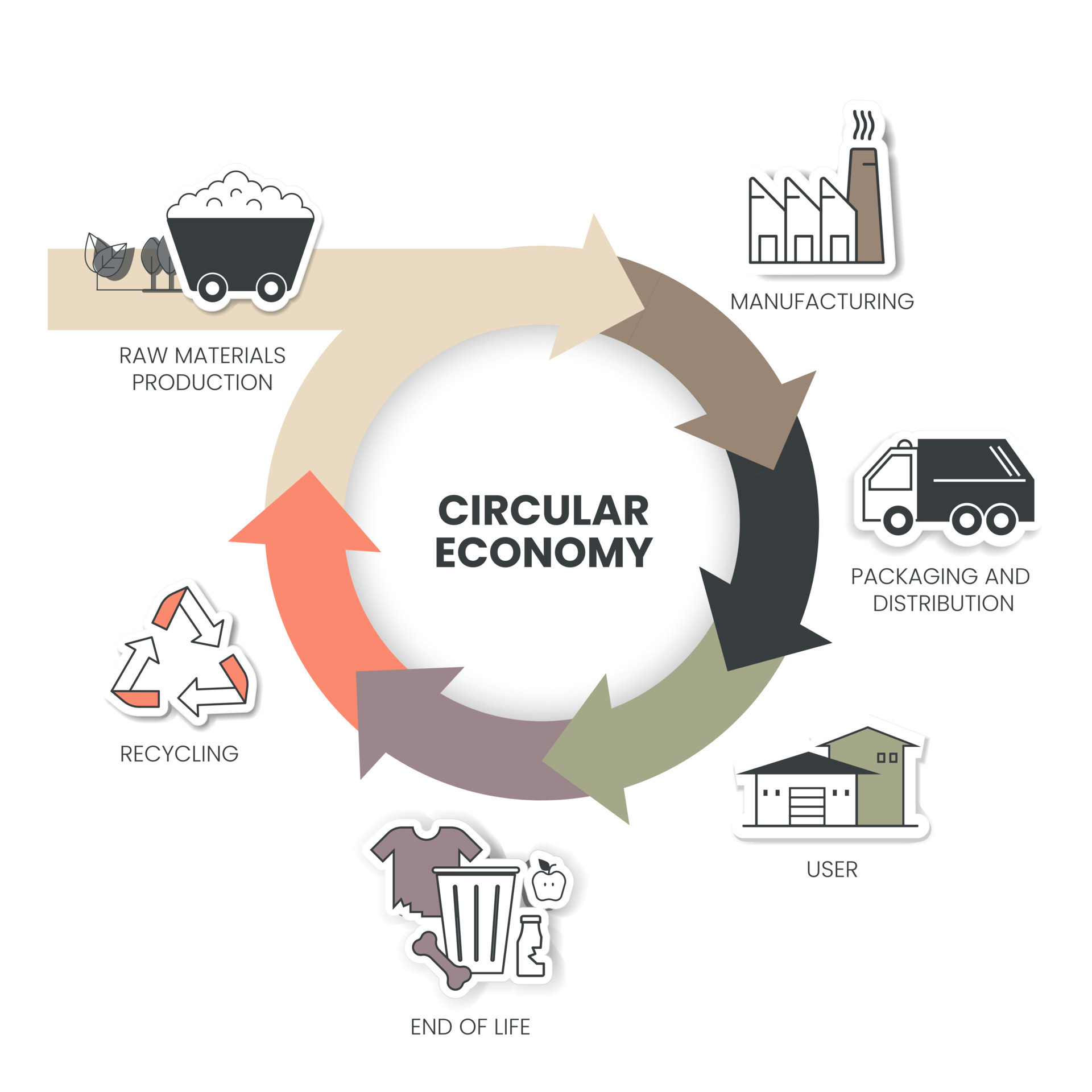
The second-hand market encompasses a vast array of goods, from clothing and furniture to electronics and automobiles. Its appeal lies in its affordability and its role in promoting a circular economy, where products are given a second life instead of being discarded.
Economic Benefits
The economic benefits of buying and selling second-hand goods are undeniable. Consumers can significantly reduce their expenses by purchasing pre-owned items, particularly for high-priced products like furniture, appliances, and vehicles. This affordability makes quality products accessible to a wider range of individuals.
For sellers, the second-hand market offers a platform to recoup some value from items they no longer need or use. This can be particularly beneficial for individuals looking to declutter their homes or generate additional income.
Environmental Impact
The environmental impact of the second-hand market is perhaps its most significant advantage. By extending the lifespan of existing products, the demand for new manufacturing is reduced, thereby minimizing resource extraction, energy consumption, and waste generation. This aligns with the principles of sustainable development, aiming to meet current needs without compromising the ability of future generations to meet their own.
Social and Cultural Implications
Beyond the economic and environmental benefits, the second-hand market fosters social connections and promotes a sense of community. Online platforms and local markets provide opportunities for individuals to interact, exchange knowledge, and share their passion for unique and pre-loved items. This shared experience cultivates a sense of community and encourages responsible consumption.
Navigating the Second-Hand Market
While the second-hand market offers numerous advantages, it’s essential to approach it with caution and awareness.
Tips for Buying Second-Hand Goods:
- Thorough Inspection: Before purchasing any item, conduct a thorough inspection to assess its condition. Look for signs of wear and tear, damage, and functionality.
- Research and Comparison: Compare prices and product information across different platforms to ensure you’re getting a fair deal.
- Seller Reputation: Check the seller’s reviews and ratings to gauge their reliability and trustworthiness.
- Negotiation: Don’t be afraid to negotiate the price, especially if you’re buying multiple items or if the item shows signs of wear.
- Warranty and Returns: Inquire about any warranties or return policies offered by the seller.
Tips for Selling Second-Hand Goods:
- Accurate Description: Provide detailed descriptions of the items, including their condition, functionality, and any defects.
- High-Quality Photos: Capture clear and well-lit photographs of the items from multiple angles.
- Competitive Pricing: Research comparable items to determine a fair and competitive price.
- Safe and Secure Transactions: Utilize secure payment methods and consider meeting buyers in a public location for in-person transactions.
- Clear Communication: Respond promptly to inquiries and maintain clear communication throughout the selling process.
Frequently Asked Questions (FAQs) about Buying and Selling Second-Hand Goods:
Q: What are the best platforms for buying and selling second-hand goods?
A: Popular platforms include online marketplaces like eBay, Craigslist, and Facebook Marketplace, as well as specialized platforms like Depop, Poshmark, and ThredUp for clothing and accessories. Local flea markets, thrift stores, and consignment shops are also excellent options.
Q: How can I ensure the authenticity of second-hand goods?
A: For high-value items like electronics, jewelry, and luxury goods, it’s crucial to authenticate their authenticity. Seek expert opinions, check for serial numbers, and compare with known genuine products.
Q: What are the legal aspects of buying and selling second-hand goods?
A: It’s important to understand the legal implications of buying and selling second-hand goods, particularly in terms of consumer rights, warranties, and liability. Consult with legal professionals for specific guidance.
Q: How can I safely dispose of unwanted items that are not suitable for resale?
A: Explore options for donating items to charities, recycling centers, or local organizations. Some items can be repurposed or upcycled for creative projects.
Conclusion
The second-hand market presents a powerful opportunity to embrace sustainable consumption practices, fostering economic benefits, minimizing environmental impact, and fostering social connections. By embracing the circular economy of second-hand goods, we can contribute to a more responsible and equitable future, where resources are utilized efficiently and waste is minimized. The growing popularity of the second-hand market signifies a positive shift in consumer behavior, encouraging individuals to think beyond the allure of new products and embrace the value of pre-loved items.



Closure
Thus, we hope this article has provided valuable insights into The Circular Economy of Second-Hand Goods: A Sustainable and Affordable Approach. We appreciate your attention to our article. See you in our next article!