The Color Wheel: A Foundation For Color Harmony And Creativity
The Color Wheel: A Foundation for Color Harmony and Creativity
Related Articles: The Color Wheel: A Foundation for Color Harmony and Creativity
Introduction
With great pleasure, we will explore the intriguing topic related to The Color Wheel: A Foundation for Color Harmony and Creativity. Let’s weave interesting information and offer fresh perspectives to the readers.
Table of Content
- 1 Related Articles: The Color Wheel: A Foundation for Color Harmony and Creativity
- 2 Introduction
- 3 The Color Wheel: A Foundation for Color Harmony and Creativity
- 3.1 Understanding the Color Wheel
- 3.2 The Importance of Color Relationships
- 3.3 Applications of the Color Wheel
- 3.4 Frequently Asked Questions about the Color Wheel
- 3.5 Conclusion
- 4 Closure
The Color Wheel: A Foundation for Color Harmony and Creativity
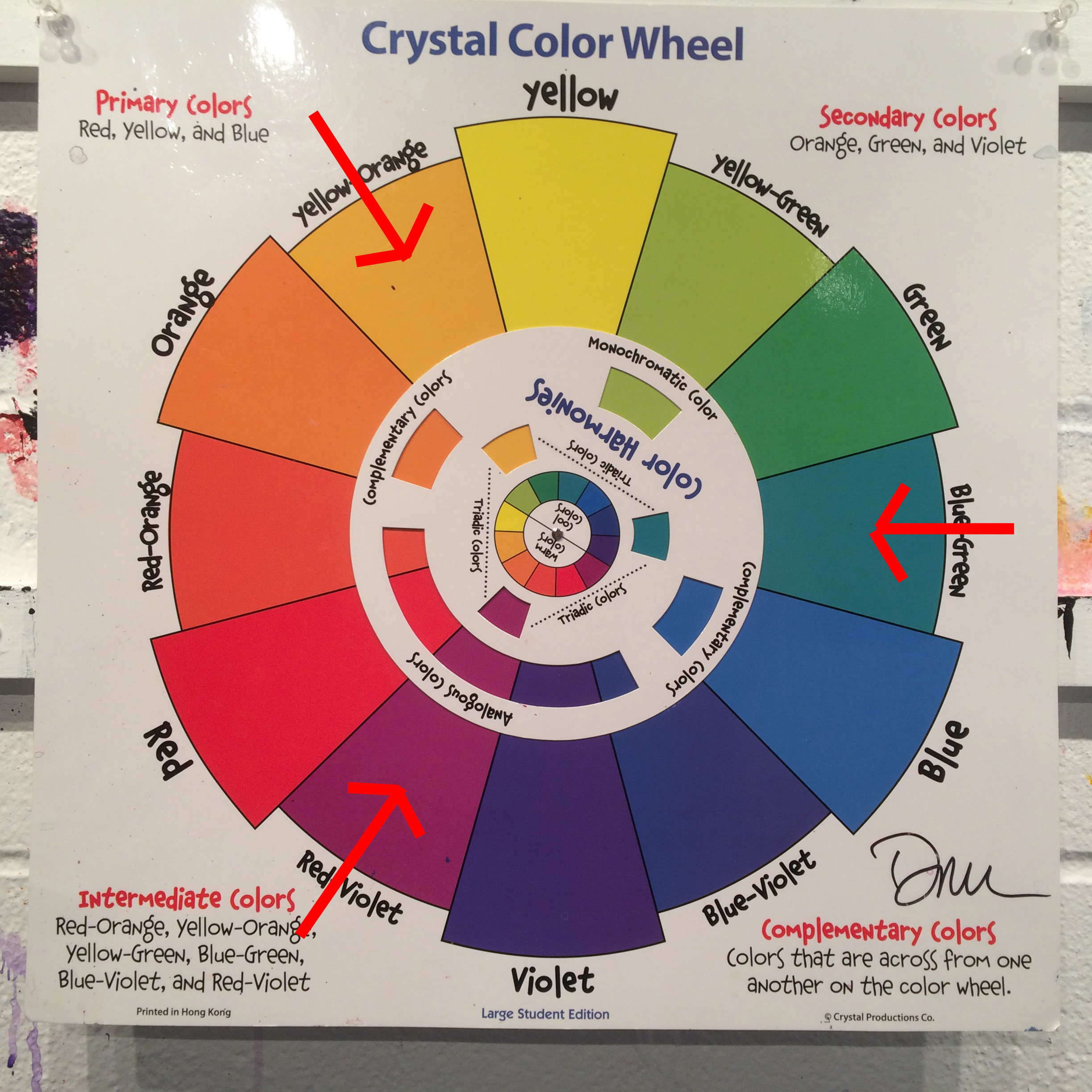
The color wheel is an indispensable tool for artists, designers, and anyone seeking to understand and utilize color effectively. It serves as a visual representation of color relationships, providing a framework for creating harmonious color palettes and exploring the vast possibilities of color combinations. This article delves into the intricacies of the color wheel, exploring its structure, principles, and applications in various creative fields.
Understanding the Color Wheel
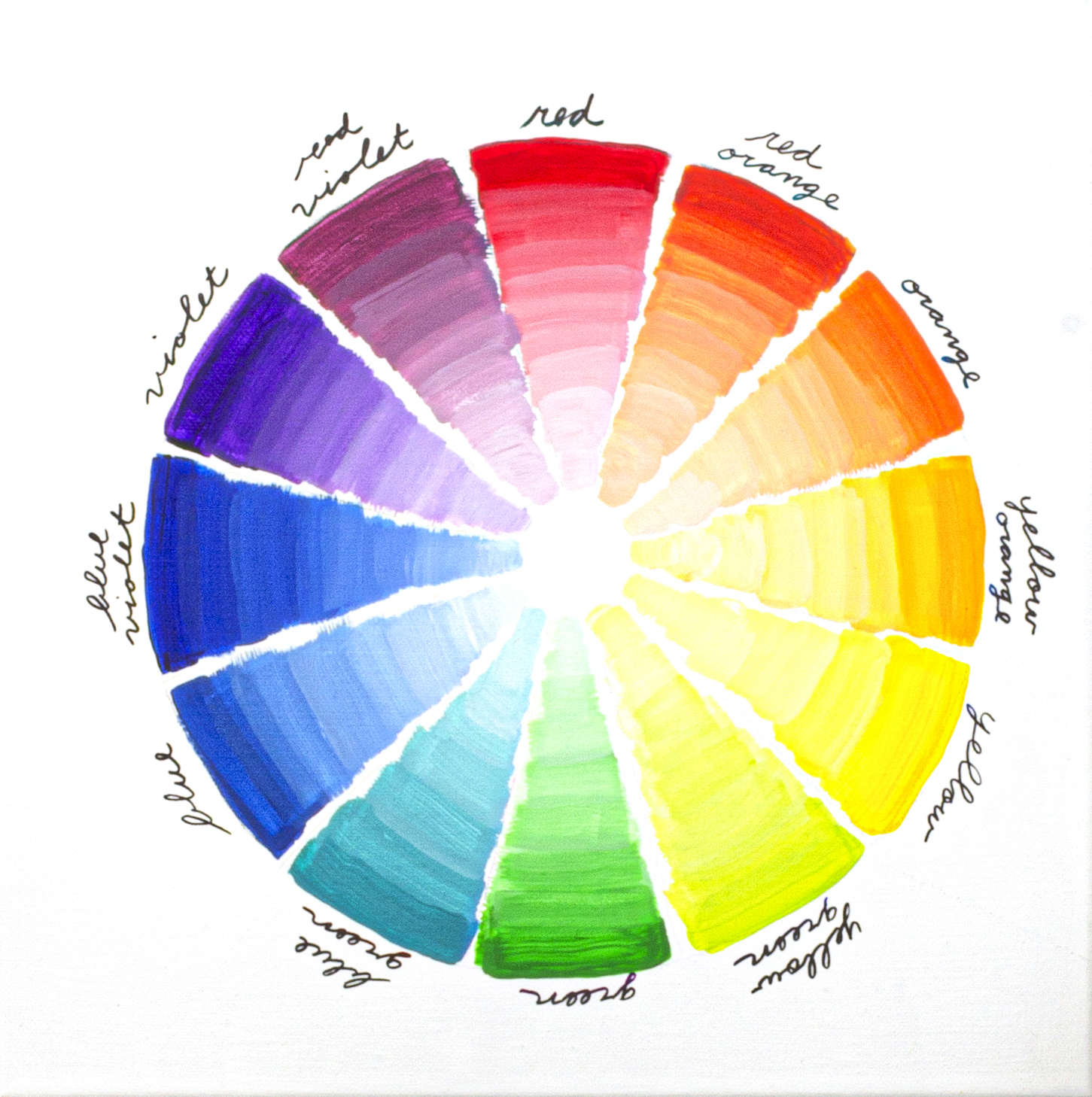
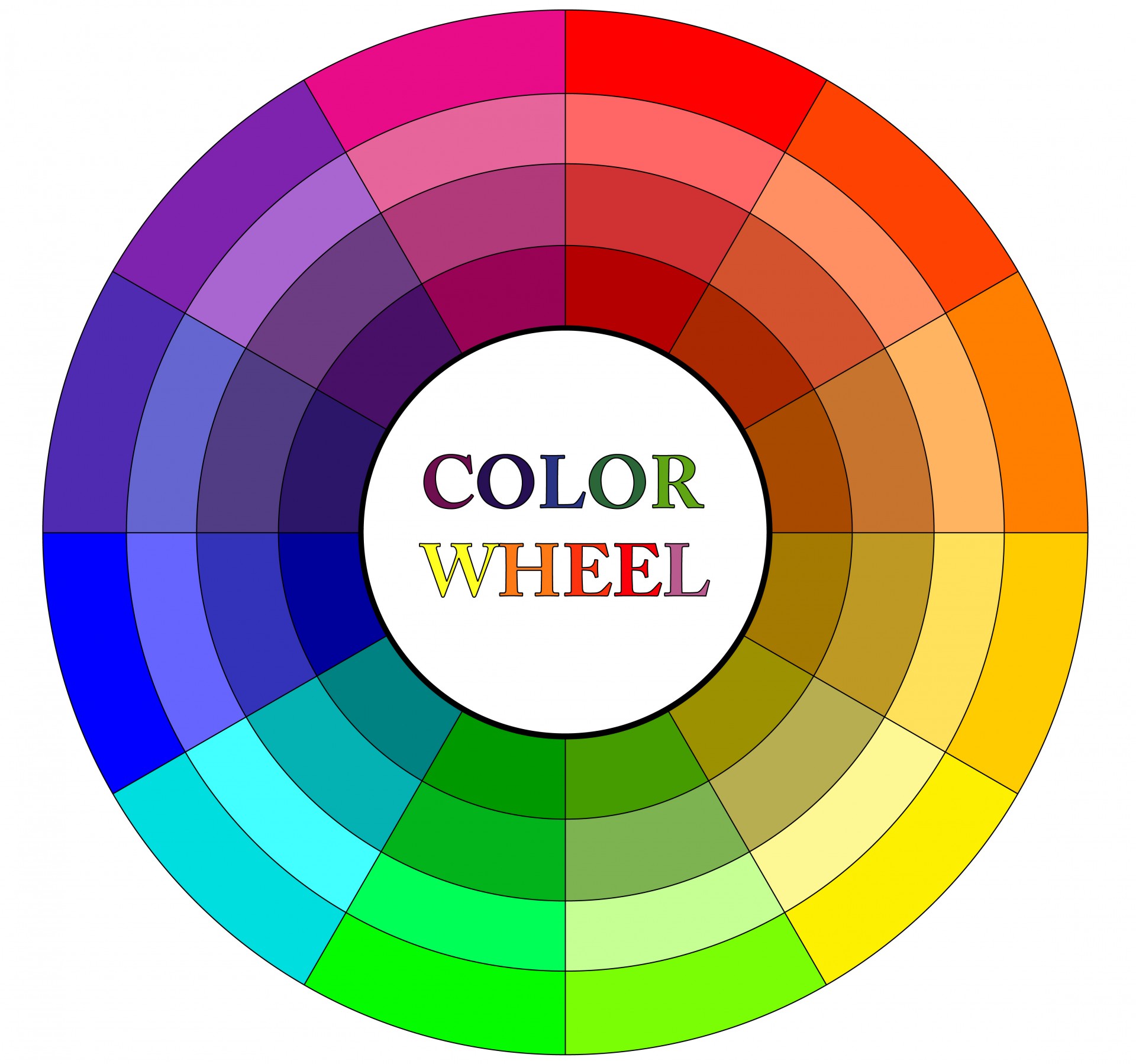
The color wheel is a circular diagram that arranges colors based on their hues and relationships. It is typically divided into three primary colors: red, yellow, and blue. These primary colors cannot be created by mixing other colors and form the foundation of the color wheel.
From the primary colors, secondary colors are derived by mixing two primary colors in equal proportions. These secondary colors are:
- Orange: Red + Yellow
- Green: Blue + Yellow
- Purple: Red + Blue
Tertiary colors, also known as intermediate colors, are formed by mixing a primary color with an adjacent secondary color. These tertiary colors introduce a wider range of hues, offering greater diversity in color palettes.
The Importance of Color Relationships
The color wheel highlights the inherent relationships between colors, enabling artists and designers to create harmonious and visually pleasing combinations. These relationships can be categorized as follows:
Analogous Colors: Analogous colors are located next to each other on the color wheel, creating a sense of unity and harmony. They often evoke a sense of calm and tranquility, making them suitable for backgrounds and subtle transitions.
Complementary Colors: Complementary colors are positioned directly opposite each other on the color wheel, creating high contrast and visual impact. They offer a strong sense of dynamism and energy, making them effective for attracting attention and creating focal points.
Triadic Colors: Triadic colors consist of three colors equally spaced on the color wheel, forming an equilateral triangle. This combination provides a balanced and vibrant palette, offering a sense of energy and visual interest.
Tetradic Colors: Tetradic colors involve four colors, creating a square or rectangle on the color wheel. This arrangement offers a complex and dynamic palette, requiring careful consideration to maintain balance and avoid visual chaos.
Split Complementary Colors: This combination uses one color and its two adjacent colors on the color wheel. It provides a variation on the complementary color scheme, offering a less intense contrast while still maintaining a sense of visual interest.
Monochromatic Colors: Monochromatic color schemes utilize variations of a single color, ranging from its lightest shade to its darkest tone. This approach creates a sense of unity and sophistication, offering a harmonious and elegant aesthetic.
Applications of the Color Wheel
The color wheel finds widespread application across various creative fields, influencing design choices and artistic expressions.
Visual Arts: Artists utilize the color wheel to create harmonious color palettes, explore color relationships, and achieve specific moods and atmospheres in their paintings, drawings, and sculptures.
Graphic Design: Designers rely on the color wheel to create visually appealing and impactful graphics, choosing colors that effectively communicate brand identity, evoke emotions, and guide user interaction.
Fashion: Fashion designers use the color wheel to create coordinated outfits, selecting colors that complement each other and enhance the overall aesthetic of their designs.
Interior Design: Interior designers leverage the color wheel to create inviting and functional spaces, choosing colors that influence mood, create a sense of balance, and enhance the overall ambiance.
Web Design: Web designers use the color wheel to create engaging and user-friendly websites, selecting colors that attract attention, improve readability, and enhance the overall visual experience.
Frequently Asked Questions about the Color Wheel
1. What is the difference between hue, saturation, and value?
- Hue: Hue refers to the pure color, as seen on the color wheel. It is the basic color attribute, such as red, blue, or green.
- Saturation: Saturation describes the intensity or purity of a color. A fully saturated color is vivid and bright, while a desaturated color is muted and dull.
- Value: Value refers to the lightness or darkness of a color. A high value color is light, while a low value color is dark.
2. How do I choose the right colors for my project?
Consider the purpose, audience, and desired mood of your project. Analyze the color wheel to identify color relationships that align with your goals. Explore different color schemes and experiment with different color combinations until you find the perfect palette for your project.
3. How can I use color to create a specific mood?
Colors evoke different emotions and associations. Warm colors like red, orange, and yellow are generally associated with energy, excitement, and warmth. Cool colors like blue, green, and purple are often linked to calmness, peace, and serenity. Consider the desired mood and select colors accordingly.
4. What are some tips for using color effectively?
- Use a limited color palette: Limiting the number of colors in your design can create a sense of unity and visual harmony.
- Create a focal point: Use a contrasting color to draw attention to a specific area or element in your design.
- Consider the background: The background color can significantly influence the perception of other colors in your design.
- Experiment with different color schemes: Don’t be afraid to explore different color combinations and find what works best for your project.
Conclusion
The color wheel is a powerful tool that empowers artists, designers, and anyone seeking to understand and utilize color effectively. By understanding the fundamental relationships between colors and exploring different color schemes, individuals can create visually appealing, harmonious, and impactful designs that communicate ideas, evoke emotions, and enhance the overall aesthetic of their creations. Through its comprehensive framework and versatile applications, the color wheel continues to be an indispensable resource for unlocking the full potential of color in various creative endeavors.




Closure
Thus, we hope this article has provided valuable insights into The Color Wheel: A Foundation for Color Harmony and Creativity. We hope you find this article informative and beneficial. See you in our next article!