The World Of Bulk Items: A Comprehensive Guide To Purchasing In Quantity
The World of Bulk Items: A Comprehensive Guide to Purchasing in Quantity
Related Articles: The World of Bulk Items: A Comprehensive Guide to Purchasing in Quantity
Introduction
In this auspicious occasion, we are delighted to delve into the intriguing topic related to The World of Bulk Items: A Comprehensive Guide to Purchasing in Quantity. Let’s weave interesting information and offer fresh perspectives to the readers.
Table of Content
The World of Bulk Items: A Comprehensive Guide to Purchasing in Quantity
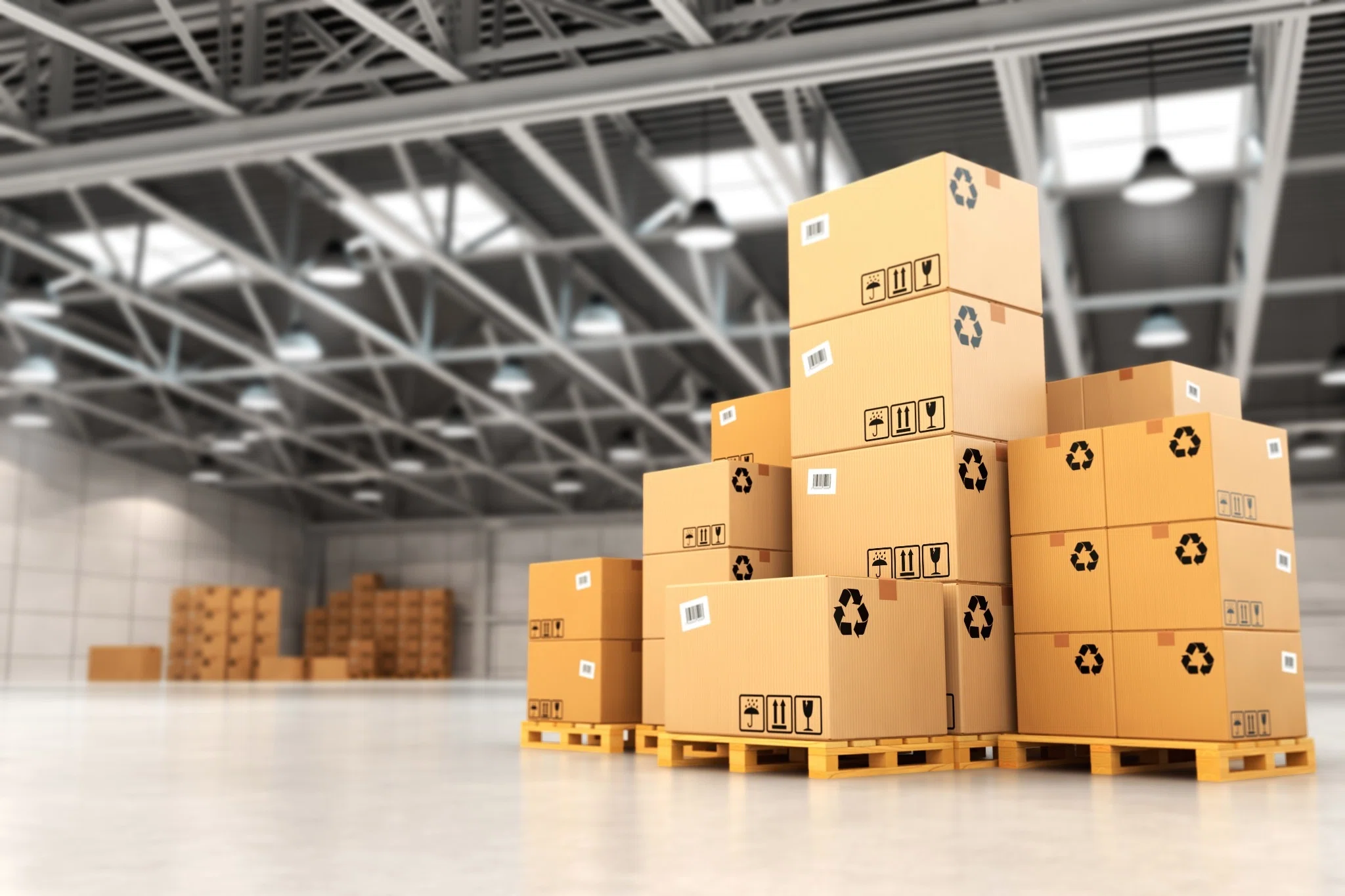
The act of purchasing items in bulk, often referred to as wholesale buying, transcends the simple act of acquiring more than one unit. It represents a strategic approach to procurement, offering a unique set of benefits and considerations for both individuals and businesses. This comprehensive guide explores the multifaceted world of bulk items, delving into its nuances, applications, and potential advantages.
Defining Bulk Items: Beyond the Quantity
While the term "bulk" inherently suggests a larger quantity, it’s crucial to understand that it encompasses more than just the sheer number of units. Bulk items typically involve purchasing goods in larger volumes than standard retail quantities, often directly from manufacturers, distributors, or wholesalers. This distinction is significant, as it influences factors like pricing, packaging, and delivery methods.
Understanding the Advantages of Bulk Purchases
The allure of bulk buying lies in its potential to deliver substantial cost savings and operational efficiencies. Here are some key advantages:
-
Cost Savings: The principle of economies of scale dictates that purchasing in larger volumes often translates to lower per-unit prices. This is particularly advantageous for businesses seeking to minimize their inventory costs or individuals stocking up on frequently used consumables.
-
Reduced Procurement Costs: Bulk purchases streamline the procurement process, minimizing the need for multiple orders and associated administrative overhead. This efficiency translates to reduced time and resources spent on sourcing and managing inventory.
-
Improved Inventory Control: By purchasing in bulk, businesses can create a stable inventory buffer, mitigating the risk of stockouts and ensuring uninterrupted operations. This approach also simplifies inventory management, allowing for better forecasting and planning.
-
Enhanced Product Availability: Bulk purchases guarantee access to a consistent supply of essential goods, especially crucial for businesses operating in industries with fluctuating demand or seasonal fluctuations.
Exploring the Diverse Landscape of Bulk Items
The scope of bulk items is vast and diverse, encompassing a wide range of products across various industries. Some common examples include:
-
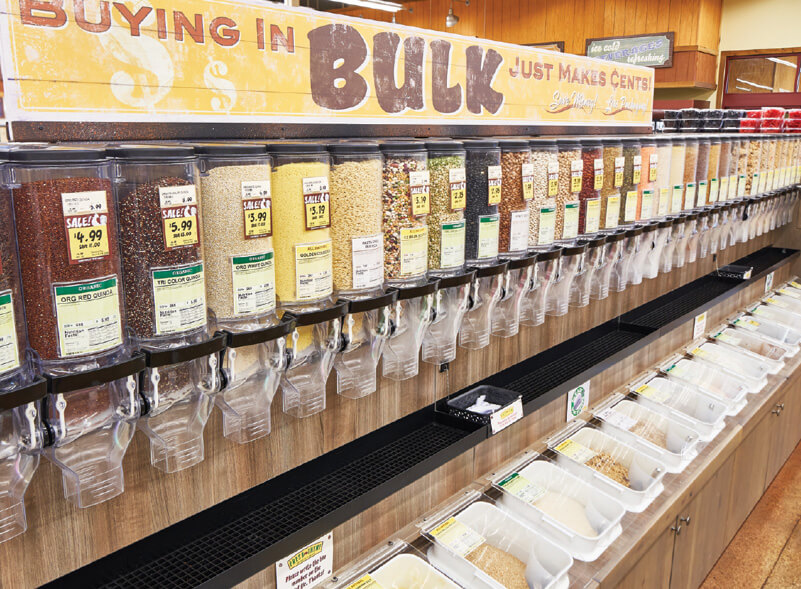
Food and Beverages: Groceries, snacks, beverages, and other food items are frequently purchased in bulk, particularly for households, restaurants, and catering services.
-
Office Supplies: Paper, stationery, printing cartridges, and other office essentials are often acquired in bulk to meet the demands of businesses and educational institutions.
-
Cleaning Supplies: Detergents, cleaning agents, and sanitation products are readily available in bulk, catering to the needs of commercial and residential cleaning services.
-
Construction Materials: Building supplies, such as lumber, bricks, cement, and insulation, are often purchased in bulk for large-scale construction projects.
-
Industrial Supplies: Machinery parts, tools, raw materials, and other industrial components are frequently sourced in bulk to support manufacturing operations.
-
Personal Care Products: Toiletries, cosmetics, and other personal care items are available in bulk, appealing to both individuals seeking value and businesses operating in the beauty and wellness sectors.
Navigating the Challenges of Bulk Purchases
While bulk buying offers numerous benefits, it’s essential to acknowledge potential challenges that require careful consideration:
-
Storage Space: Bulk purchases demand ample storage space to accommodate the larger quantities of goods. This factor can be particularly challenging for individuals with limited storage options.
-
Inventory Management: Managing larger inventories requires robust systems to track stock levels, monitor expiration dates, and optimize inventory turnover.
-
Transportation Costs: Shipping and handling costs for bulk items can be substantial, especially for large or heavy goods.
-
Quality Control: Ensuring the quality of bulk purchases is crucial, as defects or inconsistencies can impact the overall value and usability of the goods.
-
Financial Commitment: Bulk purchases often require a significant upfront investment, which may not be feasible for all individuals or businesses.
FAQs: Addressing Common Concerns about Bulk Items
1. Where can I find bulk items for sale?
Bulk items are readily available through various channels, including:
-
Wholesale Distributors: These companies specialize in supplying goods in bulk quantities to businesses and individuals.
-
Manufacturer Websites: Some manufacturers offer direct sales of their products in bulk quantities, often with competitive pricing.
-
Online Marketplaces: Platforms like Amazon and Alibaba host a vast selection of bulk items, connecting buyers and sellers across various industries.
2. Are bulk items always cheaper than retail purchases?
While bulk purchases typically offer lower per-unit prices, it’s essential to consider factors like storage costs, transportation expenses, and potential waste due to product expiration or obsolescence.
3. What are the best ways to store bulk items?
Storing bulk items effectively requires a combination of proper storage containers, appropriate environmental conditions, and organized inventory management. Consider factors like moisture control, temperature regulation, and pest prevention.
4. How can I ensure the quality of bulk items?
Thoroughly research suppliers, check product specifications, and request samples before committing to a large purchase. Consider certifications and industry standards to gauge product quality.
5. What are the risks associated with purchasing bulk items?
Potential risks include:
-
Product Damage: Handling and storage can lead to damage or deterioration of bulk items.
-
Inventory Obsolescence: Products with limited shelf lives or changing demand can lead to inventory obsolescence.
-
Financial Risk: Large upfront investments may strain cash flow, especially for small businesses or individuals.
Tips for Successful Bulk Purchasing
-
Plan your needs carefully: Assess your actual consumption and storage capacity before committing to large quantities.
-
Compare prices and suppliers: Research multiple sources to find the best deals and ensure product quality.
-
Consider transportation costs: Factor in shipping and handling expenses when calculating the overall cost of bulk purchases.
-
Implement inventory management systems: Use inventory tracking software or spreadsheets to manage stock levels and prevent overstocking.
-
Be prepared for potential waste: Consider product expiration dates and potential for unused inventory.
Conclusion: Embracing the Power of Bulk Purchases
Purchasing items in bulk can be a strategic advantage for businesses and individuals seeking cost savings, operational efficiency, and consistent product availability. However, it’s crucial to carefully assess your needs, evaluate potential risks, and implement effective strategies for storage, inventory management, and quality control. By navigating the complexities of bulk buying, you can unlock its potential to optimize your purchasing practices and achieve your desired outcomes.

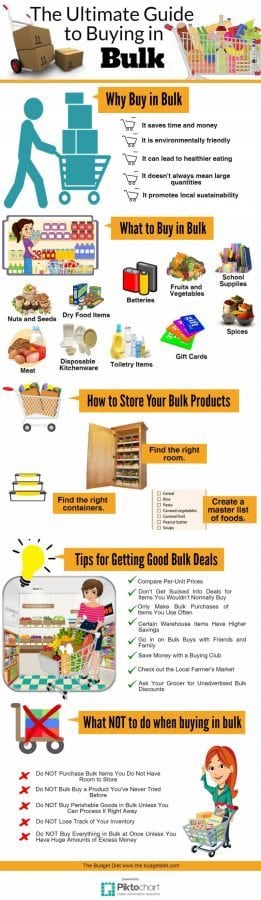
![Bulking Up - Bulk Buying [INFOGRAPHIC] [INFOGRAPHIC] - Infographic Plaza](http://infographicplaza.com/wp-content/uploads/buying-in-bulk-infographic.jpg)
![Bulk shipping and bulk shipment: The best guide [2022]](https://www.container-xchange.com/wp-content/uploads/2022/09/BB4-1.png)

Closure
Thus, we hope this article has provided valuable insights into The World of Bulk Items: A Comprehensive Guide to Purchasing in Quantity. We appreciate your attention to our article. See you in our next article!