Transforming Trash Into Treasure: A Guide To Repurposing Household Scraps
Transforming Trash into Treasure: A Guide to Repurposing Household Scraps
Related Articles: Transforming Trash into Treasure: A Guide to Repurposing Household Scraps
Introduction
With enthusiasm, let’s navigate through the intriguing topic related to Transforming Trash into Treasure: A Guide to Repurposing Household Scraps. Let’s weave interesting information and offer fresh perspectives to the readers.
Table of Content
Transforming Trash into Treasure: A Guide to Repurposing Household Scraps
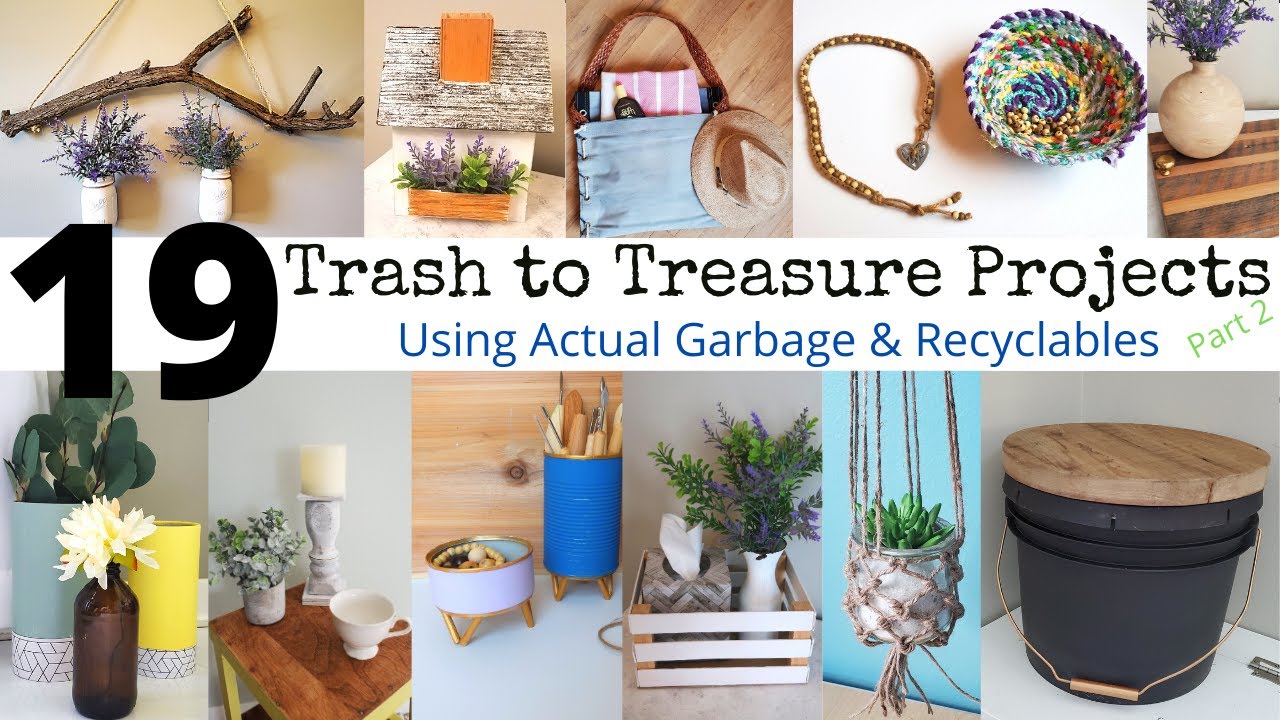
In an era characterized by rampant consumerism and its associated waste, repurposing household scraps emerges as a critical strategy for environmental sustainability and resource conservation. By transforming discarded materials into functional and aesthetically pleasing items, individuals can reduce their ecological footprint, minimize landfill contributions, and cultivate a more mindful approach to consumption.
This article offers a comprehensive exploration of practical and creative methods for repurposing household scraps, highlighting the benefits and offering detailed guidance for implementation.
Understanding the Value of Repurposing
Repurposing goes beyond simply recycling. While recycling involves transforming materials into new products, repurposing focuses on utilizing existing materials in their original form or with minimal modification. This approach minimizes energy consumption and environmental impact associated with manufacturing new products.
Beyond its environmental benefits, repurposing promotes creativity and ingenuity. It encourages individuals to view discarded materials not as waste, but as potential resources for artistic expression and functional innovation.
Repurposing Categories: A Comprehensive Overview
Repurposing household scraps encompasses a wide range of materials, each presenting unique possibilities for transformation. This section explores common categories and their associated repurposing techniques:
1. Paper and Cardboard
- Paper Crafts: Envelopes, newspapers, magazines, and cardboard boxes can be repurposed into decorative crafts like origami, paper flowers, and decoupage projects.
- Gift Wrapping: Utilize old newspapers, magazines, or brown paper bags as eco-friendly alternatives to traditional wrapping paper.
- Storage Solutions: Cardboard boxes can be transformed into organizers, storage containers, and even furniture pieces like shelves and ottomans.
- Art Supplies: Paper scraps can be used for creating collages, mixed media art, and paper mache projects.
- Composting: Shredded paper and cardboard can be added to compost bins to improve soil aeration and moisture retention.
2. Glass and Bottles
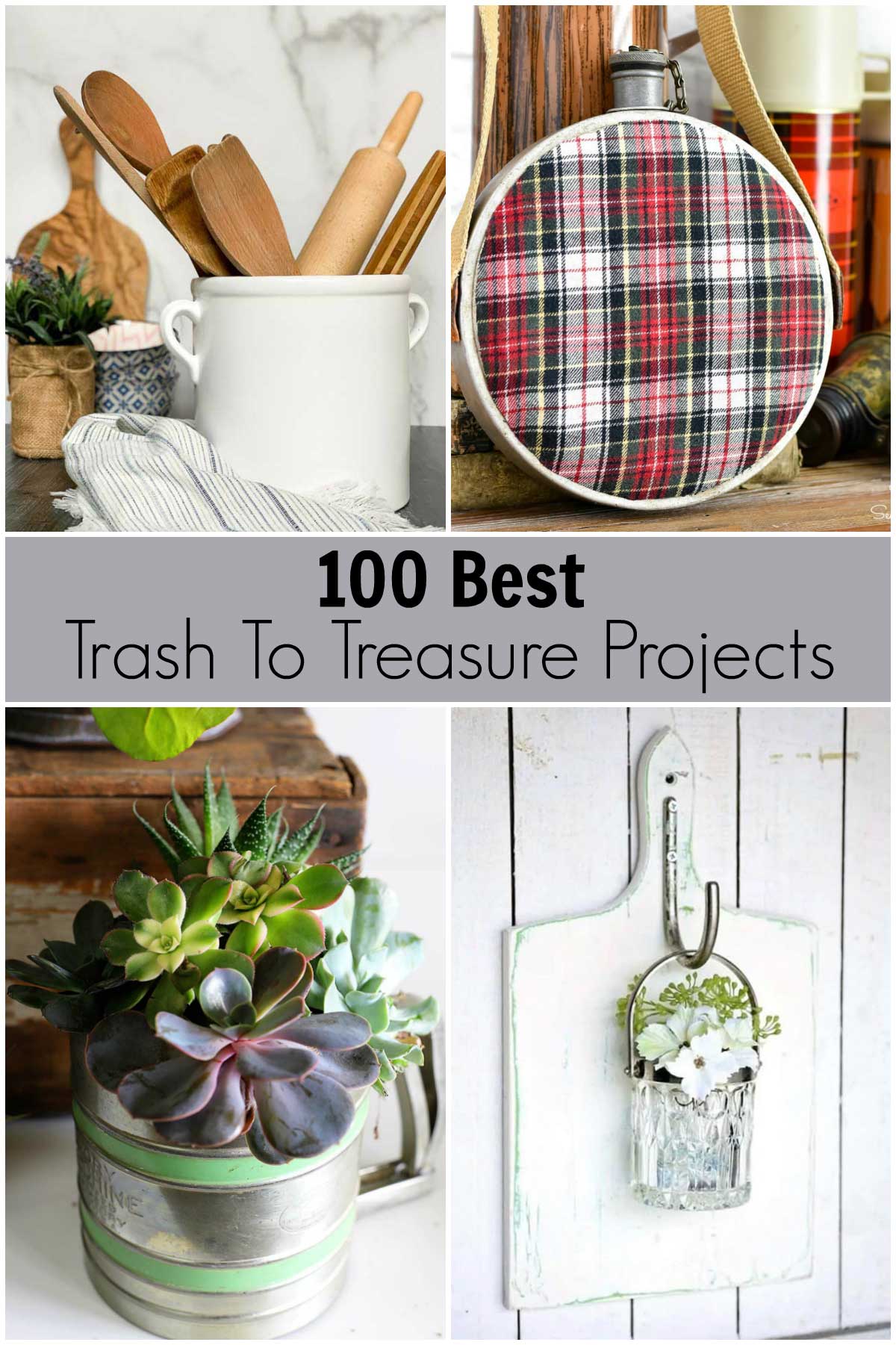
- Decorative Elements: Glass jars, bottles, and wine glasses can be repurposed into vases, candle holders, and decorative accents for the home.
- Storage Containers: Clean glass jars are ideal for storing food, spices, and other household items.
- Terrariums: Repurposed glass containers can be used to create miniature ecosystems, adding a touch of nature to indoor spaces.
- Mosaics: Broken pieces of glass can be used to create beautiful mosaics on walls, floors, and furniture.
- DIY Projects: Glass bottles can be transformed into wind chimes, lamps, and even drinking glasses.
3. Textiles and Fabrics
- Sewing Projects: Old t-shirts, curtains, and bedsheets can be repurposed into new clothing items, bags, and other accessories.
- Quilting and Patchwork: Fabric scraps can be used to create beautiful quilts, patchwork blankets, and other textile art.
- Cleaning Cloths: Old towels and t-shirts can be cut into cleaning cloths for various household tasks.
- Decorative Pillows: Fabric scraps can be used to create unique and colorful pillow covers.
- Rug Making: Old clothing and fabric scraps can be braided or crocheted into colorful rugs.
4. Plastic and Metal
- Plastic Containers: Plastic containers can be repurposed for storing food, organizing small items, and creating DIY planters.
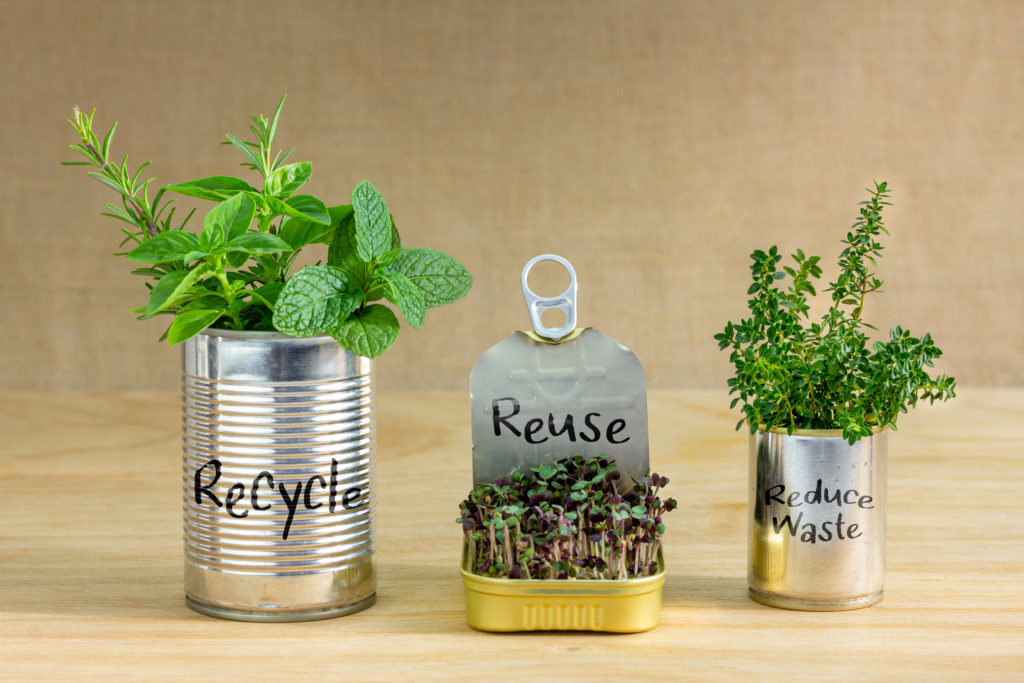
- Metal Cans: Clean metal cans can be transformed into pencil holders, planters, and even storage containers.
- Metal Bottle Caps: Bottle caps can be used for creating mosaics, jewelry, and other craft projects.
- Metal Wire: Wire hangers and other metal scraps can be repurposed into decorative items, sculptures, and even functional tools.
- Recycling: While some plastics and metals are recyclable, it’s important to check local recycling guidelines for specific types of materials.
5. Food Scraps and Yard Waste
- Composting: Food scraps, coffee grounds, and yard waste can be composted to create nutrient-rich soil amendments for gardens and houseplants.
- Worm Castings: Composting with worms produces valuable worm castings, an excellent fertilizer for plants.
- Animal Feed: Some food scraps, like vegetable peels and fruit cores, can be used as animal feed for chickens, pigs, and other livestock.
- Fermentation: Food scraps like cabbage and cucumbers can be fermented into sauerkraut and pickles, respectively.
- Broth and Stock: Vegetable scraps can be used to create flavorful broth and stock for soups and stews.
Repurposing Techniques: A Practical Guide
The following techniques offer specific examples of how to repurpose household scraps into functional and aesthetically pleasing items:
1. Upcycling: This technique involves transforming discarded materials into products of higher value or perceived quality. For instance, old jeans can be upcycled into tote bags, wallets, or even stylish jackets.
2. Repurposing with Paint and Decoration: Adding paint, fabric, or other decorative elements can transform ordinary objects into unique and personalized items. For example, a plain glass jar can be painted and decorated to become a beautiful vase or candle holder.
3. Creative Modifications: Repurposing often involves altering the original form of a discarded material. This can include cutting, shaping, or combining different materials to create something new. For instance, an old wooden pallet can be disassembled and used to build a small table or shelf.
4. Reuse and Repair: Sometimes, repurposing simply involves finding a new use for an existing object. This can include repairing damaged items or adapting them for a different purpose. For example, a broken chair can be repaired and repainted to extend its lifespan.
5. DIY Projects: Numerous online resources and tutorials offer step-by-step instructions for creating a wide range of repurposed items, from simple crafts to complex furniture pieces. These resources provide inspiration and guidance for individuals of all skill levels.
FAQs: Addressing Common Concerns
1. What are the best ways to clean and sanitize repurposed materials?
- Glass and Metal: Wash thoroughly with soap and water, and sterilize with boiling water or a bleach solution.
- Plastic: Wash with soap and water, and avoid using harsh chemicals or high heat.
- Textiles: Wash in hot water with detergent and bleach to eliminate bacteria and odors.
- Paper and Cardboard: Clean with a damp cloth and allow to dry completely.
2. How can I find inspiration for repurposing projects?
- Online Resources: Websites and social media platforms offer a wealth of inspiration and tutorials for repurposing household scraps.
- Craft Stores and Flea Markets: Visit craft stores and flea markets to browse for repurposed items and gather ideas for your own projects.
- Upcycling Communities: Join online forums and communities dedicated to upcycling and repurposing for shared inspiration and project ideas.
3. What are the safety considerations when repurposing household scraps?
- Sharp Edges: Be careful when handling sharp objects like glass or metal scraps. Use protective gloves and safety glasses when necessary.
- Toxic Materials: Avoid using materials that may contain toxic substances, such as lead paint or asbestos.
- Fire Hazards: Be aware of potential fire hazards when working with flammable materials like paint or glue.
- Proper Ventilation: Ensure adequate ventilation when using paints, glues, or other materials that release fumes.
Tips for Successful Repurposing
- Start Small: Begin with simple projects and gradually progress to more complex ones.
- Plan Ahead: Consider the purpose and functionality of your project before starting.
- Gather Supplies: Ensure you have the necessary tools and materials before embarking on a project.
- Experiment and Have Fun: Don’t be afraid to experiment with different materials and techniques.
- Embrace Imperfection: Repurposed items may not be perfect, but their imperfections can add character and uniqueness.
Conclusion: Embracing a Sustainable Future
Repurposing household scraps presents a powerful opportunity to minimize waste, conserve resources, and foster a more sustainable lifestyle. By embracing creativity, ingenuity, and a mindful approach to consumption, individuals can transform discarded materials into functional and aesthetically pleasing items, contributing to a healthier planet and a more sustainable future.
The benefits of repurposing extend beyond environmental protection. It fosters a sense of community, promotes resourcefulness, and cultivates a deeper appreciation for the value of materials, both old and new. As we strive to build a more sustainable future, repurposing household scraps emerges as a simple yet impactful action that can make a real difference.




Closure
Thus, we hope this article has provided valuable insights into Transforming Trash into Treasure: A Guide to Repurposing Household Scraps. We hope you find this article informative and beneficial. See you in our next article!