Unveiling the Secrets of Electromagnetic Waves: A Journey of Exploration

Introduction

In this auspicious occasion, we are delighted to delve into the intriguing topic related to Unveiling the Secrets of Electromagnetic Waves: A Journey of Exploration. Let’s weave interesting information and offer fresh perspectives to the readers.

Unveiling the Secrets of Electromagnetic Waves: A Journey of Exploration

Mastering the Science Behind Electromagnetic Waves: Unveiling the Secrets of Electromagnetic

Electromagnetic (EM) waves, ubiquitous in our modern world, are a fascinating phenomenon that underpins numerous technologies and influences our daily lives in profound ways. From the light we see to the radio waves that connect us, EM waves permeate our existence, carrying information and energy across vast distances. Understanding their nature and behavior is crucial for unlocking their potential and harnessing their power for advancements in various fields.

Exploring the Nature of Electromagnetic Waves

EM waves are a form of energy that propagates through space as oscillating electric and magnetic fields. These fields are perpendicular to each other and to the direction of wave propagation, forming a self-sustaining wave that travels at the speed of light. The frequency of the wave, which determines the energy it carries, dictates its classification within the electromagnetic spectrum.

The Electromagnetic Spectrum: A Diverse Range of Waves

The electromagnetic spectrum encompasses a vast range of frequencies, each with unique characteristics and applications. From the low-frequency radio waves used for communication to the high-energy gamma rays employed in medical imaging, the spectrum offers a diverse palette of tools for scientific exploration and technological innovation.

Radio Waves: The Backbone of Communication

Radio waves, the longest wavelength EM waves, are the foundation of wireless communication. They are used for broadcasting, mobile phone networks, satellite communication, and radar systems. Their long wavelengths allow them to travel long distances and penetrate obstacles, making them ideal for communication across vast areas.

Microwaves: Heating and Communication

Microwaves, with wavelengths ranging from millimeters to meters, are used for heating food in microwave ovens and for transmitting data in satellite communication and Wi-Fi networks. Their ability to penetrate food and heat water molecules makes them effective for cooking, while their high frequency allows for high bandwidth communication.

Infrared Radiation: Heat and Sensing

Infrared radiation, with wavelengths longer than visible light, is associated with heat. It is used in night vision devices, thermal imaging, and remote sensing applications. Infrared radiation is emitted by all objects with a temperature above absolute zero, making it a valuable tool for detecting and analyzing heat signatures.

Visible Light: The Spectrum of Colors

Visible light, the narrow band of the electromagnetic spectrum that our eyes can perceive, is responsible for our perception of color. It is crucial for photosynthesis, photography, and visual communication. The different colors within the visible spectrum correspond to different wavelengths, with red having the longest and violet the shortest.

Ultraviolet Radiation: Energy and Health

Ultraviolet (UV) radiation, with wavelengths shorter than visible light, carries more energy and can be harmful to living organisms. It is responsible for sunburns and skin cancer, but it also plays a role in vitamin D production and is used in sterilization and disinfection processes.

X-rays: Imaging and Medical Applications

X-rays, with even shorter wavelengths than UV radiation, have high penetrating power and are used in medical imaging, airport security, and industrial inspection. Their ability to pass through soft tissues but be absorbed by bones allows them to provide detailed images of internal structures.

Gamma Rays: High Energy and Medical Applications

Gamma rays, the highest energy EM waves, are produced by radioactive decay and nuclear reactions. They have the highest penetrating power and are used in medical treatment, sterilization, and industrial applications. Gamma rays are also used in astronomy to study distant objects and celestial events.

Activity: Exploring the Electromagnetic Spectrum

To gain a deeper understanding of the electromagnetic spectrum and the diverse applications of EM waves, engage in the following activity:

Materials:

  • A radio
  • A microwave oven
  • A thermometer
  • A flashlight
  • A UV lamp (optional)
  • A Geiger counter (optional)

Procedure:

  1. Radio Waves: Tune a radio to different stations and observe the varying frequencies and wavelengths of the radio waves used for broadcasting.
  2. Microwaves: Place a cup of water in a microwave oven and observe the heating effect of microwaves on water molecules.
  3. Infrared Radiation: Use a thermometer to measure the temperature of different objects, such as a light bulb, a computer, or a window.
  4. Visible Light: Shine a flashlight on different objects and observe the reflection and absorption of light.
  5. Ultraviolet Radiation: If available, use a UV lamp to observe the fluorescence of certain materials.
  6. X-rays: If available, use a Geiger counter to detect the presence of X-rays.
  7. Gamma Rays: If available, use a Geiger counter to detect the presence of gamma rays from a radioactive source.

Observations and Analysis:

  • Note the different frequencies and wavelengths of the EM waves used in each activity.
  • Observe the effects of the waves on different materials and objects.
  • Research the applications of each type of EM wave in various fields.
  • Discuss the potential benefits and risks associated with each type of EM wave.

Benefits and Importance of Understanding Electromagnetic Waves

Understanding the nature and behavior of EM waves is crucial for advancing technology, improving healthcare, and enhancing our understanding of the universe.

Technological Advancements:

  • Communication: EM waves are the foundation of wireless communication, enabling us to connect with people and devices across the globe.
  • Navigation: GPS systems rely on radio waves to pinpoint our location and guide us.
  • Imaging: X-rays and MRI scans provide detailed images of internal structures, revolutionizing medical diagnosis and treatment.
  • Remote Sensing: Satellites use various EM waves to monitor Earth’s environment, weather patterns, and natural resources.

Healthcare and Medicine:

  • Medical Imaging: X-rays, CT scans, and MRI scans allow doctors to diagnose and treat diseases more effectively.
  • Cancer Treatment: Radiation therapy uses gamma rays to target and destroy cancerous cells.
  • Sterilization: UV radiation is used to sterilize medical equipment and prevent infections.

Scientific Exploration:

  • Astronomy: EM waves from distant stars and galaxies provide valuable information about the universe’s composition, age, and evolution.
  • Materials Science: EM waves are used to study the properties of materials at the atomic and molecular level.

FAQs about Electromagnetic Waves:

Q: Are electromagnetic waves dangerous?

A: Some types of EM waves, such as ultraviolet radiation and gamma rays, can be harmful to living organisms. However, the amount of exposure and the type of radiation determine the level of risk.

Q: How are electromagnetic waves used in everyday life?

A: EM waves are used in numerous everyday applications, including communication, heating, lighting, and medical imaging.

Q: What are the different types of electromagnetic waves?

A: The electromagnetic spectrum encompasses a wide range of waves, including radio waves, microwaves, infrared radiation, visible light, ultraviolet radiation, X-rays, and gamma rays.

Q: How do electromagnetic waves travel through space?

A: EM waves travel through space as oscillating electric and magnetic fields that are perpendicular to each other and to the direction of wave propagation.

Q: What is the speed of light?

A: The speed of light in a vacuum is approximately 299,792,458 meters per second.

Tips for Further Exploration:

  • Research the history of electromagnetic wave discovery and the scientists who made significant contributions.
  • Explore the applications of EM waves in different fields, such as telecommunications, astronomy, and medicine.
  • Participate in workshops or science fairs that focus on electromagnetic waves and their applications.
  • Build your own radio antenna or experiment with different types of EM waves using readily available materials.

Conclusion

Electromagnetic waves are a fundamental force in our universe, shaping our technology, influencing our health, and expanding our understanding of the cosmos. By delving into the fascinating world of EM waves, we unlock a wealth of knowledge and potential, paving the way for advancements in various fields and a deeper appreciation of the intricate workings of our world.

Unveiling the Wonders of Electromagnetic Waves: A Comprehensive Guide Wepik Unveiling The Invisible A Comprehensive Exploration of Electromagnetic Waves Unveiling the Enigmatic Influence of Electromagnetic Waves: The Secret Power of EM Waves
Unveiling the Mysteries of Electromagnetic Waves  Investigating The Universe - YouTube History of electromagnetic wave’s discovery Unveiling Electromagnetic Waves: Heinrich Hertz’s Ingenious Journey
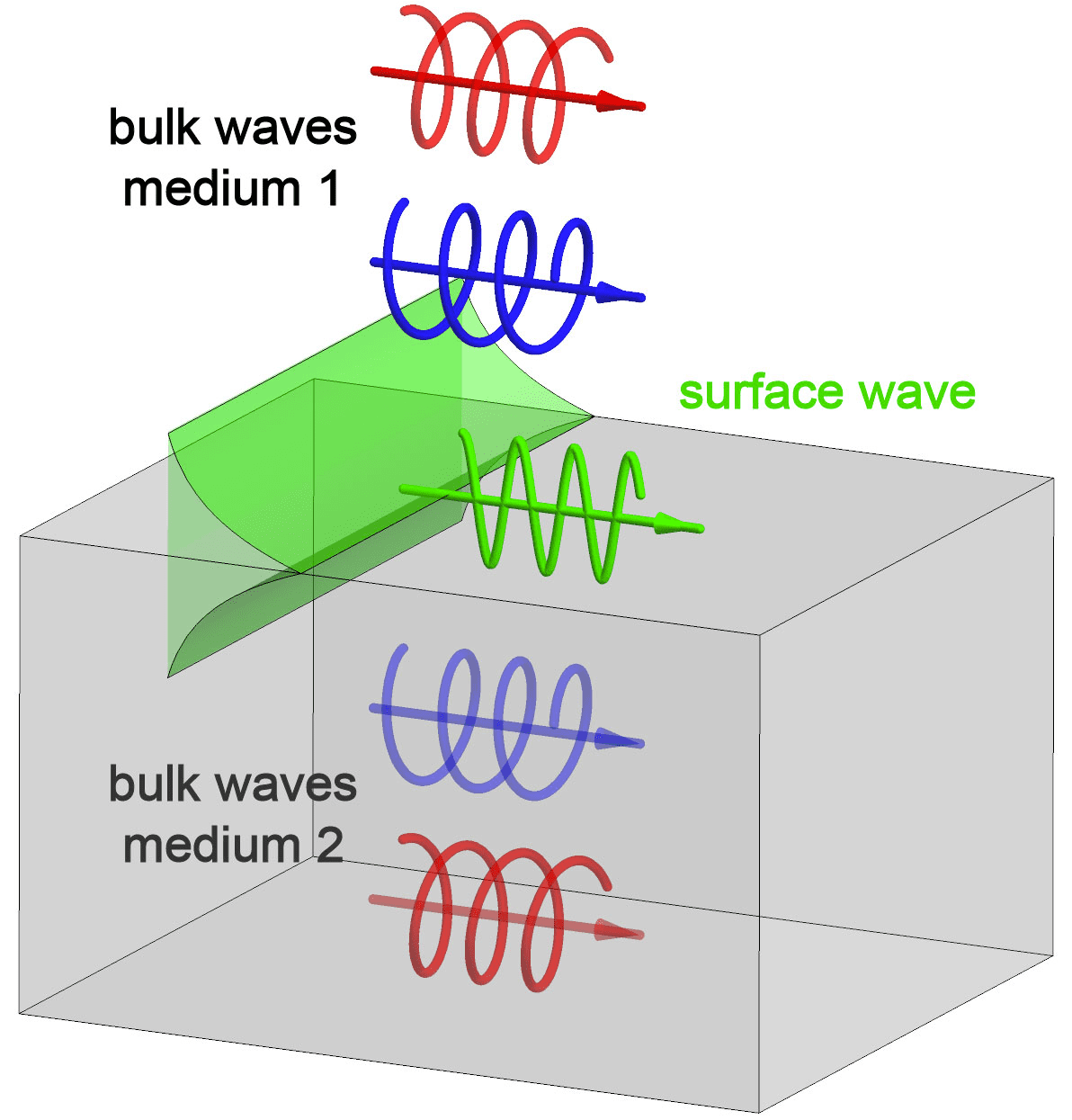
Christian Huygens: Unveiling the Secrets of Wave Propagation - Masketer Unveiling the topological nature of electromagnetic surface waves – Physics World

Closure

Thus, we hope this article has provided valuable insights into Unveiling the Secrets of Electromagnetic Waves: A Journey of Exploration. We appreciate your attention to our article. See you in our next article!


Mastering the Art of Order: A Comprehensive Guide to the Best Organization Tools and Techniques

Introduction

With enthusiasm, let’s navigate through the intriguing topic related to Mastering the Art of Order: A Comprehensive Guide to the Best Organization Tools and Techniques. Let’s weave interesting information and offer fresh perspectives to the readers.

Mastering the Art of Order: A Comprehensive Guide to the Best Organization Tools and Techniques

Documented processes don't just save you time, money, and give a consistent method for your team

In today’s fast-paced world, where information flows constantly and demands on our time are ever-increasing, the ability to organize effectively is paramount. A well-organized environment, be it a home, office, or digital workspace, fosters clarity, reduces stress, and enhances productivity. This guide delves into the best tools and techniques to help you master the art of order, transforming chaos into a space that supports your goals and aspirations.

Understanding the Importance of Organization

The benefits of a well-organized environment extend far beyond mere aesthetics. A structured space promotes:

  • Reduced Stress and Anxiety: Clutter and disarray can contribute to feelings of overwhelm and anxiety. A clean and organized environment fosters a sense of calm and control, reducing mental fatigue.
  • Enhanced Productivity: When you know where everything is, you can focus on tasks instead of searching for misplaced items. This translates into increased efficiency and productivity.
  • Improved Decision-Making: A clear and organized environment allows for better information processing and decision-making. You can access relevant information quickly, leading to more informed choices.
  • Increased Creativity: A clutter-free space allows for mental clarity and focus, enabling the mind to wander and explore creative possibilities.
  • Enhanced Time Management: Organization allows you to prioritize tasks, allocate time effectively, and avoid unnecessary delays.

Best Items for Organization: A Comprehensive Overview

The best items for organization are not simply about acquiring the latest gadgets or trendy storage solutions. It’s about understanding your needs, identifying areas for improvement, and implementing solutions that align with your specific lifestyle and preferences. Here’s a comprehensive look at the best items for organization across various aspects of life:

1. Home Organization

  • Storage Solutions:
    • Shelving Units: Modular shelving systems offer customizable storage solutions for books, decorative items, and more. They can be adjusted to fit different spaces and needs.
    • Drawer Organizers: Dividers, trays, and boxes within drawers help maximize space and keep items separated.
    • Under-Bed Storage: Utilize the space under beds with rolling bins or lift-up storage platforms.
    • Wall-Mounted Storage: Utilize vertical space with shelves, hooks, and pegboards for maximizing storage without taking up floor space.
  • Decluttering Tools:
    • Storage Bins: Clear, labeled bins facilitate easy identification and access to items.
    • Labels and Tags: Clear labeling helps identify and categorize items, making it easy to find what you need.
    • Donation Boxes: Designate specific boxes for items to be donated, making the decluttering process more efficient.
  • Kitchen Organization:
    • Spice Racks: Keep spices organized and easily accessible with tiered racks or drawer organizers.
    • Pantry Organizers: Utilize stackable shelves, turntables, and pull-out drawers for efficient pantry organization.
    • Refrigerator Organizers: Bins, drawers, and shelves help separate food items and prevent spills.
  • Bathroom Organization:
    • Shower Caddies: Keep toiletries organized and within reach with shower caddies that hang over the showerhead or attach to the wall.
    • Vanity Organizers: Utilize drawers, trays, and organizers to keep makeup, skincare products, and other items tidy.
    • Towel Racks and Hooks: Optimize towel storage with wall-mounted racks or hooks.

2. Office Organization

  • Desk Accessories:
    • Desk Organizers: Utilize trays, baskets, and file holders to separate and organize paperwork, stationery, and other essentials.
    • Cable Management Systems: Keep cords and wires organized and tangle-free with cable ties, clips, and organizers.
    • Document Trays: Use trays to separate incoming and outgoing documents, keeping your desk organized and efficient.
  • File Management:
    • File Folders: Label and organize files using a color-coding system or alphabetical order for easy retrieval.
    • File Cabinets: Invest in a sturdy file cabinet with drawers to store important documents and files securely.
    • Digital File Management: Utilize cloud storage services or file management software to organize digital documents, photos, and other files.
  • Time Management Tools:
    • Calendars and Planners: Use physical or digital calendars to schedule appointments, deadlines, and tasks.
    • To-Do Lists: Create to-do lists to prioritize tasks and track progress.
    • Time-Tracking Apps: Use apps to monitor time spent on tasks and identify areas for improvement.
  • Workspace Design:
    • Ergonomic Furniture: Invest in a comfortable and adjustable chair, desk, and monitor to promote good posture and reduce fatigue.
    • Lighting: Ensure adequate lighting to reduce eye strain and enhance focus.
    • Noise Reduction: Use noise-canceling headphones or create a quiet workspace to minimize distractions.

3. Digital Organization

  • Email Management:
    • Email Filters and Rules: Set up filters and rules to automatically sort incoming emails into designated folders, reducing clutter in your inbox.
    • Email Clients with Features: Utilize email clients that offer features like task management, calendar integration, and notes to streamline communication and organization.
    • Email Archiving: Archive old emails to free up space in your inbox and make it easier to find relevant information.
  • File Management:
    • Cloud Storage: Utilize cloud storage services like Dropbox, Google Drive, or iCloud to store and access files from multiple devices.
    • File Naming Conventions: Implement a consistent file naming system to make it easier to locate and organize files.
    • Folder Structure: Create a clear and logical folder structure to organize files based on categories, projects, or other criteria.
  • Password Management:
    • Password Managers: Use password managers to securely store and manage all your passwords, eliminating the need to remember them all.
    • Two-Factor Authentication: Enable two-factor authentication for sensitive accounts to add an extra layer of security.
  • Social Media Management:
    • Social Media Schedulers: Use scheduling tools to schedule posts in advance, saving time and ensuring consistent content delivery.
    • Social Media Management Platforms: Utilize platforms that allow you to manage multiple social media accounts from a single dashboard.

4. Personal Organization

  • Time Management:
    • Daily Planners: Use a daily planner to track appointments, deadlines, and tasks.
    • Time Blocking: Allocate specific blocks of time for different activities, ensuring efficient use of your time.
    • Prioritization Techniques: Use methods like the Eisenhower Matrix or the Pareto Principle to prioritize tasks based on importance and urgency.
  • Goal Setting:
    • Goal-Setting Apps: Utilize apps that help you set goals, track progress, and stay motivated.
    • Vision Boards: Create a visual representation of your goals to keep them top of mind and inspire action.
  • Personal Finance:
    • Budgeting Apps: Use budgeting apps to track income and expenses, create a budget, and monitor financial progress.
    • Financial Planning Tools: Utilize tools to track investments, plan for retirement, and manage debt.
  • Health and Wellness:
    • Fitness Trackers: Use trackers to monitor activity levels, sleep patterns, and other health metrics.
    • Health and Wellness Apps: Utilize apps to track diet, schedule appointments, and manage medications.

FAQs about Organization

Q: What is the most effective way to declutter a room?

A: Start by sorting items into categories: keep, donate, sell, or trash. Focus on one area at a time, and don’t be afraid to let go of items that no longer serve a purpose.

Q: How can I stay organized with a busy schedule?

A: Prioritize tasks, allocate time blocks for specific activities, and utilize tools like calendars and to-do lists to keep track of commitments and deadlines.

Q: What are some tips for organizing a small space?

A: Maximize vertical space with shelves and wall-mounted storage, utilize multi-functional furniture, and declutter regularly to prevent overcrowding.

Q: How can I create a more organized digital workspace?

A: Establish clear folder structures, implement file naming conventions, utilize cloud storage services, and manage emails effectively.

Tips for Effective Organization

  • Start Small: Focus on organizing one area at a time, rather than attempting to overhaul your entire environment at once.
  • Set Realistic Goals: Avoid setting unrealistic expectations that can lead to overwhelm and discouragement.
  • Prioritize Tasks: Identify the most important tasks and allocate your time accordingly.
  • Declutter Regularly: Make decluttering a regular habit to prevent clutter from accumulating.
  • Seek Professional Help: If you struggle with organization, consider seeking professional help from an organizer or consultant.

Conclusion

Mastering the art of organization is an ongoing journey, but the benefits are well worth the effort. By adopting the right tools and techniques, you can create a more efficient, productive, and stress-free environment, both in your physical and digital spaces. Remember, organization is not about perfection; it’s about creating a system that works for you and supports your goals and aspirations. Embrace the journey of creating order in your life, and reap the rewards of a more focused, productive, and fulfilling existence.

Mastering the Art of Work Order Management: Essential Tips Mastering the Art of Order Fulfilment: The Ultimate Guide to Order Management Systems - Salesforce Mastering Order Fulfillment: A Comprehensive Guide for eCommerce Success  Purple Cow
Mastering the Orderbook - Propedgetrading Mastering Organizational Learning: An eBook  Humentum The Everything Art Handbook: A comprehensive guide to more than 100 art techniques and tools of
Mastering Alliance Strategy: A Comprehensive Guide to Design, Management, and Organization Mastering the ‘Secret Order’: The Role of Organizational Design in 21st Century Organizations

Closure

Thus, we hope this article has provided valuable insights into Mastering the Art of Order: A Comprehensive Guide to the Best Organization Tools and Techniques. We hope you find this article informative and beneficial. See you in our next article!

Unveiling the Unseen: A Guide to the Best Small Hidden Spy Cameras in 2023

Introduction

With great pleasure, we will explore the intriguing topic related to Unveiling the Unseen: A Guide to the Best Small Hidden Spy Cameras in 2023. Let’s weave interesting information and offer fresh perspectives to the readers.

Unveiling the Unseen: A Guide to the Best Small Hidden Spy Cameras in 2023

Unveiling 8 Types of Hidden Spy Cameras: What Works Best? - laacib

In an increasingly interconnected world, the need for security and surveillance has become paramount. Small hidden spy cameras, often referred to as covert cameras, have emerged as invaluable tools for a range of purposes, from home security and personal safety to business monitoring and evidence gathering. This guide explores the landscape of the best small hidden spy cameras available in 2023, providing a comprehensive understanding of their features, benefits, and considerations for informed selection.

Understanding the Importance of Small Hidden Spy Cameras

Small hidden spy cameras offer a discreet and effective way to monitor activities, capture evidence, and enhance personal and property safety. Their compact size and inconspicuous design allow for seamless integration into various environments, making them ideal for situations where traditional security cameras might be impractical or raise suspicion.

Key Features to Consider When Choosing a Small Hidden Spy Camera

1. Resolution and Image Quality: The quality of the recorded footage is paramount. Look for cameras with high resolution (1080p or higher) and excellent image clarity, even in low-light conditions.

2. Field of View: The camera’s field of view determines the area it can capture. A wider field of view allows for broader coverage, while a narrower field of view focuses on specific areas.

3. Recording Capabilities: Consider whether the camera supports continuous recording, motion detection recording, or both. Continuous recording captures everything, while motion detection recording activates only when movement is detected, maximizing storage space and battery life.

4. Storage Options: Most small hidden spy cameras offer storage options like microSD card slots or cloud storage. Choose a camera with sufficient storage capacity to meet your recording needs.

5. Battery Life and Power Options: Battery life is crucial for covert cameras, especially those used for extended periods. Consider cameras with long battery life, rechargeable batteries, or power options like USB charging.

6. Connectivity: Some cameras offer Wi-Fi or Bluetooth connectivity, allowing for remote viewing and control via a smartphone app.

7. Night Vision: For monitoring in low-light or nighttime environments, choose a camera with night vision capabilities.

8. Water Resistance: If the camera will be used outdoors or in humid environments, look for water-resistant or waterproof models.

9. Discreet Design: The camera’s design should be inconspicuous and blend seamlessly with its surroundings.

10. User-Friendliness: The camera should be easy to set up, operate, and manage, even for users with limited technical expertise.

Types of Small Hidden Spy Cameras

1. Button Cameras: These tiny cameras are disguised as buttons, making them ideal for discreet recording. They often feature a built-in magnet for easy attachment to surfaces.

2. Pen Cameras: Pen cameras are disguised as pens, offering a convenient and portable recording solution. They typically feature a built-in microSD card slot for storage.

3. Clock Cameras: Clock cameras are disguised as clocks, providing a seemingly harmless way to monitor an area. They often feature motion detection recording and a wide field of view.

4. Keychain Cameras: Keychain cameras are compact and portable, making them ideal for personal security or discreet recording. They often feature a built-in battery and a microSD card slot.

5. Glasses Cameras: Glasses cameras are integrated into eyeglasses, allowing for hands-free recording. They offer a discreet and convenient solution for capturing footage from a personal perspective.

6. Mini USB Charger Cameras: These cameras are disguised as USB chargers, providing a discreet way to monitor an area while simultaneously charging a device.

7. Smoke Detector Cameras: Smoke detector cameras are disguised as smoke detectors, offering a seemingly harmless way to monitor an area. They often feature motion detection recording and a wide field of view.

8. Wall Charger Cameras: Wall charger cameras are disguised as wall chargers, providing a discreet way to monitor an area. They often feature motion detection recording and a wide field of view.

9. Action Cameras: Action cameras, while not typically considered hidden cameras, can be used in covert applications due to their compact size and versatile mounting options.

10. Mini DVR Cameras: Mini DVR cameras are small and portable, offering a variety of recording options and storage capabilities.

Benefits of Using Small Hidden Spy Cameras

  • Enhanced Security: Small hidden spy cameras provide an extra layer of security for homes, businesses, and personal belongings, deterring potential threats and capturing evidence of criminal activity.

  • Evidence Gathering: Covert cameras can be used to gather evidence in legal disputes, insurance claims, or investigations, providing irrefutable proof of events.

  • Peace of Mind: Knowing that an area is being monitored can provide peace of mind, especially when leaving a home or business unattended.

  • Employee Monitoring: In business settings, small hidden spy cameras can be used to monitor employee performance, prevent theft, and ensure workplace safety.

  • Personal Safety: Covert cameras can be used for personal safety, capturing footage of potential threats or assaults.

  • Animal Monitoring: Small hidden spy cameras can be used to monitor pets or wildlife, providing valuable insights into their behavior and habits.

Legal Considerations and Ethical Concerns

It is crucial to be aware of the legal and ethical implications of using small hidden spy cameras. Laws regarding surveillance vary from jurisdiction to jurisdiction. Ensure that you are using a camera in accordance with local laws and regulations.

Ethical considerations include respecting privacy rights, obtaining informed consent when recording individuals, and using the camera responsibly. It is essential to use small hidden spy cameras ethically and legally, avoiding their use for unlawful or intrusive purposes.

FAQs

1. Are small hidden spy cameras legal?

The legality of using small hidden spy cameras varies depending on the jurisdiction. It is essential to research and understand the laws in your area before using a camera.

2. Do I need to inform people I am recording?

In most cases, it is advisable to inform individuals that they are being recorded, especially if they have a reasonable expectation of privacy.

3. Can I use a small hidden spy camera to record my neighbors?

Using a camera to record your neighbors without their consent is generally illegal and unethical.

4. Can I use a small hidden spy camera in a public place?

Recording in public places may be permitted, but it is essential to be aware of any specific restrictions or regulations.

5. How do I choose the right small hidden spy camera for my needs?

Consider your specific requirements, such as resolution, field of view, storage capacity, battery life, and connectivity options.

6. What are some tips for using a small hidden spy camera effectively?

  • Choose a discreet location for the camera.
  • Ensure the camera is properly positioned for optimal recording.
  • Test the camera’s functionality before using it.
  • Protect the camera from damage or tampering.
  • Regularly review the recorded footage.

7. Are small hidden spy cameras reliable?

The reliability of small hidden spy cameras varies depending on the manufacturer and model. Choose a camera from a reputable brand with positive reviews.

8. How do I protect my privacy when using a small hidden spy camera?

Ensure the camera is not accessible to unauthorized individuals and use strong passwords for any associated software or apps.

9. What are some alternative security solutions?

Other security solutions include traditional security cameras, motion detectors, alarm systems, and personal security devices.

Conclusion

Small hidden spy cameras offer a range of benefits for security, surveillance, and evidence gathering. However, it is crucial to use them responsibly and ethically, respecting privacy rights and adhering to legal requirements. By carefully considering the features, benefits, and legal implications of small hidden spy cameras, individuals and businesses can make informed decisions about their use and ensure their effectiveness while mitigating potential risks.

Top 5 Best Mini Spy Camera For 2023 – Tips And Solution Top 10 Best Wireless Hidden Cameras in 2023 Reviews  Guide Top 10 Small Hidden Spy Cameras of 2023 - Best Reviews Guide
Mini Spy Camera Recorder, Fuvision Portable Hidden Camera with Motion Detect, 90 Minutes Battery The Best Mini Hidden Camera Looks Just Like A Screw - Best Spy Camera Top 10 Best Wireless Hidden Cameras in 2023 Reviews  Guide
Best Selling Spy Cameras in 2023 - YouTube The Best Hidden Spy Security Cameras are Virtually Undetectable

Closure

Thus, we hope this article has provided valuable insights into Unveiling the Unseen: A Guide to the Best Small Hidden Spy Cameras in 2023. We appreciate your attention to our article. See you in our next article!

The Unassuming Inch: A Journey Through Everyday Objects

Introduction

With enthusiasm, let’s navigate through the intriguing topic related to The Unassuming Inch: A Journey Through Everyday Objects. Let’s weave interesting information and offer fresh perspectives to the readers.

The Unassuming Inch: A Journey Through Everyday Objects

Quirky Interpretations of Everyday Objects by Vanessa McKeown  Everyday objects, Creative

While the inch may seem like a minuscule unit of measurement, it plays a surprisingly significant role in our daily lives. From the smallest components of our devices to the everyday items we interact with, objects measuring one inch in length are ubiquitous and often contribute to the functionality and convenience we take for granted.

This exploration delves into the world of common items that measure one inch in length, highlighting their often-overlooked importance and the diverse functions they serve.

The World of One Inch: A Categorical Overview

To understand the significance of objects measuring one inch, it’s helpful to categorize them based on their primary functions:

1. Tools and Components:

  • Screws: These ubiquitous fasteners, found in everything from furniture to electronics, rely on their precise length for effective tightening and securing. A one-inch screw is a common size for applications requiring moderate holding power, often seen in wood-based projects.
  • Nails: Similar to screws, nails are used to join materials, with one-inch nails commonly used for light-duty tasks like securing trim or attaching lightweight objects to wood.
  • Nuts and Bolts: These interlocking fasteners are essential for assembling structures and machines. One-inch nuts and bolts are commonly used in smaller applications, such as assembling furniture or attaching components in electronics.
  • Keys: From house keys to car keys, one-inch lengths are frequently found in key designs, ensuring a comfortable grip and facilitating easy insertion into locks.
  • Electrical Connectors: Small electrical connectors, often used in electronics and appliances, frequently measure one inch in length. These connectors facilitate the transmission of power and data, ensuring the smooth operation of devices.

2. Everyday Objects:

  • Coins: Many coins around the world, including the US dime and the Canadian nickel, measure approximately one inch in diameter. This standardized size allows for convenient handling and facilitates automated counting in vending machines and other devices.
  • Buttons: One-inch buttons are common in clothing, offering a secure closure while remaining aesthetically pleasing and comfortable.
  • Pens and Pencils: The standard length of many pens and pencils is one inch, ensuring a comfortable grip and a suitable writing surface.
  • Markers: Similar to pens and pencils, one-inch markers provide a convenient size for writing and drawing, allowing for precise control and easy storage.
  • Candles: One-inch candles are popular for small decorative purposes, offering a subtle ambiance without overwhelming a space.

3. Technology and Electronics:

  • SIM Cards: These tiny cards, containing a subscriber’s identity information, are essential for mobile phone functionality. Their one-inch size allows for easy insertion and removal from mobile devices.
  • USB Connectors: The ubiquitous USB connector, found on a vast array of devices, measures approximately one inch in length. This standardized size allows for easy connection and data transfer across various devices.
  • Micro SD Cards: These miniature memory cards, commonly used in cameras and smartphones, measure one inch in length. Their small size allows for high storage capacity in compact devices.
  • Circuit Board Components: Many electronic components, such as resistors, capacitors, and diodes, measure one inch in length. These components are essential for the functionality of electronic circuits and devices.

4. Food and Beverages:

  • Cookies: One-inch cookies are a common size, offering a satisfying bite-sized treat.
  • Candy: Many candies, such as chocolate chips and gummy bears, measure approximately one inch in diameter.
  • Ice Cubes: Standard ice cube trays often produce cubes that measure one inch in length, providing a convenient size for beverages.

5. Other:

  • Dice: Standard dice, used in games and gambling, measure one inch on each side.
  • Jewelry: One-inch pendants and charms are popular additions to necklaces and bracelets, adding a personalized touch to jewelry.

FAQs: Unveiling the Importance of the One-Inch

Q: Why is the inch such a common unit of measurement in everyday objects?

A: The inch is a convenient and easily divisible unit, making it practical for measuring both large and small objects. Its widespread use in various industries, from construction to manufacturing, has established it as a standard unit of measurement, leading to its prevalence in everyday objects.

Q: What are the benefits of using one-inch components in electronic devices?

A: One-inch components in electronics offer several benefits:

  • Compactness: The small size allows for the creation of compact and portable devices.
  • Ease of Assembly: Standardized sizes simplify the assembly process, reducing manufacturing costs and errors.
  • Versatility: The one-inch standard enables compatibility between different devices and components, promoting interoperability.

Q: What is the significance of one-inch coins in everyday life?

A: One-inch coins, like the US dime, are designed for ease of handling and automated counting. This standardized size ensures smooth operation in vending machines, ATMs, and other devices that rely on coin recognition and dispensing.

Q: What makes one-inch buttons a common size in clothing?

A: One-inch buttons offer a balance between functionality and aesthetics. They provide a secure closure while remaining comfortable and discreet, making them a popular choice for a wide range of garments.

Tips: Leveraging the One-Inch in Everyday Life

  • DIY Projects: When tackling DIY projects, having a one-inch measuring tool on hand can be invaluable for ensuring accurate measurements and proper fitting of components.
  • Organizing: Utilize one-inch containers for organizing small items, such as screws, buttons, or craft supplies.
  • Cooking: Measure ingredients in one-inch increments for more precise cooking and baking, ensuring consistent results.
  • Crafting: Use one-inch templates for creating crafts, from paper flowers to jewelry.

Conclusion: The Enduring Influence of the One-Inch

The one-inch measurement, though seemingly insignificant, plays a vital role in shaping the objects we use every day. From the minuscule components of our electronics to the everyday items we interact with, this seemingly small unit of measurement contributes to the functionality, convenience, and aesthetics of our world. Its widespread use underscores its importance as a standard of measurement, ensuring consistency, compatibility, and ease of use in a vast array of applications.

Atlas of Everyday ObjectsIn the age of global social Isolation – Observational Practices Lab Get Creative! 28 Unbelievable Photographs of Everyday Objects. Yr9 - Everyday Objects - Andrea Joseph artist research  A level art sketchbook, Art worksheets
Get Creative! 28 Unbelievable Photographs of Everyday Objects. Get Creative! 28 Unbelievable Photographs of Everyday Objects. Premium AI Image  a journey into the Details of Everyday Objects
Collage Of Different Daily Objects by Guy Vanderelst Intriguing and Surprising Creation from Everyday Objects Found in Street - Design Swan

Closure

Thus, we hope this article has provided valuable insights into The Unassuming Inch: A Journey Through Everyday Objects. We appreciate your attention to our article. See you in our next article!

The Foundation of Home: Essential Household Items and Their Importance

Introduction

With enthusiasm, let’s navigate through the intriguing topic related to The Foundation of Home: Essential Household Items and Their Importance. Let’s weave interesting information and offer fresh perspectives to the readers.

The Foundation of Home: Essential Household Items and Their Importance

70+ Essential Household Items - A Definitive Checklist You MUST know!  Household items

A dwelling, regardless of its size or architectural style, transcends mere structure. It becomes a home through the presence of essential items that facilitate daily life, foster comfort, and contribute to a sense of well-being. This article explores the diverse range of basic household items, examining their significance in creating a functional and nurturing living space.

Kitchen Essentials:

The kitchen, the heart of any home, requires a core set of tools and appliances to prepare and enjoy meals.

  • Refrigerator: This indispensable appliance preserves food, extending its freshness and minimizing waste. Its capacity should align with the needs of the household, ensuring ample space for groceries and leftovers.
  • Stovetop: Whether gas or electric, the stovetop provides the primary means for cooking. Its size and number of burners should accommodate the frequency and scale of meal preparation.
  • Oven: The oven is essential for baking, roasting, and other heat-intensive cooking methods. Its capacity and features should meet the culinary needs of the household.
  • Microwave: A microwave offers a convenient and fast method for reheating food and preparing simple dishes.
  • Sink: The sink serves as a focal point for washing dishes, preparing food, and cleaning. Its size and design should facilitate efficient and comfortable use.
  • Basic Cookware: A set of pots and pans in various sizes is crucial for diverse cooking methods. Essential materials include stainless steel, cast iron, and nonstick surfaces, each offering unique properties.
  • Utensils: A collection of essential utensils, including spoons, forks, knives, spatulas, and whisks, is indispensable for preparing and serving meals.
  • Cutting Board: A sturdy cutting board protects countertops and provides a safe surface for chopping and preparing ingredients.
  • Dishwashing Supplies: Dish soap, sponges, and dish towels are essential for maintaining cleanliness and hygiene in the kitchen.

Living Room Fundamentals:

The living room serves as a gathering space for relaxation, entertainment, and social interaction.

  • Seating: Comfortable seating is paramount, whether it be sofas, armchairs, or a combination thereof. The choice should reflect the size of the room and the intended usage.
  • Coffee Table: A coffee table provides a surface for drinks, snacks, and other items, enhancing functionality and aesthetics.
  • Television: Television offers entertainment and information, and its size and technology should align with the viewing habits of the household.
  • Lighting: Adequate lighting is crucial for creating a welcoming and functional atmosphere. This can include overhead lights, lamps, and accent lighting.
  • Decorative Items: Personal touches, such as artwork, plants, and throw pillows, add character and warmth to the living room.

Bedroom Essentials:

The bedroom provides a sanctuary for rest and rejuvenation.

  • Bed: A comfortable bed is the centerpiece of the bedroom, ensuring restful sleep and promoting physical well-being. The size and type of mattress should suit individual preferences and needs.
  • Bedside Table: A bedside table offers a convenient surface for reading materials, a lamp, and other personal items.
  • Dresser: A dresser provides storage for clothing and accessories, maintaining order and minimizing clutter.
  • Closet: A closet offers ample space for storing clothing, shoes, and other belongings.
  • Lighting: Soft and adjustable lighting is essential for creating a relaxing ambiance and facilitating nighttime activities.
  • Bedding: Comfortable and aesthetically pleasing bedding, including sheets, blankets, and pillows, contributes to a restful sleep experience.

Bathroom Necessities:

The bathroom serves as a space for personal hygiene and relaxation.

  • Toilet: The toilet is an essential fixture for sanitation and hygiene. Its functionality and cleanliness are paramount.
  • Shower or Bathtub: The choice between a shower and a bathtub depends on personal preference and space constraints. Both offer different benefits for hygiene and relaxation.
  • Sink: The bathroom sink is used for washing hands, brushing teeth, and other personal hygiene tasks.
  • Mirror: A mirror is essential for grooming and personal care.
  • Storage: Bathroom storage is crucial for organizing toiletries, towels, and other necessities. This can include cabinets, shelves, and drawers.
  • Towels: Soft and absorbent towels are essential for drying after bathing or showering.
  • Toiletries: Essential toiletries include soap, shampoo, conditioner, toothpaste, and toothbrush, ensuring personal hygiene.

Beyond the Basics:

While the aforementioned items constitute a basic foundation, numerous other household items contribute to comfort, functionality, and overall well-being.

  • Laundry Equipment: A washing machine and dryer are essential for maintaining clean clothing and linens.
  • Cleaning Supplies: Cleaning supplies, including brooms, mops, vacuum cleaners, and cleaning agents, are crucial for maintaining a hygienic and comfortable living environment.
  • Tools: Basic tools, such as a hammer, screwdriver, wrench, and pliers, are useful for minor repairs and maintenance.
  • First Aid Kit: A well-stocked first aid kit is essential for addressing minor injuries and illnesses.
  • Fire Extinguisher: A fire extinguisher is a crucial safety measure, providing a means to combat small fires.
  • Smoke Detectors: Smoke detectors are essential for early fire detection, potentially saving lives and property.
  • Carbon Monoxide Detector: A carbon monoxide detector is crucial for detecting this invisible and potentially deadly gas.

Importance of Household Items:

The presence of basic household items transcends mere convenience. They contribute significantly to the overall well-being and quality of life within a home.

  • Functionality: Essential items facilitate daily routines, making tasks like cooking, cleaning, and personal hygiene more efficient and comfortable.
  • Comfort: Comfortable seating, adequate lighting, and a well-equipped kitchen contribute to a sense of relaxation and well-being.
  • Safety: Safety items such as fire extinguishers, smoke detectors, and first aid kits provide peace of mind and protect against potential hazards.
  • Organization: Storage solutions, such as closets, dressers, and cabinets, help maintain order and minimize clutter, fostering a sense of calm and tranquility.
  • Personal Expression: The choice and arrangement of household items reflect personal taste and style, creating a space that feels uniquely one’s own.

FAQs by Basic List of Household Items:

Q: What are the essential kitchen appliances for a single person?

A: A refrigerator, stovetop, microwave, and a basic set of cookware and utensils are essential for a single person.

Q: How many pillows are recommended for a comfortable sleep?

A: The number of pillows varies based on individual preferences and sleep positions. Typically, two pillows are recommended, one for supporting the head and another for the neck.

Q: What are the most important cleaning supplies for a home?

A: Essential cleaning supplies include a broom, mop, vacuum cleaner, all-purpose cleaner, disinfectant, and dish soap.

Q: How often should smoke detectors and carbon monoxide detectors be tested?

A: Smoke detectors and carbon monoxide detectors should be tested monthly and batteries replaced annually.

Tips by Basic List of Household Items:

  • Prioritize functionality: When choosing household items, prioritize functionality over aesthetics, ensuring they meet your specific needs.
  • Consider your lifestyle: Your choice of items should reflect your lifestyle, hobbies, and daily routines.
  • Invest in quality: Investing in durable and well-made items will save money in the long run and provide greater satisfaction.
  • Organize efficiently: Utilize storage solutions to maximize space and minimize clutter, fostering a sense of order and peace.
  • Personalize your space: Incorporate personal touches and decorative items that reflect your personality and create a welcoming ambiance.

Conclusion by Basic List of Household Items:

The presence of basic household items transforms a dwelling into a home, a space that provides comfort, functionality, and a sense of well-being. By carefully considering individual needs and preferences, selecting quality items, and prioritizing organization, one can create a living environment that is both practical and aesthetically pleasing. The importance of these essential items lies in their ability to facilitate daily life, promote safety, and foster a sense of belonging, ultimately contributing to a fulfilling and enriching living experience.

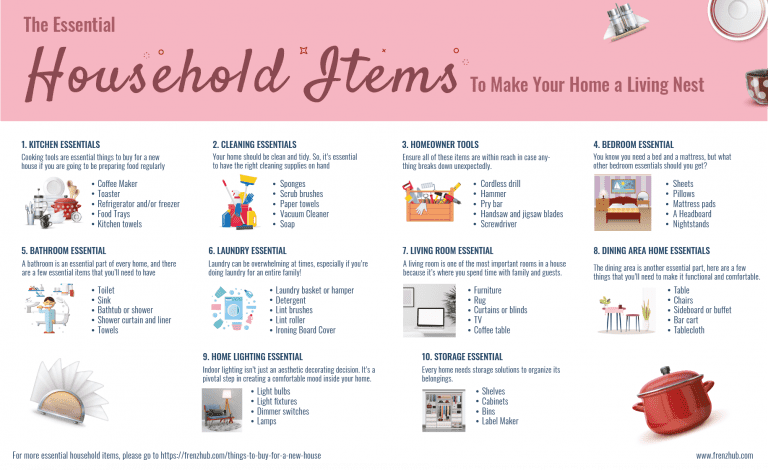
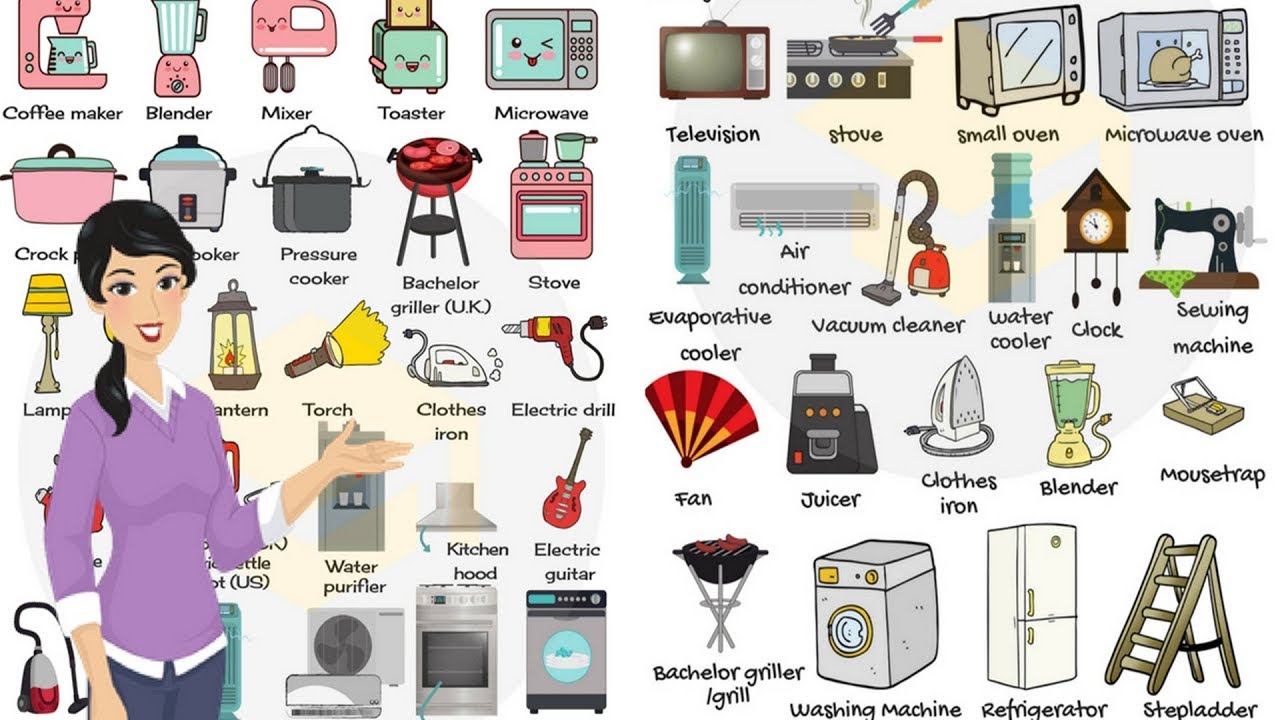
Household Appliances: A Visual Guide to Useful Home Devices 299 Essential Household Things To Buy for a New House List of Household Equipment and Tools Name with their Uses
Household Items List - 10 Free PDF Printables  Printablee  Cleaning checklist printable Essential Items Every Household Needs - Food Storage Moms Tools and Equipment: 300+ Household Items, Devices & Instruments • 7ESL
The Basic & Practical Household Essentials That Keep Us Clean, Organized, and Sane - Emily Henderson When to Replace Common Household Items  Bed, Bath, Kitchen Essentials

Closure

Thus, we hope this article has provided valuable insights into The Foundation of Home: Essential Household Items and Their Importance. We appreciate your attention to our article. See you in our next article!

The Rise of Online Bulk Shopping: Convenience, Savings, and Sustainability

Introduction

With great pleasure, we will explore the intriguing topic related to The Rise of Online Bulk Shopping: Convenience, Savings, and Sustainability. Let’s weave interesting information and offer fresh perspectives to the readers.

The Rise of Online Bulk Shopping: Convenience, Savings, and Sustainability

INFOGRAPHIC: The rise of online shopping

The modern household is a complex ecosystem, constantly requiring replenishment of essential items. From cleaning supplies to pantry staples, the list of necessities seems endless. In the past, this meant frequent trips to the supermarket, often leading to impulse purchases and unnecessary spending. However, the rise of online shopping has revolutionized this process, offering a convenient and cost-effective alternative: bulk purchasing.

Benefits of Purchasing Household Items in Bulk Online

Online platforms have transformed the landscape of bulk buying, offering a multitude of advantages over traditional brick-and-mortar stores:

1. Convenience and Time Savings:

Online bulk shopping eliminates the need for physically visiting multiple stores, navigating crowded aisles, and carrying heavy items. Consumers can browse a vast selection of products from the comfort of their homes, selecting and ordering items at their convenience. This saves valuable time, especially for busy individuals and families.

2. Cost Savings and Value for Money:

Bulk purchases generally offer significant discounts compared to buying individual units. This is because retailers can streamline their operations by selling larger quantities and reduce packaging and shipping costs. Consumers can benefit from these economies of scale, stretching their budgets further and maximizing their purchasing power.

3. Wider Product Selection and Variety:

Online retailers often have a broader selection of products than traditional stores, catering to diverse needs and preferences. This allows consumers to find specific items, niche brands, or specialty products that might not be readily available locally.

4. Reduced Waste and Sustainability:

Bulk buying can contribute to environmental sustainability by reducing packaging waste. Large-quantity purchases often come with less packaging per unit, minimizing the overall environmental footprint. Additionally, consumers can plan their purchases more effectively, reducing food waste and unnecessary consumption.

5. Personalized Recommendations and Targeted Offers:

Online platforms can leverage data analytics to personalize recommendations and offer tailored deals based on individual purchase history and preferences. This enables consumers to discover new products, explore alternative brands, and access exclusive discounts relevant to their needs.

6. Delivery Flexibility and Scheduling:

Online bulk shopping offers flexibility in delivery options, allowing consumers to choose convenient delivery times and locations. This eliminates the need to rush to the store before closing hours or worry about carrying heavy items back home.

7. Price Comparison and Transparency:

Online platforms facilitate easy price comparisons, allowing consumers to research different retailers and find the best deals. This transparency empowers consumers to make informed decisions and avoid overpaying for essential household items.

8. Accessibility for Diverse Populations:

Online shopping removes geographical barriers, making it accessible to individuals in remote areas or with limited mobility. This ensures that everyone has equal access to a wide range of products, regardless of their location or physical limitations.

Navigating the Online Bulk Shopping Landscape

While online bulk shopping presents numerous advantages, it is crucial to approach this practice with a strategic mindset to maximize its benefits and minimize potential drawbacks:

1. Choosing Reputable Online Retailers:

It is essential to select reputable online retailers with a proven track record of reliable service, quality products, and secure payment processing. Researching reviews and ratings from other customers can provide valuable insights into a retailer’s trustworthiness and customer satisfaction.

2. Understanding Product Quality and Specifications:

Before making a purchase, carefully review product descriptions, ingredients, and specifications. Pay attention to unit pricing, expiry dates, and any special storage requirements to ensure that the products meet your needs and expectations.

3. Evaluating Shipping Costs and Delivery Times:

Consider shipping costs and delivery times when making bulk purchases. Some retailers offer free shipping for orders above a certain threshold, while others may charge a flat rate or per-item fee. Ensure that the delivery timeframe aligns with your needs and that the products will arrive in good condition.

4. Managing Inventory and Storage:

Bulk purchases require adequate storage space. Assess your storage capacity and plan for how you will store the products to maintain their freshness and prevent spoilage. Consider using airtight containers, organizing shelves, and rotating stock to ensure optimal storage conditions.

5. Budgeting and Financial Planning:

While bulk purchases often offer cost savings, it is important to budget accordingly and avoid overspending. Plan your purchases based on your needs and consumption patterns, ensuring that you can utilize the entire quantity before expiry or spoilage.

6. Returning or Exchanging Items:

Familiarize yourself with the retailer’s return and exchange policies. Understand the conditions for returns, the timeframe for processing, and any associated fees. Keep all packaging and receipts for potential returns or exchanges.

FAQs about Buying Household Items in Bulk Online

1. What are the most popular household items to buy in bulk online?

Commonly purchased bulk items include pantry staples (rice, beans, pasta, flour, sugar), cleaning supplies (dish soap, laundry detergent, hand soap), personal care products (shampoo, conditioner, toothpaste), pet supplies (food, litter), and everyday essentials (toilet paper, paper towels).

2. How do I find the best deals on bulk household items online?

Utilize price comparison websites, subscribe to email newsletters from your preferred retailers, and look for promotional codes or coupons. Additionally, consider purchasing during seasonal sales or special events.

3. Is it safe to buy food in bulk online?

Reputable online retailers prioritize food safety and quality. Look for retailers with established food safety protocols, temperature-controlled storage facilities, and reliable delivery systems to ensure the freshness and integrity of your food purchases.

4. How can I reduce food waste when buying in bulk?

Plan your meals, utilize meal-prep techniques, freeze perishable items, and consider sharing excess produce with friends or neighbors.

5. What are the benefits of buying cleaning supplies in bulk online?

Buying cleaning supplies in bulk can save money, reduce packaging waste, and ensure a consistent supply of essential cleaning products.

Tips for Buying Household Items in Bulk Online

1. Create a Shopping List:

Plan your purchases based on your needs and consumption patterns. Avoid impulsive buys and stick to your list to ensure you are buying only what you need.

2. Compare Prices and Retailers:

Use price comparison websites and research different retailers to find the best deals and value for money. Consider factors like shipping costs, delivery times, and product quality when making your decision.

3. Check Expiration Dates:

Pay close attention to expiration dates, especially for perishable items like food and cleaning supplies. Ensure that you have enough time to utilize the entire quantity before it expires.

4. Utilize Storage Solutions:

Invest in storage solutions like airtight containers, shelves, and organizers to effectively store your bulk purchases and maintain their freshness.

5. Consider Sharing with Friends or Family:

If you anticipate difficulty using an entire bulk purchase before expiry, consider sharing with friends or family members who may also need those items.

Conclusion

Online bulk shopping has emerged as a convenient, cost-effective, and sustainable way to manage household essentials. By leveraging the benefits of online platforms, consumers can save time, money, and reduce their environmental impact. However, it is crucial to approach this practice with a strategic mindset, choosing reputable retailers, understanding product specifications, and managing inventory effectively. By embracing the advantages of online bulk shopping, individuals can streamline their household management, enhance their purchasing power, and contribute to a more sustainable lifestyle.

Quick Facts About the Rise of Online Grocery Shopping Infographic: The Rise of Online Grocery Shopping - Retail Space Solutions 2022 Online Shopping Survey [Infographic]  Consolidated Credit
The Rise Of Groceries Online Convenience At Your Fingertips Unlocking Convenience: The Rise of Online Shopping · Dondepiso The Rise Of Beverage Online Shopping: Convenience, Variety, And Sustainability  by Riyasuresh
Convenience is driving e-commerce growth and influencing consumer decisions  Smart Insights Online Grocery Market Size To Worth $2160.7 Billion By 2030

Closure

Thus, we hope this article has provided valuable insights into The Rise of Online Bulk Shopping: Convenience, Savings, and Sustainability. We appreciate your attention to our article. See you in our next article!

The Powerhouse Within: Exploring the Significance of Mitochondria-Rich Cells

Introduction

In this auspicious occasion, we are delighted to delve into the intriguing topic related to The Powerhouse Within: Exploring the Significance of Mitochondria-Rich Cells. Let’s weave interesting information and offer fresh perspectives to the readers.

The Powerhouse Within: Exploring the Significance of Mitochondria-Rich Cells

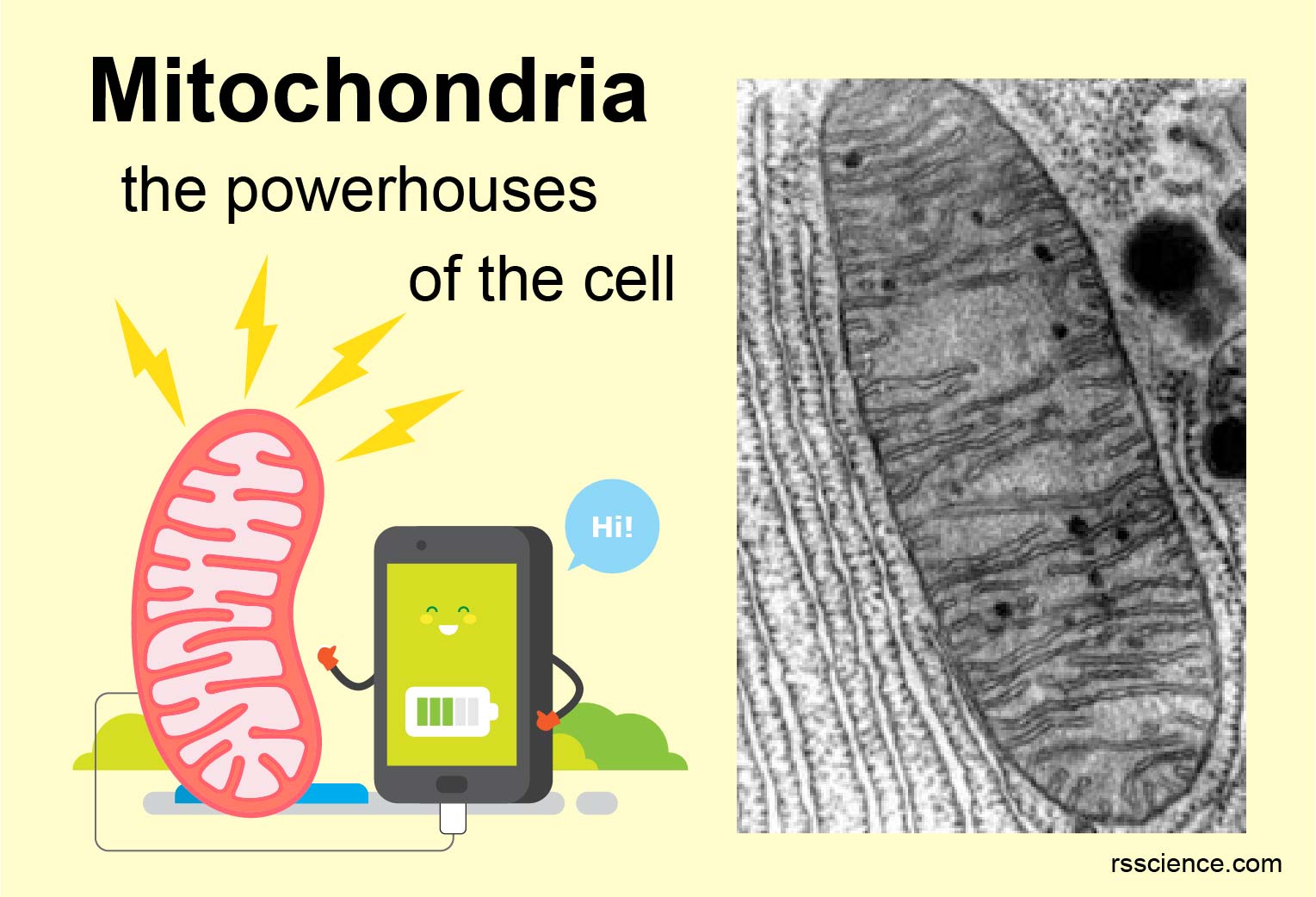
Mitochondria – cell powerhouses — Science Learning Hub

The human body is a marvel of complex machinery, with each cell performing specific functions that contribute to the overall well-being of the organism. Within these cells, a vital organelle, the mitochondrion, plays a central role in energy production, a process essential for life. While all cells contain mitochondria, certain cells require a greater number of these organelles to meet their high energy demands. This article delves into the significance of cells with abundant mitochondria, exploring their unique functions, the benefits they offer, and their implications for health and disease.

Mitochondria: The Energy Factories of the Cell

Mitochondria are often referred to as the "powerhouses of the cell" due to their primary function: ATP (adenosine triphosphate) production through cellular respiration. This process involves breaking down glucose and other nutrients to generate energy that fuels various cellular activities, including muscle contraction, protein synthesis, and nerve impulse transmission.

Cells with Abundant Mitochondria: A Specialized Workforce

Certain cell types require a significantly higher energy output to perform their specialized functions. These cells, therefore, contain a greater number of mitochondria to meet their elevated energy demands. Examples of such cells include:

  • Muscle Cells: Muscles require a constant supply of energy for contraction and movement. Muscle cells, particularly those in skeletal and cardiac muscles, are packed with mitochondria to support their high energy needs.
  • Nerve Cells: Neurons, the fundamental units of the nervous system, are highly active cells that transmit electrical signals throughout the body. The energy demands of neuronal activity are met by a large number of mitochondria within these cells.
  • Liver Cells: The liver plays a crucial role in detoxification, metabolism, and energy storage. Liver cells contain a high concentration of mitochondria to support these diverse metabolic functions.
  • Sperm Cells: Sperm cells require a substantial amount of energy to propel themselves towards the egg during fertilization. This energy is generated by a large number of mitochondria found within the sperm’s midpiece.
  • Pancreatic Beta Cells: These cells produce and secrete insulin, a hormone essential for regulating blood sugar levels. Beta cells require a high energy output to synthesize and release insulin, which is facilitated by a dense population of mitochondria.

Benefits of Abundant Mitochondria

The presence of abundant mitochondria in specific cell types offers several advantages, including:

  • Enhanced Energy Production: Cells with more mitochondria can generate greater amounts of ATP, providing them with the necessary energy to perform their functions efficiently. This is particularly important for cells with high energy demands, such as muscle cells and neurons.
  • Increased Metabolic Efficiency: Mitochondria play a vital role in various metabolic processes, including glucose metabolism, fatty acid oxidation, and amino acid synthesis. Cells with abundant mitochondria exhibit enhanced metabolic efficiency, contributing to overall cellular health.
  • Improved Oxidative Stress Management: Mitochondria are the primary source of reactive oxygen species (ROS), byproducts of energy production that can damage cellular components. Cells with abundant mitochondria often possess robust antioxidant defenses, mitigating oxidative stress and protecting against cellular damage.
  • Enhanced Cell Signaling: Mitochondria are not only energy producers but also active participants in cell signaling pathways. Cells with abundant mitochondria may exhibit improved communication and coordination within the body.
  • Enhanced Resistance to Stress: Cells with abundant mitochondria are often more resilient to various stressors, including environmental toxins, oxidative stress, and nutrient deprivation. This enhanced resilience contributes to overall cellular health and longevity.

Mitochondrial Function and Health

The proper functioning of mitochondria is crucial for overall health. Dysfunctional mitochondria, often associated with aging and disease, can lead to:

  • Reduced Energy Production: Impaired mitochondrial function can result in decreased ATP production, leading to fatigue, weakness, and reduced physical performance.
  • Increased Oxidative Stress: Dysfunctional mitochondria produce excessive amounts of ROS, contributing to oxidative damage and cellular aging.
  • Metabolic Disorders: Mitochondrial dysfunction is implicated in various metabolic disorders, including diabetes, obesity, and cardiovascular disease.
  • Neurodegenerative Diseases: Impaired mitochondrial function is linked to neurodegenerative diseases, such as Alzheimer’s disease and Parkinson’s disease.

FAQs: Mitochondria and Cell Function

1. How do cells increase their mitochondrial content?

Cells can increase their mitochondrial content through a process called mitochondrial biogenesis. This process involves the synthesis of new mitochondria from existing ones, often triggered by increased energy demands or environmental stressors.

2. Can we manipulate mitochondrial content in cells?

Research is ongoing to explore methods for manipulating mitochondrial content in cells. Exercise, caloric restriction, and certain supplements have been shown to stimulate mitochondrial biogenesis, potentially enhancing cellular function and health.

3. What are the implications of mitochondrial dysfunction for disease?

Mitochondrial dysfunction is implicated in a wide range of diseases, including neurodegenerative diseases, metabolic disorders, and cardiovascular disease. Research is focused on developing therapies that target mitochondrial dysfunction to improve disease outcomes.

Tips for Maintaining Mitochondrial Health:

  • Regular Exercise: Exercise stimulates mitochondrial biogenesis, leading to increased energy production and improved cellular function.
  • Healthy Diet: A diet rich in fruits, vegetables, and whole grains provides essential nutrients for optimal mitochondrial function.
  • Caloric Restriction: Moderate caloric restriction has been shown to enhance mitochondrial function and extend lifespan in some studies.
  • Supplementation: Certain supplements, such as CoQ10 and N-acetylcysteine, may support mitochondrial health, although further research is needed.
  • Stress Management: Chronic stress can negatively impact mitochondrial function. Techniques for stress management, such as meditation and yoga, may help maintain mitochondrial health.

Conclusion

Cells with abundant mitochondria play a vital role in maintaining cellular function and overall health. These energy-rich cells contribute to diverse physiological processes, including muscle contraction, nerve impulse transmission, and metabolic regulation. Understanding the significance of these cells and promoting their health through lifestyle modifications and interventions is crucial for maintaining optimal well-being. Further research on mitochondrial function and its implications for disease will continue to advance our understanding of this essential organelle and its impact on human health.

"Mitochondria is the Powerhouse of the Cell" - Theralink Mitochondria act as a powerhouse of the cell (a). Metabolic pathways  Download Scientific Mitochondria - the powerhouses of the cell - definition, structure, function, and biology - Rs
Why Mitochondria is known as Power-house of the cell - KashiBiology Mitochondria - the powerhouses of the cell - definition, structure, function, and biology - Rs Mitochondria- The Powerhouse of the Cell
Why are mitochondria known as the powerhouse of the cell? How mitochondria make the cut: When and where the powerhouse of the cell divides

Closure

Thus, we hope this article has provided valuable insights into The Powerhouse Within: Exploring the Significance of Mitochondria-Rich Cells. We thank you for taking the time to read this article. See you in our next article!

Exploring the Everyday: Five-Letter Household Items and Their Significance

Introduction

In this auspicious occasion, we are delighted to delve into the intriguing topic related to Exploring the Everyday: Five-Letter Household Items and Their Significance. Let’s weave interesting information and offer fresh perspectives to the readers.

Exploring the Everyday: Five-Letter Household Items and Their Significance

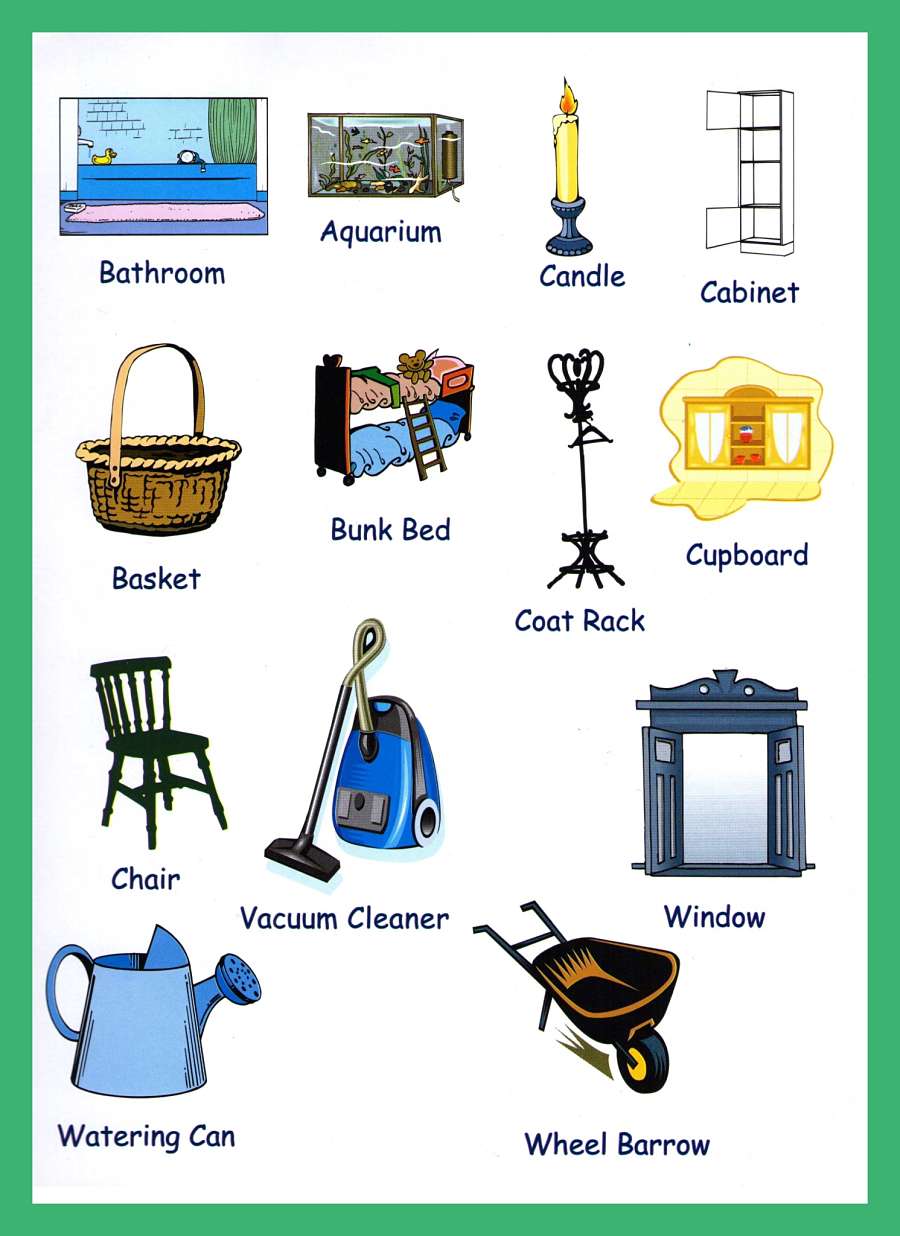
a poster with different types of household items in english and spanish, including the words

The world of household items is vast and varied, encompassing objects both grand and mundane. While some items might be instantly recognizable, others might go unnoticed in the daily hustle and bustle of home life. This exploration delves into the often-overlooked realm of five-letter household items, shedding light on their functions, benefits, and significance in our everyday lives.

1. Chair

A chair, the ubiquitous piece of furniture, transcends its simple appearance to become an integral part of our daily routines. Its primary function, providing a comfortable seat, is essential for a wide array of activities, from dining and working to relaxing and socializing.

Importance: Chairs provide crucial support for the human body, promoting good posture and reducing strain on the back and legs. They also contribute to the overall functionality and aesthetics of a space, serving as a focal point in a room or creating a designated area for specific activities.

Benefits:

  • Comfort: Chairs offer a comfortable and supportive surface to sit on, reducing fatigue and promoting relaxation.
  • Ergonomics: Well-designed chairs can help maintain proper posture and reduce the risk of back pain and other musculoskeletal issues.
  • Versatility: Chairs come in a wide range of styles and materials, offering flexibility to suit different needs and aesthetics.

FAQs:

  • What are the different types of chairs? Chairs are available in numerous styles, including dining chairs, armchairs, office chairs, rocking chairs, and more, each designed for specific purposes.
  • How do I choose the right chair for my needs? Consider the intended use, comfort level, desired style, and the available space when selecting a chair.
  • How do I care for my chairs? Regular cleaning and maintenance, such as dusting, vacuuming, and upholstery cleaning, can help prolong the life of your chairs.

Tips:

  • Choose a chair with adequate back support and a comfortable seat height.
  • Consider investing in ergonomic chairs for workspaces to promote good posture and reduce strain.
  • Use chair pads or cushions to enhance comfort and provide additional support.

2. Table

The table, a versatile and indispensable piece of furniture, serves as a central gathering point in many homes. Its flat surface provides a platform for a multitude of activities, from dining and working to playing games and crafting.

Importance: Tables offer a designated space for specific activities, creating order and functionality in a room. They also play a crucial role in social gatherings, serving as a platform for shared meals, conversations, and celebrations.

Benefits:

  • Organization: Tables provide a structured surface for organizing items, promoting tidiness and efficiency.
  • Functionality: Tables are designed for specific purposes, offering dedicated spaces for dining, working, or entertainment.
  • Social Interaction: Tables facilitate social interactions, fostering a sense of community and shared experiences.

FAQs:

  • What are the different types of tables? Tables come in various forms, including dining tables, coffee tables, end tables, desks, and more, each suited for different functions.
  • How do I choose the right table for my needs? Consider the size, shape, style, and intended use of the table when making your selection.
  • How do I care for my tables? Regular cleaning, dusting, and protective coatings can help maintain the appearance and longevity of your tables.

Tips:

  • Choose a table that is the appropriate size for the intended use and space.
  • Use tablecloths or placemats to protect the surface from scratches and spills.
  • Consider investing in a table with storage space to maximize functionality.

3. Light

Light, a fundamental element of our environment, plays a vital role in our daily lives. It illuminates our homes, enhancing visibility and creating a sense of safety and comfort.

Importance: Light enables us to see, perform tasks, and navigate our surroundings. It also influences our mood, sleep patterns, and overall well-being.

Benefits:

  • Visibility: Light allows us to see clearly, enhancing safety and facilitating tasks.
  • Mood Regulation: Light can influence our mood and energy levels, promoting a sense of well-being.
  • Sleep Patterns: Proper light exposure can help regulate our sleep-wake cycles, ensuring restful sleep.

FAQs:

  • What are the different types of lighting? Lighting encompasses various forms, including natural light, artificial light, and task lighting, each serving specific purposes.
  • How do I choose the right lighting for my home? Consider the desired ambiance, functionality, and energy efficiency when selecting lighting fixtures.
  • How do I maintain my lighting fixtures? Regular cleaning and bulb replacement can ensure optimal performance and longevity.

Tips:

  • Maximize natural light by using windows and skylights.
  • Employ task lighting for specific activities, such as reading or working.
  • Utilize dimmers to adjust light levels and create different moods.

4. Floor

The floor, the foundation of our homes, provides a surface for walking, standing, and performing various activities. It plays a crucial role in defining the aesthetic and functional aspects of a space.

Importance: Floors provide a stable and durable surface for daily activities, while also contributing to the overall design and ambiance of a room.

Benefits:

  • Durability: Floors are designed to withstand heavy foot traffic and resist wear and tear.
  • Aesthetics: Floors can add visual interest and enhance the overall design of a space.
  • Functionality: Different floor types offer varying levels of comfort, warmth, and sound insulation.

FAQs:

  • What are the different types of flooring? Floors come in a wide range of materials, including hardwood, tile, carpet, laminate, and more, each offering distinct characteristics.
  • How do I choose the right flooring for my needs? Consider the intended use, aesthetics, budget, and maintenance requirements when selecting flooring.
  • How do I care for my floors? Regular cleaning, maintenance, and protective coatings can help preserve the appearance and longevity of your floors.

Tips:

  • Choose flooring materials that are appropriate for the intended use and traffic levels.
  • Use rugs and mats to protect high-traffic areas and enhance aesthetics.
  • Consider using area rugs to define different zones within a space.

5. Brush

The humble brush, a seemingly simple tool, plays a vital role in maintaining cleanliness and hygiene in our homes. Its bristles, designed for specific purposes, effectively remove dirt, dust, and debris from various surfaces.

Importance: Brushes are essential for maintaining cleanliness and hygiene, promoting a healthy and comfortable living environment.

Benefits:

  • Cleaning Efficiency: Brushes effectively remove dirt, dust, and debris from various surfaces, promoting cleanliness.
  • Versatility: Brushes come in a wide variety of shapes, sizes, and bristle types, catering to different cleaning needs.
  • Hygiene: Brushes contribute to maintaining hygiene, reducing the spread of germs and allergens.

FAQs:

  • What are the different types of brushes? Brushes are available in numerous forms, including toothbrushes, hairbrushes, cleaning brushes, paintbrushes, and more, each serving specific purposes.
  • How do I choose the right brush for my needs? Consider the intended use, surface type, and desired cleaning effectiveness when selecting a brush.
  • How do I care for my brushes? Regular cleaning and proper storage can help maintain the effectiveness and longevity of your brushes.

Tips:

  • Use separate brushes for different tasks to avoid cross-contamination.
  • Clean brushes regularly to prevent the buildup of dirt and bacteria.
  • Store brushes in a dry and clean location to prevent mold growth.

Conclusion:

These five-letter household items, seemingly ordinary and commonplace, hold a profound significance in our daily lives. They contribute to our comfort, well-being, and overall quality of life. From the chair that provides support to the brush that maintains cleanliness, each item plays a vital role in shaping our living spaces and enhancing our daily experiences. Recognizing and appreciating the value of these seemingly simple items allows us to better understand the intricate web of objects that support and enrich our lives.

HOUSEHOLD ITEMS - VOCABULARY pictur…: English ESL worksheets pdf & doc house and household items  Household items, Household, Speech and language 100+ Household Items Names In English With Pictures PDF  Household items, Household, Vocabulary
100 Household Items Names In English With Picture - buickcafe.com 100+ Household Items Names In English With Pictures PDF  English vocabulary, Learn english Household Items Picture Dictionary p…: English ESL worksheets pdf & doc
Household items, Learning printables, Household Household Items Vocabulary

Closure

Thus, we hope this article has provided valuable insights into Exploring the Everyday: Five-Letter Household Items and Their Significance. We appreciate your attention to our article. See you in our next article!

Equipping the Home: Essential Tools for Everyday Living

Introduction

With enthusiasm, let’s navigate through the intriguing topic related to Equipping the Home: Essential Tools for Everyday Living. Let’s weave interesting information and offer fresh perspectives to the readers.

Equipping the Home: Essential Tools for Everyday Living

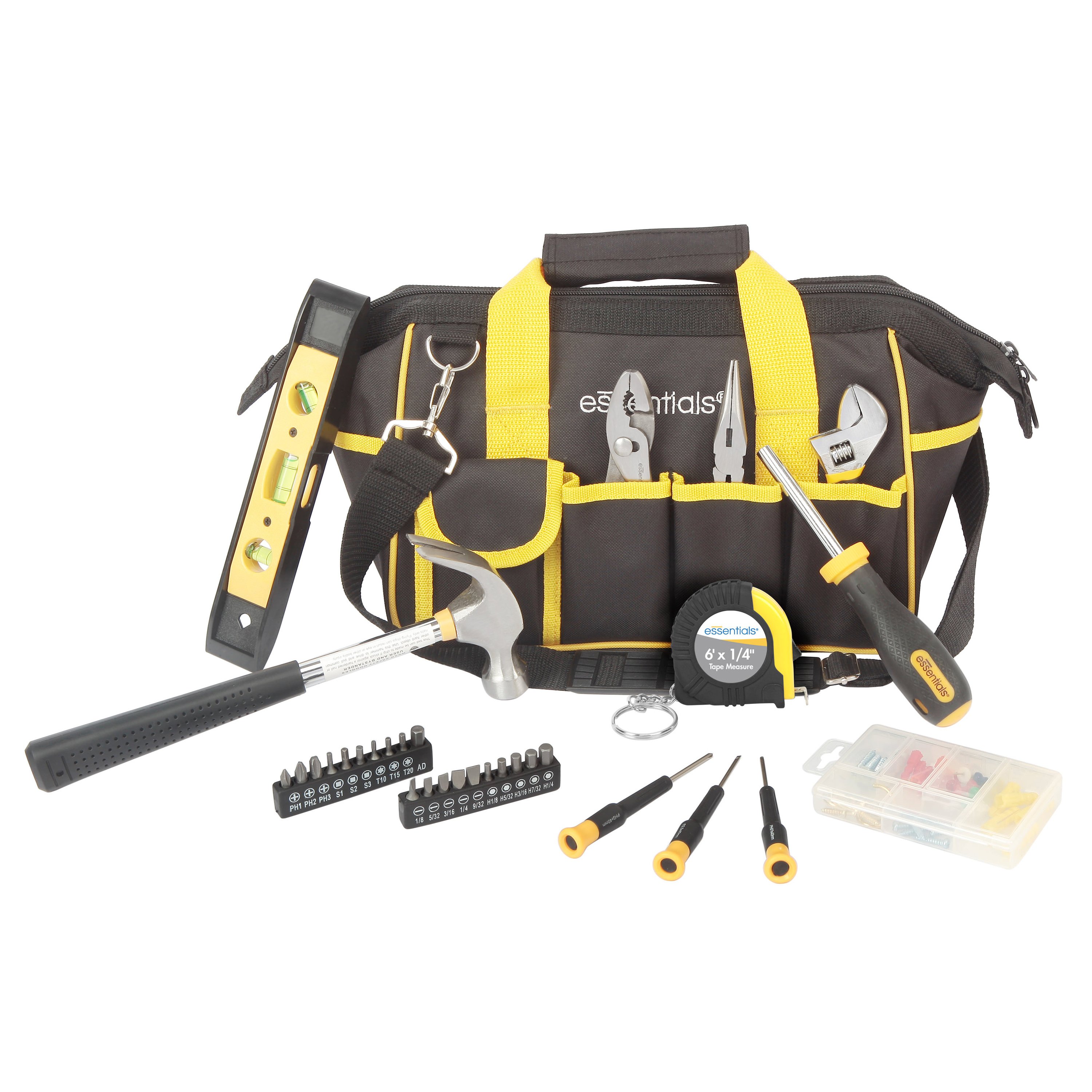
8 Essential Tools for Home DIY Projects - Home Living

A well-equipped home is a haven of functionality and preparedness. It is not merely a collection of furniture and appliances; it is a space designed to meet the needs of its occupants. This necessitates a thoughtful selection of tools, each serving a specific purpose and contributing to the overall smooth operation of the household.

While the specific tools required may vary depending on individual needs and living situations, there exists a fundamental set of instruments that every homeowner should consider essential. These tools represent the backbone of home maintenance and repair, empowering individuals to address common issues and enhance their living environment.

The Foundation: Essential Hand Tools

The core of any home tool collection lies in a set of basic hand tools. These versatile instruments are capable of tackling a wide range of tasks, from minor repairs to assembling furniture.

  • Hammer: The quintessential tool for driving nails and removing them, a hammer is a must-have for any homeowner. Opt for a claw hammer with a comfortable grip and a weight appropriate for your strength.

  • Screwdriver: A screwdriver is essential for loosening and tightening screws. A multi-purpose screwdriver with interchangeable heads caters to various screw sizes and types.

  • Pliers: Pliers are invaluable for gripping, twisting, and bending objects. A pair of adjustable pliers offers flexibility, while needle-nose pliers are useful for reaching tight spaces.

  • Wrench: A wrench is used to turn nuts and bolts. A combination wrench features both an open and closed end, providing versatility.

  • Level: A level ensures that objects are installed horizontally or vertically, guaranteeing a professional and aesthetically pleasing finish.

  • Tape Measure: A tape measure is indispensable for measuring distances and lengths accurately, ensuring precise cuts and installations.

  • Utility Knife: A utility knife with replaceable blades is a versatile tool for cutting various materials, including cardboard, tape, and rope.

  • Scissors: A pair of sharp scissors is necessary for cutting fabric, paper, and other materials.

  • Measuring Cup and Spoon Set: These tools are essential for accurately measuring ingredients while cooking and baking.

Beyond the Basics: Expanding the Tool Arsenal

While the aforementioned hand tools provide a solid foundation, a comprehensive home tool collection should extend beyond the basics. Additional tools cater to specific needs and enhance the homeowner’s ability to tackle various tasks.

  • Drill: A cordless drill offers power and versatility, allowing for drilling holes in wood, metal, and plastic.

  • Power Saw: A power saw, such as a circular saw or jigsaw, enables precise cuts in wood and other materials.

  • Sandpaper: Sandpaper is used to smooth surfaces, removing imperfections and preparing them for painting or finishing.

  • Paintbrush and Roller: A paintbrush and roller are essential for applying paint to walls, furniture, and other surfaces.

  • Ladder: A ladder provides access to high areas for painting, cleaning, and other tasks.

  • Cleaning Supplies: A well-stocked cleaning supply kit includes a broom, dustpan, mop, vacuum cleaner, and various cleaning agents.

Navigating the Importance: Benefits of a Well-Equipped Home

A well-equipped home offers numerous benefits, extending beyond mere functionality.

  • Cost Savings: By having the necessary tools, homeowners can often address minor repairs and maintenance tasks themselves, saving money on professional services.

  • Increased Independence: A well-equipped home empowers individuals to take charge of their living space, fostering a sense of independence and accomplishment.

  • Enhanced Safety: Having the right tools readily available can ensure prompt action in emergencies, promoting safety and peace of mind.

  • Improved Aesthetics: The ability to perform basic repairs and maintenance tasks allows homeowners to maintain the aesthetic appeal of their home, enhancing its overall value.

  • Greater Flexibility: A well-equipped home provides greater flexibility in customizing and adapting the living space to meet individual needs and preferences.

Addressing Common Questions: FAQs

Q: What is the best way to organize and store home tools?

A: Organizing tools is crucial for maximizing efficiency and ease of access. Consider utilizing toolboxes, tool belts, pegboards, and wall-mounted storage systems. Label each tool and its location for easy identification.

Q: How often should I replace my tools?

A: The lifespan of tools varies depending on usage and quality. Regularly inspect tools for signs of wear and tear, such as rust, chipped edges, or loose handles. Replace tools when they become unsafe or unreliable.

Q: What are some essential safety precautions when using tools?

A: Safety is paramount when using tools. Wear appropriate safety gear, such as gloves, eye protection, and hearing protection. Always use tools according to manufacturer instructions and avoid using them for purposes other than intended.

Q: What are some tips for choosing quality tools?

A: When selecting tools, prioritize quality over price. Look for tools made from durable materials, with a comfortable grip and robust construction. Reputable brands often offer warranties and guarantee longevity.

Q: How can I learn to use tools effectively?

A: Numerous resources are available to learn tool usage, including online tutorials, books, and workshops. Practice using tools in a safe environment and start with simple projects before tackling more complex tasks.

Conclusion: Embracing the Power of Tools

A well-equipped home is a testament to preparedness and self-sufficiency. It empowers individuals to maintain their living space, address minor repairs, and enhance their overall quality of life. By investing in a comprehensive set of tools and mastering their use, homeowners can embrace the power of self-reliance and transform their homes into havens of functionality and comfort. Remember, a well-equipped home is not merely a collection of tools; it is a symbol of preparedness, independence, and the ability to create a living space that truly reflects individual needs and aspirations.

70+ Essential Household Items - A Definitive Checklist You MUST know!  Household items New Home Essentials  Tools Every Homeowner Should Have Basic Home Tool Kit List: Make Sure You Have The Essentials
The 25 essential household tools  Daily Mail Online Essentials Around the House Tool Kit - Shop Hand Tools at H-E-B Seven Simple Homeowner Tools for Everyday Needs
The Best Basic Home Tool Kit For Every Household - Concinnity Living 10 Best Tools You Need For Your Home - Essential Multi-Use Tools

Closure

Thus, we hope this article has provided valuable insights into Equipping the Home: Essential Tools for Everyday Living. We thank you for taking the time to read this article. See you in our next article!

Understanding Alpha Particles: Structure, Properties, and Applications

Introduction

With enthusiasm, let’s navigate through the intriguing topic related to Understanding Alpha Particles: Structure, Properties, and Applications. Let’s weave interesting information and offer fresh perspectives to the readers.

Understanding Alpha Particles: Structure, Properties, and Applications

Alpha particle vector illustration infographic diagram  Physics concepts, Teaching chemistry

Alpha particles, a fundamental component of nuclear physics, play a crucial role in various scientific fields. These particles, consisting of two protons and two neutrons bound together, are essentially the nuclei of helium atoms. Their unique properties, including high energy and strong ionizing power, make them significant in areas such as nuclear decay, radiation therapy, and even the evolution of stars.

The Nature of Alpha Particles

Alpha particles are denoted by the symbol α and possess a +2 charge due to their two protons. Their mass is approximately four atomic mass units (amu), effectively the same as a helium nucleus. Their relatively large size and charge contribute to their notable characteristics:

  • High Energy: Alpha particles are emitted with significant kinetic energy, typically in the range of several MeV (megaelectron volts). This energy stems from the nuclear reactions that produce them, such as alpha decay.
  • Strong Ionizing Power: As they travel through matter, alpha particles interact strongly with atoms, stripping electrons from them and creating ions. This ionizing power is a consequence of their charge and relatively large size, leading to significant energy deposition along their paths.
  • Short Range: Despite their high energy, alpha particles have a limited range in matter. Their large size and charge cause them to lose energy rapidly through ionization, resulting in a short penetration depth. For example, a typical alpha particle emitted from a radioactive source can only travel a few centimeters in air.

Alpha Decay and the Role of Alpha Particles

Alpha decay is a radioactive process where an unstable atomic nucleus emits an alpha particle. This emission transforms the parent nucleus into a daughter nucleus with a lower atomic mass and atomic number. The process is governed by the principle of nuclear stability, where nuclei with an imbalance of protons and neutrons tend to decay to achieve a more stable configuration.

Alpha decay is a common phenomenon in heavy elements, such as uranium, thorium, and radium. These elements possess nuclei with a high number of protons, making them inherently unstable. By emitting alpha particles, they reduce their proton count, moving towards a more stable state.

Applications of Alpha Particles

The unique properties of alpha particles have led to their application in various fields, including:

  • Radiation Therapy: Alpha particles, due to their high ionizing power and short range, are used in targeted radiation therapy for cancer treatment. They effectively kill cancerous cells while minimizing damage to surrounding healthy tissues.
  • Smoke Detectors: Alpha particles are employed in ionization-type smoke detectors. The particles ionize the air in a chamber, creating a small electric current. When smoke enters the chamber, it absorbs the alpha particles, reducing the current and triggering an alarm.
  • Nuclear Dating: Alpha decay, a well-defined process with a known decay rate, is used in radiometric dating techniques. By measuring the ratio of parent and daughter isotopes in a sample, scientists can determine its age.
  • Astrophysics: Alpha particles are crucial in the nuclear fusion reactions that power stars. These reactions, occurring at extremely high temperatures and pressures, involve the fusion of hydrogen nuclei into helium nuclei, releasing vast amounts of energy.

FAQs Regarding Alpha Particles

Q: Are alpha particles dangerous?

A: Yes, alpha particles can be dangerous, especially if ingested or inhaled. Their high ionizing power can damage biological tissues. However, their short range means that external exposure to alpha particles is generally not a concern.

Q: How are alpha particles detected?

A: Alpha particles can be detected using various methods, including:

  • Geiger-Müller counters: These detectors utilize the ionization effect of alpha particles to produce electrical pulses.
  • Scintillation detectors: These detectors use materials that emit light when struck by alpha particles.
  • Cloud chambers: These devices visualize the paths of alpha particles as they ionize the air, creating visible tracks.

Q: What is the difference between alpha particles and beta particles?

A: Alpha particles consist of two protons and two neutrons, while beta particles are either electrons or positrons. Beta particles have a much smaller mass and range than alpha particles.

Tips for Understanding Alpha Particles

  • Visualize the structure: Imagine an alpha particle as a small, dense ball containing two protons and two neutrons.
  • Connect the concepts: Understand the relationship between alpha decay, nuclear stability, and the emission of alpha particles.
  • Focus on the applications: Explore the various ways alpha particles are used in different fields, such as medicine, technology, and astrophysics.

Conclusion

Alpha particles, with their unique properties of high energy, strong ionizing power, and short range, play a significant role in various scientific fields. From nuclear decay to radiation therapy and astrophysical processes, these particles offer valuable insights into the fundamental nature of matter and energy. Understanding their characteristics and applications provides a deeper appreciation for the complexities of the nuclear world.

Alpha Particle - Definition, Symbol and Charge Alpha Particle  Teaching Resources Alpha (α) particles: Properties, Sources & Applications - PSIBERG
Alpha Particle: Definition, Symbol & Properties - Video & Lesson Transcript  Study.com Labelled diagram to illustrate Rutherford's alpha particle scattering experiment Stock Vector Alpha particles  ARPANSA
Subatomic Particles  Properties, Characteristics & Types - Lesson  Study.com ALPHA PARTICLES - RADIOACTIVE DECAY AND ISOTOPES

Closure

Thus, we hope this article has provided valuable insights into Understanding Alpha Particles: Structure, Properties, and Applications. We hope you find this article informative and beneficial. See you in our next article!