Navigating the Digital Marketplace: A Comprehensive Guide to Essential Household Items

Introduction

With great pleasure, we will explore the intriguing topic related to Navigating the Digital Marketplace: A Comprehensive Guide to Essential Household Items. Let’s weave interesting information and offer fresh perspectives to the readers.

A Guide to Understanding the Digital Marketplace [Infographic]

The digital landscape has revolutionized the way we shop, and the realm of household items is no exception. Online retailers offer a vast and convenient selection, encompassing everything from basic necessities to cutting-edge gadgets, all delivered to your doorstep. This comprehensive guide will explore the best online shopping options for household items, providing insights into the advantages of this approach and offering guidance on navigating this dynamic marketplace.

The Advantages of Online Shopping for Household Items

  • Unparalleled Convenience: Online shopping eliminates the need for physical store visits, allowing you to browse and purchase items from the comfort of your home, at any hour of the day. This is particularly beneficial for busy individuals or those with limited mobility.
  • Vast Selection and Variety: Online retailers boast an extensive range of products, far exceeding the stock of even the largest physical stores. This diverse selection allows you to find unique items, specialized tools, and niche products that might not be readily available locally.
  • Competitive Pricing and Deals: The competitive nature of online retail often translates into lower prices and frequent deals and discounts. Comparison shopping is effortless, allowing you to find the best value for your money.
  • Detailed Product Information: Online retailers provide comprehensive product descriptions, images, and customer reviews, empowering you to make informed purchase decisions. This wealth of information is often unavailable in physical stores.
  • Easy Returns and Exchanges: Most online retailers offer hassle-free return and exchange policies, ensuring customer satisfaction and mitigating the risk of purchasing the wrong item.
  • Delivery Options and Tracking: Online shopping provides convenient delivery options, including same-day, next-day, and scheduled deliveries. Real-time tracking allows you to monitor your order’s progress and anticipate its arrival.

Essential Household Item Categories for Online Shopping

1. Kitchenware and Appliances:

  • Small Appliances: From blenders and food processors to coffee makers and toasters, online retailers offer a wide array of small appliances to enhance your culinary experience.
  • Cookware and Bakeware: Find high-quality pots, pans, baking sheets, and other cookware essentials from renowned brands at competitive prices online.
  • Kitchen Utensils: Discover a comprehensive selection of knives, spatulas, whisks, and other essential utensils, catering to all cooking needs.
  • Tableware and Dinnerware: Elevate your dining experience with beautiful and durable dinnerware sets, serving dishes, and glassware, all conveniently available online.

2. Bedding and Linens:

  • Sheets and Pillowcases: Choose from a variety of thread counts, materials, and styles to find the perfect bedding that suits your comfort and aesthetic preferences.
  • Blankets and Comforters: Explore a wide selection of blankets, comforters, and duvets to create a cozy and inviting sleep environment.
  • Towels and Bathrobes: Discover luxurious bath towels, hand towels, and bathrobes made from plush materials like cotton, bamboo, or microfiber.
  • Curtains and Drapes: Enhance your home’s ambiance with stylish curtains and drapes, available in various colors, patterns, and materials to complement your decor.

3. Home Decor and Furniture:

  • Decorative Accessories: Add personality to your home with decorative accents like vases, candles, wall art, and throw pillows, available in a plethora of styles and themes.
  • Rugs and Carpets: Find the perfect rug or carpet to add warmth, color, and texture to your floors, from traditional to contemporary styles.
  • Lighting Fixtures: Upgrade your home’s lighting with stylish ceiling fixtures, lamps, and sconces, available in a range of designs and functionalities.
  • Furniture: Online retailers offer a diverse selection of furniture, including sofas, chairs, tables, beds, and storage solutions, catering to various needs and aesthetics.

4. Cleaning Supplies and Tools:

  • Cleaning Products: Find eco-friendly cleaning solutions, specialized cleaners for various surfaces, and essential cleaning tools like sponges, brushes, and mops.
  • Vacuum Cleaners: Choose from a range of vacuum cleaners, from traditional upright models to cordless stick vacuums and robotic vacuums, to suit your cleaning needs.
  • Laundry Supplies: Discover a wide selection of laundry detergents, fabric softeners, stain removers, and other essential laundry products.
  • Air Purifiers and Humidifiers: Enhance your indoor air quality with air purifiers and humidifiers, available in various sizes and functionalities.

5. Personal Care and Health Products:

  • Toiletries and Cosmetics: Find a wide range of personal care products, including shampoo, conditioner, soap, lotion, and makeup, from popular brands.
  • Oral Care: Explore a comprehensive selection of toothbrushes, toothpaste, mouthwash, and dental floss to maintain oral hygiene.
  • First Aid Supplies: Stock your home with essential first aid supplies like bandages, antiseptic wipes, pain relievers, and other medical necessities.
  • Vitamins and Supplements: Find a variety of vitamins, minerals, and supplements to support your health and well-being.

6. Tools and Hardware:

  • Hand Tools: Discover a wide range of hand tools, including hammers, screwdrivers, wrenches, pliers, and measuring tools, for various DIY projects.
  • Power Tools: Explore a selection of power tools, including drills, saws, sanders, and grinders, to tackle more demanding tasks.
  • Hardware and Fasteners: Find a variety of nuts, bolts, screws, nails, and other hardware essentials for home repairs and projects.
  • Safety Equipment: Ensure your safety with essential safety equipment like gloves, goggles, masks, and ear protection.

7. Outdoor and Garden Supplies:

  • Gardening Tools: Find a range of gardening tools, including shovels, rakes, hoes, trowels, and pruning shears, to maintain your garden.
  • Outdoor Furniture: Enhance your outdoor space with comfortable chairs, tables, and loungers, available in various styles and materials.
  • Grills and BBQ Equipment: Discover a wide selection of grills, smokers, and BBQ accessories to elevate your outdoor cooking experience.
  • Lawn Care Equipment: Find lawnmowers, trimmers, edgers, and other lawn care equipment to keep your yard looking its best.

Navigating the Online Shopping Landscape for Household Items

  • Research and Compare: Before making a purchase, research different online retailers and compare prices, product specifications, and customer reviews.
  • Read Reviews and Ratings: Pay attention to customer reviews and ratings to gain insights into the quality, performance, and reliability of products.
  • Check Shipping Costs and Delivery Times: Be aware of shipping costs and delivery times to ensure that the purchase fits your budget and timeframe.
  • Utilize Comparison Shopping Websites: Use comparison shopping websites to streamline the process of finding the best deals and comparing prices across multiple retailers.
  • Look for Discounts and Deals: Take advantage of discounts, promotions, and coupon codes to save money on your purchases.
  • Read Return Policies: Familiarize yourself with the retailer’s return and exchange policies to understand the process in case you need to return an item.
  • Secure Payment Methods: Use secure payment methods like PayPal or credit cards with fraud protection to safeguard your financial information.

FAQs on Online Shopping for Household Items:

Q: How can I ensure the quality of items purchased online?

A: Research the retailer’s reputation, read customer reviews, and examine product specifications and images carefully. Consider purchasing from well-established and reputable brands.

Q: What are some tips for finding the best deals online?

A: Utilize comparison shopping websites, subscribe to newsletters for exclusive offers, and look for seasonal sales and clearance events.

Q: How can I avoid scams and fraudulent online retailers?

A: Research the retailer’s website, look for secure payment options, and be wary of unrealistic discounts or offers that seem too good to be true.

Q: What are the best ways to handle returns and exchanges?

A: Carefully read the retailer’s return policy, contact customer service for guidance, and ensure you have the original packaging and proof of purchase.

Q: How can I ensure the safe delivery of fragile items?

A: Choose a reputable shipping company, opt for insurance, and ensure the item is properly packaged with protective materials.

Tips for Successful Online Shopping for Household Items:

  • Create a Shopping List: Make a list of the items you need to avoid impulse purchases and stay focused on your goals.
  • Set a Budget: Determine a budget for your shopping spree and stick to it to avoid overspending.
  • Measure Before You Buy: Ensure you have the correct measurements for furniture, appliances, or other items to ensure they fit properly in your home.
  • Read the Fine Print: Pay attention to product specifications, warranties, and return policies before making a purchase.
  • Consider Customer Service: Choose retailers known for their excellent customer service to ensure a positive shopping experience.

Conclusion:

Online shopping for household items offers a plethora of benefits, from convenience and vast selection to competitive pricing and detailed product information. By following these guidelines and utilizing available resources, you can navigate this dynamic marketplace effectively and find the best products to enhance your home and lifestyle. Remember to research, compare, and prioritize your needs and preferences to make informed purchase decisions that meet your budget and requirements. The digital marketplace for household items is constantly evolving, offering new opportunities and innovations, so stay informed and embrace the convenience and value it provides.

A Guide to Understanding the Digital Marketplace [Infographic] E-commerce Essentials: Navigating the Digital Marketplace - A Comprehensive Guide - Ezilon Articles Navigating the Digital Marketplace: A Comprehensive Guide to Online Shopping - Our Better Class
SOLUTION: Navigating the digital marketplace - Studypool Digital Products Marketplace - Everything To Know Household goods - definition and meaning - Market Business News
Amazon.com: Navigating Amazon Algorithms: A Comprehensive Guide: Mastering the Digital Navigating the Marketplace: A Comprehensive Consumer Education Lesson Plans

Closure

Thus, we hope this article has provided valuable insights into Navigating the Digital Marketplace: A Comprehensive Guide to Essential Household Items. We appreciate your attention to our article. See you in our next article!

A Comprehensive Guide to Amazon Prime Household Essentials

Introduction

With enthusiasm, let’s navigate through the intriguing topic related to A Comprehensive Guide to Amazon Prime Household Essentials. Let’s weave interesting information and offer fresh perspectives to the readers.

A Comprehensive Guide to Amazon Prime Household Essentials

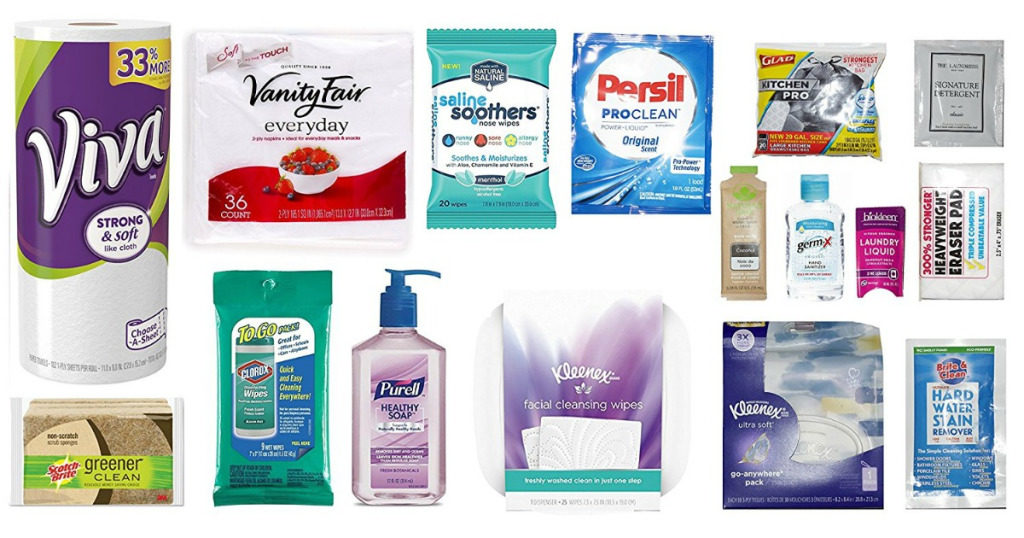
Amazon Prime Home Essentials Sample Box Review - hello subscription  Sample box, Household

The modern household is a complex ecosystem, constantly demanding a steady stream of supplies to maintain its functionality and comfort. While traditional brick-and-mortar stores have long been the go-to for household necessities, the rise of online retail giants like Amazon has revolutionized the way we shop, particularly for everyday items. Amazon Prime, with its membership-based benefits, offers an attractive solution for individuals and families seeking convenient, efficient, and often cost-effective access to a vast array of household products.

This article provides a comprehensive overview of Amazon Prime’s offerings for the home, exploring the diverse categories, unique features, and advantages that make it a valuable resource for managing household needs.

Navigating the Amazon Prime Landscape for Household Items

Amazon Prime, with its subscription-based model, unlocks a world of benefits for members. One of the most prominent advantages is the access to a vast selection of household products, categorized for easy navigation. Here’s a breakdown of key categories:

1. Kitchen & Dining:

  • Cookware & Bakeware: From high-quality stainless steel pots and pans to specialized baking trays and innovative gadgets, Amazon Prime offers a wide range of options catering to different cooking styles and preferences.
  • Tableware & Serveware: Whether it’s elegant dinnerware for special occasions or durable everyday plates and bowls, Amazon Prime provides diverse choices for every dining need.
  • Kitchen Appliances: Small appliances like blenders, food processors, toasters, and coffee makers are readily available, often with competitive prices and convenient delivery.
  • Kitchen Utensils & Gadgets: From essential cooking tools like spatulas and whisks to innovative gadgets that simplify meal preparation, Amazon Prime offers a comprehensive selection for every kitchen.

2. Cleaning & Laundry:

  • Cleaning Supplies: Amazon Prime offers a complete range of cleaning products, including detergents, disinfectants, floor cleaners, and specialized solutions for various surfaces.
  • Laundry Essentials: From detergents and fabric softeners to stain removers and dryer sheets, Amazon Prime provides a one-stop shop for all laundry needs.
  • Vacuum Cleaners & Floor Care: Amazon Prime offers a wide selection of vacuum cleaners, from basic models to advanced robot vacuums, ensuring efficient and thorough cleaning.

3. Bedding & Bath:

  • Sheets & Bedding: From luxurious Egyptian cotton to practical microfiber, Amazon Prime provides a vast selection of sheets, comforters, and pillows to suit every sleep style and budget.
  • Bath Towels & Accessories: Soft, absorbent towels, bath mats, shower curtains, and other bathroom accessories are readily available through Amazon Prime, offering a wide range of styles and materials.

4. Home Decor & Furniture:

  • Decorative Accessories: From wall art and throw pillows to decorative accents and lighting, Amazon Prime offers an extensive collection of items to personalize and enhance home aesthetics.
  • Furniture: While Amazon Prime’s furniture selection might not be as extensive as dedicated furniture retailers, it offers a curated collection of sofas, chairs, tables, and storage solutions, often with competitive pricing.

5. Home Improvement & Tools:

  • Tools & Hardware: From basic hand tools to power drills and saws, Amazon Prime offers a selection of tools for various DIY projects and home repairs.
  • Home Improvement Supplies: Paints, brushes, adhesives, and other essential home improvement materials are readily available through Amazon Prime, simplifying DIY projects.

6. Pet Supplies:

  • Food & Treats: Amazon Prime offers a wide range of pet food and treats, catering to different breeds and dietary needs.
  • Pet Accessories: From collars and leashes to beds and toys, Amazon Prime provides a comprehensive selection of pet accessories for dogs, cats, and other furry companions.

7. Baby & Kids:

  • Diapers & Wipes: Amazon Prime offers a wide selection of diapers, wipes, and other baby essentials, often with convenient subscription options for regular deliveries.
  • Baby & Toddler Clothing: From soft pajamas to adorable outfits, Amazon Prime offers a diverse selection of baby and toddler clothing, covering all stages of development.
  • Toys & Playthings: Amazon Prime offers a vast selection of toys, from educational puzzles and games to imaginative playsets and outdoor activities, ensuring hours of entertainment for children.

The Prime Advantage: Convenience, Savings, and More

Beyond the sheer breadth of its product selection, Amazon Prime offers several key benefits that enhance the household shopping experience:

  • Free Shipping: Prime members enjoy free, fast shipping on eligible items, eliminating the need to worry about shipping costs and delivery timelines.
  • Exclusive Deals & Discounts: Prime members often have access to exclusive deals and discounts on household items, allowing them to save money on their purchases.
  • Prime Day: Amazon’s annual Prime Day event features deep discounts on a wide range of products, including household essentials, making it an excellent opportunity to stock up on items at significantly reduced prices.
  • Subscription Services: Amazon Prime offers subscription services for regularly used household items like diapers, pet food, and cleaning supplies, ensuring a steady supply without the need for constant reordering.
  • Prime Video: Prime members have access to a vast library of movies and TV shows, providing entertainment options for the entire household.
  • Prime Music: Prime members enjoy unlimited ad-free music streaming, offering a soundtrack for various household activities.
  • Prime Reading: Prime members have access to a curated selection of digital books and magazines, providing reading material for all interests.

FAQs about Amazon Prime Household Items

1. What are the minimum order requirements for free shipping on Amazon Prime?
There are no minimum order requirements for free shipping on most items eligible for Prime delivery. However, some larger or heavier items may have specific shipping requirements.

2. Does Amazon Prime offer free returns for household items?
Yes, Amazon Prime members enjoy free returns on most household items, providing flexibility and peace of mind.

3. Can I subscribe to regular deliveries of household essentials through Amazon Prime?
Yes, Amazon Prime offers subscription services for various household items, allowing for regular deliveries without the need for constant reordering.

4. Are there any hidden fees or charges associated with Amazon Prime?
Amazon Prime has a fixed monthly or annual subscription fee, and there are no hidden fees or charges associated with purchasing household items.

5. What if I need to return a damaged or defective household item purchased through Amazon Prime?
Amazon Prime offers a hassle-free return process for damaged or defective items. You can initiate a return online and often receive a replacement or refund within a reasonable timeframe.

Tips for Maximizing Your Amazon Prime Household Shopping Experience

  • Utilize the Amazon Prime app: The app offers a convenient and user-friendly interface for browsing, searching, and ordering household items.
  • Set up a shopping list: Create a digital shopping list within the app to track your household needs and ensure you don’t miss anything.
  • Take advantage of Prime Day: This annual event offers deep discounts on a wide range of products, including household essentials, making it an excellent opportunity to stock up.
  • Subscribe to regular deliveries: For frequently used items like diapers, pet food, or cleaning supplies, consider subscribing to regular deliveries to ensure a steady supply.
  • Read product reviews: Before purchasing any household item, take the time to read reviews from other customers to gain insights into product quality, functionality, and user experience.
  • Compare prices: While Amazon Prime offers competitive pricing, it’s always a good practice to compare prices with other retailers to ensure you’re getting the best value.

Conclusion

Amazon Prime has become an integral part of the modern household shopping experience, providing a convenient, efficient, and often cost-effective way to acquire a vast array of everyday items. From kitchen and dining essentials to cleaning supplies, bedding, and home decor, Amazon Prime offers a comprehensive selection to cater to various household needs. Its membership-based benefits, including free shipping, exclusive deals, subscription services, and entertainment options, further enhance the shopping experience, making it a valuable resource for individuals and families seeking to manage their household needs effectively and efficiently.

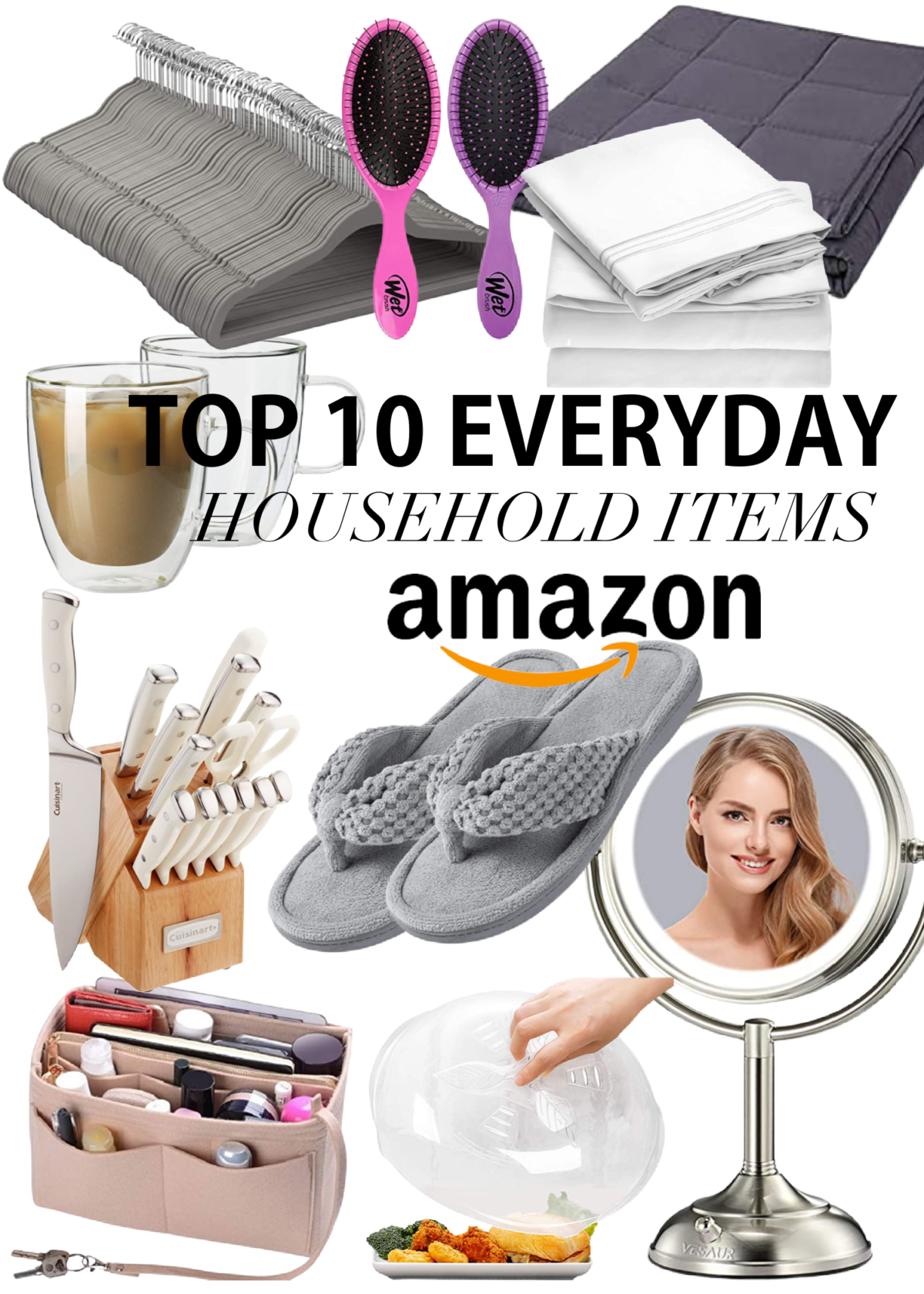
Top 10 Amazon Household Items  All on Prime  Honey We're Home 8 Household Must-Haves from Amazon! in 2020  Household essentials, Household, Household Amazon Household Essentials Sample Box Review – December 2017  My Subscription Addiction
What Is Amazon Household And How To Use It Amazon Household Essentials Sample Box Review - Dec 2017  MSA The Current Household essentials set the pace to start Amazon's fall Prime event
Household Essentials Sample Box $14.99 Shipped & $14.99 Credit - Wheel N Deal Mama Amazon Prime Day: Best Deals on Household Essentials  The Teelie Blog

Closure

Thus, we hope this article has provided valuable insights into A Comprehensive Guide to Amazon Prime Household Essentials. We hope you find this article informative and beneficial. See you in our next article!

Finding Value in Your Neighborhood: A Guide to Affordable Purchases

Introduction

In this auspicious occasion, we are delighted to delve into the intriguing topic related to Finding Value in Your Neighborhood: A Guide to Affordable Purchases. Let’s weave interesting information and offer fresh perspectives to the readers.

Finding Value in Your Neighborhood: A Guide to Affordable Purchases

When it comes to buying, a good strategy is to find the most affordable house in the best

The pursuit of value is a universal human desire. We all seek to maximize our resources and find the best deals, especially in today’s economic climate. While the concept of "cheap things near me to buy" might conjure images of bargain bins and discount stores, the reality is far more nuanced. This guide explores the diverse avenues for finding affordable purchases in your local area, highlighting the importance of mindful consumption and the potential for discovering hidden gems.

Understanding the Value Proposition

The concept of "cheap" is subjective and dependent on individual needs and financial constraints. A purchase that is considered cheap for one person may be expensive for another. Therefore, it is crucial to define "value" in a broader sense, encompassing not only price but also quality, utility, and sustainability.

When seeking affordable options, consider the following factors:

  • Functionality: Does the item serve a practical purpose in your life?
  • Durability: Will the item last for a reasonable amount of time, minimizing the need for replacements?
  • Sustainability: Is the item made from environmentally friendly materials and produced ethically?
  • Emotional Value: Does the item bring you joy or satisfaction?

Unveiling the Hidden Gems: Exploring Local Options

The quest for affordable purchases begins in your own neighborhood. Often, the best deals are found not in sprawling shopping malls but in the smaller, local businesses that contribute to the fabric of your community.

1. Thrift Stores and Consignment Shops: These havens of pre-loved items offer a treasure trove of affordable clothing, furniture, home décor, and more. By choosing secondhand options, you contribute to a circular economy, reducing waste and supporting sustainable practices.

2. Farmers Markets and Local Produce Stands: Fresh, seasonal produce is often more affordable at farmers markets than in supermarkets. You can also find unique artisanal goods like honey, jams, and baked goods at these vibrant community hubs.

3. Flea Markets and Yard Sales: These events offer a chance to discover unique finds at bargain prices. From vintage clothing and antique furniture to handmade crafts and collectible items, flea markets and yard sales provide an opportunity for serendipitous discovery.

4. Community Centers and Libraries: Many community centers and libraries organize events and workshops that are free or low-cost. These programs offer opportunities for learning new skills, engaging in social activities, and enriching your life without breaking the bank.

5. Local Businesses and Independent Stores: Small, independent businesses often offer competitive prices and personalized service. Supporting local businesses not only saves you money but also contributes to the economic well-being of your community.

6. Online Marketplaces: Websites and apps like Craigslist, Facebook Marketplace, and Nextdoor connect local buyers and sellers, allowing you to find a wide range of items at affordable prices.

Beyond the Tangible: The Value of Experiences

While tangible goods hold their place in our lives, it’s important to remember that experiences often provide a more lasting sense of fulfillment. Investing in experiences, especially those that are free or low-cost, can enrich your life and create lasting memories.

1. Free Community Events: Many towns and cities organize free events like concerts, festivals, and art walks. These events offer opportunities for entertainment, cultural immersion, and social connection.

2. Hiking and Outdoor Recreation: Nature provides an abundance of free activities like hiking, biking, and picnicking. These activities offer a chance to escape the hustle and bustle of daily life and connect with the natural world.

3. Libraries and Museums: Libraries offer free access to books, magazines, and online resources, while many museums have free admission days or discounted rates for certain groups.

4. Volunteering: Volunteering offers a sense of purpose, community connection, and personal growth. It’s a rewarding way to give back to your community without spending any money.

FAQs: Navigating the Affordable Landscape

Q: How can I ensure that I’m getting a good deal on a secondhand item?

A: Research the item’s original price and condition to determine a fair price. Inspect the item thoroughly for any signs of damage or wear and tear. Consider negotiating with the seller for a lower price, especially if the item has flaws or is being sold as part of a larger lot.

Q: What are some tips for finding free or low-cost activities in my area?

A: Check local newspapers, community newsletters, and online event calendars for listings of free and low-cost events. Follow local businesses and organizations on social media for updates on promotions and discounts.

Q: How can I make the most of my budget when shopping for groceries?

A: Plan your meals in advance and create a shopping list to avoid impulse purchases. Buy in bulk when possible, especially for non-perishable items. Choose generic brands over name brands. Take advantage of store coupons and loyalty programs.

Tips for Making the Most of Affordable Purchases

  • Embrace the art of negotiation: Don’t be afraid to negotiate with sellers, especially at flea markets, yard sales, and consignment shops.
  • Shop strategically: Consider the time of year and the day of the week when shopping for specific items. Many retailers offer discounts on certain days or during specific seasons.
  • Utilize online resources: Online marketplaces and forums can be valuable resources for finding affordable items and connecting with other bargain hunters.
  • Practice patience and perseverance: Finding the best deals often requires patience and persistence. Don’t get discouraged if you don’t find what you’re looking for immediately.

Conclusion: Cultivating a Mindful Approach to Consumption

Finding affordable purchases is not simply about saving money; it’s about making conscious choices that align with your values and contribute to a more sustainable lifestyle. By embracing local businesses, exploring secondhand options, and prioritizing experiences, you can discover a world of value that extends beyond the price tag. The quest for affordability is a journey of discovery, a testament to human ingenuity, and a reminder that true value lies in the connections we build and the memories we create.

Choosing a Neighborhood [Infographic] Picking a Neighborhood: Tips for Finding the Right Community for Your Family  Raleigh Area Real Choosing the right neighborhood is important when buying a home. This is a great guide for
How a Neighborhood Holds Property Value [Infographic] How To Find Affordable Neighborhoods — Real Estate 101 — Trulia Blog 8 Features That Increase Property Values In My Neighborhood – Real Estate 101 – Trulia Blog
Mastering Your First Home Purchase: Location & Neighborhood Guide How To Use and Setup Your Neighborhood Market Value Alert Search including for Taxes - YouTube

Closure

Thus, we hope this article has provided valuable insights into Finding Value in Your Neighborhood: A Guide to Affordable Purchases. We appreciate your attention to our article. See you in our next article!

Navigating Affordable Living: A Guide to Economical Household Items in Canada

Introduction

In this auspicious occasion, we are delighted to delve into the intriguing topic related to Navigating Affordable Living: A Guide to Economical Household Items in Canada. Let’s weave interesting information and offer fresh perspectives to the readers.

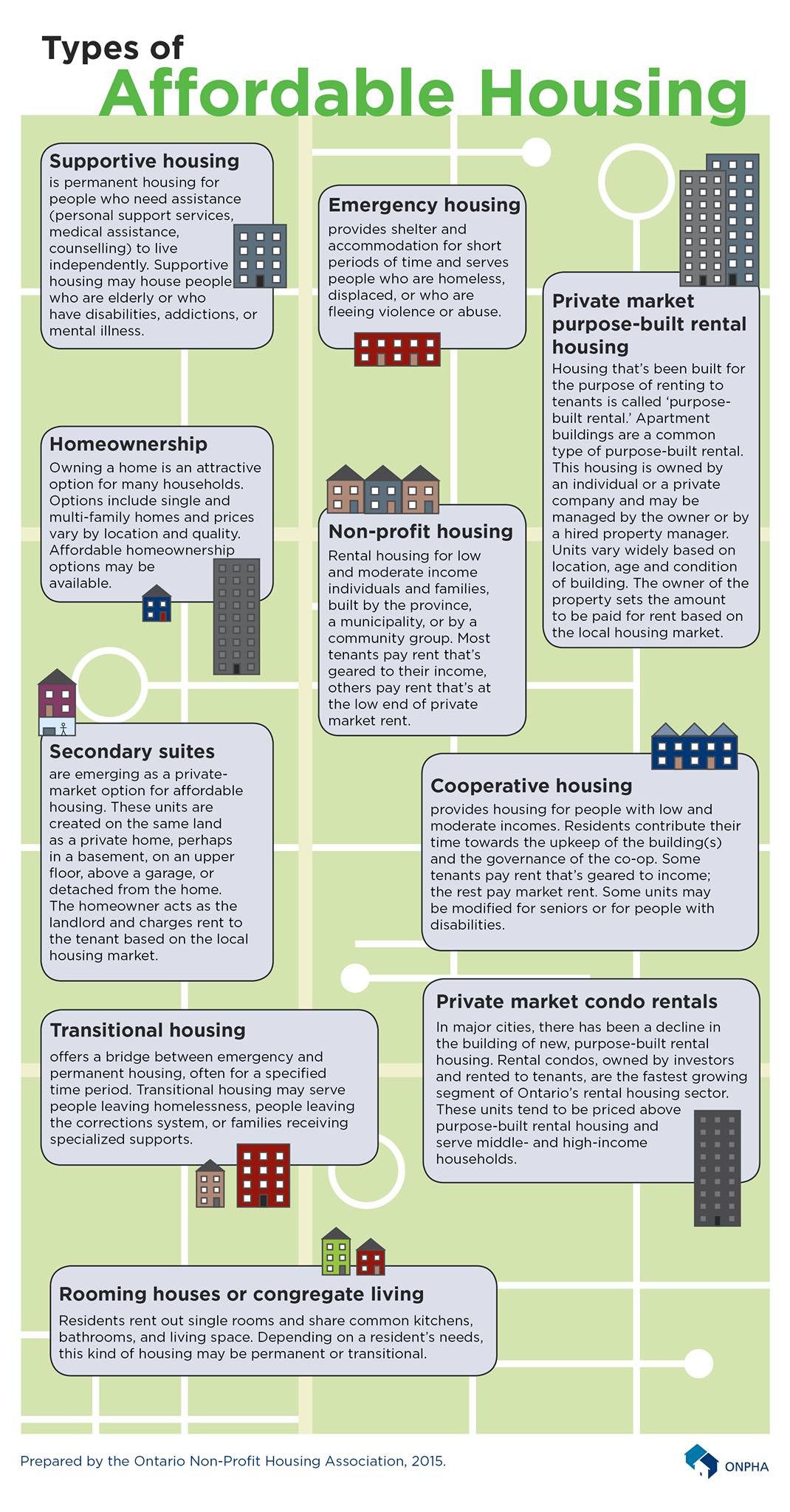
Affordable Housing Infographic

In an era marked by rising costs of living, finding ways to save money on everyday essentials has become a crucial part of managing personal finances. This is particularly true for household items, which are often essential for maintaining a comfortable and functional living space. While quality is undoubtedly important, it is possible to furnish and maintain a home without breaking the bank. This article explores various avenues for acquiring affordable household items in Canada, highlighting strategies and resources that can help individuals and families stretch their budgets.

Understanding the Importance of Affordable Household Items

The financial implications of purchasing household items extend beyond the initial purchase price. For many Canadians, especially those on tight budgets, the affordability of these items directly impacts their overall financial well-being. Consider the following:

  • Reduced Financial Strain: By opting for budget-friendly alternatives, individuals can minimize the financial burden associated with furnishing and maintaining their homes. This can lead to greater financial flexibility and a sense of security.
  • Increased Savings Potential: Allocating less money towards household purchases allows individuals to redirect funds towards other financial goals, such as savings, investments, or debt reduction.
  • Improved Quality of Life: While affordability is paramount, it does not necessarily equate to sacrificing quality. By researching and utilizing various strategies, consumers can find affordable options that meet their needs and enhance their overall living experience.

Exploring Affordable Options: A Comprehensive Guide

Finding affordable household items in Canada involves a multifaceted approach. The following strategies offer a comprehensive guide for navigating the market and making informed purchasing decisions:

1. Second-hand Marketplaces and Thrift Stores:

  • Online Platforms: Websites like Kijiji, Facebook Marketplace, and Craigslist offer a vast selection of used furniture, appliances, and household goods at significantly reduced prices. Buyers can often find gently used items in excellent condition at a fraction of the cost of new.
  • Local Thrift Stores: Organizations like Value Village, Savers, and Salvation Army operate thrift stores across Canada, offering a wide variety of secondhand items, including clothing, furniture, home decor, and kitchenware. These stores are often organized by category, making it easy to find specific items.
  • Garage Sales and Estate Sales: These events offer a unique opportunity to discover hidden treasures at bargain prices. Be prepared to spend time browsing and negotiating, but the potential for finding valuable items at a fraction of their original cost is significant.

2. Discount Retailers and Warehouse Clubs:

  • Big Box Stores: Retailers like Walmart, Canadian Tire, and Costco offer a wide selection of household items at competitive prices. They often have clearance sections and promotional sales, providing opportunities to score great deals.
  • Discount Stores: Dollar stores and discount retailers like Dollarama and Giant Tiger offer budget-friendly options for everyday household items. While the quality might not be as high as premium brands, they can be a cost-effective solution for basic needs.

3. Online Marketplaces and Auction Sites:

  • Online Retailers: Websites like Amazon, eBay, and Wayfair offer a wide range of household items, often with competitive prices and discounts. These platforms allow buyers to compare prices, read reviews, and take advantage of promotional offers.
  • Auction Sites: Sites like eBay and Kijiji allow users to bid on items, potentially securing them at a lower price than the asking amount. While this requires patience and research, it can be an effective way to find unique or discontinued items.

4. Manufacturer Outlet Stores and Clearance Centers:

  • Manufacturer Outlets: Some manufacturers operate outlet stores that sell their products at discounted prices. These outlets often feature overstock, discontinued items, and factory seconds, offering significant savings.
  • Clearance Centers: Department stores and furniture retailers often have clearance centers where they sell items that are discontinued, overstocked, or slightly damaged. These centers can offer substantial discounts on furniture, appliances, and home decor.

5. Utilizing DIY and Upcycling Techniques:

  • DIY Projects: Creating or repairing items yourself can save money and provide a sense of accomplishment. Simple DIY projects like painting furniture, refinishing wooden surfaces, or building shelves can enhance the look and functionality of a home without breaking the bank.
  • Upcycling: Transforming old or unwanted items into new and functional pieces can be a creative and cost-effective way to add character and personality to a home. Upcycling old furniture, repurposing materials, and creating custom pieces can be both environmentally friendly and financially savvy.

6. Taking Advantage of Promotions and Loyalty Programs:

  • Promotional Sales and Discounts: Retailers often run sales and offer discounts on specific items or categories. Keeping an eye out for these promotions can lead to significant savings on household purchases.
  • Loyalty Programs: Many retailers offer loyalty programs that provide points or rewards for purchases. These programs can accumulate points that can be redeemed for discounts or free items, offering ongoing savings.

7. Leveraging Community Resources:

  • Local Community Groups: Facebook groups, online forums, and community centers can connect individuals with local resources, including free or low-cost furniture, appliances, and household items. These groups often facilitate the exchange of used goods between neighbors, reducing waste and promoting affordability.
  • Non-Profit Organizations: Charitable organizations like Habitat for Humanity and ReStore offer affordable home improvement supplies and furniture, often at significantly reduced prices. These organizations also provide resources and support to low-income families seeking to improve their living conditions.

FAQs: Addressing Common Concerns

Q: What are the potential downsides of purchasing secondhand items?

A: While buying used items can be a cost-effective solution, it is important to consider potential downsides. These include:

  • Condition: Secondhand items may show signs of wear and tear, requiring repairs or replacements. Thoroughly inspect items before purchasing and negotiate a price that reflects their condition.
  • Functionality: Used appliances and electronics may not function as effectively as new ones. Ensure items are tested and in working order before purchasing.
  • Hygiene: Used items may require cleaning and sanitizing to ensure hygiene and safety. Consider using appropriate cleaning products and disinfectants before using secondhand items.

Q: How can I ensure the quality of affordable household items?

A: While affordability is important, it is crucial to prioritize quality and safety. Consider the following:

  • Research and Reviews: Read reviews and compare prices from different retailers to determine the best value for your needs.
  • Materials and Construction: Check the materials and construction of items to ensure they are durable and meet your standards.
  • Warranty and Returns: Inquire about warranties and return policies to protect your purchase in case of defects or malfunctions.

Q: Are there any specific categories of household items where affordability is particularly important?

A: Certain household items are often associated with higher costs, making affordability a key consideration:

  • Furniture: Sofas, beds, tables, and chairs can be expensive, making secondhand options or DIY projects particularly attractive.
  • Appliances: Refrigerators, ovens, washers, and dryers are significant investments. Consider purchasing used or refurbished appliances from reputable sources.
  • Kitchenware: Pots, pans, dishes, and cutlery can add up quickly. Thrift stores, discount retailers, and online marketplaces offer affordable options.

Tips for Maximizing Affordability

  • Prioritize Needs over Wants: Focus on purchasing essential items first and gradually add non-essential items as your budget allows.
  • Plan and Budget: Create a budget for household purchases and stick to it. Consider using a spreadsheet or budgeting app to track expenses.
  • Negotiate Prices: Don’t be afraid to negotiate prices with sellers, especially when purchasing secondhand items.
  • Consider DIY Solutions: Explore DIY projects and upcycling techniques to create unique and affordable home decor and furniture.
  • Shop Smart: Take advantage of promotions, loyalty programs, and clearance sales to maximize savings.
  • Compare Prices: Compare prices from different retailers before making a purchase. Consider using price comparison websites or apps.

Conclusion: Embracing Affordable Living in Canada

Finding affordable household items in Canada is achievable through a combination of smart shopping strategies, resourcefulness, and a commitment to prioritizing needs over wants. By exploring secondhand markets, discount retailers, online marketplaces, and DIY options, individuals can furnish and maintain their homes without compromising on quality or breaking the bank. Embracing affordability empowers Canadians to live comfortably and sustainably, allowing them to focus on other financial priorities and enhance their overall well-being. Remember, a well-furnished and functional home does not have to be expensive, and finding affordable solutions can be a rewarding journey of resourcefulness and creativity.

Infographic: Types of Affordable Housing  The Homeless Hub How to Live Cheap: 35 Cheap Living Tips for Families - This Mama Blogs  Frugal living tips This is the cheapest house you can buy in Toronto right now
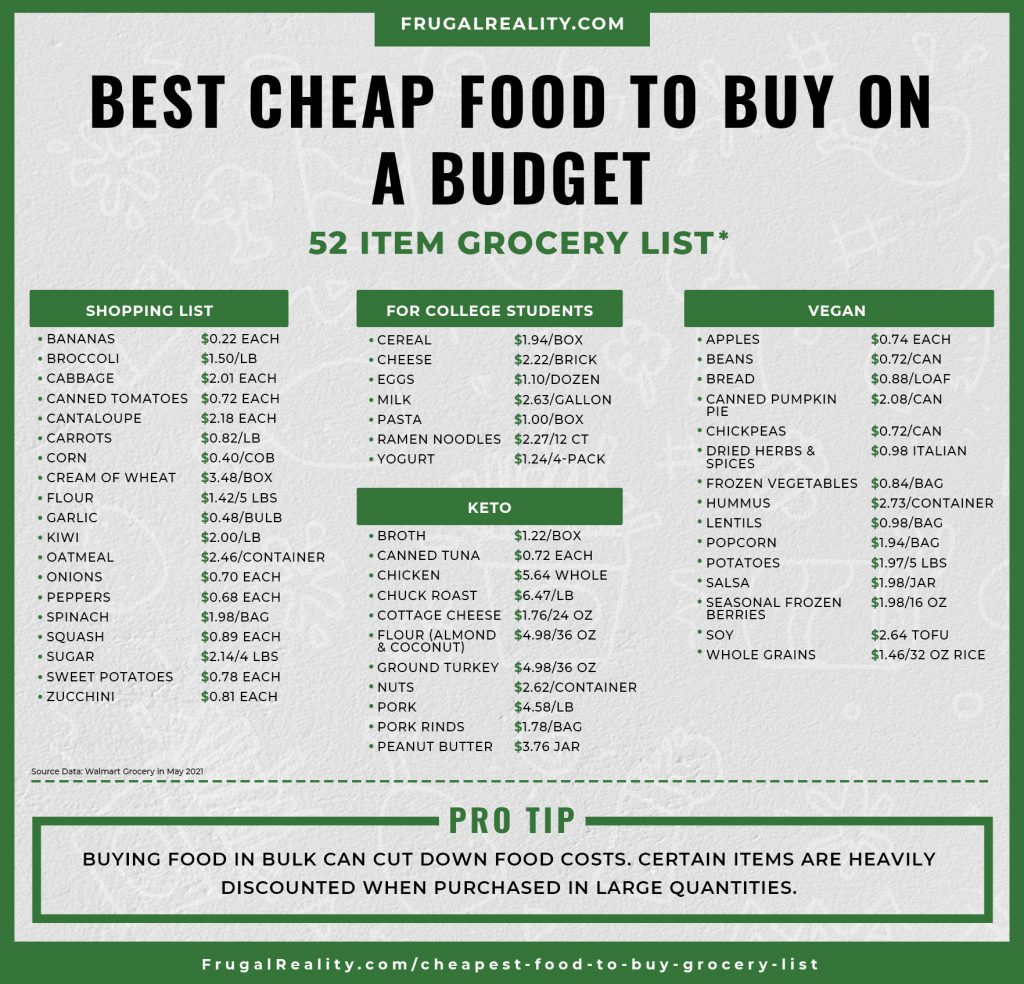
Affordable Calgary Neighbourhoods: Your Guide to Living in Calgary, AB Family Affordable Housing stock image. Image of economic - 126357561 53 Best Cheapest Foods To Buy On A Budget - Cheap Grocery List (INFOGRAPHIC) - Frugal Living
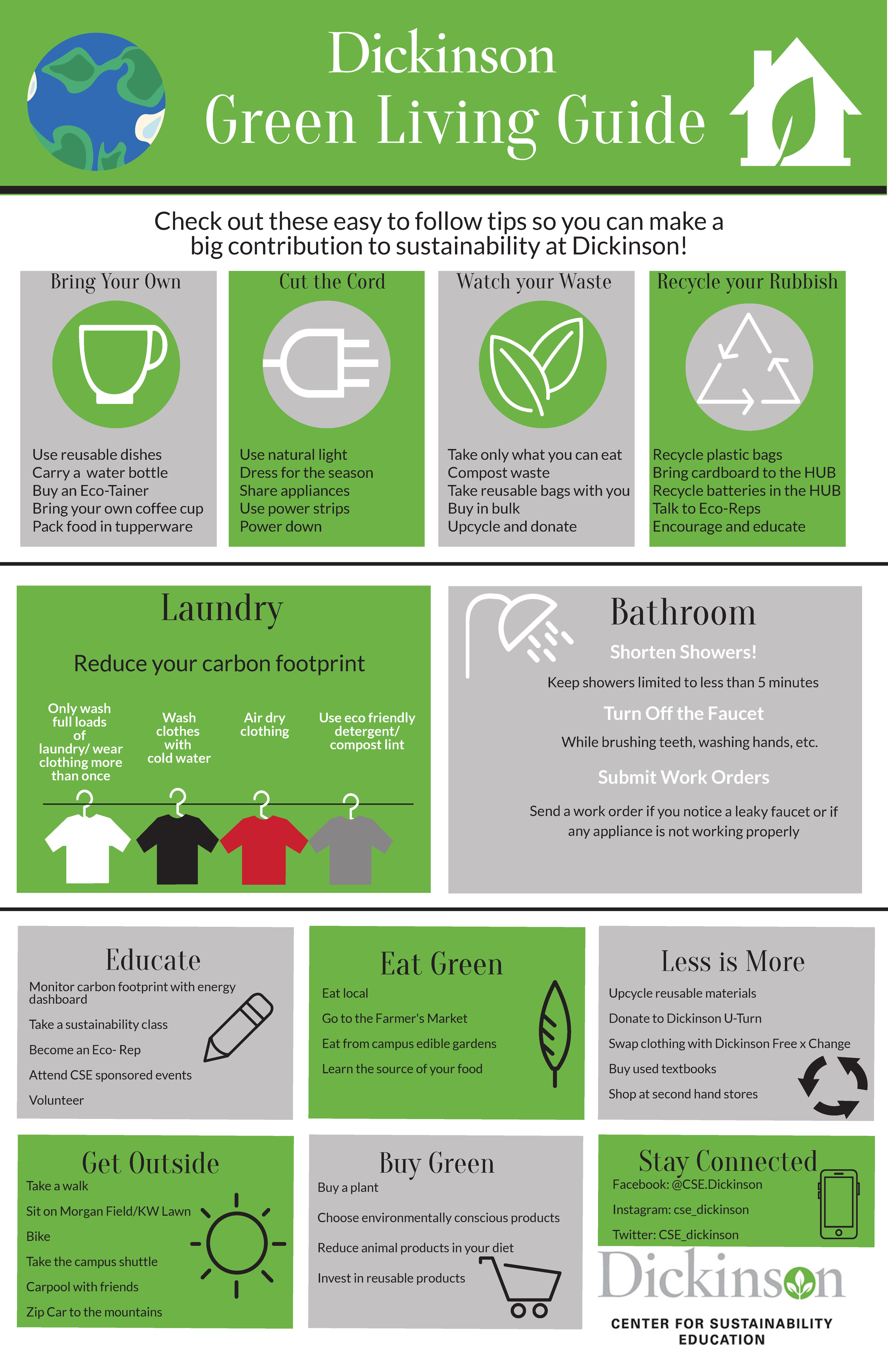
Sustainable Living  Eco-Reps  Dickinson College Navigating The Cost of Living at Home Report – Barratt Homes

Closure

Thus, we hope this article has provided valuable insights into Navigating Affordable Living: A Guide to Economical Household Items in Canada. We thank you for taking the time to read this article. See you in our next article!

The Unsung Heroes of the Home: Exploring Five-Letter Household Items

Introduction

With great pleasure, we will explore the intriguing topic related to The Unsung Heroes of the Home: Exploring Five-Letter Household Items. Let’s weave interesting information and offer fresh perspectives to the readers.

The Unsung Heroes of the Home: Exploring Five-Letter Household Items

Unsung Heroes – A Hero at Home  GRANDVIEW CHURCH

The everyday objects that populate our homes often go unnoticed, their importance overshadowed by the larger, more visually striking appliances and furniture. Yet, within this seemingly mundane collection of items, lies a universe of functionality and design, each playing a crucial role in maintaining our comfort, hygiene, and overall well-being. This exploration delves into the world of five-letter household items, revealing their often overlooked contributions to our daily lives.

1. Brush: A seemingly simple tool, the brush embodies a remarkable versatility. From the humble toothbrush that safeguards our oral health to the sweeping brush that keeps our floors pristine, brushes are indispensable for maintaining cleanliness and order. Their effectiveness stems from their ability to remove dirt, debris, and loose particles, making them crucial for both personal hygiene and home maintenance.

1.1. FAQs about Brushes:

  • What are the different types of brushes used in the home? Brushes are diverse in their application, ranging from toothbrushes, hairbrushes, and makeup brushes for personal care to floor brushes, dust brushes, and paint brushes for cleaning and maintenance.

  • How often should brushes be cleaned and replaced? The frequency of cleaning and replacement varies depending on the brush type and usage. Toothbrushes should be replaced every three months, while floor brushes may require cleaning after each use.

  • What are the benefits of using natural bristle brushes? Natural bristle brushes are often preferred for their durability and effectiveness in removing dirt and grime. However, synthetic bristle brushes are becoming increasingly popular due to their affordability and ease of cleaning.

1.2. Tips for Using Brushes Effectively:

  • Choose the right brush for the task: Different brushes are designed for specific purposes. Selecting the appropriate brush ensures optimal cleaning and prevents damage to surfaces.

  • Use gentle pressure: Excessive pressure can damage surfaces or bristles. Apply firm but gentle pressure when using brushes to achieve the desired results.

  • Clean brushes regularly: Regularly cleaning brushes prevents the accumulation of dirt and bacteria, ensuring their effectiveness and longevity.

2. Chair: A ubiquitous piece of furniture, the chair provides a comfortable and essential seating option for a multitude of activities. From dining to working to simply relaxing, chairs offer a vital respite from standing, providing support and comfort. The design and functionality of chairs have evolved significantly over time, reflecting changing lifestyles and aesthetic preferences.

2.1. FAQs about Chairs:

  • What are the different types of chairs commonly found in homes? Chairs come in a variety of styles, including dining chairs, armchairs, rocking chairs, and office chairs, each designed for specific purposes and environments.

  • What factors should be considered when choosing a chair? When selecting a chair, consider factors such as comfort, durability, style, and functionality. The chair should be suitable for its intended use and complement the existing furniture.

  • How can I maintain the longevity of my chairs? Regular cleaning and proper maintenance are essential for extending the life of chairs. Upholstery should be cleaned as needed, and wooden frames should be polished regularly to prevent damage.

2.2. Tips for Using Chairs Effectively:

  • Choose the right chair for the task: Select a chair that provides adequate support and comfort for the intended activity.

  • Maintain proper posture: Sitting upright with proper back support reduces strain and promotes good posture.

  • Consider ergonomics: Ergonomic chairs are designed to promote comfort and reduce strain on the body, particularly for prolonged sitting.

3. Cloth: A versatile material with countless applications, cloth plays a vital role in our daily lives. From clothing and bedding to towels and tablecloths, cloth provides comfort, warmth, and protection. Its versatility stems from its ability to absorb moisture, resist wear and tear, and adapt to various forms and functions.

3.1. FAQs about Cloth:

  • What are the different types of cloth commonly used in the home? Cloth encompasses a wide range of materials, including cotton, linen, silk, wool, and synthetics, each possessing unique properties and applications.

  • How should different types of cloth be cared for? Different types of cloth require specific care instructions, including washing, drying, and ironing. Following these instructions ensures the longevity and quality of the cloth.

  • What are the benefits of using natural fibers in cloth? Natural fibers, such as cotton and linen, are breathable, hypoallergenic, and biodegradable, making them desirable for clothing and bedding.

3.2. Tips for Using Cloth Effectively:

  • Choose the right cloth for the task: Select cloth that is suitable for its intended use, considering factors such as durability, absorbency, and breathability.

  • Follow care instructions: Adhering to care instructions ensures the longevity and quality of the cloth.

  • Consider sustainability: Choose cloth made from sustainable and environmentally friendly materials whenever possible.

4. Floor: The foundation of our homes, the floor serves as a crucial element in defining the aesthetic and functional aspects of our living spaces. From hardwood to tile to carpet, the choice of flooring material significantly impacts the overall feel and atmosphere of a room.

4.1. FAQs about Floors:

  • What are the different types of flooring commonly used in homes? Flooring options include hardwood, tile, carpet, laminate, and vinyl, each offering unique benefits and drawbacks in terms of durability, aesthetics, and maintenance.

  • How should different types of flooring be cleaned and maintained? Each flooring type requires specific cleaning and maintenance techniques to preserve its appearance and longevity. Regular sweeping, mopping, and professional cleaning are essential for maintaining the floor’s integrity.

  • What factors should be considered when choosing flooring? Factors such as lifestyle, budget, aesthetics, and desired durability should be considered when selecting flooring for a home.

4.2. Tips for Using Floors Effectively:

  • Choose the right flooring for the space: Consider the intended use of the room and the desired aesthetic when selecting flooring.

  • Maintain a clean and tidy floor: Regular cleaning and maintenance are essential for preserving the appearance and longevity of the floor.

  • Use rugs and mats to protect high-traffic areas: Rugs and mats can help protect the floor in areas that experience heavy foot traffic.

5. Table: A central hub in many homes, the table serves a multitude of purposes, from dining and working to playing games and hosting gatherings. Its functionality and design have evolved significantly throughout history, reflecting changing lifestyles and cultural preferences.

5.1. FAQs about Tables:

  • What are the different types of tables commonly found in homes? Tables come in a variety of styles, including dining tables, coffee tables, end tables, and desk tables, each designed for specific functions and spaces.

  • What factors should be considered when choosing a table? When selecting a table, consider factors such as size, shape, material, style, and functionality. The table should be suitable for its intended use and complement the existing furniture.

  • How can I maintain the longevity of my tables? Regular cleaning and proper maintenance are essential for extending the life of tables. Wooden tables should be polished regularly, and glass or metal tables should be cleaned with appropriate cleaning solutions.

5.2. Tips for Using Tables Effectively:

  • Choose the right table for the task: Select a table that provides adequate space and functionality for the intended activity.

  • Use tablecloths or placemats to protect the surface: Tablecloths or placemats can help prevent scratches and stains on the table surface.

  • Consider the placement of the table: Position the table in a location that is accessible and convenient for its intended use.

Conclusion:

While seemingly insignificant, these five-letter household items play a crucial role in our daily lives, contributing to our comfort, hygiene, and overall well-being. Their unassuming presence often goes unnoticed, yet their absence would be immediately felt. From the simple brush that keeps our homes clean to the sturdy table that provides a central hub for family gatherings, each item contributes to the functionality and aesthetic appeal of our homes. Understanding the importance and versatility of these everyday objects allows us to appreciate their contributions and to utilize them effectively in creating comfortable and functional living spaces.

The housekeeper’s concealed: Unveiling the Unsung Heroes: Exploring the World of Housekeepers Unsung Heroes - The Golden Mask Official Walkthrough - GameHouse Today's unsung heroes : remain at house moms
Play Unsung Heroes Online for Free on PC & Mobile  now.gg Unsung Heroes: Real Stories to Inspire You – St Pauls BYB Household items, Learning printables, Household
The Unsung Heroes - The Unsung Heroes Poem by Paul Laurence Dunbar For King & Nation’s Unsung Hero Film Introduces First Have a look at the Smallbone Household

Closure

Thus, we hope this article has provided valuable insights into The Unsung Heroes of the Home: Exploring Five-Letter Household Items. We hope you find this article informative and beneficial. See you in our next article!

Navigating the Landscape of Affordable Goods: A Comprehensive Guide

Introduction

With enthusiasm, let’s navigate through the intriguing topic related to Navigating the Landscape of Affordable Goods: A Comprehensive Guide. Let’s weave interesting information and offer fresh perspectives to the readers.

Finding Affordable Wholesale Products: A Comprehensive Guide for Store Owners - 4sgm Blog

In today’s economic climate, acquiring goods at competitive prices is a necessity for many individuals and households. This pursuit of affordability often involves navigating a complex landscape of strategies, tactics, and marketplaces. This article aims to provide a comprehensive guide to acquiring goods at lower prices, outlining key approaches and considerations for consumers seeking value in their purchases.

Understanding the Dynamics of Price Fluctuation

The price of goods is influenced by numerous factors, including supply and demand, manufacturing costs, transportation, and retailer markups. Understanding these dynamics is crucial for identifying opportunities to acquire goods at lower prices.

  • Supply and Demand: When demand for a product exceeds supply, prices tend to rise. Conversely, when supply outpaces demand, prices typically decline. This fundamental principle guides many strategies for acquiring goods at lower prices.
  • Manufacturing Costs: Fluctuations in raw material costs, labor expenses, and production processes can influence the final price of a product. Manufacturers may pass on these costs to consumers, resulting in higher prices.
  • Transportation: The cost of transporting goods from production facilities to retail outlets can significantly impact the final price. Factors like fuel prices, shipping routes, and logistical efficiency all contribute to this cost.
  • Retailer Markups: Retailers add a markup to the cost of goods to cover their operating expenses and generate profit. This markup can vary significantly depending on the retailer’s business model, location, and competitive landscape.

Strategies for Acquiring Goods at Lower Prices

Several strategies can be employed to acquire goods at lower prices. These approaches often involve a combination of research, planning, and negotiation:

1. Timing your Purchases:

  • Seasonal Sales: Many retailers offer significant discounts on seasonal goods, especially during holidays or at the end of a season. By planning purchases around these periods, consumers can often secure substantial savings.
  • End-of-Line Clearance: Retailers frequently clear out older inventory to make room for new products. These clearance sales can offer deep discounts on a variety of goods.
  • Black Friday and Cyber Monday: These annual shopping events are known for their substantial price reductions across various product categories. However, it’s crucial to plan ahead and compare prices to ensure genuine deals.

2. Utilizing Online Marketplaces:

  • Comparison Shopping Websites: Websites like Google Shopping, PriceRunner, and CamelCamelCamel allow consumers to compare prices from multiple retailers for the same product. This comparison can reveal significant price differences and help consumers identify the best deals.
  • E-commerce Platforms: Online marketplaces like Amazon, eBay, and Etsy offer a vast selection of goods at competitive prices. These platforms often feature sales, discounts, and promotions that can lead to significant savings.
  • Auction Sites: Auction websites like eBay and Craigslist offer a unique opportunity to acquire goods at potentially lower prices through bidding. However, it’s essential to research the seller’s reputation and the condition of the product before bidding.

3. Leveraging Discounts and Promotions:

  • Couponing and Cashback Apps: Numerous apps and websites offer coupons, cashback rewards, and promotional codes for various retailers. Utilizing these resources can significantly reduce the cost of goods.
  • Loyalty Programs: Many retailers offer loyalty programs that reward frequent customers with discounts, exclusive offers, and other benefits. Participating in these programs can lead to long-term savings.
  • Student and Senior Discounts: Some retailers offer discounts to students and senior citizens. These discounts can provide significant savings on a wide range of goods.

4. Seeking Out Alternatives:

  • Second-hand Stores and Thrift Shops: These establishments offer a wide selection of used goods at significantly lower prices compared to new products. While quality can vary, second-hand stores can be a great source of affordable goods.
  • Community Markets and Swap Meets: Local markets and swap meets often feature vendors selling used and new goods at competitive prices. These events can offer unique opportunities to find bargains.
  • DIY Projects and Repairs: Instead of purchasing new items, consider repairing or repurposing existing goods. This can significantly reduce costs and minimize waste.

5. Negotiating Prices:

  • Bargaining at Flea Markets and Thrift Shops: Many vendors at flea markets and thrift shops are open to negotiation, especially for larger purchases or items that have been on display for a while.
  • Negotiating with Local Businesses: Small businesses are often more flexible with pricing than larger corporations. Don’t hesitate to inquire about potential discounts or special offers.
  • Online Negotiation Platforms: Websites like Priceline and Hotwire allow users to negotiate prices for hotels, flights, and rental cars. This can be a valuable tool for securing lower prices on travel-related services.

6. Utilizing Credit Cards Wisely:

  • Cashback Rewards: Many credit cards offer cashback rewards on purchases, allowing consumers to earn money back on their spending. Choosing a card with a high cashback rate can significantly reduce the effective cost of goods.
  • Points Programs: Some credit cards offer points programs that allow consumers to accumulate points redeemable for travel, merchandise, or cash back. These programs can provide additional value on purchases.
  • Introductory Offers: Credit cards often offer introductory periods with low interest rates or zero annual fees. Utilizing these offers can help consumers save money on interest charges and annual fees.

Importance of Acquiring Goods at Lower Prices

The ability to acquire goods at lower prices holds significant importance for individuals and households:

  • Increased Affordability: Lower prices make goods more accessible to a wider range of consumers, enabling individuals and families to meet their needs and wants within their budget.
  • Enhanced Financial Security: By reducing spending on goods, individuals can free up funds for other essential expenses, such as savings, debt repayment, or investments.
  • Improved Standard of Living: Acquiring goods at lower prices allows individuals to enjoy a higher standard of living without sacrificing financial stability.
  • Reduced Financial Stress: Finding affordable goods can alleviate financial stress and anxiety, leading to greater peace of mind and overall well-being.

FAQs Regarding Acquiring Goods at Lower Prices:

Q: How can I be sure that I’m getting a genuine deal?

A: It’s essential to research prices, compare offers from multiple retailers, and check the product’s condition before making a purchase. Be wary of offers that seem too good to be true, as they may be scams or involve low-quality products.

Q: What are some common pitfalls to avoid when seeking out lower prices?

A: Avoid impulsive purchases, overspending on items you don’t need, and falling prey to marketing tactics that create a sense of urgency or scarcity. Remember, patience and research are key to finding genuine deals.

Q: Is it ethical to haggle or negotiate prices?

A: Haggling and negotiation are common practices in many cultures and can be a legitimate way to acquire goods at lower prices. However, it’s important to be respectful and considerate of the seller’s position.

Q: How can I balance acquiring goods at lower prices with supporting local businesses?

A: Consider supporting local businesses by purchasing goods from them whenever possible, even if the prices are slightly higher. Local businesses often offer personalized service, community involvement, and unique products that may not be available elsewhere.

Tips for Acquiring Goods at Lower Prices:

  • Set a Budget: Before making any purchases, establish a clear budget and stick to it. This will prevent overspending and ensure that you’re acquiring goods within your means.
  • Prioritize Needs over Wants: Focus on purchasing essential goods that you truly need rather than indulging in unnecessary wants. This will help you allocate your resources effectively and avoid unnecessary expenses.
  • Embrace Patience: Finding the best deals often requires time and effort. Don’t rush into purchases; instead, take your time to research, compare prices, and wait for sales or promotions.
  • Utilize Technology: Leverage online tools and apps to compare prices, find coupons, and track product prices over time. These resources can significantly enhance your ability to acquire goods at lower prices.
  • Consider the Long-Term Value: When making purchases, consider the product’s long-term value and durability. Investing in high-quality goods that will last longer can ultimately save you money in the long run.

Conclusion

Acquiring goods at lower prices requires a strategic approach, encompassing research, planning, and a willingness to explore various options. By understanding the dynamics of price fluctuation, utilizing available strategies, and embracing a mindful approach to consumption, individuals and households can navigate the landscape of affordability and secure the goods they need at competitive prices. This pursuit of value not only enhances financial security but also contributes to a more sustainable and responsible approach to consumerism.

Navigating the Wholesale Landscape: Finding Affordable Products in 2023 - 4sgm Blog Navigating the Fast-Moving Consumer Goods Landscape. PPT - Navigating the Landscape_ A Comprehensive Guide to Small Business Loans for Entrepreneurs
Navigating the Evolving Landscape of Savings: Insights for Today's Generation Walmart: Navigating a Changing Retail Landscape (2018) Navigating GST Registration for Goods: Basics, Process & Benefits
Navigating the Investment Landscape: Affordable Guidance for Smart Investors  Sensible Navigating the E-commerce Landscape with CRM Integration

Closure

Thus, we hope this article has provided valuable insights into Navigating the Landscape of Affordable Goods: A Comprehensive Guide. We thank you for taking the time to read this article. See you in our next article!

Navigating Prostate Health: Exploring Natural Options

Introduction

With great pleasure, we will explore the intriguing topic related to Navigating Prostate Health: Exploring Natural Options. Let’s weave interesting information and offer fresh perspectives to the readers.

THIS IS THE BEST NATURAL REMEDY FOR PROSTATE IN THE WORLD! - Every Day Life Magazine  Natural

The prostate gland, a walnut-sized organ located below the bladder, plays a vital role in male reproductive health. As men age, the prostate often undergoes changes, leading to various conditions, collectively known as prostate problems. These conditions can range from benign prostatic hyperplasia (BPH), an enlarged prostate, to more serious conditions like prostatitis, inflammation of the prostate, and prostate cancer. While conventional medical treatments exist, many men seek natural approaches to manage prostate health.

Understanding Prostate Problems and Their Impact

Before delving into natural options, it’s essential to understand the complexities of prostate problems.

  • Benign Prostatic Hyperplasia (BPH): This non-cancerous enlargement of the prostate is common in men over 50, often leading to urinary issues like frequent urination, difficulty starting urination, and weak urine flow.
  • Prostatitis: This inflammation of the prostate can be acute or chronic, causing pain, discomfort, and urinary symptoms.
  • Prostate Cancer: This is a serious condition that can be slow-growing or aggressive. Early detection is crucial for effective treatment.

The Role of Natural Products in Prostate Health

Natural products, derived from plants, herbs, and other natural sources, have garnered interest for their potential benefits in prostate health. While research is ongoing, some natural products have shown promise in addressing various aspects of prostate problems.

Promising Natural Products for Prostate Health

1. Saw Palmetto:

  • Mechanism of Action: Saw palmetto, derived from the berries of a dwarf palm tree, is believed to inhibit the conversion of testosterone to dihydrotestosterone (DHT), a hormone that contributes to prostate growth.
  • Potential Benefits: Studies suggest saw palmetto may help reduce urinary symptoms associated with BPH, improve urine flow, and decrease prostate size.
  • Dosage and Safety: The typical dosage is 160 mg per day. However, it’s crucial to consult a healthcare professional for personalized recommendations. Saw palmetto is generally considered safe, but potential side effects include gastrointestinal upset and headaches.

2. Pygeum Africanum:

  • Mechanism of Action: This extract from the bark of the African cherry tree is thought to reduce inflammation in the prostate and improve urinary flow.
  • Potential Benefits: Research suggests pygeum may help alleviate urinary symptoms associated with BPH, including frequent urination and difficulty starting urination.
  • Dosage and Safety: The typical dosage is 100-200 mg per day. Pygeum is generally safe, but potential side effects include gastrointestinal upset and skin rash.

3. Pumpkin Seed Oil:

  • Mechanism of Action: Pumpkin seed oil contains phytosterols, plant-based compounds that may help reduce prostate growth and improve urinary flow.
  • Potential Benefits: Studies suggest pumpkin seed oil may help alleviate urinary symptoms associated with BPH, reduce prostate size, and improve overall prostate health.
  • Dosage and Safety: The typical dosage is 10 ml per day. Pumpkin seed oil is generally safe, but potential side effects include gastrointestinal upset and allergic reactions.

4. Green Tea Extract:

  • Mechanism of Action: Green tea extract contains catechins, powerful antioxidants that may help protect against prostate cancer.
  • Potential Benefits: Studies suggest green tea extract may inhibit the growth of prostate cancer cells and have anti-inflammatory effects.
  • Dosage and Safety: The typical dosage is 200-400 mg per day. Green tea extract is generally safe, but potential side effects include insomnia and gastrointestinal upset.

5. Lycopene:

  • Mechanism of Action: Lycopene, a powerful antioxidant found in tomatoes and other red fruits, may help protect against prostate cancer.
  • Potential Benefits: Studies suggest lycopene may reduce the risk of developing prostate cancer and slow its progression.
  • Dosage and Safety: The recommended daily intake is 10-30 mg. Lycopene is generally safe, but potential side effects include gastrointestinal upset.

6. Zinc:

  • Mechanism of Action: Zinc is an essential mineral that plays a role in prostate health. It may help regulate prostate growth and reduce inflammation.
  • Potential Benefits: Studies suggest zinc may help alleviate urinary symptoms associated with BPH and improve prostate function.
  • Dosage and Safety: The recommended daily intake for men is 11 mg. Zinc supplements are generally safe, but potential side effects include gastrointestinal upset and nausea.

7. Selenium:

  • Mechanism of Action: Selenium is an essential mineral that acts as an antioxidant and may help protect against prostate cancer.
  • Potential Benefits: Studies suggest selenium may reduce the risk of developing prostate cancer and slow its progression.
  • Dosage and Safety: The recommended daily intake for men is 55 mcg. Selenium supplements are generally safe, but potential side effects include gastrointestinal upset and hair loss.

8. Quercetin:

  • Mechanism of Action: Quercetin, a flavonoid found in onions, apples, and berries, may have anti-inflammatory and antioxidant properties that benefit prostate health.
  • Potential Benefits: Studies suggest quercetin may help reduce urinary symptoms associated with BPH and protect against prostate cancer.
  • Dosage and Safety: The typical dosage is 500-1000 mg per day. Quercetin is generally safe, but potential side effects include gastrointestinal upset and headache.

9. Beta-Sitosterol:

  • Mechanism of Action: Beta-sitosterol, a plant sterol found in various plants, may help reduce prostate growth and improve urinary flow.
  • Potential Benefits: Studies suggest beta-sitosterol may help alleviate urinary symptoms associated with BPH and reduce prostate size.
  • Dosage and Safety: The typical dosage is 130 mg per day. Beta-sitosterol is generally safe, but potential side effects include gastrointestinal upset and headache.

Important Considerations

While these natural products show promise, it’s crucial to understand the limitations and potential risks associated with their use:

  • Limited Research: While some studies suggest potential benefits, more research is needed to confirm their effectiveness and safety for long-term use.
  • Individual Variation: The effectiveness of natural products can vary significantly from person to person.
  • Potential Interactions: Natural products can interact with other medications or supplements.
  • Quality Control: The quality and purity of natural products can vary. It’s essential to choose reputable brands and discuss their use with a healthcare professional.

FAQs Regarding Natural Products for Prostate Health

Q: Are natural products a cure for prostate problems?

A: Natural products are not cures for prostate problems. They may help manage symptoms and potentially slow the progression of certain conditions, but they cannot replace conventional medical treatments.

Q: How long does it take for natural products to work?

A: The time it takes for natural products to show effects can vary depending on the individual, the product, and the underlying condition. Some may experience improvements within a few weeks, while others may take months.

Q: Can natural products be used alongside conventional treatments?

A: It’s essential to discuss the use of natural products with a healthcare professional before combining them with conventional treatments. Some natural products may interact with medications or affect the effectiveness of treatments.

Q: Are natural products safe for everyone?

A: Natural products are not necessarily safe for everyone. Some individuals may experience side effects or allergic reactions. It’s crucial to consult a healthcare professional before using any natural products, especially if you have pre-existing medical conditions or are taking other medications.

Tips for Using Natural Products for Prostate Health

  • Consult a Healthcare Professional: Always discuss the use of natural products with a healthcare professional, especially if you have any underlying medical conditions or are taking other medications.
  • Choose Reputable Brands: Select natural products from reputable brands that undergo quality control testing.
  • Start with a Low Dose: Begin with a low dose and gradually increase it as needed, monitoring for any side effects.
  • Be Patient: It may take several weeks or months to see noticeable improvements.
  • Maintain a Healthy Lifestyle: Combine natural products with a healthy diet, regular exercise, and stress management techniques for optimal prostate health.

Conclusion

Prostate problems are a common concern for men, and while conventional medical treatments are available, many seek natural approaches to manage their health. While some natural products, such as saw palmetto, pygeum africanum, and pumpkin seed oil, show promise in addressing certain aspects of prostate health, it’s essential to approach them with caution.

Remember, natural products are not a substitute for conventional medical treatments. It’s crucial to consult a healthcare professional to discuss the potential benefits and risks of using natural products for prostate health. By combining natural approaches with a healthy lifestyle and appropriate medical care, men can take proactive steps towards maintaining optimal prostate health.

Treatment for Prostate Enlargement - Philadelphia Holistic Clinic - Dr. Tsan Top Natural Remedies for Prostate Health  Natural remedies, Prostate health, Health Pin on Prostate
How to Treat An Enlarged Prostate (Benign Prostatic Hyperplasia): 12 Natural Treatments - YouTube Best Natural Treatment Of Prostate With Food - Prosman Best Treatment For Enlarged Prostate - Home Remedies That Can Shrink The Prostate Naturally
AGEprost® Best Natural Herbal Prostate Health Support – Avani Wellness Prostate Health: Top 7 Foods to Support a Healthy Prostate

Closure

Thus, we hope this article has provided valuable insights into Navigating Prostate Health: Exploring Natural Options. We appreciate your attention to our article. See you in our next article!

The Allure of the Collectible: A Guide to Understanding and Acquiring Desirable Items

Introduction

With enthusiasm, let’s navigate through the intriguing topic related to The Allure of the Collectible: A Guide to Understanding and Acquiring Desirable Items. Let’s weave interesting information and offer fresh perspectives to the readers.

The Allure of the Collectible: A Guide to Understanding and Acquiring Desirable Items

Guide to Collectible Antiques – One Kings Lane — Our Style Blog

The world of collectibles encompasses a vast and diverse landscape, attracting individuals with a passion for history, art, and the tangible representation of bygone eras. From antique furniture and vintage toys to rare stamps and first edition books, collectibles offer a unique window into the past, reflecting cultural trends, technological advancements, and the evolution of human ingenuity. This article aims to provide a comprehensive understanding of the collectible market, exploring its nuances, benefits, and the key factors that drive its appeal.

Understanding the Essence of Collectibles

Collectibles are objects that hold intrinsic value beyond their practical utility. They are often associated with nostalgia, historical significance, aesthetic appeal, or a combination of these factors. Their value is determined by a confluence of elements, including:

  • Rarity: Limited availability, whether due to production runs, historical events, or natural occurrences, significantly contributes to a collectible’s value.
  • Condition: The state of preservation plays a crucial role. Items in excellent condition, free from damage or wear, command higher prices.
  • Demand: The popularity and desirability of a collectible within a specific market directly influence its value.
  • Historical Significance: Items associated with notable events, individuals, or movements often hold significant historical value, driving their desirability.
  • Aesthetic Appeal: Objects with exceptional design, craftsmanship, or artistic merit are highly sought after by collectors.

The Benefits of Collecting

Beyond the inherent pleasure derived from possessing unique and treasured items, collecting offers a range of benefits:

  • Investment Potential: While not guaranteed, some collectibles can appreciate in value over time, potentially offering a return on investment.
  • Historical Preservation: Collectors play a crucial role in preserving historical artifacts, ensuring their survival for future generations.
  • Educational Value: Engaging with collectibles fosters an understanding of different eras, cultures, and artistic movements.
  • Community Building: Collectors often connect with like-minded individuals through clubs, exhibitions, and online forums, fostering a sense of community.
  • Personal Fulfillment: The act of collecting can be deeply satisfying, providing a sense of accomplishment, purpose, and enjoyment.

Navigating the Collectible Market

The collectible market is vast and diverse, requiring careful navigation to ensure successful acquisition. Here are key considerations for aspiring collectors:

  • Identify Your Interests: Defining your area of interest, whether it be vintage toys, antique furniture, or rare coins, helps focus your search.
  • Research Thoroughly: Understanding the history, value, and market trends of your chosen collectible is crucial.
  • Establish a Budget: Setting a realistic budget prevents overspending and ensures sustainable collecting practices.
  • Seek Expert Advice: Consulting with experienced collectors, dealers, or appraisers can provide valuable insights and guidance.
  • Be Patient and Persistent: Building a collection takes time and effort. Patience and persistence are essential for finding desirable items.

Popular Categories of Collectibles

The world of collectibles is incredibly diverse, encompassing a wide range of categories. Here are some of the most popular:

  • Art and Antiques: Paintings, sculptures, furniture, ceramics, and other decorative objects from various periods and styles.
  • Stamps and Coins: Rare stamps and coins, particularly those with historical significance or unique designs, are highly sought after.
  • Books and Manuscripts: First editions, signed copies, and rare manuscripts hold significant value for bibliophiles.
  • Toys and Games: Vintage toys, board games, and action figures evoke nostalgia and can be valuable, particularly those in excellent condition.
  • Vintage Clothing and Accessories: Fashion items from past eras, especially those associated with iconic designers or cultural movements, are highly collectible.
  • Music and Film Memorabilia: Signed albums, concert posters, movie props, and other items related to popular music and film can be valuable.
  • Sports Memorabilia: Signed jerseys, baseball cards, and other items related to sports stars and teams are highly sought after.
  • Collectible Cars: Classic cars, vintage motorcycles, and rare automobiles are prized possessions for enthusiasts.

FAQs by Collectors Items for Sale

Q: How do I determine the value of a collectible?

A: Determining the value of a collectible requires research, expertise, and a careful assessment of its condition, rarity, and market demand. Consulting with experienced collectors, dealers, or appraisers can provide valuable insights. Online resources, auction records, and price guides can also offer helpful information.

Q: Where can I buy and sell collectibles?

A: Collectibles can be bought and sold through various channels, including:

  • Antique shops and dealers: Local shops and specialized dealers offer a wide range of items.
  • Online marketplaces: Websites like eBay, Etsy, and specialized collector forums provide a vast selection.
  • Auctions: Live auctions and online platforms offer opportunities to acquire rare and valuable items.
  • Collectible shows and fairs: These events bring together collectors, dealers, and enthusiasts, offering a unique shopping experience.

Q: How do I protect my collectibles from damage?

A: Proper storage and handling are crucial for preserving the condition of collectibles.

  • Use appropriate storage containers: Acid-free boxes, archival-quality sleeves, and display cases protect items from dust, moisture, and light damage.
  • Handle with care: Avoid touching collectible surfaces with bare hands to prevent fingerprints and oils. Wear gloves when handling delicate items.
  • Control environmental factors: Store collectibles in a cool, dry, and dark environment to minimize deterioration.

Tips by Collectors Items for Sale

  • Start small and build gradually: Begin with affordable items to gain experience and knowledge before investing in more expensive pieces.
  • Diversify your collection: Investing in a variety of collectibles can spread risk and enhance the overall value of your collection.
  • Stay informed about market trends: Monitoring market trends, auction results, and expert opinions helps make informed decisions.
  • Join collector communities: Connecting with other collectors through clubs, forums, and events provides valuable information and networking opportunities.
  • Enjoy the process: Collecting is a personal journey. Enjoy the thrill of the hunt, the satisfaction of acquiring new items, and the pleasure of sharing your passion with others.

Conclusion by Collectors Items for Sale

The world of collectibles offers a captivating blend of history, art, and personal fulfillment. From the thrill of the hunt to the joy of ownership, collecting provides a unique avenue for exploring the past, appreciating craftsmanship, and connecting with a community of like-minded individuals. By understanding the nuances of the market, adhering to sound collecting practices, and embracing the passion for the pursuit, collectors can embark on a rewarding and enriching journey.

Behind the Design: The Designs of Collectible Coins Unveiling the Allure and Value of Collectibles: A Comprehensive Guide Antique vs Vintage: Exploring the Distinct Charm of Time-Honored Collectibles
Understanding "Collectible Items": A Guide for English Learners - YouTube Acquiring collectibles inside your SMSF - McFillin Accounting Discover the Allure of Collectible Pens: Rare and Authentic Treasures
Memorabilia Meaning: Understanding The Value And Significance Of Collectible Items - ABC Review Loungefly Obsession: The Artistry and Allure of Collectible Bags by Asaf Iqbal  Goodreads

Closure

Thus, we hope this article has provided valuable insights into The Allure of the Collectible: A Guide to Understanding and Acquiring Desirable Items. We hope you find this article informative and beneficial. See you in our next article!

A Comprehensive Guide to Moving Out: A Checklist for a Smooth Transition

Introduction

With enthusiasm, let’s navigate through the intriguing topic related to A Comprehensive Guide to Moving Out: A Checklist for a Smooth Transition. Let’s weave interesting information and offer fresh perspectives to the readers.

A Comprehensive Guide to Moving Out: A Checklist for a Smooth Transition

Moving Checklist: Comprehensive Guide to a Smooth Move

Moving out of a house, whether it’s a rental property or a home you’ve owned, is a significant life event that requires meticulous planning and execution. A well-structured checklist serves as a roadmap, ensuring a seamless and stress-free transition, minimizing potential complications, and maximizing your chances of receiving your security deposit back in full.

The Importance of a Comprehensive Moving Out Checklist

While the act of moving out might seem straightforward, overlooking crucial steps can lead to unforeseen consequences. A checklist acts as a safeguard against these potential pitfalls, ensuring:

  • A smooth handover: A thorough checklist eliminates the possibility of leaving behind belongings, minimizing the need for additional trips and unnecessary back-and-forth communication with the landlord or new homeowner.
  • Financial security: A comprehensive checklist helps you avoid costly deductions from your security deposit due to incomplete cleaning, unaddressed repairs, or unresolved disputes.
  • A positive final impression: Leaving the property in pristine condition demonstrates respect for the property and its new occupants, leaving a positive final impression.
  • Peace of mind: A meticulously executed checklist provides peace of mind, knowing you have fulfilled all obligations and can move forward with your new chapter with confidence.

A Step-by-Step Guide: A Detailed Moving Out Checklist

1. Review the Lease Agreement or Purchase Agreement:

  • Thoroughly review the terms: Familiarize yourself with the specific clauses related to moving out, including cleaning standards, repair obligations, and notice periods.
  • Identify any special conditions: Note any unique requirements outlined in the agreement, such as specific cleaning procedures or limitations on alterations.
  • Clarify any ambiguities: If any terms are unclear, contact your landlord or the new homeowner for clarification before proceeding.

2. Give Proper Notice:

  • Adhere to the stipulated timeframe: Ensure you provide adequate notice according to the lease agreement or purchase agreement, avoiding potential penalties for early termination.
  • Submit the notice formally: Provide written notice, preferably through registered mail or email with a read receipt, for documentation purposes.
  • Communicate with all relevant parties: Inform the landlord, property manager, or the new homeowner about your move-out date and contact information for any necessary communication.

3. Schedule Final Utilities Readings:

  • Contact all utility providers: Inform your electricity, gas, water, internet, and phone providers about your move-out date.
  • Schedule meter readings: Arrange for final meter readings to ensure you are only charged for the services you used.
  • Transfer services or disconnect them: Decide whether to transfer utilities to your new address or disconnect them entirely.

4. Initiate a Thorough Cleaning Process:

  • Deep clean the entire property: Go beyond routine cleaning, paying close attention to areas often overlooked, such as baseboards, window sills, and kitchen appliances.
  • Clean according to the lease agreement: Refer to the lease agreement for specific cleaning standards, ensuring you meet or exceed them.
  • Hire professional cleaners if necessary: Consider hiring professional cleaners for a thorough and efficient deep clean, especially if the property is large or requires specialized cleaning.

5. Conduct a Detailed Inspection:

  • Inspect every room and area: Carefully examine the entire property, including the interior, exterior, and any shared spaces.
  • Document any existing damage: Take photos and detailed notes of any pre-existing damage or wear and tear, ensuring you are not held responsible for issues that were present before your tenancy.
  • Report any repairs needed: Notify the landlord or property manager of any necessary repairs, ensuring they are addressed before your move-out date.

6. Return All Keys and Security Devices:

  • Gather all keys and security devices: Collect all house keys, mailbox keys, garage door openers, and any other security devices provided.
  • Return them to the appropriate party: Return the keys and devices to the landlord or property manager, providing a written receipt for confirmation.
  • Confirm the return with the landlord: Follow up with the landlord to ensure they have received all keys and security devices.

7. Remove All Personal Belongings:

  • Pack everything carefully: Remove all your belongings, ensuring nothing is left behind, including furniture, appliances, and decorative items.
  • Dispose of unwanted items responsibly: Donate, sell, or dispose of unwanted items properly, avoiding leaving them behind in the property.
  • Clean out any storage areas: Empty any storage areas or closets, ensuring they are left clean and ready for the next occupant.

8. Return All Borrowed Equipment:

  • Identify any borrowed equipment: Check if you have borrowed any equipment from the landlord, such as tools, appliances, or furniture.
  • Return the equipment in good condition: Return all borrowed equipment to the landlord, ensuring it is in good working order.
  • Confirm the return with the landlord: Receive confirmation from the landlord that all borrowed equipment has been returned.

9. Complete the Move-Out Inspection:

  • Schedule a final inspection: Arrange a final inspection with the landlord or property manager to assess the condition of the property.
  • Address any issues raised: Be prepared to address any issues raised during the inspection, providing evidence of any pre-existing damage or completing any necessary repairs.
  • Obtain written confirmation: Get written confirmation from the landlord or property manager confirming the move-out inspection, noting any agreed-upon repairs or deductions.

10. Request Your Security Deposit Refund:

  • Submit the required documentation: Provide the landlord with any required documentation, such as a forwarding address and bank account details.
  • Follow up with the landlord: Contact the landlord within the stipulated timeframe to inquire about the status of your security deposit refund.
  • Seek legal advice if necessary: If you encounter issues with receiving your security deposit refund, consult with a legal professional for guidance.

FAQs: Addressing Common Moving Out Concerns

Q: What if I need to break my lease early?

A: Breaking a lease early can result in financial penalties. Consult your lease agreement for specific terms and explore options like finding a suitable replacement tenant to mitigate potential losses.

Q: What are the typical cleaning standards for moving out?

A: Lease agreements often outline cleaning standards, but generally, this includes thorough cleaning of all surfaces, appliances, floors, windows, and bathrooms.

Q: Can I make minor repairs myself before moving out?

A: It’s generally advisable to consult with the landlord before making any repairs, especially if they involve significant changes or require professional expertise.

Q: What if I find damage to the property during my final inspection?

A: Document the damage with photos and notes, and communicate it to the landlord immediately. Ensure this documentation is included in the move-out inspection report.

Tips for a Smooth and Successful Move-Out

  • Start early: Begin planning and organizing your move-out well in advance, allowing ample time for each step.
  • Stay organized: Use a checklist and a calendar to track deadlines and ensure all tasks are completed on time.
  • Communicate effectively: Maintain open communication with your landlord or property manager throughout the process, addressing any questions or concerns promptly.
  • Be thorough: Do not rush through the checklist; take the time to complete each step meticulously to avoid overlooking crucial details.
  • Document everything: Take photos, keep receipts, and retain copies of all communication to protect your interests.

Conclusion: A Checklist for a Stress-Free Transition

A comprehensive moving out checklist is an invaluable tool for a smooth and successful transition. By meticulously following the steps outlined, you can ensure a positive final impression, minimize potential complications, and maximize your chances of receiving your security deposit back in full. Remember, a well-executed checklist empowers you to move forward with confidence, leaving behind a positive experience and paving the way for a fresh start in your new home.

#1 The Ultimate Moving Out Checklist: Essentials for a Smooth Transition Printable Move Out Checklist Ultimate Moving Checklist Guide - Smooth Transition Tips
The Ultimate Moving House Checklist Template to Download and Print  Resooma The ultimate moving out checklist Free Printable Moving Checklist Templates [Word, PDF, Excel]
Moving out checklist to make your move go smooth and worry free.  Moving out checklist 12 How to Move: Moving Out Checklist – Tip Junkie

Closure

Thus, we hope this article has provided valuable insights into A Comprehensive Guide to Moving Out: A Checklist for a Smooth Transition. We hope you find this article informative and beneficial. See you in our next article!

The Allure of Clearance: A Comprehensive Guide to Discounted Merchandise

Introduction

With great pleasure, we will explore the intriguing topic related to The Allure of Clearance: A Comprehensive Guide to Discounted Merchandise. Let’s weave interesting information and offer fresh perspectives to the readers.

The Allure of Clearance: A Comprehensive Guide to Discounted Merchandise

Discounts on clearance merchandise  Merchandise, How to apply, Discounted

The allure of a bargain is undeniable. It is a feeling that transcends individual preferences and economic backgrounds. For many, the thrill of finding a discounted item, a product marked down from its original price, is an experience that sparks joy and satisfaction. This pursuit of value often leads shoppers to the clearance section, a treasure trove of discounted goods, where seemingly ordinary items transform into potential gems.

Understanding Clearance Sales

Clearance sales are a common practice in the retail industry, offering consumers the opportunity to purchase merchandise at significantly reduced prices. These sales typically occur for several reasons:

  • Excess Inventory: Retailers often find themselves with surplus inventory, either due to overstocking, slow-selling items, or changes in consumer demand. Clearance sales provide an avenue to liquidate this excess inventory and free up valuable shelf space.
  • End-of-Season Merchandise: As seasons change, retailers need to make room for new collections. Clearance sales offer a way to clear out old stock and prepare for the upcoming season.
  • Discontinued Items: Products that are no longer being manufactured or sold by a retailer are often marked down to clearance prices. This allows retailers to sell remaining stock and prevent it from becoming obsolete.
  • Damaged or Imperfect Goods: Sometimes, merchandise may be slightly damaged or have minor imperfections that do not affect its functionality. Retailers often offer these items at discounted prices, making them attractive to budget-conscious consumers.

Navigating the Clearance Section: A Shopper’s Guide

The clearance section can be a treasure trove for savvy shoppers, but it requires a strategic approach. Here are some tips for maximizing your experience:

  • Know Your Needs: Before venturing into the clearance section, it is crucial to have a clear idea of what you are looking for. This will help you avoid impulse purchases and focus on items that truly meet your needs.
  • Check for Size and Condition: Clearance items are often sold as-is, so it is essential to carefully inspect each item for size, fit, and any visible damage or imperfections.
  • Compare Prices: While clearance items are generally discounted, it is still advisable to compare prices with other retailers to ensure you are getting the best possible deal.
  • Read the Fine Print: Pay close attention to the terms and conditions of the clearance sale, such as return policies, limitations on quantity, and any exclusions.
  • Be Patient and Persistent: Finding the perfect clearance item may require patience and persistence. Be prepared to visit the clearance section regularly and check back frequently for new arrivals.

The Importance of Clearance Sales

Clearance sales are beneficial for both retailers and consumers. For retailers, they provide an opportunity to manage inventory, generate revenue from slow-moving items, and free up space for new merchandise. For consumers, they offer a chance to save money on desired products, discover hidden gems, and enjoy the thrill of a bargain.

FAQs about Clearance Sales

Q: Are clearance items always of lower quality?

A: Not necessarily. While some clearance items may be damaged or have minor imperfections, many are perfectly good products that are simply being sold at discounted prices due to overstocking or other factors.

Q: Can I return clearance items?

A: Return policies for clearance items can vary depending on the retailer. It is essential to check the store’s return policy before making a purchase.

Q: How often are clearance sales held?

A: Clearance sales can occur at any time, but they are more common during seasonal transitions, holidays, and when retailers need to make space for new inventory.

Q: What are some common types of clearance items?

A: Clearance items can include a wide range of products, such as clothing, shoes, home goods, electronics, toys, and books.

Conclusion: Embracing the Value of Clearance

Clearance sales represent a valuable opportunity for both retailers and consumers. By understanding the dynamics of clearance sales and employing a strategic approach, shoppers can maximize their chances of finding great deals and enjoying the satisfaction of acquiring quality products at discounted prices. The thrill of the bargain, the satisfaction of finding a hidden gem, and the joy of saving money are all aspects that contribute to the enduring appeal of clearance sales.

How to Display Clearance & On-Sale Merchandise - The Global Display Solution™ Succeeding in Your Business: Sourcing Merchandise for Sale on eBay  WorthPoint Why Clearance Sections Are Important In Retail - Eric Scott Burdon
Retail Clothes Store Clearance. Garment Shop with Various Bright Youth Casual Wear at Discount 80 Promotional Ideas to Increase Sales – NCMA How to Buy Clearance Merchandise Wholesale  Chron.com
Store Closing and Huge Discount Signs Displayed at a Soon To Be Out of Business Clearance Sale FedEx Package Available for Clearance - A Complete Guide

Closure

Thus, we hope this article has provided valuable insights into The Allure of Clearance: A Comprehensive Guide to Discounted Merchandise. We hope you find this article informative and beneficial. See you in our next article!