Navigating the World of "N" Baby Essentials: A Comprehensive Guide

Introduction

With great pleasure, we will explore the intriguing topic related to Navigating the World of "N" Baby Essentials: A Comprehensive Guide. Let’s weave interesting information and offer fresh perspectives to the readers.

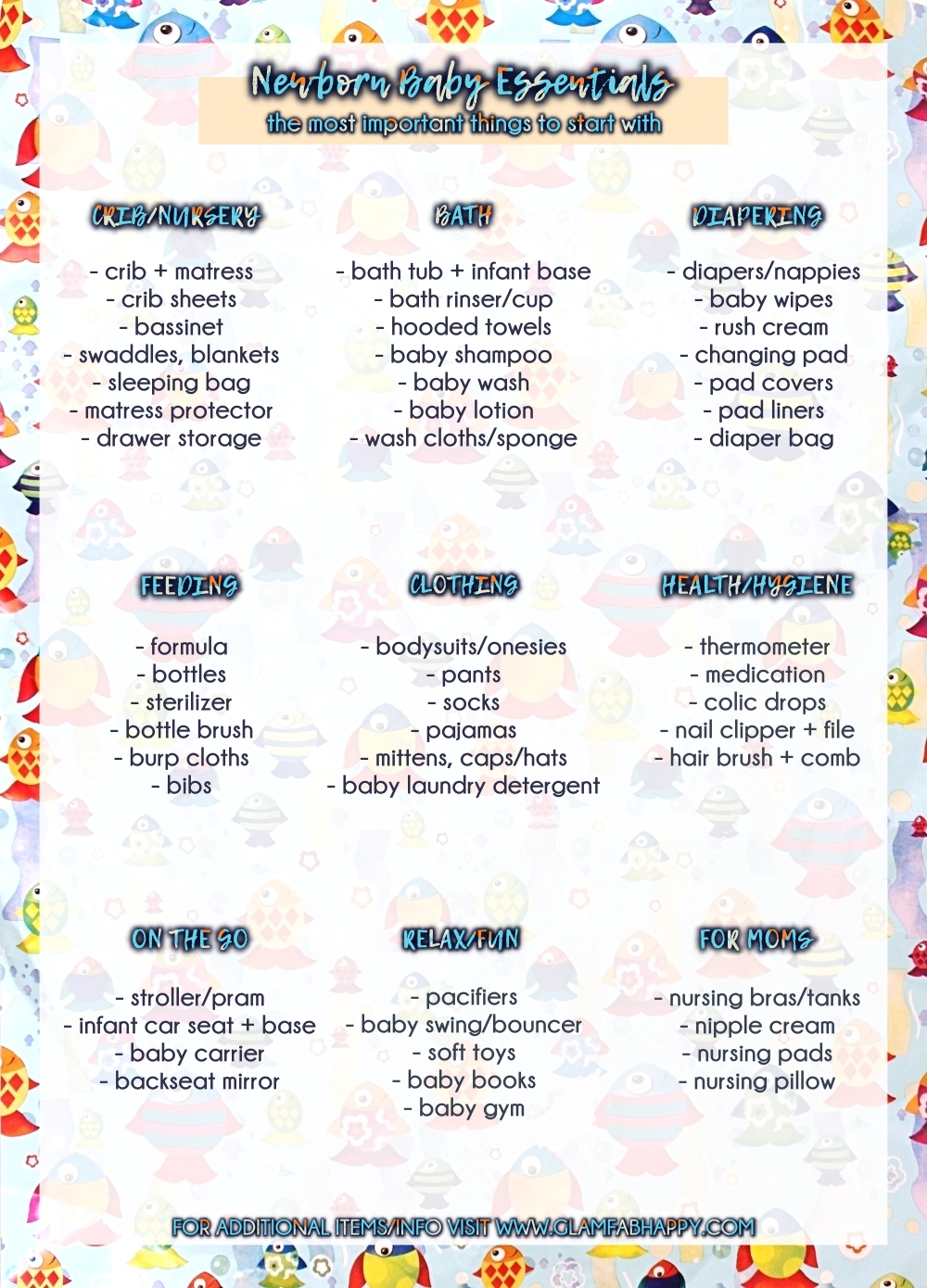
Newborn Baby Essentials Checklist - Pratsmusings  Baby essentials newborn, Baby essential

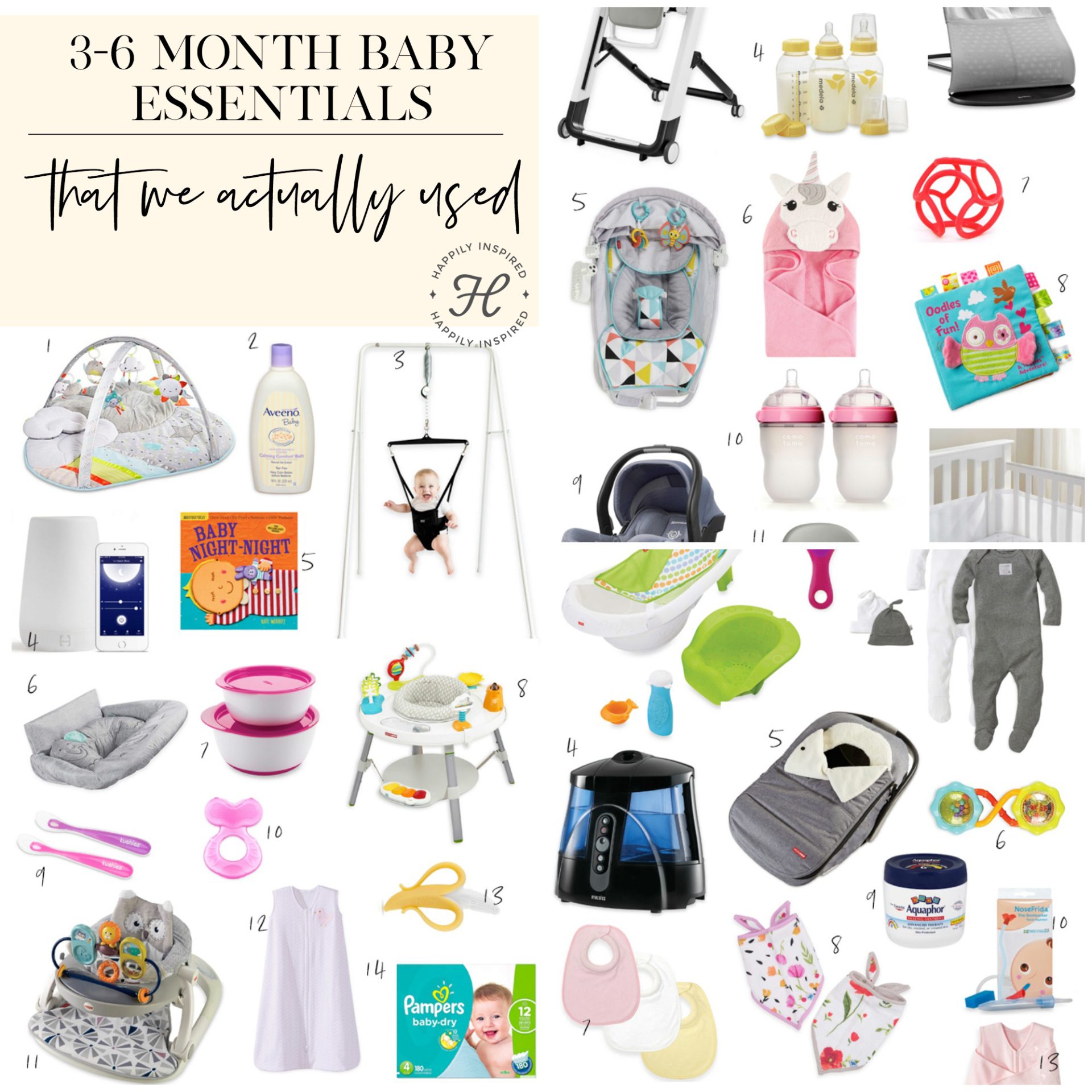
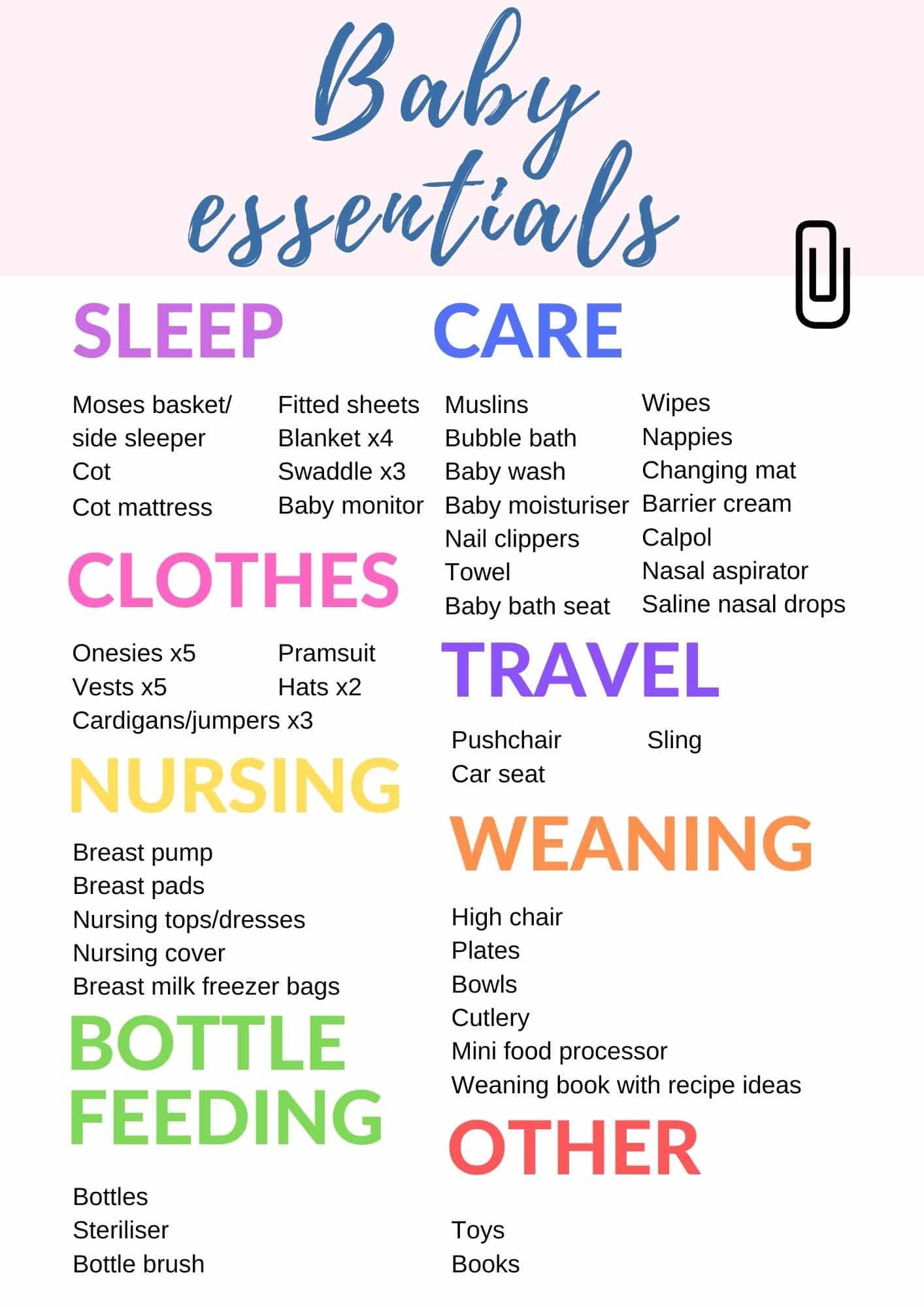
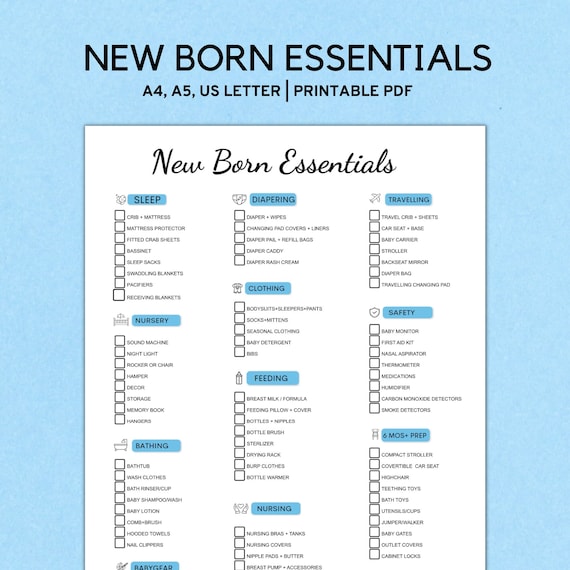
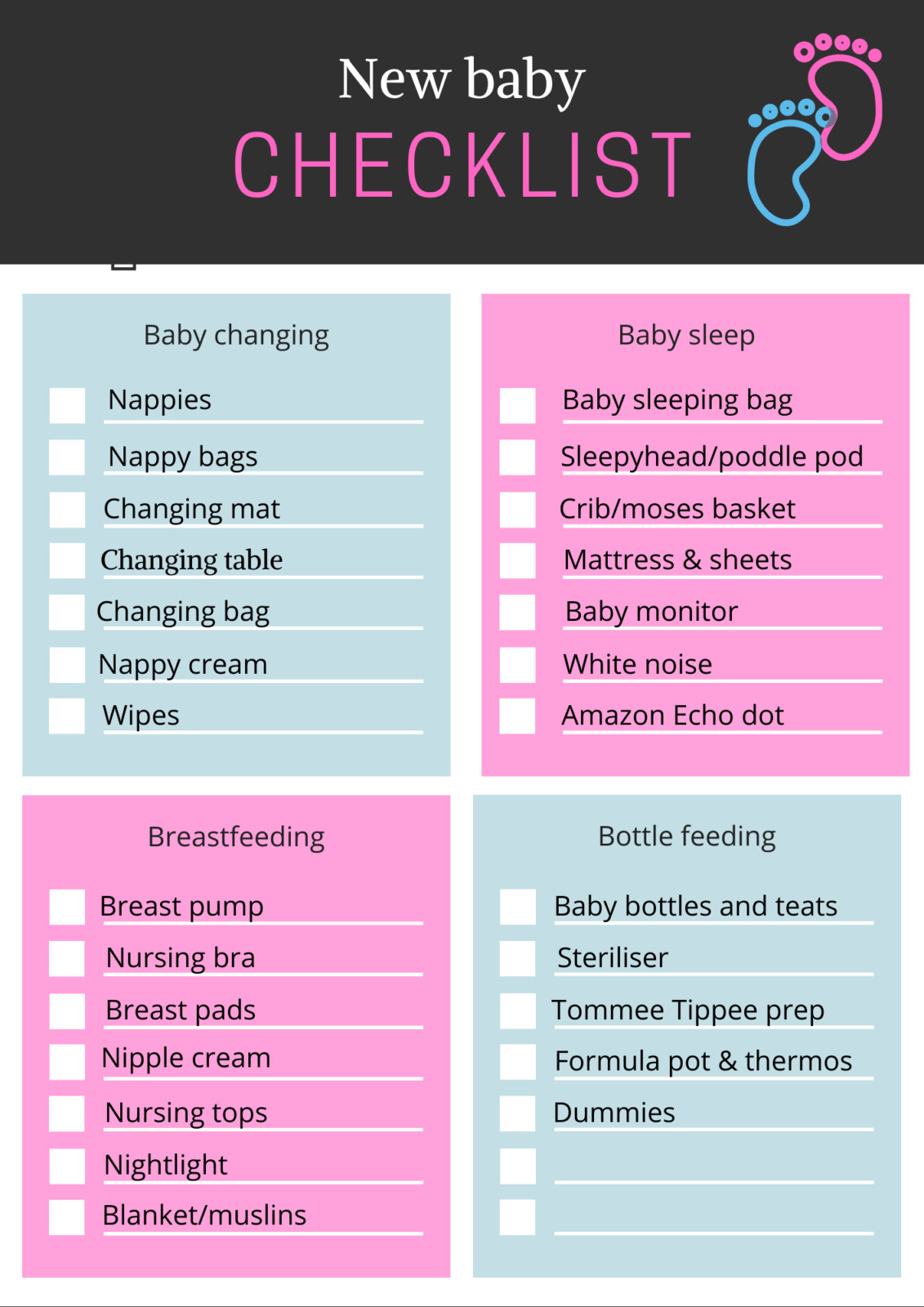
The arrival of a new baby brings a whirlwind of excitement and, inevitably, a need for an array of essential items. Amidst the vast sea of products, certain items stand out, particularly those beginning with the letter "N," offering crucial support and comfort to both baby and parent. This guide delves into the world of "N" baby essentials, examining their importance and benefits, providing practical tips for selecting and using them effectively.

Nappies/Diapers: The Foundation of Baby Care

Nappies, or diapers as they are known in some regions, are arguably the most fundamental baby item. They provide a barrier against the inevitable mess of bodily fluids, ensuring hygiene and comfort for the little one.

Types of Nappies:

  • Disposable Nappies: These are the most common type, offering convenience and ease of use. They come in various sizes and features, including absorbency levels, indicator strips, and breathable materials.
  • Cloth Nappies: Re-usable and environmentally friendly, cloth nappies offer a sustainable alternative. They require washing and drying, but come in various styles, including pre-folds, fitted nappies, and all-in-ones.

Choosing the Right Nappies:

  • Size and Fit: Ensure the nappy fits snugly but comfortably, preventing leaks and chafing.
  • Absorbency: Select a nappy with sufficient absorbency to suit the baby’s age and output.
  • Material: Opt for nappies made from breathable, hypoallergenic materials to minimize the risk of rashes and irritation.
  • Environmental Considerations: If sustainability is a priority, consider cloth nappies or disposable nappies made from eco-friendly materials.

Nappy Changing Essentials:

  • Changing Mat: Provides a clean and hygienic surface for changing nappies.
  • Nappy Cream: Protects the baby’s delicate skin from diaper rash.
  • Wipes: Gentle and moist wipes are essential for cleaning the baby’s bottom.
  • Nappy Bin: A dedicated bin for disposing of soiled nappies, ensuring hygiene and odor control.

Nursery Essentials:

Nests:

Nests provide a secure and cozy space for the baby, particularly in the early months. They mimic the womb’s environment, offering a sense of security and comfort.

Types of Nests:

  • Woven Nests: Made from breathable materials like cotton or bamboo, these nests are lightweight and easy to transport.
  • Padded Nests: Offer extra cushioning and support for the baby, making them ideal for newborns.
  • Multi-Purpose Nests: Can be used as a play mat, travel cot, or even a bedside bassinet.

Choosing the Right Nest:

  • Size and Shape: Ensure the nest is large enough for the baby to move freely but snug enough to provide a sense of security.
  • Material: Opt for breathable and hypoallergenic materials to prevent overheating and skin irritation.
  • Safety Features: Choose a nest with a firm base and secure sides to prevent the baby from rolling out.

Nightwear:

Nightgowns:

Nightgowns are a classic choice for baby sleepwear, offering comfort and ease of movement. They are available in a wide range of fabrics, including cotton, flannel, and silk.

Choosing the Right Nightgown:

  • Size and Fit: Ensure the nightgown fits comfortably and allows for freedom of movement.
  • Material: Opt for soft, breathable fabrics that are gentle on the baby’s skin.
  • Safety Features: Choose a nightgown with a snug fit around the neck and sleeves to prevent choking hazards.

Sleepsuits:

Sleepsuits, also known as onesies, are a practical and popular choice for baby sleepwear. They provide warmth and coverage, making them ideal for both day and night use.

Choosing the Right Sleepsuit:

  • Size and Fit: Ensure the sleepsuit fits comfortably and allows for freedom of movement.
  • Material: Opt for soft, breathable fabrics that are gentle on the baby’s skin.
  • Features: Consider sleepsuits with built-in scratch mitts, feet, and zipper closures for added convenience.

Nursing Essentials:

Nursing Bras:

Nursing bras provide support and comfort during breastfeeding. They are designed with easy access for latching and come in various styles, including underwire, wireless, and sports bras.

Choosing the Right Nursing Bra:

  • Size and Fit: Ensure the bra fits comfortably and provides adequate support.
  • Material: Opt for breathable and moisture-wicking materials to prevent discomfort and irritation.
  • Features: Consider bras with adjustable straps, removable cups, and easy-access clips for nursing.

Nursing Pads:

Nursing pads absorb leaks and prevent breast milk from soaking through clothing. They come in various materials, including cotton, bamboo, and disposable pads.

Choosing the Right Nursing Pads:

  • Absorbency: Select pads with sufficient absorbency to suit the individual’s milk flow.
  • Material: Opt for breathable and hypoallergenic materials to prevent irritation and discomfort.
  • Shape and Size: Choose pads that fit comfortably and securely within the bra.

Nipple Cream:

Nipple cream soothes and protects sore nipples during breastfeeding. It is often made with natural ingredients like lanolin, beeswax, and calendula.

Choosing the Right Nipple Cream:

  • Ingredients: Opt for a cream with natural ingredients that are safe for both mother and baby.
  • Application: Choose a cream that is easy to apply and absorbs quickly.
  • Frequency: Apply cream as needed to soothe and protect sore nipples.

Other Essential "N" Items:

Nozzles:

Nozzles are essential for feeding bottles, allowing the baby to easily access the milk. They come in various shapes and sizes, catering to different feeding needs.

Choosing the Right Nozzles:

  • Flow Rate: Select a nozzle with an appropriate flow rate for the baby’s age and sucking strength.
  • Material: Opt for a nozzle made from BPA-free and food-grade materials.
  • Shape and Size: Choose a nozzle that fits comfortably in the baby’s mouth.

Nursery Decor:

Nursery decor adds a touch of personality and warmth to the baby’s room. From wall art to mobiles, there are countless options to create a welcoming and stimulating environment.

Choosing the Right Nursery Decor:

  • Safety: Ensure all decor items are safe for the baby, free from choking hazards and sharp edges.
  • Theme: Select a theme that reflects the parents’ taste and creates a cohesive look.
  • Stimulation: Choose decor items that encourage visual and auditory stimulation, promoting the baby’s development.

FAQs by Baby Items that Start with N:

Nappies/Diapers:

  • Q: How often should I change my baby’s nappy?

  • A: Babies should have their nappies changed as soon as they are soiled, typically every 2-3 hours.

  • Q: What should I do if my baby has a nappy rash?

  • A: Clean the affected area gently with water, apply a diaper rash cream, and allow the skin to air dry.

Nests:

  • Q: When should I stop using a nest?

  • A: Once the baby can roll over independently, typically around 4-6 months, the nest should no longer be used.

  • Q: Can I use a nest in a crib or bassinet?

  • A: It is not recommended to use a nest in a crib or bassinet as it may create a suffocation risk.

Nightwear:

  • Q: What size nightgown or sleepsuit should I buy?

  • A: Choose a size that is slightly larger than the baby’s current size, allowing for growth.

  • Q: How can I prevent my baby from getting too hot in their nightwear?

  • A: Opt for breathable fabrics like cotton or bamboo, and dress the baby in layers, adjusting the clothing based on room temperature.

Nursing Essentials:

  • Q: When should I start using nursing pads?

  • A: Nursing pads can be used from the beginning of breastfeeding, even if there is no leakage.

  • Q: How often should I change my nursing pads?

  • A: Nursing pads should be changed as soon as they become wet or soiled, typically every 2-3 hours.

Nozzles:

  • Q: How do I know which flow rate nozzle is right for my baby?

  • A: Start with a slow flow rate nozzle and gradually increase the flow as the baby gets older and stronger.

  • Q: Can I use a different brand of nozzle with my bottle?

  • A: It is generally recommended to use the same brand of nozzle and bottle for compatibility.

Nursery Decor:

  • Q: What are some safe and stimulating nursery decor options?

  • A: Consider mobiles, wall art, and soft toys with contrasting colors and patterns.

  • Q: How can I make my baby’s nursery more welcoming?

  • A: Use soft lighting, calming colors, and comfortable furniture to create a soothing and relaxing environment.

Tips by Baby Items that Start with N:

Nappies/Diapers:

  • Tip: Keep a stash of nappies in different sizes on hand to accommodate the baby’s growth.
  • Tip: Use a nappy cream barrier to prevent diaper rash.
  • Tip: Consider using reusable cloth nappies for a sustainable and eco-friendly option.

Nests:

  • Tip: Place the nest on a flat, firm surface and avoid using it on a raised surface.
  • Tip: Supervise the baby closely when they are in the nest and never leave them unattended.
  • Tip: Wash the nest regularly according to the manufacturer’s instructions.

Nightwear:

  • Tip: Choose nightwear made from breathable and hypoallergenic materials.
  • Tip: Dress the baby in layers to adjust for temperature changes.
  • Tip: Check the nightwear regularly for any signs of wear and tear.

Nursing Essentials:

  • Tip: Invest in a comfortable and supportive nursing bra.
  • Tip: Keep a supply of nursing pads on hand and change them regularly.
  • Tip: Apply nipple cream as needed to soothe and protect sore nipples.

Nozzles:

  • Tip: Start with a slow flow rate nozzle and gradually increase the flow as the baby gets older.
  • Tip: Clean the nozzle regularly to prevent bacteria buildup.
  • Tip: Replace the nozzle when it shows signs of wear and tear.

Nursery Decor:

  • Tip: Choose decor items that are safe and stimulating for the baby.
  • Tip: Consider using a theme to create a cohesive and welcoming look.
  • Tip: Keep the nursery clutter-free and organized for a calming environment.

Conclusion by Baby Items that Start with N:

The world of baby items beginning with "N" encompasses a diverse range of products, each playing a crucial role in ensuring the well-being and comfort of the little one. From the fundamental need for nappies to the cozy embrace of a nest, these items provide practical solutions for everyday needs and contribute to the creation of a safe and nurturing environment for the baby’s growth and development. By understanding the importance and benefits of these "N" essentials, parents can make informed choices, ensuring the best possible care for their newborn.

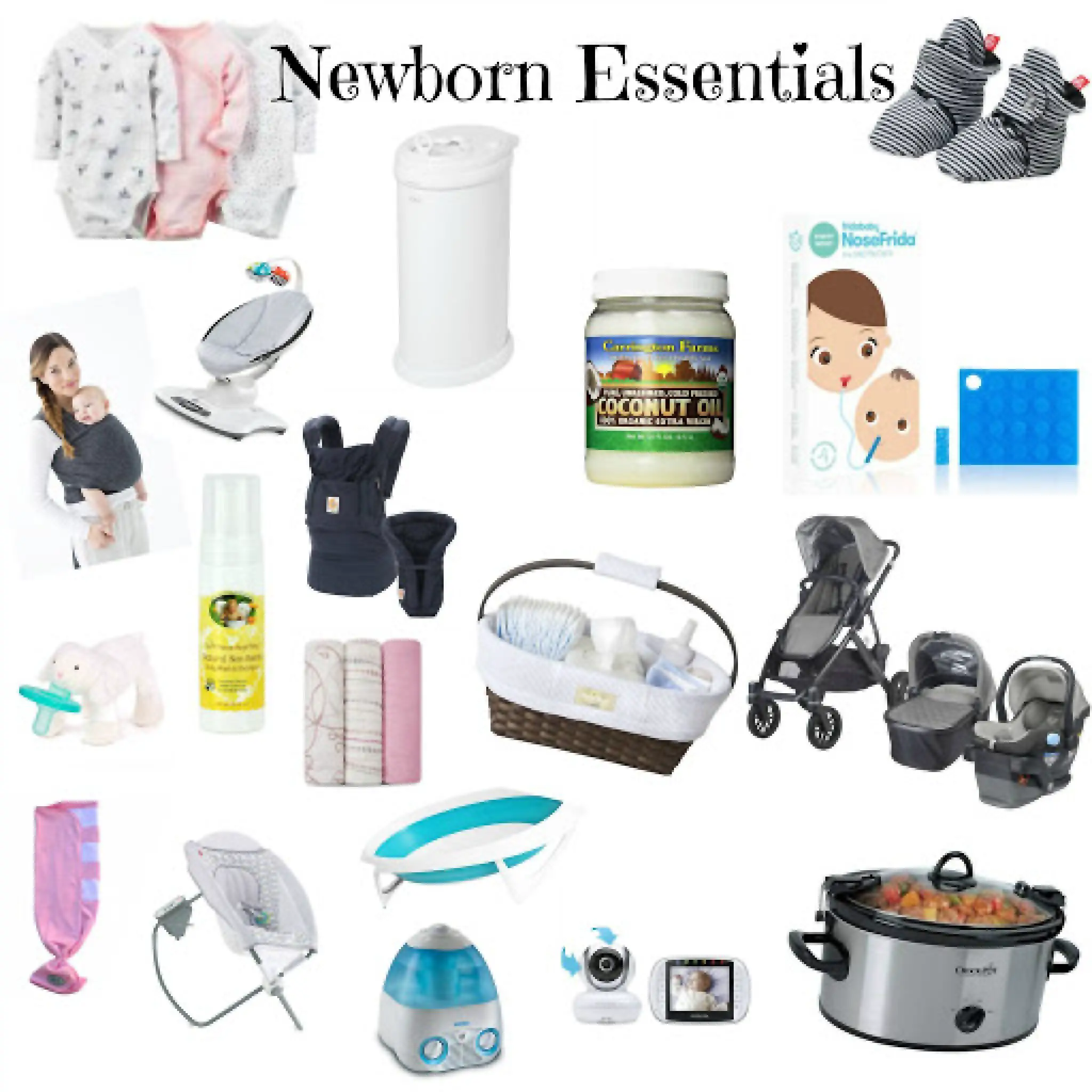
The complete list of newborn essentials you NEED - Navigating Baby The Ultimate Newborn Baby Essentials Checklist!  BornCute PPT - Navigating the World of Newborn Diapers: A Comprehensive Guide for New Parents PowerPoint
Free printable: Minimalist Baby Essentials Checklist โ€” So Many Hoorays!  Baby essential Baby Fundamentals Check List! What Do I Need To Get For The Baby?  Newborn necessities, Newborn Newborn Baby Essentials: the most important things to start with  GLAM FAB HAPPY
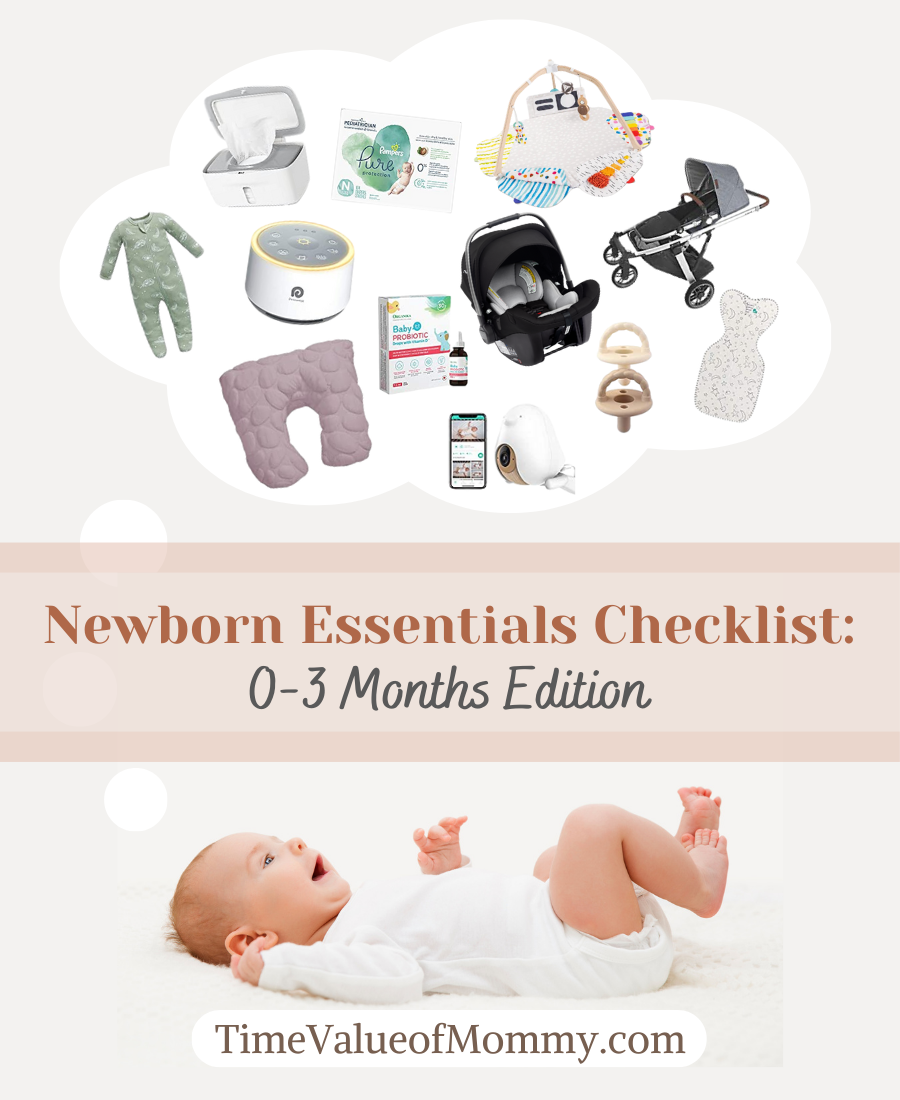
Newborn Baby Essentials Checklist: 0-3 Months Edition - Time Value of Mommy Ultimate newborn baby essentials checklist  Baby essentials newborn, Baby essentials, Baby

Closure

Thus, we hope this article has provided valuable insights into Navigating the World of "N" Baby Essentials: A Comprehensive Guide. We appreciate your attention to our article. See you in our next article!

A Comprehensive Look at Clothing Items Beginning with "G"

Introduction

In this auspicious occasion, we are delighted to delve into the intriguing topic related to A Comprehensive Look at Clothing Items Beginning with "G". Let’s weave interesting information and offer fresh perspectives to the readers.

A Comprehensive Look at Clothing Items Beginning with "G"

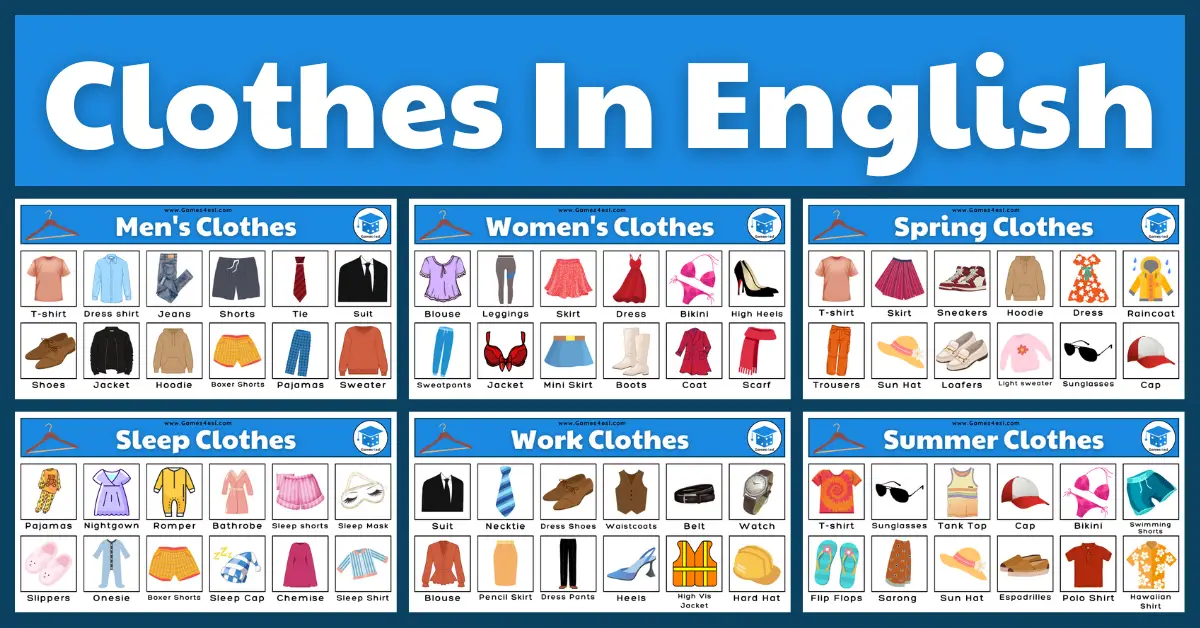
Types of Clothing: Useful List of Clothing Names with the Picture - ESL Forums  Types of

The world of fashion is a vast and diverse landscape, with countless garments and accessories serving a multitude of purposes. While many clothing items are readily recognizable, there exists a fascinating subset of garments that begin with the letter "G," each possessing unique characteristics and serving specific roles in our wardrobes. This exploration delves into the world of "G" clothing, examining their origins, functions, and the diverse ways they contribute to our sartorial choices.

From Garments to Gloves: A Journey Through "G" Clothing

Gowns: The quintessential garment for formal occasions, gowns embody elegance and sophistication. Their flowing silhouettes, often crafted from luxurious fabrics like silk or satin, evoke a sense of grace and grandeur. Historically, gowns have evolved from simple, practical garments to elaborate creations symbolizing status and wealth. From the opulent ball gowns of the Victorian era to the sleek, modern designs of today, gowns continue to hold a special place in the world of fashion, marking significant events and celebrating individual style.

Gilets: Often referred to as vests, gilets offer a versatile layer of warmth and style. Typically sleeveless, they can be worn over shirts, sweaters, or dresses, adding a touch of sophistication and practicality. Gilets are particularly popular in colder climates, providing insulation without hindering arm movement. Their versatility extends beyond functionality, as they are available in a wide array of colors, patterns, and materials, allowing individuals to express their personal aesthetic.

Gloves: These indispensable accessories offer protection from the elements and enhance a polished look. Gloves come in various styles, from sleek leather driving gloves to elegant opera gloves, each designed for specific purposes. Their history is intertwined with social norms and practicality, with different styles signifying social status and occupation. Today, gloves remain a popular choice for both fashion and function, adding a touch of sophistication and warmth to any ensemble.

Garters: Though often associated with lingerie, garters have a broader history and function. Historically, garters were used to hold up stockings and hose, serving a purely practical purpose. Over time, they evolved into a decorative element, with elaborate designs and materials reflecting changing fashion trends. While their primary function remains the same, garters continue to be incorporated into various lingerie styles, adding a touch of sensuality and elegance.

Gingham: More than just a fabric, gingham embodies a distinct aesthetic. This woven pattern, characterized by its checkered design, has a rich history, originating in the 18th century. Gingham’s versatility extends beyond clothing, with its checkered pattern adorning everything from tablecloths to picnic blankets. In fashion, gingham’s popularity fluctuates with trends, but its timeless charm ensures its continued presence in contemporary wardrobes.

Guayaberas: A symbol of Latin American culture, the guayabera is a lightweight, comfortable shirt with distinctive pleated panels. Its origins trace back to the 18th century, where it served as practical workwear for Cuban farmers. Over time, the guayabera evolved into a symbol of cultural identity and sophistication, often worn for special occasions and formal events. Its airy design and traditional aesthetics make it a beloved garment throughout Latin America and beyond.

Galoshes: Known as rain boots in some regions, galoshes offer protection from rain and snow. Typically made from rubber or waterproof materials, they are designed to be worn over shoes, keeping feet dry in inclement weather. Galoshes have a long history, dating back to the 19th century, and their popularity continues to this day, particularly in regions with unpredictable weather patterns.

Grub Street: While not a specific garment, "Grub Street" is a term that refers to a style of clothing associated with poverty and lack of refinement. Historically, Grub Street was a London street known for its cheap printing houses and the writers who frequented them. The term came to represent the literary works produced in these establishments, often considered low-quality and sensationalized. In fashion, "Grub Street" style refers to clothing that is worn, tattered, or lacking in elegance, often associated with poverty or disregard for fashion norms.

Going Beyond the Basics: Exploring "G" Clothing in Depth

The Importance of Gowns: Beyond their aesthetic appeal, gowns hold cultural significance. They mark milestones in life, from weddings and graduations to proms and red carpet events. Gowns can be tailored to reflect personal style, from classic silhouettes to avant-garde designs, allowing individuals to express their individuality on special occasions.

The Versatility of Gilets: Gilets offer a unique blend of style and functionality. Their sleeveless design allows for freedom of movement, while their insulation provides warmth without restricting layering options. Gilets can be dressed up or down, depending on the occasion and personal preferences, making them a versatile addition to any wardrobe.

The Sophistication of Gloves: Gloves are more than just accessories; they add a touch of elegance and refinement to any outfit. They can be matched to specific occasions, from formal events to casual outings, and their material and design can reflect personal style. Gloves also offer protection from the elements, making them a practical choice during colder months.

The Cultural Significance of Guayaberas: The guayabera embodies a rich cultural heritage, representing the history and traditions of Latin America. Its distinctive design and lightweight fabric make it a comfortable and stylish choice for both formal and informal occasions. The guayabera’s popularity extends beyond Latin America, with its distinctive aesthetics gaining recognition worldwide.

Beyond Clothing: "G" Accessories and More

The realm of "G" clothing extends beyond garments, encompassing accessories that enhance our outfits and complete our personal style.

Glasses: From prescription eyewear to stylish sunglasses, glasses serve both functional and aesthetic purposes. They can correct vision, protect eyes from the sun, and enhance a person’s overall look. Glasses come in a wide range of styles, from classic frames to bold, avant-garde designs, allowing individuals to express their personality through their eyewear.

Garters: While often associated with lingerie, garters have a broader range of uses. They can be incorporated into everyday outfits, adding a touch of elegance and sophistication to skirts, dresses, and trousers. Garters come in various materials, colors, and designs, allowing for personalization and individual expression.

Girdles: These undergarments, often worn for shaping and smoothing, have a long history. Girdles come in various styles and levels of compression, providing support and a sculpted silhouette. Their use varies depending on individual preferences and fashion trends, with some individuals incorporating girdles into their everyday attire for a more streamlined look.

FAQs: Common Questions About Clothing Items Beginning with "G"

Q: What are the different types of gowns?

A: Gowns come in a wide variety of styles, including ball gowns, evening gowns, cocktail gowns, maxi dresses, and formal dresses. Each style serves a specific purpose and reflects different fashion trends.

Q: What are the benefits of wearing a gilet?

A: Gilets offer warmth without restricting arm movement, making them ideal for layering in colder weather. They also add a touch of style and sophistication to any outfit.

Q: How do I choose the right gloves?

A: The choice of gloves depends on the occasion, weather conditions, and personal style. Leather gloves are a classic choice for formal events, while knitted gloves offer warmth and comfort for everyday wear.

Q: What are some tips for wearing a guayabera?

A: Guayaberas are typically worn untucked, with the pleats falling loosely over the body. They can be paired with dress pants, khakis, or jeans, depending on the occasion.

Tips: Styling "G" Clothing for Different Occasions

For Formal Events:

  • Choose a flowing gown in a luxurious fabric like silk or satin.
  • Pair a gilet with a dress shirt and tailored trousers for a sophisticated look.
  • Opt for elegant leather gloves for a touch of refinement.

For Casual Outings:

  • Wear a gingham shirt with jeans or khakis for a classic and comfortable style.
  • Layer a gilet over a sweater or hoodie for added warmth.
  • Choose a pair of comfortable and stylish galoshes for rainy days.

For Everyday Wear:

  • Incorporate gingham into your wardrobe with accessories like scarves or bags.
  • Wear a guayabera with linen pants for a relaxed and stylish summer look.
  • Opt for comfortable and practical gloves for everyday protection from the elements.

Conclusion: The Enduring Appeal of "G" Clothing

The world of clothing items beginning with "G" is a diverse and fascinating one. From the elegance of gowns to the practicality of galoshes, these garments serve a multitude of purposes, reflecting individual style, cultural heritage, and the ever-evolving landscape of fashion. Whether embracing the formality of a gown or the comfort of a gilet, "G" clothing continues to play a significant role in our wardrobes, enhancing our appearance and reflecting our unique identities.

Types of Clothing: Useful List of Clothing Names with the Picture - ESL Forums  English clothes Learn popular clothing items in English. Listen to the words pronounced and get your free Clothes Vocabulary: Learn Clothes Name with Pictures - ESLBuzz Learning English
Clothes in English  Woodward English  Clothes english vocabulary, Vocabulary clothes, English "Clothes and Fashion Accessories" Vocabulary in English: 100+ Items Illustrated - ESLBUZZ Costume Ideas Starting with the Letter "G"  Holidappy
Each article of clothing has a name. Learn the names and uses of women's clothes. Master the Extensive List Of Clothes: Names Of Clothes In English With Pictures  Games4esl

Closure

Thus, we hope this article has provided valuable insights into A Comprehensive Look at Clothing Items Beginning with "G". We thank you for taking the time to read this article. See you in our next article!

Navigating the Maze of Moving Quotes: A Comprehensive Guide to Finding the Best Fit for Your Needs

Introduction

With enthusiasm, let’s navigate through the intriguing topic related to Navigating the Maze of Moving Quotes: A Comprehensive Guide to Finding the Best Fit for Your Needs. Let’s weave interesting information and offer fresh perspectives to the readers.

19 eye opening rumi quotes for navigating the maze of life โ€“ Artofit

Moving is a complex and often stressful undertaking. One of the first and most crucial steps is obtaining accurate and competitive moving quotes. This guide aims to provide a comprehensive understanding of the process, highlighting key aspects and considerations to ensure you find the best fit for your needs.

Understanding the Essence of Moving Quotes

Moving quotes represent the estimated cost of a moving service, encompassing various factors like distance, volume of belongings, required services (packing, unpacking, specialized handling), and additional features like insurance. These quotes are crucial for budgeting, comparing different moving companies, and making informed decisions.

Types of Moving Quotes

Moving companies typically offer three main types of quotes:

  • Binding Quotes: These are the most secure and provide a fixed price for the move, regardless of unforeseen circumstances. While offering peace of mind, binding quotes are generally more expensive due to the added risk for the moving company.
  • Non-Binding Quotes: These quotes are based on estimations and are subject to change depending on the actual volume of belongings and any additional services required. This flexibility allows for a more affordable option, but it necessitates careful scrutiny of the final bill to ensure transparency.
  • Estimated Quotes: These are the least precise and are often provided over the phone or online based on basic information. They serve as a rough estimate and are not legally binding.

Key Factors Influencing Moving Quotes

Several factors determine the final cost of a move, impacting the quotes you receive:

  • Distance: Longer distances naturally incur higher costs due to fuel expenses, driver time, and potential tolls.
  • Volume of Belongings: The amount of furniture, boxes, and other items directly impacts the moving truck size and labor required, thus influencing the quote.
  • Services Required: Packing, unpacking, specialized handling of delicate items, and other services add to the overall cost.
  • Time of Year: Moving during peak seasons (spring and summer) tends to be more expensive due to higher demand.
  • Location: Urban areas with congested traffic and limited parking can increase moving costs.
  • Access: Difficult access to the moving location, like narrow streets or stairs, may require additional labor and specialized equipment, affecting the quote.
  • Insurance: Comprehensive insurance coverage for belongings during transit can add to the cost but provides significant peace of mind.

Steps to Obtaining the Best Moving Quotes

  1. Research and Gather Information: Begin by researching reputable moving companies in your area. Check online reviews, ratings, and accreditation from organizations like the American Moving and Storage Association (AMSA).
  2. Request Quotes from Multiple Companies: Contact at least three different movers to get a range of quotes and compare pricing and services.
  3. Provide Detailed Information: Be thorough when providing information about your move, including the origin and destination addresses, estimated volume of belongings, required services, and any special considerations (like fragile items or heavy appliances).
  4. In-Home Estimates: Schedule an in-home estimate for a more accurate quote. This allows the mover to assess the volume of your belongings and identify any potential challenges.
  5. Compare Quotes Carefully: Review each quote carefully, paying attention to the type of quote (binding or non-binding), included services, insurance coverage, and any additional fees.
  6. Ask Questions: Don’t hesitate to ask clarifying questions about the quote, services, and any potential hidden costs.
  7. Trust Your Gut: Ultimately, choose a mover you feel comfortable with and who provides clear communication, transparent pricing, and a sense of professionalism.

Navigating the Potential Pitfalls of Moving Quotes

  • Hidden Fees: Be wary of hidden fees like fuel surcharges, packing materials, or insurance premiums that may not be clearly stated in the initial quote.
  • Unrealistic Estimates: Beware of quotes that seem unrealistically low, as they may indicate a lack of transparency or hidden costs.
  • Lack of Transparency: If a mover is hesitant to provide detailed information about their services, pricing, or insurance, it may be a red flag.
  • Pressure Tactics: Avoid movers who pressure you to sign a contract immediately or use high-pressure sales tactics.

FAQ: Addressing Common Questions about Moving Quotes

Q: How many quotes should I get?

A: It is recommended to obtain at least three quotes from different moving companies to ensure you have a comprehensive comparison and make an informed decision.

Q: When should I start getting quotes?

A: It’s advisable to start gathering quotes at least 6-8 weeks before your planned moving date, especially during peak seasons. This allows sufficient time for research, comparisons, and booking.

Q: What documents should I review before signing a contract?

A: Carefully review the contract, including the type of quote (binding or non-binding), detailed services, insurance coverage, payment terms, and any cancellation policies.

Q: How can I ensure the moving company is legitimate?

A: Verify the mover’s license and insurance. Check online reviews and ratings from reputable sources like the Better Business Bureau and the AMSA.

Q: What if the actual cost of the move exceeds the initial quote?

A: For binding quotes, the price should remain fixed unless there are significant changes to the original agreement. For non-binding quotes, carefully review any additional charges and ensure they are reasonable and justified.

Tips for Getting the Best Moving Quotes

  • Be Organized: Prepare a detailed inventory of your belongings to provide an accurate estimate of the moving volume.
  • Be Realistic: Factor in potential unexpected costs and contingencies when budgeting for your move.
  • Don’t Be Afraid to Negotiate: If you feel the quote is too high, politely discuss the possibility of negotiating a lower price, especially if you have multiple quotes to compare.
  • Read the Fine Print: Thoroughly read and understand all terms and conditions before signing a contract.
  • Ask for References: Request references from previous clients to get insights into the mover’s reliability and service quality.

Conclusion

Securing the best moving quotes is a critical step in the moving process. By understanding the different types of quotes, factors influencing pricing, and potential pitfalls, you can navigate the process effectively and find a mover that meets your needs and budget. Remember to research thoroughly, compare quotes carefully, ask questions, and choose a company that provides clear communication, transparency, and professionalism. This will ensure a smoother and less stressful moving experience.

Infographic: Navigating the Maze โ€“ VitalSource Success 19 Eye-Opening Rumi Quotes For Navigating The Maze Of Life  Cherish life quotes, Rumi quotes 19 Eye-Opening Rumi Quotes For Navigating The Maze Of Life  Rumi quotes, River quotes, Rumi
3 Key Elements to Navigating the Strategy Maze - StrategyBlocks Blog Navigating the Maze - 1st Edition  Elsevier Shop Navigating the Moving Maze - E&E Moving
When life appears to be a maze, there is always freedom in a higher perspective. Moving Forward: Navigating the Maze of Office Relocation - Gagliar

Closure

Thus, we hope this article has provided valuable insights into Navigating the Maze of Moving Quotes: A Comprehensive Guide to Finding the Best Fit for Your Needs. We thank you for taking the time to read this article. See you in our next article!

Navigating the Canadian Marketplace: A Comprehensive Guide to Purchasing from North America’s Northern Giant

Introduction

With enthusiasm, let’s navigate through the intriguing topic related to Navigating the Canadian Marketplace: A Comprehensive Guide to Purchasing from North America’s Northern Giant. Let’s weave interesting information and offer fresh perspectives to the readers.

A Comprehensive Guide: Navigating the Canadian Affiliate Landscape - Martech Record

Canada, a vast and diverse nation, boasts a rich tapestry of products and services, making it an attractive destination for international shoppers. From high-quality maple syrup and artisanal crafts to innovative technology and fashion, Canadian offerings cater to a wide range of interests. This comprehensive guide provides insights into the intricacies of purchasing from Canada, highlighting the benefits, considerations, and practical steps involved.

Understanding the Canadian Market:

Canada’s economy is characterized by its robust manufacturing sector, innovative technology, and strong natural resource base. This translates into a diverse product landscape encompassing:

  • High-quality consumer goods: From electronics and appliances to clothing and home dรฉcor, Canadian brands are known for their durability, craftsmanship, and design.
  • Natural resources and agricultural products: Canada’s abundant forests, fertile land, and vast mineral resources yield a wide array of products, including lumber, maple syrup, seafood, and agricultural produce.
  • Specialty goods and crafts: Canadian artisans and small businesses offer unique handcrafted items, ranging from pottery and jewelry to furniture and textiles.
  • Technology and innovation: Canada is a global leader in technology, with a strong presence in fields like artificial intelligence, software development, and biotechnology.

Benefits of Purchasing from Canada:

  • High-quality products and services: Canadian businesses adhere to strict quality control standards, ensuring that goods meet international standards of excellence.
  • Competitive pricing: While some products may be more expensive due to import duties, many items, particularly those manufactured domestically, are priced competitively.
  • Unique and diverse offerings: Canada’s cultural diversity and natural resources contribute to a wide range of unique products and services not readily available elsewhere.
  • Strong consumer protection laws: Canada has robust consumer protection laws, providing safeguards against fraudulent activities and ensuring fair treatment for buyers.
  • Reliable and efficient shipping: Canadian businesses offer reliable shipping services, with options for expedited delivery and tracking capabilities.

Factors to Consider:

  • Import duties and taxes: When purchasing from Canada, buyers are responsible for paying import duties and taxes levied by their respective countries. These costs vary depending on the product category, value, and destination.
  • Currency exchange rates: Fluctuations in currency exchange rates can affect the final price of goods. It is advisable to monitor exchange rates and factor them into purchasing decisions.
  • Shipping costs and timelines: Shipping costs can vary significantly depending on the size, weight, and destination of the package. It is crucial to factor in these costs and delivery timelines when making a purchase.
  • Warranty and return policies: While Canadian businesses generally offer warranties and return policies, these may differ from those offered by retailers in other countries. It is essential to carefully review the terms and conditions before making a purchase.

Navigating the Purchasing Process:

  • Research and compare prices: It is essential to research different retailers and compare prices before making a purchase. Online marketplaces like Amazon and eBay offer a wide selection of Canadian products, allowing for easy price comparison.
  • Check the seller’s reputation: Before purchasing from an unfamiliar seller, it is crucial to check their reputation and customer reviews. Websites like Trustpilot and Sitejabber provide independent reviews from previous customers.
  • Verify shipping costs and delivery timelines: Confirm the shipping costs and estimated delivery time before finalizing the purchase. It is advisable to choose reliable shipping carriers and track the package throughout the delivery process.
  • Understand the return policy: Familiarize yourself with the seller’s return policy and ensure that it aligns with your needs. This information is typically available on the seller’s website or in the product description.
  • Pay securely: Choose secure payment methods like PayPal or credit cards that offer buyer protection. Avoid using wire transfers or sending cash as these methods offer little recourse in case of disputes.

Frequently Asked Questions:

Q: Are Canadian products generally more expensive than those from other countries?

A: While some products may be more expensive due to import duties, many items, particularly those manufactured domestically, are priced competitively. Factors like product quality, brand reputation, and shipping costs can influence pricing.

Q: How do I find out about import duties and taxes on my purchase?

A: Import duties and taxes vary depending on the product category, value, and destination country. The best way to determine these costs is to contact your local customs office or consult online resources provided by your country’s revenue agency.

Q: What are the most popular products purchased from Canada?

A: Popular items include maple syrup, artisanal crafts, outdoor gear, clothing, and technology products. However, the specific items purchased vary based on individual preferences and needs.

Q: What are the best ways to pay for purchases from Canadian businesses?

A: Secure payment methods like PayPal and credit cards offer buyer protection and are widely accepted by Canadian retailers. Avoid using wire transfers or sending cash as these methods offer little recourse in case of disputes.

Q: What are some tips for ensuring a smooth and successful purchase from Canada?

A:

  • Research thoroughly: Compare prices, check seller reputation, and familiarize yourself with shipping costs and return policies.
  • Communicate effectively: Contact the seller with any questions or concerns before or during the purchase process.
  • Use secure payment methods: Choose trusted payment gateways that offer buyer protection.
  • Track your package: Monitor the shipment’s progress and contact the carrier if there are delays or issues.
  • Keep all documentation: Retain copies of invoices, order confirmations, and tracking information for future reference.

Conclusion:

Purchasing from Canada presents a unique opportunity to access a diverse range of high-quality products and services. By understanding the intricacies of the Canadian marketplace, carefully considering factors like import duties and shipping costs, and following the tips outlined in this guide, buyers can navigate the process effectively and enjoy the benefits of acquiring goods from North America’s northern giant.

Understanding The Canadian Marketplace Navigating the Canadian Market: A Comprehensive Guide for Prospective Business Buyers Understanding The Canadian Marketplace
Understanding The Canadian Marketplace Understanding The Canadian Marketplace Understanding The Canadian Marketplace - Blog
Understanding The Canadian Marketplace Navigating an Ever-evolving Canadian Market Access and Reimbursement Environment  EVERSANA

Closure

Thus, we hope this article has provided valuable insights into Navigating the Canadian Marketplace: A Comprehensive Guide to Purchasing from North America’s Northern Giant. We appreciate your attention to our article. See you in our next article!

Understanding the Value of Our Homes: A Comprehensive Guide to Household Goods Valuation

Introduction

With great pleasure, we will explore the intriguing topic related to Understanding the Value of Our Homes: A Comprehensive Guide to Household Goods Valuation. Let’s weave interesting information and offer fresh perspectives to the readers.

Understanding the Value of Our Homes: A Comprehensive Guide to Household Goods Valuation

FaqsDeck.com  A Deck Of Informative Blogs  A Comprehensive Guide to Understanding Homeโ€™s Value

The contents of our homes, the furniture, appliances, electronics, and everything in between, represent a significant investment. While the structure itself holds tangible value, the items within it contribute to our overall quality of life and financial security. Understanding the value of these household goods is crucial for various reasons, from insurance purposes to estate planning and even simply appreciating the tangible worth of our belongings.

This article aims to provide a comprehensive overview of household goods valuation, exploring its nuances, methodologies, and implications. We will delve into the factors influencing value, the role of depreciation, and the various methods used to determine the worth of our possessions.

Defining Household Goods Valuation

Household goods valuation refers to the process of determining the monetary worth of personal property within a home. This includes everything from furniture, appliances, and electronics to clothing, jewelry, and artwork. The value assigned to these goods can vary significantly based on several factors, including:

  • Age and Condition: Newer items generally hold higher value compared to older ones. The condition of the item, whether it’s well-maintained or damaged, also plays a crucial role.
  • Brand and Model: Certain brands and models are associated with higher quality and desirability, leading to a higher value.
  • Rarity and Collectibility: Unique or rare items, especially those with historical significance or collector’s appeal, can command significantly higher prices.
  • Replacement Cost: This refers to the cost of replacing the item with a new one of similar quality and functionality. This is often used as a baseline for valuation.
  • Market Demand: The current market demand for a specific item, influenced by factors like trends and availability, impacts its value.

Methods of Valuation

Several methods are used to determine the value of household goods, each with its own strengths and limitations:

  • Replacement Cost New (RCN): This method involves estimating the cost of replacing the item with a new one of similar quality and functionality. It is the most commonly used method for insurance purposes.
  • Actual Cash Value (ACV): ACV takes into account depreciation based on the age and condition of the item. It is calculated by subtracting depreciation from the RCN.
  • Market Value: This method considers the current market price for similar items in comparable condition. It is often used for estate planning and charitable donations.
  • Appraisal: A professional appraiser uses their expertise and knowledge of the market to determine the value of specific items, particularly valuable antiques, collectibles, and artwork.

Depreciation: The Erosion of Value

Depreciation is a key factor in household goods valuation. It reflects the gradual decline in value of an item over time due to wear and tear, obsolescence, and market fluctuations. Depreciation rates vary widely depending on the type of item and its usage. For example, furniture and appliances depreciate more rapidly than artwork or jewelry.

The Importance of Household Goods Valuation

Understanding the value of our household goods is crucial for various reasons:

  • Insurance: Accurate valuation is essential for obtaining adequate insurance coverage. In case of damage or loss, the insurance company will use the determined value to compensate for the loss.
  • Estate Planning: When preparing for the transfer of assets, it is important to have a realistic assessment of the value of household goods to ensure fair distribution amongst beneficiaries.
  • Charitable Donations: Donating items to charity can result in tax deductions. To determine the amount of the deduction, the value of the donated items must be accurately assessed.
  • Financial Planning: Understanding the value of our possessions provides a clearer picture of our overall financial situation and can inform decisions related to investments, debt management, and retirement planning.
  • Home Sale: When selling a home, the value of included household goods can be a factor in the negotiation process.

Factors Influencing Valuation Accuracy

Several factors can influence the accuracy of household goods valuation:

  • Experience and Expertise: The level of experience and expertise of the person conducting the valuation can significantly impact the accuracy of the results.
  • Documentation: Having receipts, appraisals, or other documentation related to the items can provide valuable evidence of their value.
  • Market Research: Thorough research into current market prices for similar items is crucial for accurate valuation.
  • Objectivity: It is essential to approach valuation with objectivity, avoiding emotional attachment to the items.

Frequently Asked Questions (FAQs)

Q: How often should I update the valuation of my household goods?

A: It is recommended to review and update the valuation of your household goods every 3-5 years, especially if there have been significant changes in your possessions, market conditions, or insurance policies.

Q: Can I use online valuation tools for insurance purposes?

A: While online tools can provide a general estimate, they may not be accurate enough for insurance purposes. It is best to consult with a professional appraiser or insurance agent for a more accurate valuation.

Q: What if I don’t have receipts for my items?

A: If you don’t have receipts, you can use other methods to determine value, such as comparing prices of similar items online or consulting with a professional appraiser.

Q: What are some tips for maintaining the value of my household goods?

A: To maintain the value of your household goods:

  • Regular Maintenance: Perform regular cleaning, repairs, and maintenance to prevent damage and wear and tear.
  • Proper Storage: Store items in a clean, dry, and well-ventilated environment to prevent deterioration.
  • Protect from Damage: Take precautions to protect your belongings from accidental damage, theft, and natural disasters.

Conclusion

Understanding the value of our household goods is essential for various reasons, from insurance coverage to estate planning and financial planning. While the process of valuation can be complex, utilizing accurate methods, seeking professional assistance when necessary, and maintaining our possessions can ensure we have a clear picture of the worth of our belongings and the financial security they represent. By taking an informed and proactive approach to household goods valuation, we can protect our assets and ensure our financial well-being for the future.

Not All Home Values Are the Same โ€“ Your Guide to Understanding Home Values Calculating The Value Of Your Home  DealHouse Can Help Today Understanding Value - Alaris Properties, LLC.
Household goods - definition and meaning - Market Business News Home Valuation  Free Comparative Market Analysis  Real-ativity Comprehensive Guide To Accurate Property Valuation: Unlock Your Home's Worth
Why is it Important to Know Your Home's Value? - Colorado Real Estate Atlas household goods interstate loss or damage liability valuation options  Avatar Relocation

Closure

Thus, we hope this article has provided valuable insights into Understanding the Value of Our Homes: A Comprehensive Guide to Household Goods Valuation. We hope you find this article informative and beneficial. See you in our next article!

Understanding the Power Consumption of Household Appliances: A Guide to Watts and Energy Efficiency

Introduction

In this auspicious occasion, we are delighted to delve into the intriguing topic related to Understanding the Power Consumption of Household Appliances: A Guide to Watts and Energy Efficiency. Let’s weave interesting information and offer fresh perspectives to the readers.

Understanding the Power Consumption of Household Appliances: A Guide to Watts and Energy Efficiency

Six Electrical Appliances That Consume More Energy

In the modern world, electricity powers our lives. From the lights that illuminate our homes to the appliances that simplify our daily routines, understanding the energy consumption of these devices is crucial for both financial and environmental sustainability. This article delves into the average wattage of common household appliances, offering insights into their energy usage and the potential for energy savings.

Wattage: A Measure of Power Consumption

Wattage, measured in watts (W), represents the rate at which an electrical device consumes energy. A higher wattage indicates greater power consumption and, consequently, higher energy costs. Understanding the wattage of different appliances allows consumers to make informed decisions about their energy usage and potentially reduce their electricity bills.

Average Wattage of Common Household Appliances

Lighting:

  • Incandescent Light Bulbs: 40-100 W
  • Compact Fluorescent Light Bulbs (CFLs): 5-15 W
  • Light Emitting Diode (LED) Bulbs: 3-10 W

LED bulbs are significantly more energy-efficient than their incandescent counterparts, consuming significantly less power while providing comparable brightness.

Kitchen Appliances:

  • Refrigerator: 100-200 W
  • Freezer: 100-250 W
  • Dishwasher: 1200-1800 W
  • Microwave: 700-1200 W
  • Oven: 2500-4000 W
  • Stovetop (Electric): 1200-1800 W
  • Coffee Maker: 600-1200 W
  • Toaster: 800-1200 W
  • Blender: 300-700 W
  • Food Processor: 400-1000 W

Laundry Appliances:

  • Washing Machine: 300-1000 W
  • Clothes Dryer: 2000-4000 W

Entertainment and Electronics:

  • Television: 50-200 W
  • Computer: 100-300 W
  • Laptop: 30-60 W
  • Game Console: 100-200 W

Other Appliances:

  • Hair Dryer: 1000-1800 W
  • Vacuum Cleaner: 500-1200 W
  • Iron: 1000-1500 W

Factors Influencing Wattage:

  • Size and Capacity: Larger appliances generally consume more power. For example, a larger refrigerator will have a higher wattage than a smaller one.
  • Features and Technology: Appliances with advanced features, such as energy-saving modes or variable speed settings, may consume less power.
  • Usage Patterns: Frequent use of an appliance will result in higher energy consumption.

Benefits of Understanding Appliance Wattage

  • Energy Savings: By choosing energy-efficient appliances with lower wattage ratings, consumers can significantly reduce their electricity bills.
  • Environmental Impact: Lowering energy consumption contributes to a smaller carbon footprint, reducing greenhouse gas emissions.
  • Informed Purchasing Decisions: Knowledge of wattage allows consumers to compare different models and make informed decisions based on their energy needs and budget.

Frequently Asked Questions (FAQs) about Appliance Wattage

Q: How do I find the wattage of my appliances?

A: The wattage rating is typically listed on the appliance’s label or in its user manual.

Q: What is the relationship between wattage and electricity bills?

A: Higher wattage appliances consume more electricity, leading to higher energy bills.

Q: How can I reduce my electricity consumption?

A: Choose energy-efficient appliances with lower wattage ratings, avoid unnecessary use of appliances, and consider using energy-saving modes or features.

Q: Are there any government incentives for purchasing energy-efficient appliances?

A: Some governments offer rebates or tax credits for purchasing energy-efficient appliances. Check with your local energy provider or government agency for available programs.

Tips for Reducing Appliance Wattage and Energy Consumption

  • Purchase Energy-Efficient Appliances: Look for appliances with the Energy Star label, which indicates that they meet energy-efficiency standards.
  • Unplug Unused Appliances: Even when turned off, some appliances continue to consume a small amount of power. Unplugging them when not in use can save energy.
  • Use Appliances Efficiently: Wash full loads of laundry and dishes, avoid preheating the oven unless necessary, and choose the appropriate cooking setting for your needs.
  • Maintain Appliances Regularly: Clean filters and coils on appliances like refrigerators and washing machines to ensure optimal performance and energy efficiency.
  • Consider Renewable Energy Sources: Explore options like solar panels or wind turbines to generate clean energy for your home.

Conclusion

Understanding the average wattage of household appliances is crucial for making informed decisions about energy consumption. By choosing energy-efficient appliances, using them efficiently, and adopting sustainable practices, individuals can significantly reduce their electricity bills, minimize their environmental impact, and contribute to a more sustainable future. The information presented in this article serves as a guide for consumers to make conscious choices about their energy usage and embrace a more energy-conscious lifestyle.

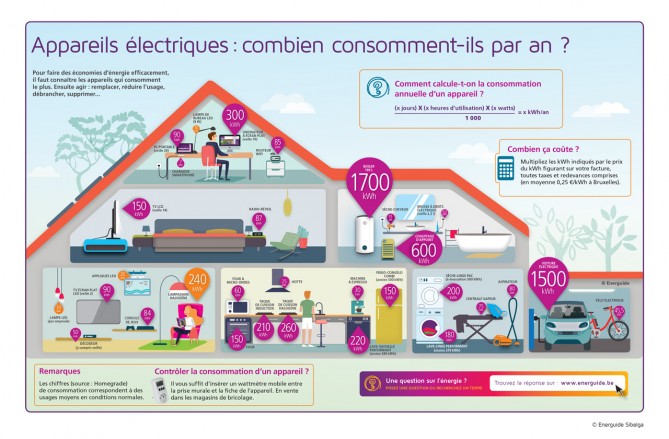
How much energy do my household appliances use? โ€“ Energuide Household Energy Conservation and Efficiency - Lesson - TeachEngineering Household Electricity Consumption by Building Energy Ratings 2021 - Central Statistics Office
Home Appliances Energy Consumption Table  Brokeasshome.com Energy Efficiency Appliance and Equipment Standards  Alliance to Save Energy How much electricity do my appliances use? - National Energy Action (NEA)
Home Appliances Energy Consumption Table  Brokeasshome.com What Uses The Most Energy in Your Home

Closure

Thus, we hope this article has provided valuable insights into Understanding the Power Consumption of Household Appliances: A Guide to Watts and Energy Efficiency. We hope you find this article informative and beneficial. See you in our next article!

The Significance of Average Cost: A Comprehensive Exploration

Introduction

With great pleasure, we will explore the intriguing topic related to The Significance of Average Cost: A Comprehensive Exploration. Let’s weave interesting information and offer fresh perspectives to the readers.

The Significance of Average Cost: A Comprehensive Exploration

How expensive is the NASA Mars rover Perseverance mission?  World Economic Forum

The concept of average cost, while seemingly straightforward, plays a crucial role in various economic and business contexts. It serves as a valuable tool for understanding the overall cost of production, making informed pricing decisions, and analyzing the financial health of a business. This article delves into the intricacies of average cost, exploring its different forms, applications, and implications.

Defining Average Cost: A Foundation for Understanding

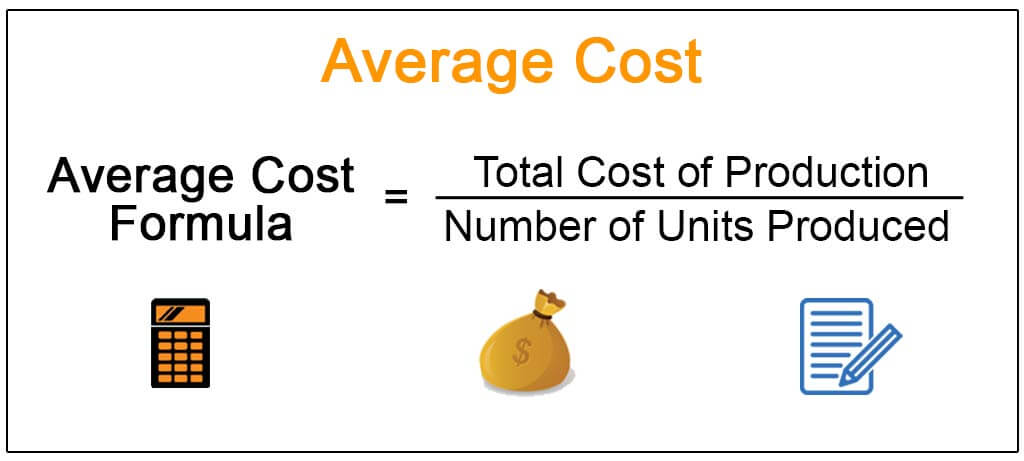
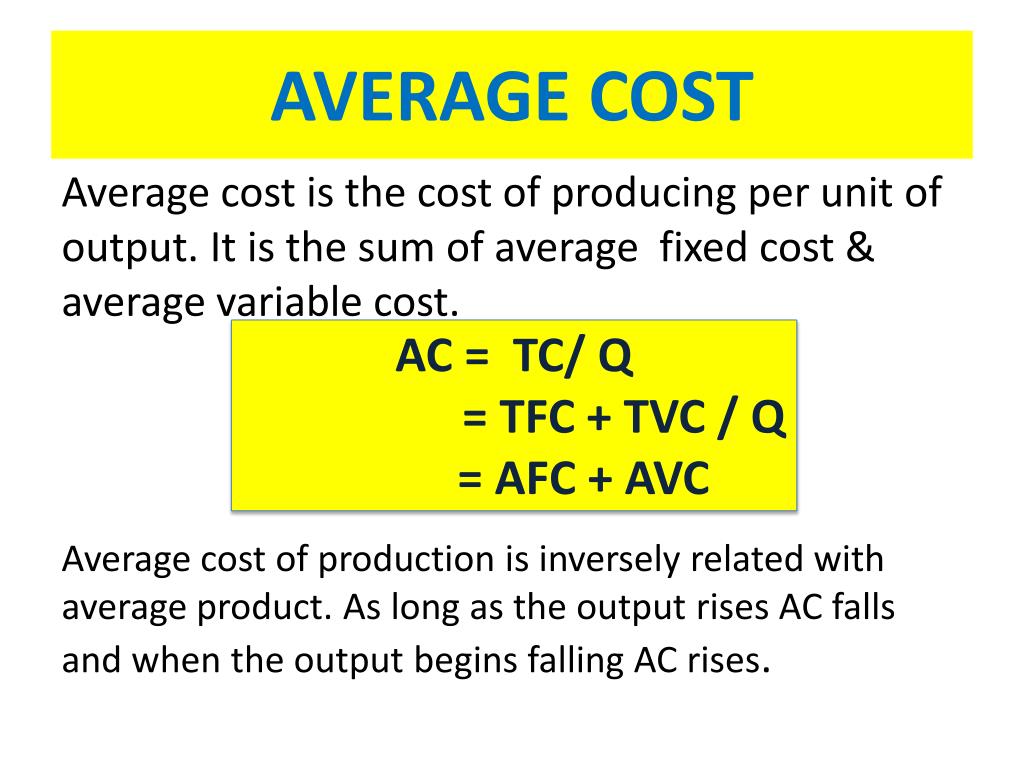
Average cost, in its simplest form, refers to the total cost of production divided by the total number of units produced. This metric offers a comprehensive view of the cost per unit, encompassing both fixed and variable costs. Fixed costs, such as rent and salaries, remain constant regardless of production volume, while variable costs, such as raw materials and utilities, fluctuate with production levels.

There are two primary types of average cost:

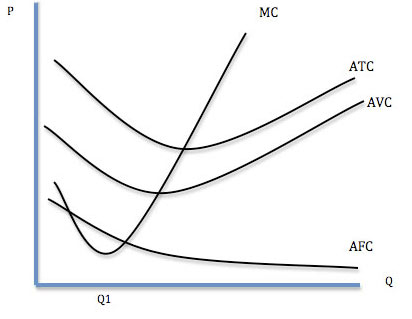
  • Average Total Cost (ATC): This represents the total cost of production divided by the total quantity produced. It encapsulates both fixed and variable costs.
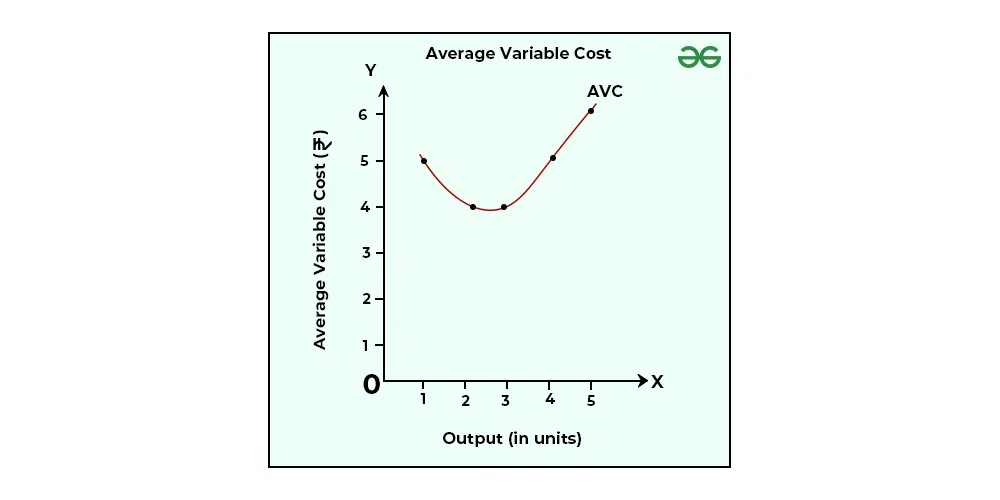
  • Average Variable Cost (AVC): This reflects the variable cost of production divided by the total quantity produced. It focuses solely on costs that fluctuate with output.

Unveiling the Importance of Average Cost

The significance of average cost lies in its multifaceted applications:

  • Pricing Strategies: Businesses leverage average cost to determine optimal pricing strategies. By understanding the cost per unit, companies can set prices that cover production expenses while ensuring profitability.
  • Profitability Analysis: Average cost is instrumental in assessing a business’s profitability. Comparing average cost to the selling price per unit reveals the profit margin, providing insights into the financial health of the enterprise.
  • Cost Control Measures: Tracking average cost over time helps businesses identify cost-saving opportunities. By analyzing trends and comparing costs across different production periods, companies can identify areas for optimization.
  • Production Efficiency: Average cost serves as a benchmark for production efficiency. Decreases in average cost indicate improved efficiency, while increases suggest potential bottlenecks or inefficiencies.
  • Investment Decisions: Businesses consider average cost when making investment decisions. A lower average cost might indicate a more efficient production process, making the business more attractive to investors.

Exploring the Applications of Average Cost

Average cost finds applications across diverse industries and sectors:

  • Manufacturing: Manufacturers use average cost to calculate the cost of producing each unit of a product, facilitating pricing decisions and profit margin analysis.
  • Retail: Retailers utilize average cost to determine the cost of goods sold, track inventory levels, and set competitive prices.
  • Services: Service providers employ average cost to understand the cost of delivering each service, optimizing pricing strategies and identifying cost-saving opportunities.
  • Agriculture: Farmers use average cost to calculate the cost of producing crops or livestock, factoring in factors like land, labor, and input costs.
  • Healthcare: Healthcare providers utilize average cost to determine the cost of providing medical services, informing pricing decisions and budget planning.

Understanding the Limitations of Average Cost

While average cost provides valuable insights, it’s crucial to acknowledge its limitations:

  • Oversimplification: Average cost assumes a uniform cost structure across all units produced, which may not always hold true. Production costs can fluctuate based on factors like economies of scale or changes in input prices.
  • Lack of Time Sensitivity: Average cost is a static measure, failing to capture dynamic changes in costs over time. It doesn’t account for fluctuations in input prices, labor costs, or technological advancements.
  • Limited Scope: Average cost focuses solely on production costs, neglecting other crucial factors like marketing expenses, research and development costs, and administrative overhead.

Frequently Asked Questions about Average Cost

Q: How is average cost calculated?

A: Average cost is calculated by dividing the total cost of production by the total number of units produced.

Q: What are the different types of average cost?

A: There are two main types: Average Total Cost (ATC) and Average Variable Cost (AVC). ATC includes both fixed and variable costs, while AVC only considers variable costs.

Q: What are some factors that can influence average cost?

A: Factors like input prices, labor costs, technology, production volume, and economies of scale can influence average cost.

Q: How can average cost be used to improve business efficiency?

A: By tracking average cost over time, businesses can identify cost-saving opportunities, streamline production processes, and optimize resource allocation.

Q: What are the limitations of using average cost?

A: Average cost can be an oversimplification, failing to capture dynamic cost fluctuations and neglecting other important business expenses.

Tips for Utilizing Average Cost Effectively

  • Track Average Cost Consistently: Regularly calculate and analyze average cost to identify trends and potential areas for improvement.
  • Consider Different Cost Components: Break down average cost into its constituent components (fixed and variable costs) for a more detailed understanding.
  • Account for Time Sensitivity: Recognize that average cost is a static measure and adjust your analysis based on changing market conditions and input prices.
  • Complement Average Cost with Other Metrics: Use average cost in conjunction with other financial metrics, such as profit margin, return on investment, and cash flow, for a comprehensive view of business performance.

Conclusion: The Enduring Importance of Average Cost

Average cost remains a fundamental concept in economics and business, providing a valuable tool for understanding production costs, making informed pricing decisions, and analyzing the financial health of an enterprise. While acknowledging its limitations, businesses can effectively leverage average cost by implementing consistent tracking, considering different cost components, and incorporating it into a broader financial analysis framework. By understanding and utilizing average cost effectively, organizations can optimize their operations, enhance profitability, and achieve sustainable growth.

EL model with cost of exploration. Progress measured as average  Download Scientific Diagram Average Cost Method: Definition and Formula With Example Average Cost - What Is It, How To Calculate, Examples
PPT - Cost PowerPoint Presentation, free download - ID:5717240 Average Cost  Economics Help Average Cost: Definition and Explanation:
Cost function: cost of exploration versus regions to explore.  Download Scientific Diagram What is Average Cost ?  Formula, Example and Graph - GeeksforGeeks

Closure

Thus, we hope this article has provided valuable insights into The Significance of Average Cost: A Comprehensive Exploration. We thank you for taking the time to read this article. See you in our next article!

The Science of Smoothness: Exploring Common Household Remedies for Wrinkles

Introduction

With enthusiasm, let’s navigate through the intriguing topic related to The Science of Smoothness: Exploring Common Household Remedies for Wrinkles. Let’s weave interesting information and offer fresh perspectives to the readers.

The Science of Smoothness: Exploring Common Household Remedies for Wrinkles

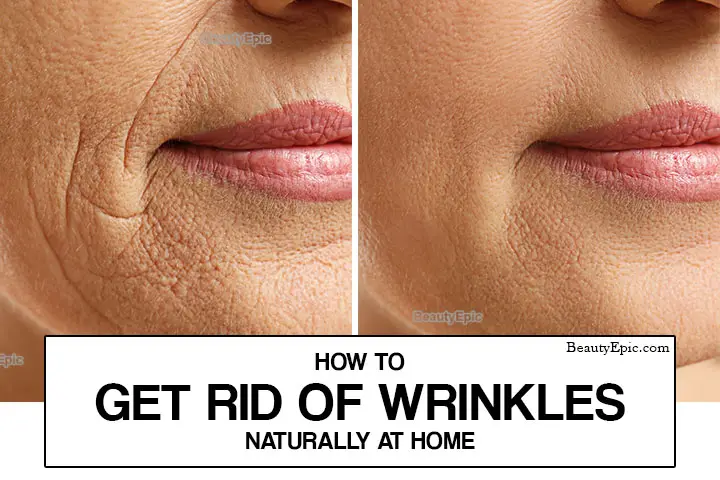
20 Effective Home Remedies To Get Rid of Wrinkles Naturally

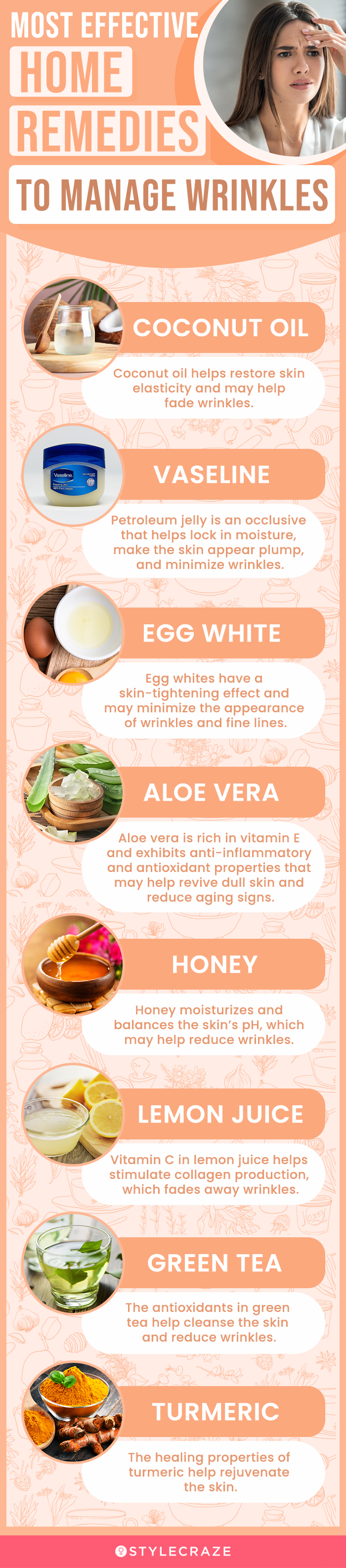
The quest for youthful skin is a universal pursuit. As we age, the natural processes of collagen depletion and elastin degradation contribute to the formation of wrinkles, fine lines, and a loss of skin elasticity. While the beauty industry offers a plethora of anti-aging products, many individuals seek natural solutions from their own kitchens. This exploration delves into the potential benefits of several common household items in addressing wrinkles, examining their scientific basis, and offering practical tips for their application.

1. Coconut Oil: A Tropical Elixir for Skin Health

Coconut oil, a staple in many households, has gained popularity for its culinary and cosmetic uses. Its rich fatty acid profile, particularly lauric acid, is believed to possess moisturizing and anti-inflammatory properties. These attributes can contribute to skin hydration, promoting a plumper appearance and reducing the visibility of fine lines.

Scientific Basis:

  • Moisturization: Coconut oil’s emollient properties help trap moisture in the skin, preventing dryness and enhancing its suppleness.
  • Anti-inflammatory: Lauric acid, a key component of coconut oil, possesses anti-inflammatory properties that can help reduce skin irritation and inflammation, factors that can exacerbate wrinkles.

Tips for Application:

  • Massage: Gently massage a small amount of coconut oil onto the skin after cleansing, focusing on wrinkle-prone areas.
  • Overnight Treatment: Apply a thin layer of coconut oil before bedtime and allow it to absorb overnight.
  • Facial Mask: Combine coconut oil with other natural ingredients like honey or yogurt for a nourishing facial mask.

2. Honey: A Sweet Treat for Skin Regeneration

Honey, a natural sweetener, has been used for centuries in traditional medicine for its antimicrobial and wound-healing properties. Its unique composition, rich in antioxidants and humectants, can potentially contribute to skin regeneration and wrinkle reduction.

Scientific Basis:

  • Antioxidant Activity: Honey’s antioxidants help neutralize free radicals, which contribute to skin damage and aging.
  • Humectant Properties: Honey attracts and retains moisture, keeping the skin hydrated and plump.
  • Wound Healing: Honey promotes wound healing by stimulating collagen production and reducing inflammation.

Tips for Application:

  • Direct Application: Apply a thin layer of honey to cleansed skin and leave it on for 15-20 minutes before rinsing.
  • Honey Mask: Combine honey with other ingredients like yogurt, oatmeal, or avocado for a nourishing facial mask.
  • Honey Scrub: Mix honey with sugar or ground coffee for a gentle exfoliating scrub.

3. Aloe Vera: A Soothing Solution for Skin Repair

Aloe vera, a succulent plant known for its medicinal properties, has long been used to soothe burns, cuts, and skin irritations. Its gel, rich in vitamins, minerals, and antioxidants, can potentially promote skin regeneration and reduce the appearance of wrinkles.

Scientific Basis:

  • Antioxidant Activity: Aloe vera’s antioxidants protect the skin from free radical damage, slowing down the aging process.
  • Wound Healing: Aloe vera promotes wound healing by stimulating collagen production and reducing inflammation.
  • Moisturization: Aloe vera gel hydrates the skin, improving its elasticity and reducing the visibility of wrinkles.

Tips for Application:

  • Direct Application: Apply fresh aloe vera gel directly to cleansed skin, focusing on wrinkle-prone areas.
  • Aloe Vera Mask: Combine aloe vera gel with other ingredients like honey, yogurt, or cucumber for a soothing facial mask.
  • Aloe Vera Toner: Dilute aloe vera gel with water and use it as a toner after cleansing.

4. Lemon Juice: A Citrus Boost for Skin Brightening

Lemon juice, a natural source of vitamin C, is often used as a skin-brightening agent. Its citric acid can help exfoliate the skin, removing dead cells and revealing a brighter complexion. While its direct effect on wrinkles is debatable, it can indirectly contribute to a more youthful appearance.

Scientific Basis:

  • Exfoliation: Citric acid in lemon juice acts as a gentle exfoliant, removing dead skin cells and promoting cell turnover.
  • Skin Brightening: Vitamin C in lemon juice can help reduce hyperpigmentation, improving skin tone and reducing the appearance of dark spots.

Tips for Application:

  • Lemon Juice Toner: Dilute lemon juice with water and apply it to cleansed skin as a toner.
  • Lemon Juice Mask: Combine lemon juice with other ingredients like honey, yogurt, or turmeric for a brightening facial mask.
  • Caution: Lemon juice can be acidic and may irritate sensitive skin. Always dilute it with water and perform a patch test before applying it to the entire face.

5. Olive Oil: A Mediterranean Secret for Skin Hydration

Olive oil, a staple in Mediterranean cuisine, is also renowned for its cosmetic benefits. Its rich fatty acid profile, particularly oleic acid, is believed to possess moisturizing and antioxidant properties, potentially contributing to skin hydration and wrinkle reduction.

Scientific Basis:

  • Moisturization: Olive oil’s emollient properties help trap moisture in the skin, preventing dryness and enhancing its suppleness.
  • Antioxidant Activity: Olive oil’s antioxidants help protect the skin from free radical damage, slowing down the aging process.
  • Anti-inflammatory: Olive oil possesses anti-inflammatory properties that can help reduce skin irritation and inflammation, factors that can exacerbate wrinkles.

Tips for Application:

  • Massage: Gently massage a small amount of olive oil onto the skin after cleansing, focusing on wrinkle-prone areas.
  • Overnight Treatment: Apply a thin layer of olive oil before bedtime and allow it to absorb overnight.
  • Facial Mask: Combine olive oil with other natural ingredients like honey or yogurt for a nourishing facial mask.

FAQs

Q: Are these household remedies effective for all types of wrinkles?

A: These remedies are generally considered safe for most skin types, but their effectiveness can vary depending on the type and severity of wrinkles. While they may help reduce the appearance of fine lines and wrinkles due to dryness or sun damage, they may not be as effective for deep wrinkles caused by aging or genetics.

Q: How long does it take to see results from using these remedies?

A: Results may vary depending on individual skin type and consistency of use. It is generally recommended to use these remedies consistently for several weeks or months to notice a visible difference.

Q: Can I combine these remedies?

A: Yes, you can combine these remedies, but it is important to test each ingredient individually first to ensure you don’t have any adverse reactions. Start with a small amount of each ingredient and gradually increase the quantity as needed.

Q: Are there any side effects associated with using these remedies?

A: Most of these remedies are generally safe for use on the skin, but some individuals may experience mild side effects like redness, itching, or irritation. If you experience any adverse reactions, discontinue use and consult a dermatologist.

Conclusion

While these common household items offer potential benefits in addressing wrinkles, it’s important to remember that they are not miracle cures. They can complement a healthy lifestyle, including a balanced diet, regular exercise, and adequate sleep, to promote overall skin health and slow down the aging process. For individuals with severe wrinkles or specific skin concerns, consulting a dermatologist is always recommended.

Disclaimer: This information is for general knowledge and informational purposes only, and does not constitute medical advice. It is essential to consult with a qualified healthcare professional before making any decisions related to your health or treatment.

30 Effective Home Remedies To Get Wrinkle-Free Skin  Wrinkle free skin, Home remedies for Home remedies for wrinkles - Saga Home Remedies To Get Rid Of Wrinkles On The Face Naturally - Healthy Lifestyle Tips  Home
7 Natural Home Remedies to Reduce Face Wrinkles  Face wrinkles, Home remedies for face, Natural 30 Effective Home Remedies To Get Wrinkle-Free Skin 22 DIY Home Remedies for Wrinkles by sharonsparkles  Home remedies for wrinkles, Face wrinkles
Home Remedies for Fine Lines  Cute Parents  Home remedies for wrinkles, Eye wrinkles remedies Home Remedy For Wrinkles On Face - Get Rid Of Wrinkles To Get A Younger Look in 2021  Face

Closure

Thus, we hope this article has provided valuable insights into The Science of Smoothness: Exploring Common Household Remedies for Wrinkles. We hope you find this article informative and beneficial. See you in our next article!

Unlocking Savings: A Comprehensive Guide to Amazon’s Household Discounts

Introduction

With enthusiasm, let’s navigate through the intriguing topic related to Unlocking Savings: A Comprehensive Guide to Amazon’s Household Discounts. Let’s weave interesting information and offer fresh perspectives to the readers.

Unlocking Savings: A Comprehensive Guide to Amazon’s Household Discounts

Unlocking Savings: A Comprehensive Guide to Amazon Coupons

Amazon, the e-commerce giant, frequently offers promotions and discounts to incentivize purchases and enhance the shopping experience. One such popular promotion involves a specific discount on household items, often presented as a "spend $20, save $10" offer. This discount can significantly impact the cost of essential household goods, making it an attractive opportunity for savvy shoppers.

Understanding the Mechanics of the Discount

The "spend $20, save $10" discount is a straightforward promotion. It applies to a specific category of products, often household items, and requires the purchase of eligible items totaling at least $20 to trigger the discount. This discount is typically applied automatically at checkout, reducing the final price by $10.

Exploring the Benefits of the Discount

This discount offers several advantages to consumers:

  • Cost Savings: The discount directly reduces the price of household items, allowing consumers to purchase more goods for less. This can be especially beneficial for families and individuals on a budget.
  • Opportunity to Stock Up: The discount encourages consumers to purchase larger quantities of household items, potentially extending their supply and reducing the need for frequent purchases. This can lead to long-term cost savings and convenience.
  • Access to a Wide Range of Products: The discount applies to a wide range of household items, including cleaning supplies, kitchenware, bathroom essentials, and more. This allows consumers to fulfill various household needs while taking advantage of the discount.
  • Convenience: The discount is readily available through Amazon’s online platform, offering a convenient and accessible way to save on essential household items.

Navigating the Discount: A Practical Guide

To maximize the benefits of this discount, consumers can follow these strategies:

  • Monitor for the Discount: Amazon frequently changes its promotions. Regularly checking Amazon’s website, app, or promotional emails can help consumers identify when the discount is active.
  • Identify Eligible Items: Carefully review the terms and conditions of the discount to identify eligible items. Not all household items may be included in the promotion.
  • Plan Your Purchases: Create a shopping list of necessary household items and prioritize those eligible for the discount. This can help ensure you maximize the savings.
  • Consider Bundling Purchases: If possible, combine purchases of multiple eligible items to reach the minimum spending threshold and maximize the discount.
  • Utilize Other Discounts: Combine the discount with other Amazon promotions, such as coupons or subscription services, for even greater savings.

Frequently Asked Questions

Q: What specific household items are eligible for the discount?

A: The eligible items vary depending on the specific promotion. Check the promotion details or the product page for eligible items.

Q: Is there a limit on the number of times I can use the discount?

A: The discount may have usage limitations. Check the promotion details for specific restrictions.

Q: Can I use the discount in conjunction with other promotions?

A: The possibility of combining discounts depends on the specific promotion terms. Check the promotion details for compatibility.

Q: What happens if my order falls short of the minimum spending requirement?

A: The discount will not be applied if the order total does not meet the minimum spending requirement.

Q: How long is the discount valid?

A: The discount duration varies. Check the promotion details for the specific timeframe.

Tips for Optimizing Savings

  • Set a Budget: Determine a budget for household items and prioritize purchases based on need and the availability of the discount.
  • Compare Prices: Compare prices of eligible items across different retailers to ensure you’re getting the best deal.
  • Subscribe and Save: Consider utilizing Amazon’s "Subscribe & Save" program for eligible items to receive further discounts and automatic delivery.
  • Utilize Amazon Prime: Prime members often receive exclusive access to discounts and promotions, including those related to household items.

Conclusion

Amazon’s "spend $20, save $10" discount on household items provides a valuable opportunity for consumers to save on essential goods. By understanding the mechanics of the discount, planning purchases strategically, and utilizing additional savings tips, consumers can maximize the benefits of this promotion and significantly reduce the cost of their household needs.

Unlocking Savings: Amazon Black Friday Sale 2023 Get The Best Amazon Discounts Available - The Easiest Way To Save On Amazon: An immersive guide Unlocking Savings: How to Check and Use Your Amazon Gift Card Balance (2024)
The Best Guide on Amazon Discounts and Coupon Codes [2024 Guide] Unlocking Savings: Amazon Promo Code for Students - Heat Caster Successive Discount: Unlocking Savings
Unlocking Savings: A Comprehensive Guide to Saving Money on Free People Online Store Unlocking Savings: A Comprehensive Guide to Multi-Cloud Cost Optimization

Closure

Thus, we hope this article has provided valuable insights into Unlocking Savings: A Comprehensive Guide to Amazon’s Household Discounts. We hope you find this article informative and beneficial. See you in our next article!

Unveiling the Essentials: A Comprehensive Guide to Baby Items Starting with "V"

Introduction

In this auspicious occasion, we are delighted to delve into the intriguing topic related to Unveiling the Essentials: A Comprehensive Guide to Baby Items Starting with "V". Let’s weave interesting information and offer fresh perspectives to the readers.

Unveiling the Essentials: A Comprehensive Guide to Baby Items Starting with "V"

Baby essentials checklist - popsubtitle

The arrival of a newborn brings a flurry of excitement and an abundance of preparation. Amidst the vast array of baby products available, certain items stand out for their crucial role in ensuring a safe, comfortable, and stimulating environment for the little one. This article delves into the world of baby items starting with "V," exploring their importance, benefits, and practical applications.

1. Vibrating Baby Seats:

Vibrating baby seats, often referred to as "bouncers," provide a safe and entertaining space for infants. Their gentle vibrations mimic the soothing sensations of being held, promoting relaxation and calming fussy babies. The elevated position offers a different perspective for the infant, allowing them to observe their surroundings and engage with the world around them.

Benefits:

  • Calming and Soothing: Vibrations can effectively soothe fussy babies, aiding in their transition from a state of distress to a calmer state.
  • Entertainment and Stimulation: The movement and visual stimulation provided by the seat can entertain infants, promoting their development and encouraging exploration.
  • Safe and Secure: These seats are designed with safety features like harnesses and wide bases to prevent tipping, ensuring a secure environment for the baby.

FAQs:

  • What age is a vibrating baby seat appropriate for? Generally, vibrating baby seats are suitable for infants from birth to around six months. However, always consult the manufacturer’s instructions for specific age recommendations.
  • Are there any safety concerns associated with vibrating baby seats? While generally safe, it is crucial to follow the manufacturer’s guidelines and use the seat appropriately. Prolonged use can be detrimental to the baby’s development, and it is essential to ensure the seat is placed on a stable surface.
  • Can vibrating baby seats be used for naps? Vibrating baby seats are not intended for sleep. Babies should always be placed on their backs for sleep in a safe crib or bassinet.

Tips:

  • Choose a seat with adjustable vibration levels: This allows you to tailor the intensity to your baby’s needs and preferences.
  • Use the seat for short periods: Limit the time spent in the vibrating seat to prevent overstimulation and potential developmental issues.
  • Ensure the seat is securely fastened: Always double-check the straps and base to guarantee the baby’s safety.

2. Vests:

Vests, also known as undershirts, are a staple in any baby’s wardrobe. These soft and comfortable garments provide an essential layer of warmth and protection for the infant’s delicate skin.

Benefits:

  • Warmth and Comfort: Vests provide an extra layer of insulation, keeping the baby warm, especially in cooler temperatures.
  • Protection from Scratching: Vests can help prevent the baby from scratching themselves with their tiny nails, protecting their delicate skin from irritation.
  • Versatility: Vests can be worn alone or layered under other clothing items, making them versatile for various weather conditions.

FAQs:

  • What type of fabric is best for baby vests? Soft, breathable fabrics like cotton or bamboo are ideal for baby vests, as they are gentle on the skin and allow for proper air circulation.
  • How many vests should I have for my baby? The number of vests needed will depend on the climate and the frequency of laundry. However, having at least 5-7 vests is a good starting point.
  • Can vests be worn with sleep sacks? Yes, vests can be worn under sleep sacks for added warmth, especially during colder months.

Tips:

  • Choose vests with easy-to-open snaps or buttons: This makes diaper changes and dressing easier.
  • Wash vests frequently: Baby vests tend to get dirty quickly, so regular washing is essential for maintaining hygiene.
  • Consider vests with different sleeve lengths: Short-sleeved vests are suitable for warmer weather, while long-sleeved versions provide extra warmth during colder months.

3. Vaporizers and Humidifiers:

Vaporizers and humidifiers play a crucial role in maintaining a comfortable and healthy environment for babies, especially during the cold and dry winter months. These devices add moisture to the air, helping to alleviate congestion and soothe coughs.

Benefits:

  • Relief from Congestion: Moist air can help loosen mucus and make breathing easier for babies struggling with colds or allergies.
  • Improved Sleep Quality: Dry air can irritate the respiratory system and lead to coughing and difficulty sleeping. Humidifiers can help create a more comfortable sleeping environment.
  • Skin Hydration: Dry air can also dehydrate the skin, leading to dryness and irritation. Humidifiers can help maintain skin moisture.

FAQs:

  • What is the difference between a vaporizer and a humidifier? Vaporizers use heat to turn water into steam, while humidifiers use a cool mist method to add moisture to the air.
  • Which type is best for babies? Cool-mist humidifiers are generally considered safer for babies as they do not pose a risk of burns.
  • How often should I clean my humidifier or vaporizer? Regular cleaning is essential to prevent the growth of mold and bacteria. Follow the manufacturer’s instructions for cleaning frequency.

Tips:

  • Use distilled water: Distilled water is free of minerals that can clog the humidifier or vaporizer.
  • Avoid over-humidifying: Excessive moisture can create an environment conducive to mold growth. Maintain a relative humidity level between 40% and 60%.
  • Never leave the device unattended: Always supervise the use of humidifiers and vaporizers to prevent accidents.

4. Vaccines:

Vaccines are a cornerstone of preventative medicine, protecting infants from serious and potentially life-threatening diseases. They work by introducing a weakened or inactive form of the disease-causing agent, stimulating the body’s immune system to develop antibodies and fight off the real infection.

Benefits:

  • Disease Prevention: Vaccines are highly effective in preventing a wide range of infectious diseases, including polio, measles, mumps, rubella, and tetanus.
  • Reduced Risk of Complications: Vaccines not only prevent diseases but also significantly reduce the risk of serious complications associated with them, such as pneumonia, encephalitis, and even death.
  • Herd Immunity: Vaccination contributes to herd immunity, protecting those who cannot be vaccinated due to medical reasons.

FAQs:

  • What vaccines are recommended for babies? A comprehensive vaccination schedule is recommended by the Centers for Disease Control and Prevention (CDC) and the World Health Organization (WHO). These schedules are tailored to the age and development of the infant.
  • Are vaccines safe for babies? Vaccines undergo rigorous testing and safety protocols before being approved for use. They are considered extremely safe and effective.
  • What are the potential side effects of vaccines? While some mild side effects like redness, swelling, or soreness at the injection site can occur, these are generally short-lived and manageable. Serious side effects are extremely rare.

Tips:

  • Follow the recommended vaccination schedule: Consult with your pediatrician for a personalized vaccination schedule for your baby.
  • Ask questions: Do not hesitate to discuss any concerns or questions you may have about vaccines with your healthcare provider.
  • Maintain a regular vaccination schedule: Ensuring your baby receives all recommended vaccines on time is crucial for their health and well-being.

5. Vivid Baby Blankets:

Baby blankets are an essential part of any nursery, providing warmth, comfort, and security for the little one. Vivid baby blankets, with their vibrant colors and playful patterns, add a touch of joy and stimulation to the baby’s environment.

Benefits:

  • Warmth and Comfort: Blankets provide a cozy and comforting layer of warmth for the baby, especially during colder months or when they are sleeping.
  • Security and Soothing: A familiar blanket can provide a sense of security and comfort, helping the baby to feel safe and relaxed.
  • Stimulation and Engagement: Vivid colors and patterns on blankets can stimulate the baby’s visual senses, promoting their development and encouraging exploration.

FAQs:

  • What type of fabric is best for baby blankets? Soft, breathable fabrics like cotton, fleece, or bamboo are ideal for baby blankets, as they are gentle on the skin and allow for proper air circulation.
  • What size blanket is best for a baby? A standard baby blanket size of 30 inches by 40 inches is generally suitable for most babies.
  • Can I use a blanket in the crib? While blankets are comforting, they can pose a suffocation risk for babies. It is best to avoid using loose blankets in the crib and opt for sleep sacks or swaddles instead.

Tips:

  • Choose blankets with a variety of textures: Different textures can provide tactile stimulation and enhance the baby’s sensory experiences.
  • Wash blankets frequently: Baby blankets can get dirty quickly, so regular washing is essential for maintaining hygiene.
  • Keep blankets away from open flames: Always ensure that blankets are kept away from any potential fire hazards.

Conclusion:

The "V" items discussed in this article represent a crucial selection of baby essentials, each contributing to the overall well-being, comfort, and development of the infant. From vibrating seats that soothe and entertain to vaccines that protect against disease, these items demonstrate the importance of thoughtful preparation and informed choices for parents. By understanding the benefits and proper use of these products, parents can create a safe, stimulating, and nurturing environment for their precious little ones.

Baby essentials checklist - yarefoundation Ultimate newborn baby essentials checklist  Baby essentials newborn, Baby essentials, Baby The Ultimate Newborn Baby Essentials Checklist!  BornCute
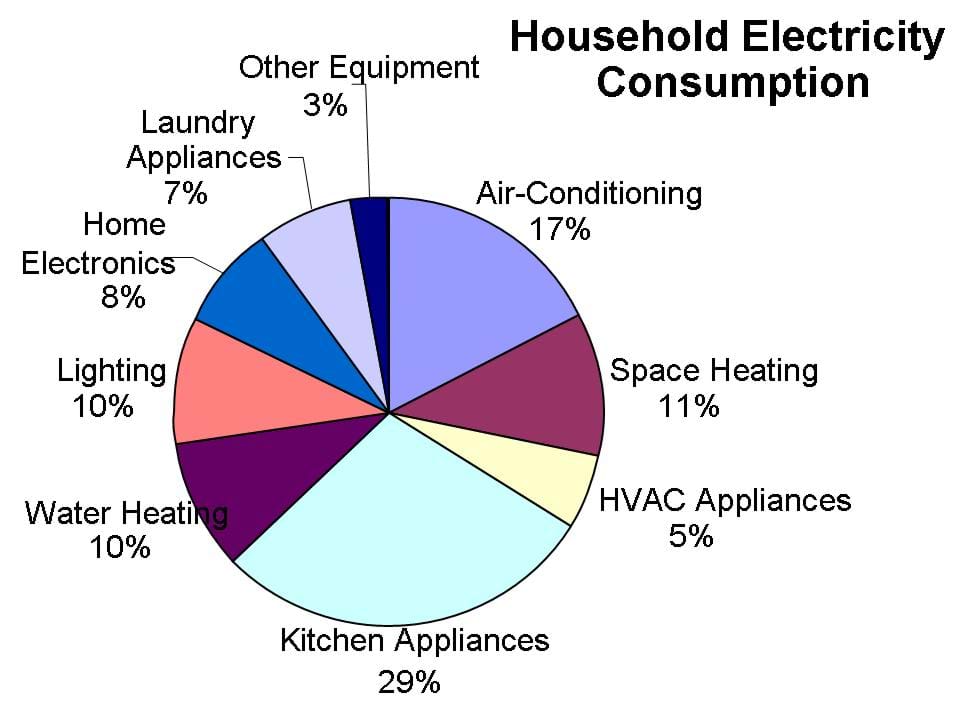
Ultimate baby registry checklist - The Mummy Bubble Baby Essentials Checklist Newborn Checklist Nursery - Etsy Baby Essentials List - Bucket List Publications
Baby essentials checklist printable - knowledgeFlex Essential Baby Items For Your Nursery โ€” Our West Nest

Closure

Thus, we hope this article has provided valuable insights into Unveiling the Essentials: A Comprehensive Guide to Baby Items Starting with "V". We appreciate your attention to our article. See you in our next article!