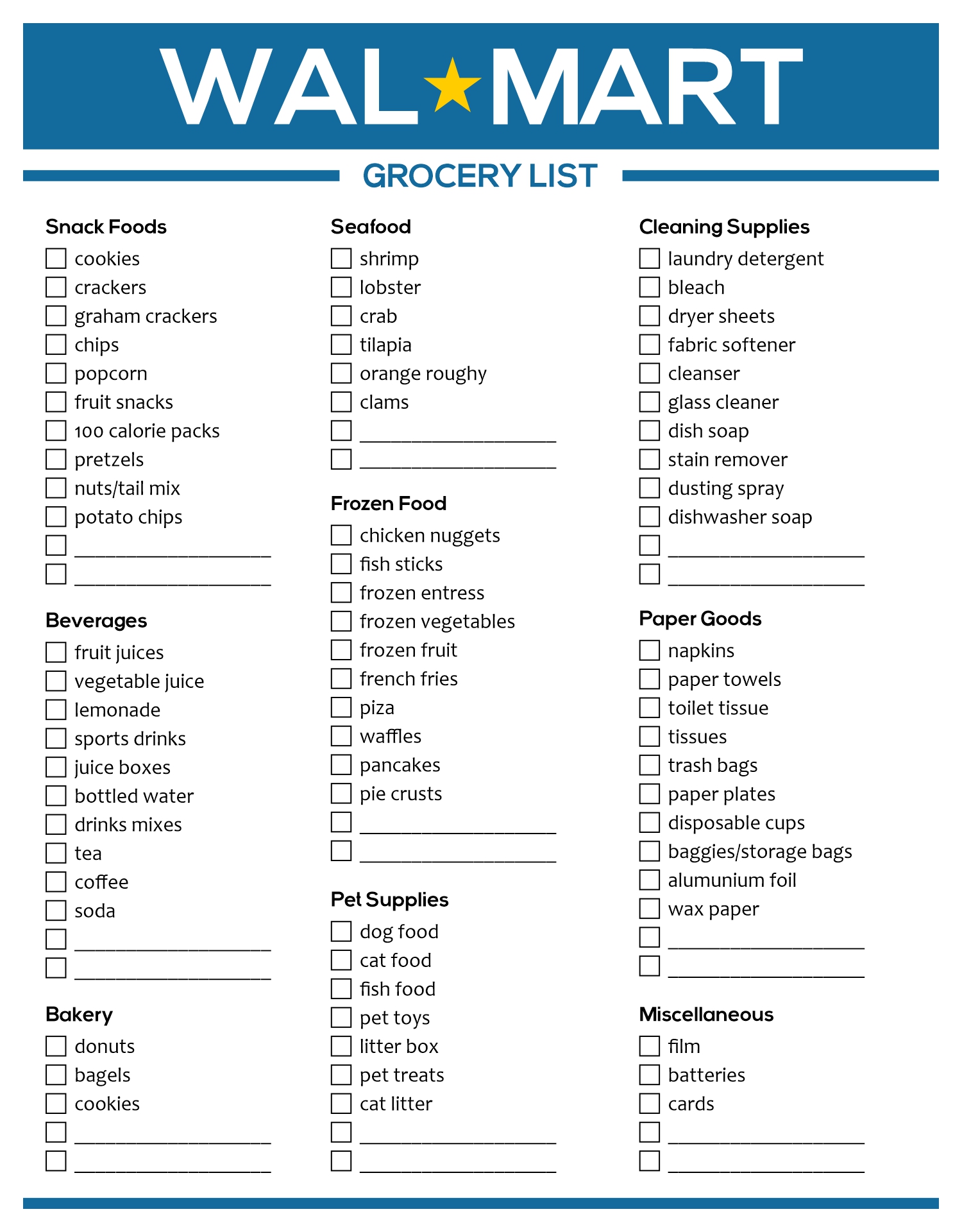
A Comprehensive Guide to Grocery Items: Navigating the Aisle of Choice

Introduction

In this auspicious occasion, we are delighted to delve into the intriguing topic related to A Comprehensive Guide to Grocery Items: Navigating the Aisle of Choice. Let’s weave interesting information and offer fresh perspectives to the readers.

A Comprehensive Guide to Grocery Items: Navigating the Aisle of Choice

Navigating the Grocery Aisle: A Guide

The grocery store, a seemingly mundane destination, is in reality a fascinating microcosm of human needs and desires. It houses a vast array of edible and non-edible items, each serving a specific purpose in our daily lives. Understanding the diverse categories within this expansive world of grocery items can empower consumers to make informed choices, ensuring a well-stocked pantry and a healthy, fulfilling lifestyle.

1. Produce:

  • Fruits: A vibrant display of nature’s bounty, fruits offer a spectrum of flavors, colors, and nutritional benefits. From juicy berries and citrus fruits to exotic mangoes and kiwis, they provide essential vitamins, minerals, and antioxidants.
    • Berries: Strawberries, raspberries, blueberries, and blackberries are rich in antioxidants and fiber.
    • Citrus Fruits: Oranges, lemons, limes, and grapefruits are excellent sources of vitamin C, known for its immune-boosting properties.
    • Stone Fruits: Peaches, plums, apricots, and nectarines are sweet and juicy, offering vitamins A and C.
    • Tropical Fruits: Mangoes, bananas, papayas, and pineapples are packed with vitamins, minerals, and fiber.
    • Apples and Pears: These fruits are versatile, offering both sweet and tart varieties, and are good sources of fiber and vitamin C.
  • Vegetables: The cornerstone of a balanced diet, vegetables provide essential nutrients and support overall health. They are classified into various categories:
    • Leafy Greens: Spinach, kale, lettuce, and collard greens are rich in vitamins, minerals, and antioxidants.
    • Cruciferous Vegetables: Broccoli, cauliflower, Brussels sprouts, and cabbage are known for their cancer-fighting properties.
    • Root Vegetables: Carrots, potatoes, sweet potatoes, and beets are packed with vitamins, minerals, and fiber.
    • Bulb Vegetables: Onions, garlic, and shallots add flavor and health benefits to dishes.
    • Other Vegetables: Tomatoes, peppers, cucumbers, and zucchini are versatile and nutritious additions to meals.

2. Dairy & Eggs:

  • Milk: A staple for many, milk is a rich source of calcium, protein, and vitamin D. Options include cow’s milk, almond milk, soy milk, and oat milk.
  • Yogurt: A fermented dairy product, yogurt is rich in probiotics, beneficial bacteria that support gut health.
  • Cheese: From mild cheddar to pungent blue cheese, cheese offers a variety of flavors and textures, adding richness to meals.
  • Eggs: A versatile and affordable source of protein, eggs also provide essential vitamins and minerals.

3. Meat & Poultry:

  • Beef: A popular source of protein, beef is available in various cuts, each with its own flavor and texture.
  • Chicken: A lean and versatile protein source, chicken is available in whole, breast, thigh, and wing forms.
  • Pork: Pork is a flavorful source of protein, offering a variety of cuts and preparations.
  • Lamb: Lamb is a rich and flavorful protein source, offering a unique taste.
  • Seafood: Fish, shrimp, crab, and other seafood are excellent sources of protein, omega-3 fatty acids, and other nutrients.

4. Grains & Bread:

  • Rice: A staple grain in many cultures, rice is available in various forms, including white, brown, and wild rice.
  • Pasta: A versatile and popular food, pasta is available in various shapes and sizes.
  • Bread: A staple food, bread is available in a wide range of varieties, from white bread to whole wheat bread.
  • Cereal: A breakfast staple, cereal provides a quick and convenient source of carbohydrates, fiber, and nutrients.

5. Frozen Foods:

  • Frozen Vegetables: Frozen vegetables retain their nutrients and offer convenience.
  • Frozen Fruits: Frozen fruits are a healthy and convenient option for smoothies, desserts, and snacks.
  • Frozen Meals: Frozen meals offer a quick and easy option for busy individuals.
  • Frozen Meat & Seafood: Frozen meat and seafood provide a convenient and affordable option for meals.

6. Canned Goods:

  • Canned Fruits & Vegetables: Canned fruits and vegetables offer a convenient and affordable option for meals.
  • Canned Soups & Stews: Canned soups and stews provide a quick and easy meal option.
  • Canned Beans & Legumes: Canned beans and legumes are a good source of protein and fiber.
  • Canned Tomatoes: Canned tomatoes are a versatile ingredient for sauces, soups, and stews.

7. Pantry Staples:

  • Oils & Fats: Olive oil, canola oil, and vegetable oil are essential for cooking and baking.
  • Spices & Herbs: Spices and herbs add flavor and nutritional benefits to dishes.
  • Salt & Pepper: Salt and pepper are essential seasonings for most dishes.
  • Sugar & Honey: Sugar and honey are sweeteners for beverages and desserts.
  • Vinegar: Vinegar is used for marinades, dressings, and sauces.
  • Flour: Flour is a key ingredient for baking bread, pastries, and other baked goods.
  • Baking Soda & Baking Powder: Baking soda and baking powder are essential leavening agents for baking.

8. Snacks & Treats:

  • Chips & Crackers: Chips and crackers are popular snacks, but it’s important to choose healthier options with less salt and fat.
  • Chocolate & Candy: Chocolate and candy are sweet treats, but they should be enjoyed in moderation.
  • Nuts & Seeds: Nuts and seeds are healthy snacks that offer protein, fiber, and healthy fats.
  • Dried Fruits: Dried fruits are a sweet and chewy snack that offers a concentrated source of nutrients.

9. Beverages:

  • Water: The most essential beverage, water is crucial for hydration and overall health.
  • Juice: Juice is a source of vitamins and minerals, but it’s important to choose 100% juice without added sugar.
  • Soda: Soda is a sugary beverage that should be consumed in moderation.
  • Coffee & Tea: Coffee and tea are popular beverages that offer caffeine and antioxidants.

10. Personal Care & Household Items:

  • Toiletries: Toothpaste, shampoo, soap, and other toiletries are essential for personal hygiene.
  • Household Cleaners: Cleaning supplies are essential for maintaining a clean and healthy home.
  • Paper Products: Paper towels, napkins, and toilet paper are essential for everyday use.
  • Other Household Items: Dish soap, laundry detergent, and other household items are necessary for maintaining a home.

Understanding the Importance of Grocery Shopping

The grocery store is more than just a place to buy food. It is a vital hub that influences our health, our wallets, and our connection to the world around us. By understanding the categories within the grocery store and making informed choices, consumers can:

  • Improve their health: By choosing nutrient-rich foods, such as fruits, vegetables, and whole grains, consumers can improve their overall health and well-being.
  • Save money: By planning meals, comparing prices, and taking advantage of sales, consumers can save money on their grocery bills.
  • Reduce their environmental impact: By choosing locally-sourced products and reducing food waste, consumers can minimize their environmental footprint.
  • Support local communities: By purchasing products from local farms and businesses, consumers can support their communities and contribute to a thriving local economy.

FAQs by Complete List of Grocery Items

Q: What are the most essential grocery items?

A: The most essential grocery items vary depending on individual needs and dietary preferences. However, some staples that most households rely on include:

  • Produce: Fruits and vegetables provide essential vitamins, minerals, and fiber.
  • Dairy & Eggs: These provide protein, calcium, and other nutrients.
  • Grains & Bread: These are sources of carbohydrates and fiber.
  • Pantry Staples: Oils, spices, salt, pepper, flour, and other staples are essential for cooking and baking.

Q: How can I make my grocery shopping more sustainable?

A: There are several ways to make grocery shopping more sustainable:

  • Choose locally-sourced products: Buying local produce and products reduces transportation emissions.
  • Reduce food waste: Plan meals, use leftovers, and compost food scraps to minimize waste.
  • Choose reusable bags: Bring your own reusable bags to avoid using plastic bags.
  • Buy in bulk: Buying in bulk can reduce packaging waste and save money.

Q: How can I make healthier choices at the grocery store?

A: Here are some tips for making healthier choices:

  • Read food labels: Pay attention to serving sizes, calories, and added sugars.
  • Choose whole grains over refined grains: Whole grains provide more fiber and nutrients.
  • Limit processed foods: Choose fresh, unprocessed foods whenever possible.
  • Choose lean protein sources: Opt for lean meats, poultry, fish, beans, and lentils.
  • Drink plenty of water: Water is essential for hydration and overall health.

Q: How can I save money on groceries?

A: Here are some tips for saving money on groceries:

  • Plan meals: Create a weekly meal plan to avoid impulse purchases.
  • Compare prices: Check prices at different stores and online.
  • Take advantage of sales: Look for coupons, discounts, and sale items.
  • Buy in bulk: Buy larger quantities of items you use regularly.
  • Shop with a list: Stick to your list to avoid buying unnecessary items.

Tips by Complete List of Grocery Items

  • Prioritize fresh produce: Aim to include a variety of fruits and vegetables in your diet.
  • Choose whole grains: Opt for whole wheat bread, brown rice, and other whole grain products.
  • Limit processed foods: Choose fresh, unprocessed foods whenever possible.
  • Read food labels: Pay attention to serving sizes, calories, and added sugars.
  • Plan meals: Create a weekly meal plan to avoid impulse purchases.
  • Compare prices: Check prices at different stores and online.
  • Take advantage of sales: Look for coupons, discounts, and sale items.
  • Buy in bulk: Buy larger quantities of items you use regularly.
  • Shop with a list: Stick to your list to avoid buying unnecessary items.
  • Reduce food waste: Plan meals, use leftovers, and compost food scraps.
  • Choose reusable bags: Bring your own reusable bags to avoid using plastic bags.
  • Support local farms and businesses: Buy locally-sourced products whenever possible.

Conclusion by Complete List of Grocery Items

The grocery store is a dynamic and essential part of our lives, offering a vast array of options to fuel our bodies and nourish our homes. By understanding the different categories of grocery items, making informed choices, and implementing sustainable practices, consumers can create a healthy, fulfilling, and responsible relationship with this vital hub of our daily lives. From the vibrant colors of fresh produce to the familiar comfort of pantry staples, the grocery store is a testament to human ingenuity and our constant pursuit of nourishment and well-being.

Navigating the Grocery Store Aisle: Understanding “Non-GMO” & Other Food Labels – Extension Comprehensive Grocery List - 5 Free High-Quality Printables The most comprehensive grocery list out there! Organized by common grocery store aisles, this
Basic Grocery Shopping List Premium Photo  Supermarket market or grocery store aisle with basket of quality choice healthy 10 Free Printable Grocery Lists (PDF Download)  Shopping list grocery, Free grocery list
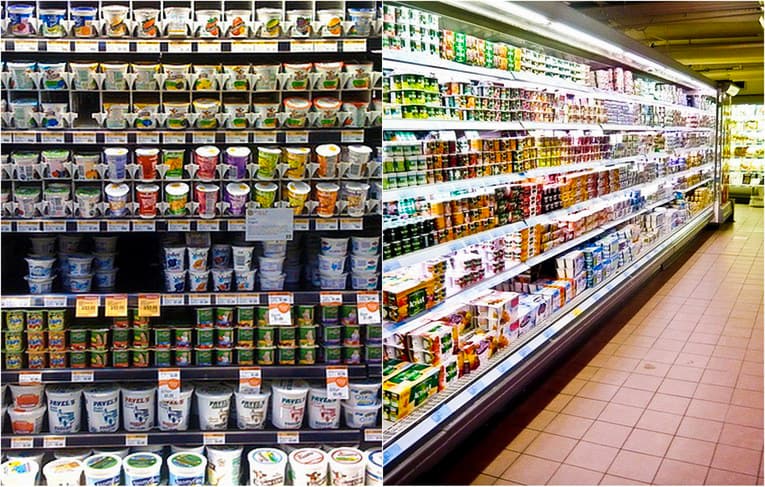
Grocery Store Guide: Navigating the Yogurt Aisle - The Picky Eater Navigating the Grocery Store for Healthier Choices: A Comprehensive Guide to Smart Grocery

Closure

Thus, we hope this article has provided valuable insights into A Comprehensive Guide to Grocery Items: Navigating the Aisle of Choice. We thank you for taking the time to read this article. See you in our next article!


German Engineering: A Legacy of Precision and Innovation

Introduction

With enthusiasm, let’s navigate through the intriguing topic related to German Engineering: A Legacy of Precision and Innovation. Let’s weave interesting information and offer fresh perspectives to the readers.

German Engineering: A Legacy of Precision and Innovation

The Real Story Of German Engineering

Germany, renowned for its meticulous craftsmanship and dedication to quality, has consistently produced world-class products across diverse sectors. From automobiles and machinery to pharmaceuticals and consumer goods, German products are synonymous with reliability, durability, and cutting-edge technology. This reputation, built over centuries, is a testament to the nation’s unwavering commitment to research, development, and meticulous manufacturing processes.

This article delves into the best products from Germany, exploring their significance and highlighting their impact on global markets. We will examine the key factors contributing to their success, including the country’s robust engineering infrastructure, skilled workforce, and unwavering focus on innovation.

Automotive Excellence: The German Engineering Hallmark

German automobiles have long been synonymous with precision engineering and performance. Brands like Mercedes-Benz, BMW, Audi, and Porsche have consistently set industry standards for luxury, safety, and driving experience. Their vehicles are known for their robust build quality, advanced technology, and sophisticated design.

Beyond the Luxury Segment:

While German luxury car manufacturers dominate the high-end market, their engineering prowess extends to more affordable segments. Volkswagen, with its diverse range of vehicles, caters to a broader audience, offering reliable and fuel-efficient cars. Opel, another popular brand, is known for its practicality and value for money.

The Power of Innovation:

German car manufacturers are at the forefront of automotive innovation. They are actively developing and implementing cutting-edge technologies like electric vehicles, autonomous driving systems, and advanced safety features. This commitment to research and development ensures that German cars remain competitive in a rapidly evolving automotive landscape.

Machinery and Industrial Equipment: The Backbone of German Industry

Germany is a global leader in the production of machinery and industrial equipment. Companies like Siemens, Bosch, and KUKA are renowned for their high-quality products and sophisticated automation solutions. These companies play a crucial role in manufacturing, energy, and infrastructure development across the world.

Precision and Efficiency:

German machinery is characterized by its precision, durability, and efficiency. This is achieved through rigorous quality control processes and the use of advanced manufacturing techniques. The focus on reliability and long-term performance makes German machinery a valuable investment for industries worldwide.

Automation and Robotics:

Germany is at the forefront of automation and robotics. Companies like KUKA are leading the way in developing advanced robotic systems for industrial applications. These robots are used in a wide range of industries, from manufacturing and logistics to healthcare and agriculture, increasing efficiency and productivity.

Pharmaceuticals and Healthcare: A Legacy of Innovation

Germany’s pharmaceutical industry is known for its high standards of research, development, and manufacturing. Companies like Bayer, Boehringer Ingelheim, and Merck have a long history of developing groundbreaking medications and treatments.

Focus on Research and Development:

German pharmaceutical companies invest heavily in research and development, leading to the discovery and development of new drugs and therapies. This commitment to innovation has resulted in significant advancements in treating various diseases, including cancer, cardiovascular disease, and infectious diseases.

Quality Control and Safety:

The German pharmaceutical industry adheres to strict quality control standards, ensuring the safety and efficacy of its products. This commitment to quality has earned the trust of healthcare professionals and patients worldwide.

Consumer Goods: Quality and Design

German consumer goods are known for their high quality, durability, and design. From kitchen appliances and tools to home furnishings and fashion, German products are synonymous with craftsmanship and longevity.

Kitchen Appliances: A Legacy of Innovation:

German kitchen appliances are highly regarded for their functionality, durability, and innovative features. Companies like Bosch, Miele, and Siemens are known for their high-quality ovens, refrigerators, dishwashers, and washing machines.

Tools and Hardware:

German tools and hardware are renowned for their precision, durability, and ergonomics. Brands like Festool, Bosch, and Wera are highly sought after by professionals and DIY enthusiasts alike. Their tools are designed for long-lasting performance and reliable operation.

Fashion and Design:

Germany has a strong tradition of fashion and design. Brands like Hugo Boss, Adidas, and Puma are known for their stylish and functional clothing and accessories. German design is characterized by its clean lines, minimalist aesthetics, and attention to detail.

The Power of "Made in Germany": A Global Symbol of Excellence

The "Made in Germany" label has become a global symbol of quality, reliability, and innovation. It represents a commitment to excellence, a dedication to precision engineering, and a focus on long-term value. This reputation has been hard-earned and is fiercely protected by German manufacturers.

Factors Contributing to German Product Success

Several key factors contribute to the success of German products:

  • Robust Engineering Infrastructure: Germany has a strong infrastructure for research, development, and manufacturing. This includes world-class universities, research institutions, and highly skilled engineers.
  • Skilled Workforce: Germany has a highly skilled workforce, well-trained in engineering, manufacturing, and technical disciplines. This skilled labor force is essential for maintaining the high standards of German products.
  • Focus on Innovation: German companies prioritize innovation and invest heavily in research and development. This commitment to technological advancement ensures that German products remain at the forefront of their respective industries.
  • Strong Tradition of Quality: Germany has a long tradition of craftsmanship and quality. This focus on precision, durability, and longevity is deeply ingrained in German manufacturing culture.
  • Strict Quality Control: German manufacturers adhere to rigorous quality control standards, ensuring that every product meets the highest standards of excellence.

Conclusion: A Legacy of Excellence Continues

German products continue to set the global standard for quality, innovation, and reliability. Their success is a testament to the country’s unwavering commitment to engineering excellence, research and development, and meticulous craftsmanship. The "Made in Germany" label remains a symbol of trust and value, assuring consumers of exceptional quality and lasting performance. As technology continues to evolve, German manufacturers are poised to remain at the forefront of innovation, ensuring that their products continue to be sought after worldwide.

FAQs on Best Products from Germany

Q: What are some of the most popular German car brands?

A: Some of the most popular German car brands include Mercedes-Benz, BMW, Audi, Porsche, Volkswagen, and Opel. These brands are known for their high-quality vehicles, advanced technology, and sophisticated design.

Q: What are some of the leading German machinery and industrial equipment companies?

A: Some of the leading German machinery and industrial equipment companies include Siemens, Bosch, KUKA, and Trumpf. These companies are renowned for their high-quality products, sophisticated automation solutions, and commitment to innovation.

Q: What are some of the best-known German pharmaceutical companies?

A: Some of the best-known German pharmaceutical companies include Bayer, Boehringer Ingelheim, and Merck. These companies have a long history of developing groundbreaking medications and treatments, focusing on research, development, and strict quality control.

Q: What are some popular German consumer goods brands?

A: Some popular German consumer goods brands include Bosch, Miele, Siemens, Festool, Wera, Hugo Boss, Adidas, and Puma. These brands are known for their high quality, durability, design, and focus on functionality.

Q: What are the benefits of buying German products?

A: Buying German products offers several benefits, including:

  • High Quality: German products are known for their exceptional quality, durability, and reliability.
  • Innovation: German companies are at the forefront of innovation, constantly developing cutting-edge technologies and products.
  • Precision Engineering: German products are characterized by their precision engineering and meticulous craftsmanship.
  • Long-Term Value: German products are designed to last, offering long-term value and a return on investment.

Tips for Buying German Products

  • Research and Compare: Before purchasing a German product, research different brands and models to find the best option for your needs and budget.
  • Look for the "Made in Germany" Label: Ensure that the product you are buying is genuinely manufactured in Germany. This label guarantees quality and authenticity.
  • Check Reviews and Ratings: Read reviews and ratings from other consumers to gain insights into the product’s performance and reliability.
  • Consider Authorized Dealers: Purchase German products from authorized dealers to ensure authenticity and access to warranty and support services.
  • Invest in Quality: German products may be more expensive upfront, but their durability and longevity make them a worthwhile investment in the long run.

Conclusion: A Legacy of Engineering Excellence

Germany’s commitment to engineering excellence, precision craftsmanship, and innovation has resulted in a legacy of world-class products. From automobiles and machinery to pharmaceuticals and consumer goods, German products are synonymous with quality, reliability, and lasting performance. The "Made in Germany" label continues to be a global symbol of trust and value, assuring consumers of exceptional quality and a commitment to excellence.

The future of German mechanical engineering—Operating successfully in a dynamic  McKinsey Discovering the Precision of German Engineering - NYU Abu Dhabi Precision German Engineering Digital Art by Sigmund Gede - Fine Art America
German Engineering History  Mechanical Jobs In Germany  M&E Global Famous German Inventions and Technologies – Fun Scientific Facts - YouTube The Real Story Of German Engineering
German Engineering  Why PSI  PEINER SMAG Machinery India German engineering partners with Chinese manufacturing - CGTN

Closure

Thus, we hope this article has provided valuable insights into German Engineering: A Legacy of Precision and Innovation. We appreciate your attention to our article. See you in our next article!

Unlocking Value: A Guide to Furniture and Household Goods Auctions

Introduction

With enthusiasm, let’s navigate through the intriguing topic related to Unlocking Value: A Guide to Furniture and Household Goods Auctions. Let’s weave interesting information and offer fresh perspectives to the readers.

Unlocking Value: A Guide to Furniture and Household Goods Auctions

PPT - Restaurant Furniture Auction: Unlocking Value and Possibilities PowerPoint Presentation

In a world increasingly focused on sustainability and responsible consumption, auctions have emerged as a compelling alternative for acquiring and disposing of furniture and household goods. These events offer a unique blend of excitement, affordability, and the chance to discover hidden treasures. This guide explores the intricacies of furniture and household goods auctions, shedding light on their benefits, mechanics, and essential tips for both buyers and sellers.

Understanding the Auction Landscape

Auctions for furniture and household goods encompass a diverse range of offerings, from vintage and antique pieces to contemporary designs and everyday essentials. These events are typically organized by auction houses, estate sale companies, or online platforms. The format can vary, encompassing live auctions held in physical locations, online auctions conducted digitally, or a combination of both.

The Appeal of Auctions

1. Affordability: Auctions often present opportunities to acquire high-quality furniture and household goods at prices significantly lower than retail. This is especially true for items that may be discontinued, slightly damaged, or simply not in high demand.

2. Uniqueness: Auctions provide access to a wide array of unique items, including antique pieces, designer furniture, and one-of-a-kind finds. This allows individuals to personalize their homes with distinctive elements that reflect their personal style.

3. Sustainability: Auctions promote a circular economy by facilitating the reuse and repurposing of furniture and household goods. This reduces waste and minimizes the environmental impact associated with new production.

4. Excitement: Auctions are inherently exciting events, with the thrill of bidding and the potential to secure a bargain adding to the overall experience.

Navigating the Auction Process

1. Research and Preparation: Before attending an auction, thorough research is crucial. Identify reputable auction houses or online platforms, familiarize yourself with the items being offered, and establish a budget.

2. Registration and Bidding: Most auctions require registration, often involving providing personal details and a form of payment. Bidding can be done in person, online, or via phone depending on the auction format.

3. Understanding Terms and Conditions: Auction houses typically outline specific terms and conditions regarding payment, shipping, and returns. It is essential to carefully review these before participating.

4. Inspection and Condition: Whenever possible, inspect items in person to assess their condition and ensure they meet your expectations. Be aware that items may have minor imperfections or signs of wear.

5. Payment and Shipping: Payment is typically due immediately after the auction, often via cash, check, or credit card. Shipping arrangements may be handled by the auction house or the buyer, depending on the specific terms.

FAQs: Addressing Common Queries

Q: What types of furniture and household goods are typically auctioned?

A: Auctions encompass a vast array of items, including furniture (tables, chairs, sofas, beds), home decor (rugs, lamps, artwork), kitchenware, linens, and more.

Q: How do I find local auctions?

A: Local newspapers, online directories, and auction house websites are excellent resources for locating auctions in your area.

Q: What are the benefits of attending an auction in person?

A: Attending in person allows for a hands-on inspection of items, a more immersive experience, and the opportunity to engage with other bidders.

Q: What are the advantages of participating in online auctions?

A: Online auctions offer convenience, wider reach, and the ability to bid from anywhere with an internet connection.

Q: How do I determine the value of an item before bidding?

A: Research online databases, consult with antique dealers, or attend pre-auction viewings to gain insights into the estimated value.

Q: What are the risks associated with auctions?

A: Risks include overbidding, purchasing items in poor condition, and encountering difficulties with payment or shipping.

Tips for Successful Bidding

1. Set a Budget: Establish a firm budget and stick to it. Avoid getting caught up in the excitement of bidding and exceeding your financial limits.

2. Research and Compare: Familiarize yourself with comparable items and their market value to inform your bidding strategy.

3. Consider the Condition: Assess the condition of the item carefully, taking into account any damage, wear, or imperfections.

4. Be Prepared to Walk Away: If the bidding price exceeds your budget or the item does not meet your expectations, be prepared to walk away.

5. Communicate Effectively: If bidding online, ensure clear and timely communication with the auction house regarding payment and shipping arrangements.

Tips for Selling at Auction

1. Choose the Right Auction House: Select an auction house specializing in the type of items you are selling.

2. Prepare Your Items: Clean, polish, and repair any damage to maximize the appeal and value of your items.

3. Provide Detailed Descriptions: Provide accurate and detailed descriptions of your items, including their condition, age, and any notable features.

4. Set Realistic Expectations: Research comparable items to set realistic reserve prices (minimum acceptable bids).

5. Understand Auction Fees: Be aware of the auction house’s commission fees and other associated costs.

Conclusion

Furniture and household goods auctions offer a unique and rewarding experience for both buyers and sellers. By understanding the mechanics, benefits, and potential risks, individuals can navigate these events successfully, acquiring valuable treasures or finding new homes for cherished possessions. Whether seeking a statement piece for your home or simply looking for a bargain, exploring the world of auctions can be an enriching and rewarding experience.

Furniture - a guide to buying at auction - YouTube Furniture Auctions Near Me [Locator Map + Guide + FAQ] 5 Auction Tips for Beginners - Great Expectations Auction & Estate Services
How to Price Used Furniture Correctly (Easiest Way) Furniture & household items Online Auction - Lindsay Auctions & Realty LLC Antique Furniture Values - The Real Value : Part I - Bohemian's Antiques (With images)  Antique
FREE Price Guides — ID & Value Antiques, Collectibles, Used household goods  Online garage sale Russell Kaplan Auctioneers Household Goods Auction  Johannesburg

Closure

Thus, we hope this article has provided valuable insights into Unlocking Value: A Guide to Furniture and Household Goods Auctions. We hope you find this article informative and beneficial. See you in our next article!

Acids in Our Homes: The Unsung Heroes of Everyday Life

Introduction

With enthusiasm, let’s navigate through the intriguing topic related to Acids in Our Homes: The Unsung Heroes of Everyday Life. Let’s weave interesting information and offer fresh perspectives to the readers.

Acids in Our Homes: The Unsung Heroes of Everyday Life

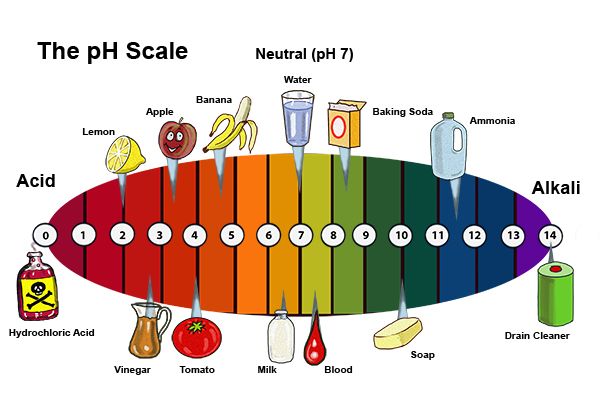
10+ Acids used in Daily Life (with images) - Teachoo Science

Acids are often perceived as dangerous and corrosive substances, conjuring images of bubbling beakers and burning skin. However, acids are ubiquitous in our everyday lives, playing vital roles in household cleaning, food preparation, and personal hygiene. Understanding the properties and uses of common household acids empowers us to utilize them safely and effectively.

The Chemistry of Acids: A Foundation for Understanding

Acids are chemical compounds characterized by the presence of hydrogen ions (H+) in solution. This presence is responsible for the characteristic sour taste of acids and their ability to react with bases to form salts and water. The strength of an acid is determined by its ability to donate hydrogen ions, with strong acids readily releasing H+ ions, while weak acids do so more reluctantly.

Common Household Acids: A Diverse and Useful Group

While the term "acid" may evoke apprehension, many common household items contain acids, often in diluted and safe forms. These acids contribute to a wide range of everyday tasks, from maintaining a clean and hygienic environment to enhancing the flavor of our food.

1. Citric Acid: The Versatile Kitchen Staple

Citric acid, found in citrus fruits like lemons and oranges, is a weak organic acid with a wide range of applications. It is a natural preservative, preventing spoilage in food and beverages. Its tart flavor makes it a popular ingredient in jams, jellies, and candies. Citric acid also serves as a cleaning agent, effectively removing mineral deposits and stains from various surfaces.

2. Acetic Acid: The Essence of Vinegar

Acetic acid, the primary component of vinegar, is a weak organic acid with a pungent odor and sour taste. Vinegar is a staple in kitchens worldwide, used for marinating meat, pickling vegetables, and adding tang to salad dressings. Its acidic nature also makes it an effective cleaning agent, capable of removing grime, grease, and mineral deposits from surfaces.

3. Ascorbic Acid (Vitamin C): The Essential Antioxidant

Ascorbic acid, commonly known as Vitamin C, is a vital nutrient for humans. It is a powerful antioxidant, protecting our cells from damage caused by free radicals. Vitamin C is found in fruits and vegetables like citrus fruits, berries, and leafy greens. It is also available as a dietary supplement, contributing to overall health and well-being.

4. Lactic Acid: The Sour Note in Yogurt and Sauerkraut

Lactic acid is a weak organic acid produced by bacteria during fermentation. It is responsible for the tangy flavor of fermented foods like yogurt, sauerkraut, and sourdough bread. Lactic acid also plays a role in maintaining healthy skin, promoting hydration and reducing inflammation.

5. Tartaric Acid: The Winemaker’s Ally

Tartaric acid is a naturally occurring acid found in grapes. It plays a crucial role in the winemaking process, contributing to the wine’s acidity and flavor profile. Tartaric acid is also used as a food additive, providing a tangy flavor to baked goods and candies.

6. Hydrochloric Acid: The Stomach’s Digestive Powerhouse

Hydrochloric acid, a strong inorganic acid, is produced in the stomach and plays a vital role in digestion. It breaks down food, activating digestive enzymes and killing harmful bacteria. However, it is important to note that concentrated hydrochloric acid is highly corrosive and should only be handled by trained professionals.

7. Sulfuric Acid: The Industrial Workhorse

Sulfuric acid, a strong inorganic acid, is a key component in many industrial processes, including the production of fertilizers, batteries, and detergents. It is also used in the manufacture of paper, textiles, and plastics. However, concentrated sulfuric acid is extremely corrosive and dangerous, requiring specialized handling and safety precautions.

8. Phosphoric Acid: The Cola’s Secret Ingredient

Phosphoric acid, a weak inorganic acid, is often found in carbonated beverages, particularly cola. It provides a tart flavor and contributes to the drink’s fizz. However, excessive consumption of phosphoric acid can lead to health issues like bone loss and tooth decay.

Understanding the Importance and Benefits of Household Acids

The presence of acids in our homes is not a cause for alarm but rather a testament to their diverse and beneficial applications. Acids contribute to a wide range of tasks, including:

  • Food Preservation: Acids like citric acid and acetic acid act as natural preservatives, preventing spoilage and extending the shelf life of food products.
  • Cleaning and Disinfecting: Acids like citric acid, acetic acid, and lactic acid effectively remove dirt, grime, and bacteria from surfaces, promoting hygiene and cleanliness.
  • Personal Care: Lactic acid is used in skincare products to promote hydration and reduce inflammation. Ascorbic acid (Vitamin C) is essential for overall health and well-being.
  • Industrial Applications: Acids like sulfuric acid and phosphoric acid play crucial roles in various industrial processes, contributing to the production of essential goods and materials.

FAQs about Acids Found at Home

1. Are all acids dangerous?

No, not all acids are dangerous. Many household acids are diluted and safe for everyday use. However, it is important to handle all acids with care, following instructions and safety precautions.

2. What are the risks associated with using acids?

Acids can cause skin irritation, burns, and eye damage if not handled properly. Always wear protective gear like gloves and eye protection when handling acids.

3. How can I safely use acids at home?

  • Always read and follow the instructions on product labels.
  • Dilute acids according to instructions.
  • Avoid contact with skin and eyes.
  • Use in well-ventilated areas.
  • Store acids in secure containers away from children and pets.

4. How do I dispose of acids safely?

  • Never pour acids down the drain.
  • Check with your local waste disposal facility for proper disposal methods.

5. Can I mix different acids together?

Mixing acids can be dangerous and create harmful reactions. Always consult with a chemist or safety professional before mixing acids.

Tips for Using Acids Safely at Home

  • Read and follow product labels: Always adhere to instructions regarding dilution, application, and safety precautions.
  • Wear protective gear: Use gloves, eye protection, and protective clothing when handling acids.
  • Store acids securely: Keep acids in their original containers, labeled properly, and out of reach of children and pets.
  • Ventilate well: Use acids in well-ventilated areas to avoid inhaling fumes.
  • Neutralize spills immediately: If an acid spills, neutralize it with a base like baking soda and then clean the area thoroughly.

Conclusion

Acids are ubiquitous in our homes, playing essential roles in food preparation, cleaning, and personal care. While some acids can be dangerous if mishandled, many are safe and beneficial when used properly. Understanding the properties and applications of common household acids empowers us to utilize them effectively and safely, contributing to a cleaner, healthier, and more enjoyable home environment.

DermaSphere: An Ode To Amino Acids - The Unsung Heroes Deserving A Central Place In Our Skincare Learn All About The Strong Acids and Bases - PraxiLabs Acids, Bases and Their Uses in Our Daily Life
Household acids Stock Photo: 30843219 - Alamy L-Glutamine: The Unsung Hero of Amino Acids You Must Know About - in2.wales The Omega-3 Fatty Acids Take Center Stage As the Unsung Heroes Behind the Scenes Stock
Acids and Bases We Use In Everyday Life – StudiousGuy The Omega-3 Fatty Acids Take Center Stage As the Unsung Heroes Behind the Scenes Stock

Closure

Thus, we hope this article has provided valuable insights into Acids in Our Homes: The Unsung Heroes of Everyday Life. We thank you for taking the time to read this article. See you in our next article!

Navigating the New Terrain: Advice for Newlyweds in the 21st Century

Introduction

With great pleasure, we will explore the intriguing topic related to Navigating the New Terrain: Advice for Newlyweds in the 21st Century. Let’s weave interesting information and offer fresh perspectives to the readers.

6 Tips to help newlyweds negotiate the new marital terrain

Marriage, a union of two individuals, marks a significant transition in life. It is a journey that requires constant adaptation, understanding, and a commitment to growth. The initial phase, the honeymoon period, is often filled with excitement and joy. However, navigating the complexities of married life requires conscious effort and a willingness to adapt to the evolving dynamics of the relationship.

This article provides a comprehensive guide for newlyweds, addressing key aspects of married life and offering practical advice for a fulfilling and enduring partnership.

Building a Solid Foundation: The Pillars of a Successful Marriage

1. Communication: The Language of Love

Effective communication is the cornerstone of any successful relationship, particularly in marriage. Open and honest communication allows partners to understand each other’s needs, desires, and perspectives. It fosters empathy, reduces misunderstandings, and provides a platform for resolving conflicts constructively.

  • Active Listening: Truly hearing your partner’s words, understanding their emotions, and responding with empathy is essential.
  • Expressing Feelings: Articulating your emotions, both positive and negative, allows your partner to understand your needs and respond accordingly.
  • Non-Verbal Communication: Paying attention to body language, tone of voice, and facial expressions can provide valuable insights into your partner’s feelings.
  • Conflict Resolution: Learning to disagree respectfully, focusing on solutions rather than blame, and finding common ground are crucial skills in navigating disagreements.

2. Shared Values and Goals: The Compass of Direction

Shared values and goals provide a sense of direction and purpose to the marriage. When couples align their aspirations and life philosophies, they create a foundation for mutual understanding and support.

  • Personal Values: Identifying and discussing core values, such as honesty, integrity, and respect, can foster a shared sense of morality and ethical conduct.
  • Life Goals: Collaborating on short-term and long-term goals, such as career aspirations, travel plans, and financial objectives, can create a sense of shared purpose and motivate joint efforts.
  • Financial Management: Openly discussing financial goals, budgeting practices, and debt management strategies promotes transparency and fosters a sense of shared responsibility.

3. Individuality and Growth: Nurturing Personal Development

Marriage is not about merging two individuals into one; it is about two distinct individuals choosing to grow together. Respecting each other’s individualities and supporting personal growth is essential for a fulfilling partnership.

  • Personal Interests and Hobbies: Encouraging and participating in each other’s hobbies, interests, and pursuits strengthens individual identity and fosters a sense of shared joy.
  • Personal Growth and Development: Supporting each other’s personal and professional growth through education, career advancement, and self-improvement initiatives promotes individual fulfillment and strengthens the relationship.
  • Time Apart: Respecting each other’s need for solitude and personal space allows for individual reflection, recharging, and a renewed appreciation for the relationship.

4. Intimacy and Connection: The Heart of the Union

Intimacy, encompassing both physical and emotional closeness, is a vital aspect of a healthy marriage. It fosters a sense of connection, deepens the bond, and strengthens the emotional foundation of the relationship.

  • Physical Intimacy: Maintaining a healthy and fulfilling sexual life requires open communication, mutual respect, and a willingness to explore each other’s desires.
  • Emotional Intimacy: Sharing vulnerabilities, expressing affection, and creating moments of shared joy and laughter strengthens the emotional connection.
  • Quality Time: Making time for each other, engaging in meaningful conversations, and creating shared experiences fosters a sense of connection and strengthens the bond.

5. Adaptability and Compromise: Navigating the Changing Tides

Life is unpredictable, and marriage is no exception. The ability to adapt to changing circumstances, embrace compromise, and adjust expectations is crucial for a lasting partnership.

  • Flexibility: Being open to adjusting routines, schedules, and plans to accommodate life’s unexpected turns fosters a sense of adaptability and resilience.
  • Compromise: Finding solutions that satisfy both partners’ needs, even if they involve sacrificing personal preferences, demonstrates a willingness to work together.
  • Acceptance: Recognizing and accepting each other’s strengths and weaknesses, imperfections and all, fosters unconditional love and understanding.

Navigating the Challenges: Common Pitfalls and Solutions

1. Conflict Resolution: The Art of Constructive Disagreement

Disagreements are inevitable in any relationship. The key lies in resolving conflicts constructively and maintaining respect for each other’s perspectives.

  • Active Listening: Hear your partner’s perspective without interrupting, acknowledge their feelings, and seek to understand their point of view.
  • "I" Statements: Expressing your feelings and needs using "I" statements, such as "I feel hurt when…" or "I need…" avoids blaming and promotes understanding.
  • Focus on Solutions: Instead of dwelling on the problem, shift the focus to finding solutions that address both partners’ needs.
  • Take Breaks: If emotions run high, take a break to cool down before resuming the conversation.

2. Managing Expectations: Reality Check and Realistic Goals

Unrealistic expectations can lead to disappointment and resentment. Establishing clear and realistic expectations regarding roles, responsibilities, and personal needs is crucial.

  • Open Communication: Discuss your expectations regarding household chores, financial contributions, and personal time.
  • Shared Responsibilities: Divide tasks and responsibilities equitably, ensuring that both partners contribute to the well-being of the household.
  • Individual Needs: Respect each other’s individual needs for time alone, social connections, and personal pursuits.

3. Financial Management: A Shared Path to Prosperity

Financial matters can be a source of stress and conflict in marriage. Open communication, shared decision-making, and a collaborative approach to financial management are essential.

  • Budgeting: Create a joint budget that reflects both partners’ income, expenses, and financial goals.
  • Financial Goals: Discuss and agree on shared financial goals, such as saving for a house, retirement, or travel.
  • Transparency: Maintain transparency regarding income, spending, and debt, fostering trust and accountability.

4. Maintaining Intimacy: Nurturing the Flame

Intimacy, both physical and emotional, is essential for a fulfilling marriage. However, the demands of daily life can sometimes overshadow the need to nurture this vital aspect of the relationship.

  • Schedule Quality Time: Dedicate specific time each week for quality time together, free from distractions.
  • Express Appreciation: Regularly express gratitude and appreciation for your partner, both verbally and through actions.
  • Seek Professional Guidance: If you are struggling to maintain intimacy, seeking professional counseling can provide valuable support and guidance.

5. Building a Support System: The Importance of Community

A strong support system, including family, friends, and community resources, can provide valuable emotional support and guidance during the challenges of marriage.

  • Family and Friends: Maintain healthy relationships with family and friends, seeking their support and advice when needed.
  • Community Resources: Utilize community resources, such as marriage counseling, support groups, and religious organizations, for additional guidance and support.

FAQs: Addressing Common Concerns

1. How do we handle disagreements without escalating into arguments?

  • Choose the Right Time and Place: Avoid discussing sensitive topics when you are tired, stressed, or in public.
  • Focus on the Issue, Not the Person: Avoid personal attacks and focus on the specific issue at hand.
  • Take Breaks: If emotions run high, take a break to cool down before resuming the conversation.
  • Seek Compromise: Look for solutions that address both partners’ needs, even if it involves some compromise.

2. How do we balance personal time with time spent together?

  • Communicate Your Needs: Openly discuss your individual needs for personal time and time together.
  • Schedule Time for Both: Plan specific time for individual pursuits and quality time together.
  • Respect Each Other’s Boundaries: Recognize and respect each other’s need for alone time and personal space.

3. How do we navigate differences in opinions and values?

  • Open Communication: Talk openly about your differences and try to understand each other’s perspectives.
  • Find Common Ground: Focus on areas where you agree and build upon those shared values.
  • Respect Each Other’s Beliefs: Even if you disagree, respect each other’s right to hold different opinions and values.

4. How do we deal with financial challenges as a couple?

  • Create a Joint Budget: Establish a budget that reflects both partners’ income, expenses, and financial goals.
  • Communicate Openly: Discuss financial matters openly and honestly, avoiding secrecy or resentment.
  • Seek Professional Advice: Consider seeking financial advice from a qualified professional to develop a sound financial plan.

5. How do we maintain a strong emotional connection over time?

  • Express Appreciation: Regularly express gratitude and appreciation for your partner, both verbally and through actions.
  • Schedule Quality Time: Dedicate specific time each week for quality time together, free from distractions.
  • Engage in Meaningful Conversations: Talk about your hopes, dreams, fears, and aspirations.
  • Seek Professional Help: If you are struggling to maintain emotional connection, consider seeking professional counseling.

Tips for Newlyweds: Practical Advice for a Thriving Marriage

  • Prioritize Communication: Make time for open and honest communication, even when it’s difficult.
  • Celebrate the Small Victories: Acknowledge and celebrate each other’s accomplishments, both big and small.
  • Be Willing to Forgive: Everyone makes mistakes; learn to forgive and move forward.
  • Practice Gratitude: Express appreciation for your partner and the blessings in your life.
  • Seek Professional Help: Don’t hesitate to seek professional counseling if you are struggling.

Conclusion: A Journey of Growth and Love

Marriage is a dynamic and evolving journey that requires constant effort, understanding, and a commitment to growth. By embracing open communication, shared values, individual growth, intimacy, and adaptability, newlyweds can lay a strong foundation for a fulfilling and enduring partnership.

Remember, marriage is not a destination but a journey. It is a journey of learning, adapting, and growing together. Embrace the challenges, celebrate the triumphs, and nurture the love that binds you together.

8 Best Marriage Advice For Newlyweds Marriage Advice for Newlyweds: 40 Married People Share Their Best Tips  Advice for newlyweds 11 Powerful Tips For The Newlywed Wife in 2020  Advice for newlyweds, Good wife, Healthy marriage
Marriage Advice for Newlyweds: 40 Married People Share Their Best Tips  Best marriage advice 300+ of the Most Insightful Pieces of Marriage Advice  The Dating Divas 25 Pieces of Advice From Marrieds to Newlyweds - Living the Sweet Wife
Marriage Advice For Newlyweds: 10 Simple Things  Courtney Kramer Blog  Marriage advice 300+ of the Most Insightful Pieces of Marriage Advice  The Dating Divas

Closure

Thus, we hope this article has provided valuable insights into Navigating the New Terrain: Advice for Newlyweds in the 21st Century. We thank you for taking the time to read this article. See you in our next article!

Transforming the Ordinary: Exploring Art Through Household Items

Introduction

With great pleasure, we will explore the intriguing topic related to Transforming the Ordinary: Exploring Art Through Household Items. Let’s weave interesting information and offer fresh perspectives to the readers.

Transforming the Ordinary: Exploring Art Through Household Items

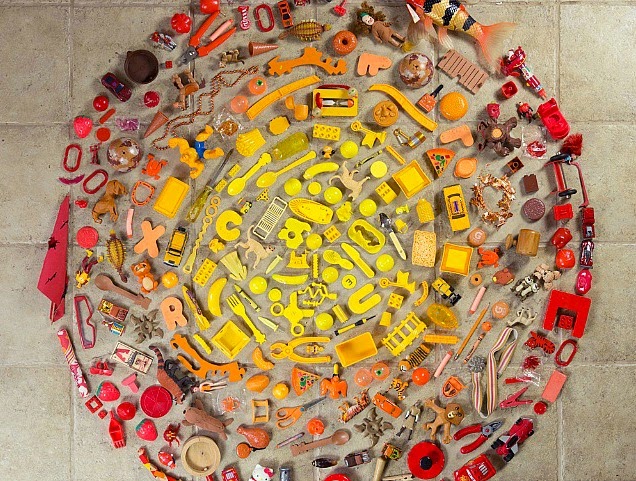
Artists Transform Ordinary Objects Found Throughout Their Home into Colorful Mandalas  Junkculture

The world around us is brimming with potential for artistic expression. Everyday objects, often overlooked in their mundane existence, hold within them the seeds of creativity. Household items, readily available and easily accessible, can be transformed into captivating works of art, offering a unique and engaging avenue for exploration and self-expression. This approach to artmaking not only fosters resourcefulness and imagination but also provides a bridge between the familiar and the extraordinary, revealing hidden beauty in the commonplace.

The Power of Transformation:

The act of repurposing everyday items into art transcends mere craft. It is a process of transformation, where the object’s original function is shed, giving way to a new aesthetic purpose. This process often involves altering the object’s form, texture, or color, or using it in a completely unconventional way. The transformation can be subtle or dramatic, but it invariably imbues the object with new meaning and significance.

Benefits of Using Household Items in Art:

Beyond the artistic merit, creating art with household items offers numerous benefits:

  • Accessibility: The materials are readily available and often free, making art accessible to individuals of all socioeconomic backgrounds. This removes financial barriers and encourages participation.
  • Sustainability: Repurposing discarded items reduces waste and promotes sustainable practices, aligning with the growing awareness of environmental responsibility.
  • Creativity and Innovation: The limitations imposed by using readily available materials encourage innovative solutions and out-of-the-box thinking, fostering creativity and problem-solving skills.
  • Exploration and Experimentation: The process of transforming everyday objects opens doors to experimentation with different materials, techniques, and aesthetic approaches, expanding artistic horizons.
  • Connection to the Familiar: Utilizing familiar objects creates a personal connection to the artwork, making the experience more meaningful and engaging.

Exploring Diverse Artistic Expressions:

The possibilities for creating art with household items are boundless. Here are a few examples of artistic expressions:

1. Sculpture and Installation:

  • Paper Mache: Paper, readily available in every household, is a versatile material for creating sculptures. Using paper mache, one can transform cardboard boxes, newspapers, or even egg cartons into unique three-dimensional forms.
  • Found Object Sculptures: Assembling everyday objects like plastic bottles, buttons, or cutlery can create captivating sculptures that explore themes of consumption, waste, or the mundane.
  • Installation Art: Creating immersive environments using household items can engage the viewer in a more profound way. For instance, a room filled with suspended spoons, each reflecting a different light, can evoke a sense of wonder and introspection.

2. Painting and Drawing:

  • Natural Dyes: Using natural ingredients like beetroot, turmeric, or coffee grounds can create vibrant and earthy colors for painting and drawing. This method not only provides a unique palette but also fosters an appreciation for natural resources.
  • Textured Surfaces: Creating textured surfaces using everyday materials like sandpaper, sponges, or even bubble wrap adds depth and dimension to paintings and drawings.
  • Collage: Combining different materials like fabric scraps, old magazines, or even food packaging creates dynamic collages that explore themes of texture, color, and composition.

3. Photography and Film:

  • Light and Shadow Play: Using household items like lamps, mirrors, or even a simple window to create dramatic lighting effects can transform everyday objects into compelling photographic subjects.
  • Stop-Motion Animation: Creating animated sequences using household items, such as toys, utensils, or even food, offers a creative and engaging way to explore storytelling and animation techniques.

4. Mixed Media and Multidisciplinary Art:

  • Combining Materials: Blending different materials like fabric, wood, metal, and glass, found within the home, can create intricate and visually stimulating mixed media art pieces.
  • Interactive Installations: Creating interactive installations that engage the audience using household items can foster a playful and participatory experience.

FAQs about Art Projects Using Household Items:

  • What are the most common materials used in art projects using household items?

Common materials include paper, cardboard, fabric scraps, buttons, plastic bottles, glass jars, wooden objects, cutlery, and food packaging.

  • What are some examples of art projects for children using household items?

Children can create simple sculptures using cardboard boxes and paper mache, paint with natural dyes, make collages with fabric scraps, or engage in stop-motion animation using toys and household objects.

  • How can I find inspiration for art projects using household items?

Inspiration can come from observing everyday objects, exploring online resources, attending workshops, or simply experimenting with different materials and techniques.

  • What are some tips for successful art projects using household items?

  • Plan and Sketch: Before starting, consider the materials, techniques, and overall design.

  • Experiment: Don’t be afraid to try different approaches and experiment with materials.

  • Think outside the box: Challenge conventional thinking and find creative uses for everyday items.

  • Embrace imperfections: Imperfections can add character and authenticity to your artwork.

  • Document your process: Take photos or videos of your creative journey to track your progress and reflect on your work.

Conclusion:

Art projects using household items offer a unique and accessible pathway for artistic expression. By embracing the potential of the ordinary, we can unlock a world of creative possibilities, fostering resourcefulness, sustainability, and a deeper appreciation for the beauty found in everyday objects. The act of transforming the familiar into the extraordinary is a testament to human ingenuity and the boundless power of creativity. Through these projects, we can connect with our surroundings, explore diverse artistic techniques, and ultimately, find meaning and joy in the art we create.

Artist Incorporates Ordinary Household Objects in Colorful Arrangements 10 Everyday Objects Beautifully Transformed Into Works of Art 11 Everyday Objects Transformed Into Extraordinary Works of Art
Artist Transforms Ordinary Household Objects Into Visually Satisfying Arrangements  Everyday Disposable Everyday Objects Transformed Into Abstract Works of Art - Feature Shoot 11 Everyday Objects Transformed Into Extraordinary Works of Art
From Ordinary to Extraordinary: Transforming Everyday Objects into Art #wallhanging #art # How artists transform everyday objects  Modern Art & Ideas - YouTube

Closure

Thus, we hope this article has provided valuable insights into Transforming the Ordinary: Exploring Art Through Household Items. We thank you for taking the time to read this article. See you in our next article!

The Indispensable Fabric of Everyday Life: A Comprehensive Look at Common Household Items

Introduction

With enthusiasm, let’s navigate through the intriguing topic related to The Indispensable Fabric of Everyday Life: A Comprehensive Look at Common Household Items. Let’s weave interesting information and offer fresh perspectives to the readers.

The Indispensable Fabric of Everyday Life: A Comprehensive Look at Common Household Items

70+ Essential Household Items - A Definitive Checklist You MUST know!  Household items

The modern home, a sanctuary of comfort and convenience, is built upon a foundation of seemingly ordinary objects. These everyday items, often taken for granted, play a vital role in our daily lives, facilitating a myriad of tasks and contributing to our overall well-being. This exploration delves into the diverse world of common household items, highlighting their essential functions, underlying benefits, and often overlooked significance.

The Cornerstones of Culinary Creations: Kitchen Essentials

The kitchen, the heart of any home, is a bustling hub of culinary activity, relying on a collection of indispensable tools and appliances.

1. The Culinary Canvas: Pots and Pans

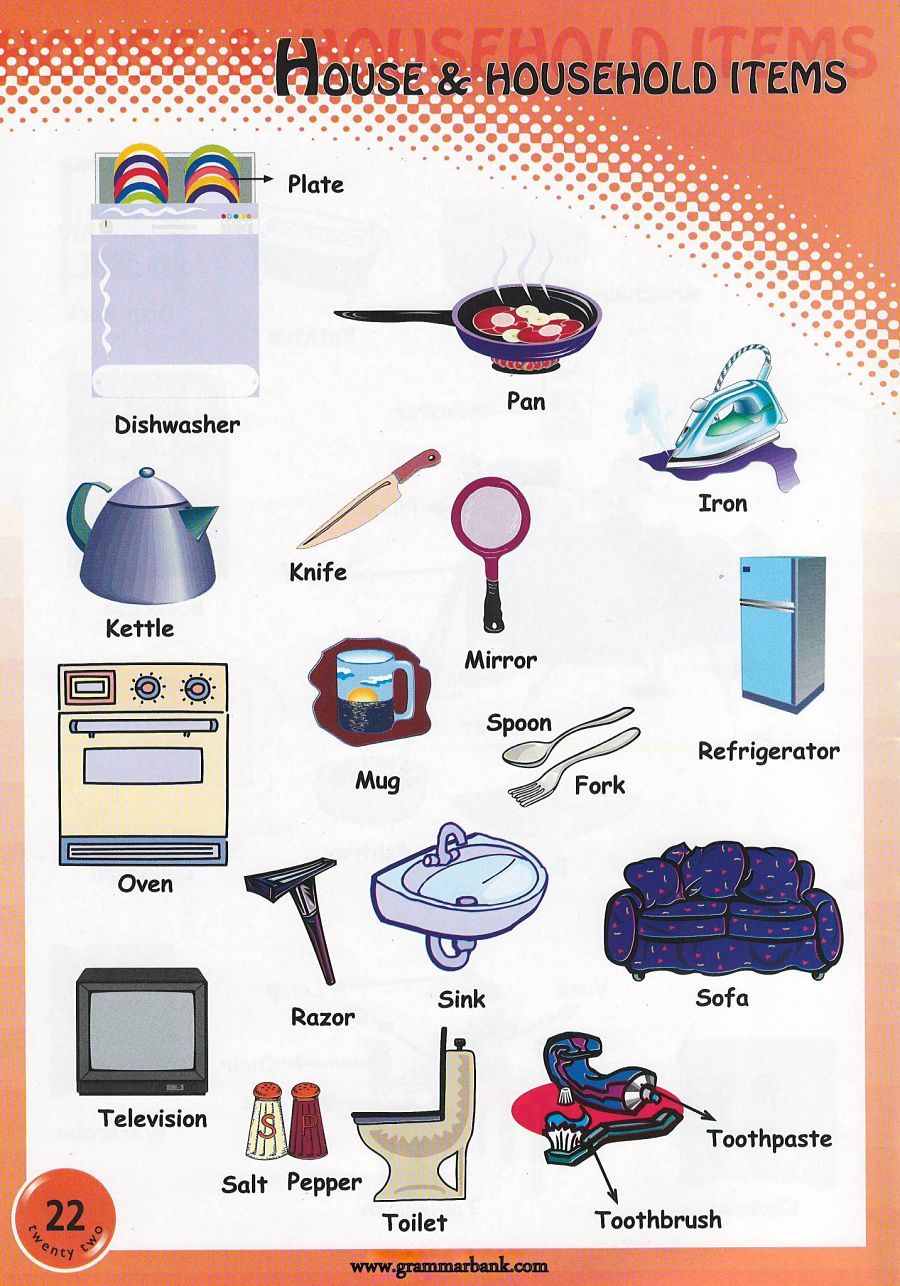
Pots and pans, the vessels of countless meals, are the foundation of any kitchen. From the humble saucepan to the robust stockpot, each piece serves a specific purpose, allowing for a range of cooking techniques. Cast iron, known for its durability and even heat distribution, is ideal for searing and roasting, while stainless steel offers versatility and ease of cleaning. Non-stick surfaces, often coated with Teflon, are perfect for delicate dishes that tend to stick, while copper, prized for its rapid heating and elegant aesthetic, adds a touch of sophistication.

2. The Precision Instruments: Kitchen Knives

A sharp knife is an essential tool for any cook. A chef’s knife, the workhorse of the kitchen, is used for a variety of tasks, from chopping vegetables to slicing meat. A paring knife, smaller and more nimble, excels at delicate tasks like peeling fruit and removing seeds. A serrated knife, with its jagged edge, is ideal for bread and other baked goods. The proper maintenance of these tools, through regular sharpening and careful handling, ensures optimal performance and safety.

3. The Culinary Companions: Utensils

A collection of utensils, from spoons and forks to spatulas and whisks, completes the kitchen arsenal. Spoons, with their varying sizes and shapes, are used for stirring, serving, and eating. Forks, primarily used for eating, also serve as tools for lifting and turning food. Spatulas, with their flat, flexible blades, are ideal for flipping and scraping, while whisks, with their intricate wire loops, are used for incorporating air into batter and sauces.

4. The Culinary Guardians: Storage Solutions

Efficient storage is paramount in any kitchen, ensuring ingredients remain fresh and organized. Airtight containers, made of glass or plastic, preserve the quality of food by preventing spoilage. Jars, with their varying sizes and shapes, are ideal for storing dry goods, spices, and liquids. Storage racks, both freestanding and mounted, provide a designated space for organizing utensils, cookware, and other kitchen essentials.

5. The Culinary Powerhouse: Appliances

Modern kitchens are equipped with a range of appliances that simplify and enhance the cooking process. The refrigerator, a vital component, maintains a cool temperature, preserving the freshness of perishable foods. The oven, a versatile tool, allows for baking, roasting, and broiling. The stovetop, with its multiple burners, provides a platform for cooking a variety of dishes. The microwave, a convenient option for reheating and defrosting, offers a quick and efficient method of food preparation.

The Sanctuary of Rest: Bedroom Essentials

The bedroom, a haven of relaxation and rejuvenation, is furnished with items designed to promote comfort and restful sleep.

1. The Foundation of Sleep: Beds

The bed, the centerpiece of any bedroom, is a haven of comfort and rest. Mattresses, available in a variety of materials and firmness levels, provide support and cushioning. Pillows, designed to support the head and neck, contribute to a restful night’s sleep. Bed frames, available in a wide range of styles and materials, offer a sturdy foundation for the mattress and contribute to the overall aesthetic of the room.

2. The Cozy Companions: Bedding

Bedding, composed of sheets, blankets, and comforters, adds layers of comfort and warmth. Sheets, made of cotton, linen, or other breathable fabrics, provide a soft and smooth surface for sleeping. Blankets, available in a range of materials and weights, offer warmth and coziness. Comforters, filled with down or synthetic fibers, provide insulation and warmth.

3. The Personal Touch: Storage Solutions

Storage solutions in the bedroom help maintain order and organization. Dressers, with their drawers and shelves, provide a dedicated space for storing clothing and other personal items. Nightstands, placed beside the bed, offer a convenient surface for books, lamps, and other bedside essentials. Armoires, large cabinets with doors, provide ample storage space for clothing, linens, and other belongings.

4. The Ambient Atmosphere: Lighting

Lighting plays a crucial role in setting the mood and ambiance of the bedroom. Overhead lights, often integrated into the ceiling, provide general illumination. Table lamps, placed on nightstands or dressers, offer focused light for reading or other activities. Bedside lamps, typically smaller and placed on the nightstand, provide a soft and calming glow.

5. The Finishing Touches: Decor

Decorative elements, from artwork to plants, add personality and style to the bedroom. Paintings, photographs, and other artwork can be hung on the walls to create a visual focal point. Plants, with their vibrant colors and refreshing scents, add a touch of nature and life to the space. Rugs, placed on the floor, add warmth and texture, while curtains, hung on the windows, control light and provide privacy.

The Hub of Social Gathering: Living Room Essentials

The living room, a space for relaxation, entertainment, and socializing, is furnished with items designed to foster comfort and connection.

1. The Gathering Point: Seating

Seating, the cornerstone of any living room, provides comfort and encourages social interaction. Sofas, large and inviting, offer ample seating space for multiple people. Armchairs, smaller and more intimate, offer a cozy retreat for reading or relaxing. Ottomans, versatile and movable, can serve as additional seating or footrests.

2. The Entertainment Center: Television and Audio Systems

The television, a central point of entertainment, provides a window to the world of movies, shows, and news. Audio systems, from soundbars to surround sound systems, enhance the viewing experience, immersing viewers in rich and immersive sound.

3. The Focal Point: Coffee Tables and End Tables

Coffee tables, positioned in front of the sofa, provide a surface for drinks, snacks, and other items. End tables, placed beside sofas or armchairs, offer additional surfaces for lamps, books, and decorative objects.

4. The Functional Touches: Storage Solutions

Storage solutions in the living room help keep clutter at bay and maintain a sense of order. Bookshelves, offering vertical storage space, are ideal for organizing books, magazines, and decorative items. Media consoles, typically placed beneath the television, provide a dedicated space for electronics and other media.

5. The Finishing Touches: Decor

Decorative elements, from rugs to artwork, add personality and style to the living room. Rugs, placed on the floor, add warmth and texture, while curtains, hung on the windows, control light and provide privacy. Throw pillows, placed on sofas and chairs, add comfort and visual interest.

The Essentials of Cleanliness: Bathroom Essentials

The bathroom, a space for personal hygiene and relaxation, is equipped with items designed to promote cleanliness and comfort.

1. The Cleansing Center: Shower and Bathtub

The shower and bathtub, essential for bathing and showering, provide a space for personal hygiene and relaxation. Showerheads, with their varying spray patterns, offer a customized showering experience. Bathtubs, available in a range of sizes and shapes, offer a relaxing soak.

2. The Personal Care Station: Sink and Countertop

The sink, a central point for handwashing and other personal care tasks, provides a space for rinsing and cleaning. The countertop, surrounding the sink, offers a surface for placing toiletries, cosmetics, and other bathroom essentials.

3. The Essential Tools: Toiletries and Accessories

Toiletries, including soap, shampoo, conditioner, and toothpaste, are essential for maintaining personal hygiene. Accessories, such as toothbrush holders, soap dishes, and towel racks, help organize and store these items.

4. The Comfort Factor: Towels and Rugs

Towels, available in a range of sizes and materials, provide absorbency and comfort after showering or bathing. Bath rugs, placed on the floor, absorb moisture and prevent slips and falls.

5. The Finishing Touches: Decor

Decorative elements, from artwork to plants, add personality and style to the bathroom. Paintings, photographs, and other artwork can be hung on the walls to create a visual focal point. Plants, with their vibrant colors and refreshing scents, add a touch of nature and life to the space.

FAQs by Commonly Used Household Items

Kitchen Essentials

1. How do I choose the right size pot or pan?

The size of the pot or pan should be appropriate for the amount of food you are cooking. For example, a small saucepan is ideal for cooking pasta for one or two people, while a large stockpot is necessary for making soup for a crowd.

2. What is the best way to care for my kitchen knives?

Knives should be sharpened regularly, using a honing steel or a sharpening stone. They should also be stored separately, in a knife block or a magnetic strip, to prevent damage.

3. How do I choose the right storage containers for my food?

Storage containers should be airtight and made of a material that is safe for food contact. Glass containers are a good choice because they are durable and do not leach chemicals into food.

4. What are the different types of ovens and how do I choose the right one?

Ovens come in a variety of types, including gas, electric, and convection. Gas ovens are known for their consistent heat, while electric ovens offer precise temperature control. Convection ovens use a fan to circulate hot air, which results in faster and more even cooking.

5. How do I clean my microwave safely and effectively?

To clean your microwave, fill a microwave-safe bowl with water and a few tablespoons of white vinegar. Microwave the mixture on high for a few minutes, then let it sit for a few more minutes. Wipe the inside of the microwave with a damp cloth.

Bedroom Essentials

1. How do I choose the right mattress for me?

The right mattress for you depends on your personal preferences and sleeping habits. Consider factors such as firmness, material, and size.

2. How often should I wash my bedding?

It is recommended to wash your sheets and pillowcases weekly, and your blankets and comforters every few months.

3. How do I choose the right curtains for my bedroom?

Curtains should be chosen based on the amount of light you want to let in, the level of privacy you desire, and the overall aesthetic of the room.

4. How do I create a relaxing and calming bedroom atmosphere?

To create a relaxing bedroom, use soft colors, comfortable bedding, and dim lighting. You can also add calming elements such as plants, aromatherapy diffusers, or white noise machines.

5. How do I organize my bedroom efficiently?

Use storage solutions, such as dressers, nightstands, and armoires, to keep your belongings organized. You can also use under-bed storage containers to maximize space.

Living Room Essentials

1. How do I choose the right sofa for my living room?

The right sofa for you depends on the size of your living room, your seating needs, and your personal style. Consider factors such as size, material, and style.

2. What are the different types of televisions and how do I choose the right one?

Televisions come in a variety of types, including LCD, LED, and OLED. LCD TVs are the most affordable option, while LED TVs offer better picture quality. OLED TVs offer the best picture quality but are also the most expensive.

3. How do I choose the right coffee table for my living room?

The right coffee table for you should complement the style of your sofa and other furniture. Consider factors such as size, material, and shape.

4. How do I create a cozy and inviting living room atmosphere?

To create a cozy living room, use warm colors, comfortable seating, and soft lighting. You can also add elements such as throws, pillows, and plants.

5. How do I organize my living room efficiently?

Use storage solutions, such as bookshelves, media consoles, and baskets, to keep your belongings organized. You can also use multi-functional furniture, such as ottomans with storage, to maximize space.

Bathroom Essentials

1. How do I choose the right showerhead for my bathroom?

The right showerhead for you depends on your personal preferences and the size of your shower. Consider factors such as spray pattern, water pressure, and style.

2. How do I choose the right toiletries for my bathroom?

Choose toiletries that are suitable for your skin type and hair type. Look for products that are free of harsh chemicals and fragrances.

3. How do I organize my bathroom efficiently?

Use storage solutions, such as shelves, baskets, and organizers, to keep your toiletries and other bathroom essentials organized. You can also use over-the-door organizers to maximize space.

4. How do I create a relaxing and spa-like bathroom atmosphere?

To create a relaxing bathroom, use soft colors, calming scents, and soft lighting. You can also add elements such as plants, candles, and a bath mat.

5. How do I clean my bathroom effectively?

Clean your bathroom regularly, using a disinfectant cleaner to sanitize surfaces. Pay attention to areas such as the shower, toilet, and sink.

Tips by Commonly Used Household Items

Kitchen Essentials

1. Invest in high-quality pots and pans.

High-quality pots and pans will last longer and perform better than cheaper options. Look for pots and pans made from durable materials like cast iron, stainless steel, or copper.

2. Keep your knives sharp.

A sharp knife is safer and more efficient than a dull one. Sharpen your knives regularly, using a honing steel or a sharpening stone.

3. Use the right utensils for the job.

There is a specific utensil for every cooking task. Use the right utensil for the job to ensure efficiency and safety.

4. Store your food properly.

Store your food in airtight containers to prevent spoilage and keep your kitchen organized.

5. Clean your appliances regularly.

Clean your appliances regularly to prevent bacteria growth and maintain their performance.

Bedroom Essentials

1. Choose a mattress that supports your body.

A good mattress will provide support and comfort for a restful night’s sleep. Consider your sleeping habits and preferences when choosing a mattress.

2. Wash your bedding regularly.

Wash your sheets and pillowcases weekly to prevent bacteria growth and keep your bed fresh.

3. Use blackout curtains for a better night’s sleep.

Blackout curtains block out light, which can help you sleep better.

4. Create a calming bedtime routine.

A calming bedtime routine can help you relax and prepare for sleep. This could include taking a warm bath, reading a book, or listening to calming music.

5. Make your bedroom a sanctuary.

Your bedroom should be a place where you can relax and unwind. Keep it clutter-free and create a calming atmosphere.

Living Room Essentials

1. Choose comfortable seating.

Your living room should be a place where you can relax and entertain guests. Choose comfortable seating that is both stylish and functional.

2. Create a focal point.

A focal point in your living room can draw the eye and create a sense of balance. This could be a fireplace, a piece of artwork, or a large window.

3. Use lighting to set the mood.

Lighting can dramatically affect the mood of your living room. Use a combination of overhead lighting, table lamps, and floor lamps to create a warm and inviting atmosphere.

4. Add personal touches.

Personalize your living room with items that reflect your style and interests. This could include books, photographs, plants, or artwork.

5. Keep it clutter-free.

A cluttered living room can feel overwhelming and chaotic. Use storage solutions to keep your belongings organized and create a sense of calm.

Bathroom Essentials

1. Choose high-quality towels.

High-quality towels are more absorbent and durable than cheaper options. Look for towels made from materials such as cotton, linen, or bamboo.

2. Keep your bathroom clean and organized.

A clean and organized bathroom is essential for maintaining hygiene and creating a relaxing atmosphere.

3. Use a shower curtain liner.

A shower curtain liner prevents water from splashing outside the shower and helps keep your bathroom clean.

4. Invest in a good bath mat.

A bath mat absorbs moisture and prevents slips and falls.

5. Add personal touches.

Personalize your bathroom with items that reflect your style and create a relaxing atmosphere. This could include artwork, plants, or candles.

Conclusion by Commonly Used Household Items

The seemingly ordinary objects that populate our homes play a vital role in shaping our daily lives. From the essential tools of the kitchen to the comforting furnishings of the bedroom, these everyday items contribute to our well-being, facilitate our tasks, and define our personal spaces. Understanding their functions, benefits, and proper maintenance allows us to appreciate their significance and maximize their value in creating a comfortable, functional, and stylish living environment.

Household Items List Types of Fabrics and Materials with Names and Pictures - Makyla Creates 50 household items in english with pdf  English Vocabulary - 50 household items  part 2
Four Seasons Furniture Performance fabrics for everyday life - available through maxwellfabrics.com Sofa Fabric Texture Materials We Use in Daily Life Display Poster (teacher made)
[Infographic] Fabrics 101: Textiles, Fibers, Home Decor and More! - The Finishing Touch Common Household Items  Practice Portuguese

Closure

Thus, we hope this article has provided valuable insights into The Indispensable Fabric of Everyday Life: A Comprehensive Look at Common Household Items. We hope you find this article informative and beneficial. See you in our next article!

Exploring the Realm of Three-Letter Garments: A Comprehensive Guide

Introduction

With great pleasure, we will explore the intriguing topic related to Exploring the Realm of Three-Letter Garments: A Comprehensive Guide. Let’s weave interesting information and offer fresh perspectives to the readers.

Exploring the Realm of Three-Letter Garments: A Comprehensive Guide

3 letter body parts with images & audio - SuperEnglish

The world of fashion is vast and multifaceted, encompassing an array of garments, each with its unique purpose, style, and history. Within this expansive realm, a fascinating subset exists – garments defined by three-letter names. These seemingly simple appellations hold a surprising depth, representing a diverse range of styles, functions, and cultural significance. This exploration delves into the captivating world of three-letter garments, unveiling their intricate details and highlighting their enduring relevance in fashion history and contemporary trends.

Unveiling the Three-Letter Garments: A Diverse Spectrum

Three-letter garments encompass a broad spectrum of clothing items, each catering to specific needs and aesthetics. From the iconic and timeless to the trendy and contemporary, these garments showcase the versatility and evolution of fashion.

The Classics: A Foundation of Style

  • T-shirt: The ubiquitous T-shirt, a staple in wardrobes worldwide, embodies simplicity and versatility. Its minimalist design, featuring a short-sleeved, crew-neck silhouette, allows for countless styling possibilities, making it adaptable to various occasions and personal aesthetics. Its comfort and practicality have cemented its status as a cornerstone of casual wear, transcending age, gender, and cultural boundaries.

  • J-kit: This garment, often associated with martial arts, represents a fusion of functionality and tradition. The J-kit, typically composed of a jacket and trousers, serves as a uniform for practicing martial arts disciplines like judo and karate. Its design prioritizes movement, providing a comfortable and unrestricted range of motion for executing techniques.

  • G-own: The G-own, also known as a gown, embodies elegance and sophistication. Typically characterized by its flowing silhouette, long length, and intricate embellishments, it has long been associated with formal occasions and celebratory events. Gowns, often made from luxurious fabrics like silk or velvet, exude an air of grandeur and timeless allure.

The Modern Era: Embracing Innovation and Trend

  • F-rog: The F-rog, a contemporary garment, represents a fusion of comfort and style. Characterized by its loose-fitting silhouette, often featuring a hood and pockets, it provides a relaxed and casual aesthetic. Its popularity stems from its versatility, allowing for layering and adaptation to diverse weather conditions.

  • P-ant: The P-ant, a versatile and essential garment, encompasses a wide range of styles, from casual jeans to tailored trousers. Its function as a lower body covering makes it a staple in both formal and informal settings. The P-ant’s adaptability to different fabrics, cuts, and embellishments reflects its enduring presence in fashion.

  • S-irt: The S-irt, often synonymous with a shirt, represents a broad category encompassing various styles and functions. From button-down shirts to polo shirts, the S-irt offers diverse options for both formal and casual attire. Its versatility makes it a crucial element in building a well-rounded wardrobe.

Exploring the Cultural Significance

Three-letter garments often hold deep cultural significance, reflecting the values, traditions, and aesthetics of different societies.

  • K-ilt: The K-ilt, a traditional garment worn by men in Scotland, embodies heritage and cultural identity. Its distinctive pleated design and unique fabric, often made from tartan, symbolize clan affiliation and national pride. The K-ilt represents a powerful symbol of Scottish culture and history.

  • S-ari: The S-ari, a traditional garment worn by women in South Asia, embodies elegance, grace, and cultural heritage. Its draped silhouette, often adorned with intricate embroidery and vibrant colors, showcases the rich tapestry of Indian culture. The S-ari, a symbol of femininity and tradition, has been passed down through generations, representing a timeless and enduring expression of Indian identity.

  • K-aba: The K-aba, a long, loose-fitting robe worn by Muslims, represents faith and modesty. Its simple design, typically made from white cotton, symbolizes purity and humility. The K-aba, a fundamental garment in Islamic culture, serves as a visible manifestation of religious beliefs and values.

Understanding the Importance of Three-Letter Garments

Beyond their aesthetic appeal, three-letter garments hold significant importance in various aspects of human life:

  • Functionality: These garments serve essential functions, providing protection, comfort, and practicality in daily life. From the T-shirt’s breathable fabric to the J-kit’s mobility-enhancing design, these garments prioritize functionality, enabling individuals to navigate their daily routines with ease.

  • Identity: Garments often serve as expressions of personal identity, reflecting individual preferences, beliefs, and cultural affiliations. The K-ilt, for instance, signifies Scottish heritage, while the K-aba represents Islamic faith. These garments act as visual markers of belonging, connecting individuals to their cultural roots and personal values.

  • Style: Three-letter garments contribute to the diverse and ever-evolving landscape of fashion. From the timeless elegance of the G-own to the contemporary chic of the F-rog, these garments offer a spectrum of styles, allowing individuals to express their personal aesthetics and create unique looks.

FAQs about Three-Letter Garments:

  • Q: What is the significance of three-letter garment names?

  • A: Three-letter names often provide a concise and memorable identifier for garments, simplifying communication and enhancing recognition. They also contribute to a sense of familiarity and ease of use, making these garments readily accessible and widely understood.

  • Q: How do three-letter garments reflect fashion trends?

  • A: Three-letter garments often reflect prevailing fashion trends, adapting to changing styles and incorporating new materials and designs. For example, the F-rog’s popularity reflects the contemporary emphasis on comfort and relaxed aesthetics, while the P-ant’s versatility reflects the ongoing trend of incorporating diverse styles into wardrobes.

  • Q: Are three-letter garments limited to specific cultures?

  • A: While some three-letter garments, like the K-ilt and S-ari, hold specific cultural significance, many are universally recognized and adopted across diverse cultures. The T-shirt, for instance, transcends cultural boundaries, serving as a global symbol of casual wear and comfort.

Tips for Styling Three-Letter Garments:

  • Embrace Versatility: Many three-letter garments offer a high degree of versatility, allowing for layering, mixing, and matching to create diverse looks. Experiment with different fabrics, textures, and colors to personalize your style.

  • Consider the Occasion: The appropriate garment choice depends on the occasion. Formal events call for elegant options like the G-own, while casual settings may be suitable for the T-shirt or F-rog.

  • Accessorize Effectively: Accessories can enhance the impact of three-letter garments. Experiment with belts, scarves, jewelry, and hats to add a personal touch and elevate your style.

Conclusion: A Timeless Legacy

Three-letter garments, despite their seemingly simple names, embody a rich history, cultural significance, and enduring relevance in fashion. Their versatility, functionality, and aesthetic appeal continue to captivate and inspire individuals across the globe. From the classic T-shirt to the contemporary F-rog, these garments serve as a testament to the evolution of fashion, reflecting societal values, trends, and individual expressions of style. By understanding the nuances and significance of three-letter garments, we gain a deeper appreciation for the intricate world of fashion and its enduring power to shape our identities and connect us to our cultural heritage.

This picture shows what fabrics are better for each type of garment. This useful because if I Types of Clothing: Useful List of Clothing Names with the Picture - ESL Forums  Types of The Vast and Diverse World of Garments: Exploring the Different Types of Clothes – Hey Singapore
English Clothing Vocabulary Types of Clothing: Useful List of Clothing Names with the Picture - ESL Forums  English clothes Sequence Of A Garments Inspection. Clock Wise Method  Auto Garment
Andrew Stewart Jamieson working on a letters patent painting the 'Royal E'.  Illuminated Arab Garments  Gold Garment

Closure

Thus, we hope this article has provided valuable insights into Exploring the Realm of Three-Letter Garments: A Comprehensive Guide. We hope you find this article informative and beneficial. See you in our next article!

Navigating the Maze of Moving Insurance: A Comprehensive Guide to Protecting Your Belongings

Introduction

In this auspicious occasion, we are delighted to delve into the intriguing topic related to Navigating the Maze of Moving Insurance: A Comprehensive Guide to Protecting Your Belongings. Let’s weave interesting information and offer fresh perspectives to the readers.

NEW 9th EDITION! Book: Navigating the Insurance Maze: The Therapist's Complete Guide to Working

Moving can be a stressful experience, filled with packing, loading, and the constant worry of potential damage to your belongings. While reputable movers take care in handling your possessions, accidents can happen. This is where moving insurance plays a crucial role, providing a safety net for your valuable items during the relocation process.

Understanding the Importance of Moving Insurance

Moving insurance is a specialized type of coverage that protects your belongings against damage, loss, or theft during a move. It acts as a financial cushion, mitigating potential financial losses and offering peace of mind during a vulnerable time.

Types of Moving Insurance

Two main types of moving insurance are available:

  • Liability Coverage: This is typically provided by the moving company itself. It offers limited coverage for damage or loss to your belongings, usually based on a predetermined value per pound or per item. This coverage is often included in the moving contract at no extra cost but may have limited benefits.
  • Full Value Protection: This is a separate insurance policy that can be purchased from an independent insurance provider or through the moving company. It offers more comprehensive coverage, often covering the full replacement value of your belongings, regardless of their weight or value.

Choosing the Right Moving Insurance for Your Needs

Selecting the right moving insurance depends on several factors:

  • Value of Your Belongings: If you have high-value items like antiques, artwork, or electronics, full value protection is recommended.
  • Moving Distance: Longer distances increase the risk of damage or loss, making comprehensive coverage more beneficial.
  • Moving Company Reputation: A reputable mover with a strong safety record might make liability coverage sufficient, while a less established company might necessitate full value protection.
  • Your Risk Tolerance: If you’re comfortable with a lower level of coverage and are willing to absorb potential losses, liability coverage might suffice. However, if you want complete peace of mind, full value protection is the better choice.

Key Features to Consider When Comparing Moving Insurance Policies

  • Coverage Limits: Understand the maximum amount the policy will cover for damages or loss.
  • Deductibles: This is the amount you pay out-of-pocket before the insurance coverage kicks in.
  • Exclusions: Be aware of items or situations not covered by the policy, such as pre-existing damage, items not properly packed, or acts of God.
  • Claims Process: Understand how to file a claim and the required documentation.

Tips for Ensuring Smooth Moving Insurance Coverage

  • Read the Fine Print: Carefully review the policy documents before signing anything, paying close attention to coverage limits, exclusions, and claim procedures.
  • Inventory Your Belongings: Create a detailed inventory of all your possessions, including descriptions, values, and photographs. This documentation will be crucial for filing claims.
  • Pack Carefully: Proper packing is essential for protecting your belongings during the move. Use appropriate packing materials and pack items securely.
  • Communicate with the Movers: Inform the movers about any fragile or valuable items that require extra care.
  • Document Everything: Take pictures or videos of your belongings before and after the move, and keep all receipts and documentation related to the move.

Frequently Asked Questions About Moving Insurance

1. Is moving insurance mandatory?

Moving insurance is not mandatory, but it is highly recommended. While some states require movers to offer liability coverage, it may not be sufficient for all situations.

2. How much does moving insurance cost?

The cost of moving insurance varies depending on the type of coverage, the value of your belongings, the moving distance, and the insurance provider.

3. What does moving insurance cover?

Moving insurance typically covers damage or loss to your belongings due to accidents, negligence, theft, or other unforeseen circumstances during the move. It does not cover pre-existing damage or items not properly packed.

4. How do I file a claim?

Contact the insurance provider immediately after discovering damage or loss. They will provide you with claim forms and instructions. You will need to provide documentation such as the inventory list, photographs, receipts, and the moving contract.

5. How long does it take to process a claim?

The claim processing time varies depending on the insurance provider and the complexity of the claim. It can take several weeks or even months to resolve a claim.

Conclusion

Moving insurance is a vital investment that can provide financial protection and peace of mind during the relocation process. By understanding the different types of coverage, carefully comparing policies, and taking proactive steps to protect your belongings, you can ensure a smoother and less stressful move. Remember, choosing the right insurance is crucial for safeguarding your valuable possessions and minimizing potential financial losses.

Navigating the Insurance Maze: A Comprehensive Guide in 2024 Protecting Your Move: How Moving Insurance Works - CNET Moving Insurance: Protecting Your Belongings  Better Removalists Sydney
PPT - Navigating the Maze- A Comprehensive Guide to Understanding Insurance Policies PowerPoint Understanding Moving Insurance: Protecting Your Belongings During a Move - Sunrise Moving and Understanding Moving Insurance: Protecting Your Belongings During Relocation - The News Hub
Navigating the Insurance Maze: The Therapist's Complete Guide to Working With Insurance -And Understanding Moving Insurance: Protecting Your Belongings During Relocation - Sunrise Moving

Closure

Thus, we hope this article has provided valuable insights into Navigating the Maze of Moving Insurance: A Comprehensive Guide to Protecting Your Belongings. We thank you for taking the time to read this article. See you in our next article!

The Essential Foundation: A Comprehensive Guide to Common Household Items

Introduction

In this auspicious occasion, we are delighted to delve into the intriguing topic related to The Essential Foundation: A Comprehensive Guide to Common Household Items. Let’s weave interesting information and offer fresh perspectives to the readers.

The Essential Foundation: A Comprehensive Guide to Common Household Items

70+ Essential Household Items - A Definitive Checklist You MUST know!  Household items

A well-equipped home is a haven, a space that provides comfort, safety, and the tools for daily life. It is not merely a collection of rooms but a carefully curated environment, built upon a foundation of essential items. This guide explores the common household items that form the bedrock of a functional and comfortable living space, delving into their importance and benefits.

Kitchen Essentials:

The kitchen is the heart of any home, where meals are prepared and memories are made. It requires a collection of items to ensure efficient food preparation, storage, and cleaning.

  • Refrigerator: A cornerstone of modern kitchens, the refrigerator maintains the freshness of perishable food, preventing spoilage and extending its shelf life. It allows for organized storage of various items, from fresh produce to dairy products and leftovers.
  • Stove/Oven: This appliance is vital for cooking, providing heat for boiling, simmering, baking, and roasting. It comes in various forms, including gas, electric, and induction, each with its own advantages and disadvantages.
  • Microwave: While not strictly essential, the microwave is a valuable tool for heating food quickly and efficiently, making it a convenient addition to any kitchen. It also allows for defrosting frozen items and preparing simple dishes.
  • Dishwasher: For many households, a dishwasher is a time-saving and convenient appliance that eases the burden of cleaning dishes. It uses water and detergent to clean dishes, pots, and pans, leaving them sparkling clean.
  • Sink: The kitchen sink is a central hub for washing dishes, cleaning vegetables, and preparing food. It requires a faucet for water access and a drain for waste disposal.
  • Countertop: The kitchen countertop provides a working surface for food preparation, cooking, and serving. It can be made from various materials, each with its own properties and aesthetics.
  • Cabinetry: Kitchen cabinets provide storage space for cookware, utensils, food, and other items. They can be freestanding or built-in, and their design and organization are key to maintaining an organized kitchen.
  • Trash Can: A trash can is essential for collecting and disposing of food waste and other refuse. It is important to choose a size and style that suits the kitchen’s needs.

Living Room Essentials:

The living room is a space for relaxation, entertainment, and gathering. It requires furniture and accessories that create a comfortable and inviting atmosphere.

  • Sofa: A sofa is the centerpiece of the living room, offering seating for multiple people and providing a comfortable spot for relaxing or socializing.
  • Coffee Table: A coffee table serves as a surface for drinks, snacks, and books, adding functionality and style to the living room.
  • Television: The television is a primary source of entertainment in many homes, offering access to movies, TV shows, and news.
  • Lighting: Proper lighting is crucial for creating the right ambiance in the living room. This can include overhead lights, lamps, and accent lighting.
  • Rugs: Rugs can add warmth, color, and texture to the living room, defining different areas and providing a comfortable surface to walk on.
  • Decorative Items: Artwork, plants, throw pillows, and other decorative items can personalize the living room, reflecting the homeowner’s taste and style.

Bedroom Essentials:

The bedroom is a sanctuary for rest and relaxation. It requires comfortable bedding and furniture to ensure a peaceful sleep and a restful environment.

  • Bed: The bed is the most important piece of furniture in the bedroom, providing a comfortable space for sleeping. It comes in various sizes, styles, and materials.
  • Mattress: The mattress is the foundation of a comfortable bed, providing support and comfort for the sleeper. It is important to choose a mattress that suits individual needs and preferences.
  • Pillows: Pillows provide support for the head and neck, contributing to a restful sleep. They come in various shapes, sizes, and materials, offering different levels of firmness and support.
  • Bedding: Bedding includes sheets, blankets, and comforters, providing warmth, comfort, and protection for the mattress. It is important to choose bedding that is soft, breathable, and easy to care for.
  • Nightstand: A nightstand provides a convenient surface for placing a lamp, books, and other items within reach of the bed.
  • Dresser: A dresser provides storage space for clothes and other personal items. It can be a traditional dresser with drawers or a more modern style with open shelves.
  • Closet: A closet is essential for storing clothes, shoes, and other items. It can be a walk-in closet or a more traditional closet with doors.

Bathroom Essentials:

The bathroom is a space for hygiene and grooming. It requires plumbing fixtures, storage, and accessories to ensure functionality and comfort.

  • Toilet: The toilet is a fundamental fixture in any bathroom, providing a sanitary way to dispose of waste.
  • Shower/Bathtub: The shower or bathtub is essential for personal hygiene, offering a place to wash and bathe.
  • Sink: The bathroom sink provides a place for washing hands, brushing teeth, and performing other hygiene tasks.
  • Mirror: A mirror is essential for grooming, allowing individuals to see their reflection. It can be a full-length mirror or a smaller vanity mirror.
  • Lighting: Proper lighting is crucial for grooming tasks in the bathroom. This can include overhead lights, vanity lights, and accent lighting.
  • Towel Rack: A towel rack provides a place to hang towels after showering or bathing, allowing them to dry and preventing dampness.
  • Storage: Bathroom storage is essential for keeping toiletries, towels, and other items organized. This can include cabinets, shelves, and drawers.

General Household Essentials:

Beyond the individual rooms, there are several general items that are essential for a functional and comfortable home.

  • Vacuum Cleaner: A vacuum cleaner is essential for keeping floors clean and free of dust, dirt, and debris.
  • Cleaning Supplies: Cleaning supplies, such as detergents, disinfectants, and cleaning cloths, are essential for maintaining a clean and hygienic home.
  • First Aid Kit: A well-stocked first aid kit is essential for treating minor injuries and ailments.
  • Fire Extinguisher: A fire extinguisher is a safety essential, providing a means to put out small fires and prevent them from spreading.
  • Smoke Detector: A smoke detector is a vital safety device that alerts residents to the presence of smoke, providing time to evacuate and preventing potential tragedies.
  • Carbon Monoxide Detector: A carbon monoxide detector is another essential safety device, alerting residents to the presence of this odorless and colorless gas, which can be fatal.
  • Tools: A basic set of tools is essential for performing minor repairs and maintenance around the house. This can include a hammer, screwdriver, pliers, and wrench.
  • Ladder: A ladder is a useful tool for reaching high places, such as changing light bulbs, cleaning windows, or painting ceilings.
  • Lighting: Adequate lighting is essential for safety and functionality throughout the house. This can include overhead lights, lamps, and accent lighting.

FAQs by Common Household Items:

Refrigerator:

  • Q: How often should I clean my refrigerator?
    • A: It is recommended to clean your refrigerator at least once a month, wiping down shelves and drawers with a mild detergent and water.
  • Q: How do I know if my refrigerator is working properly?
    • A: Check the temperature inside your refrigerator. It should be between 37°F and 40°F. If the temperature is too warm, your refrigerator may not be working properly.

Stove/Oven:

  • Q: How do I clean my stovetop?
    • A: Use a mild detergent and warm water to clean your stovetop. Avoid using abrasive cleaners or scouring pads, as these can damage the surface.
  • Q: How do I clean my oven?
    • A: Most ovens have a self-cleaning function that uses high heat to burn off grease and grime. You can also clean your oven manually using a commercial oven cleaner.

Dishwasher:

  • Q: How often should I clean my dishwasher?
    • A: It is recommended to clean your dishwasher at least once a month. Run an empty cycle with a dishwasher cleaner to remove any food residue and prevent odors.
  • Q: How do I know if my dishwasher is working properly?
    • A: Check the water temperature. The water should be hot to ensure proper cleaning. If the dishes are not coming out clean, there may be a problem with the dishwasher’s spray arm or filter.

Vacuum Cleaner:

  • Q: How often should I empty my vacuum cleaner?
    • A: Empty your vacuum cleaner’s dustbin after each use, or more frequently if it is full.
  • Q: How do I know if my vacuum cleaner is working properly?
    • A: Check the suction. If the vacuum cleaner is not picking up dirt and debris, the suction may be weak. This could be due to a clogged filter or a problem with the motor.

Tips by Common Household Items:

Refrigerator:

  • Store food in airtight containers to prevent odor absorption and spoilage.
  • Organize your refrigerator to maximize space and ensure easy access to frequently used items.

Stove/Oven:

  • Use oven mitts or pot holders when handling hot cookware.
  • Avoid leaving empty pots or pans on the stovetop, as they can overheat and become a fire hazard.

Dishwasher:

  • Load the dishwasher properly to ensure efficient cleaning and prevent damage to dishes.
  • Use dishwasher detergent designed for your specific dishwasher model.

Vacuum Cleaner:

  • Regularly clean or replace the vacuum cleaner’s filters to maintain optimal suction.
  • Use the appropriate brush attachments for different types of flooring.

Conclusion by Common Household Items:

The common household items discussed in this guide form the foundation of a comfortable and functional home. They provide essential services, enhance daily life, and contribute to a safe and healthy living environment. By understanding their importance and benefits, individuals can make informed decisions about the items they choose for their home, ensuring that it meets their needs and provides the comfort and convenience they desire.

Common Household Products Common Household Items  Practice Portuguese The Essential Foundation - ppt تنزيل
500+ Best House Appliances List - Vocabulary Point HOUSEHOLD ITEMS - VOCABULARY  Vocabulary, English vocabulary, Household items If you're moving house or buying a new home, make sure your kitchen is kitted out with all the
15 best household items—buy bulk and save on popular home essentials - Reviewed ESL Vocabulary Bundle: Household Objects - The Measured Mom

Closure

Thus, we hope this article has provided valuable insights into The Essential Foundation: A Comprehensive Guide to Common Household Items. We hope you find this article informative and beneficial. See you in our next article!