Navigating the Marketplace: A Guide to the Best Platforms for Selling Your Goods

Introduction

With great pleasure, we will explore the intriguing topic related to Navigating the Marketplace: A Guide to the Best Platforms for Selling Your Goods. Let’s weave interesting information and offer fresh perspectives to the readers.

6 Reasons Why Amazon Marketplace Is the Best-Selling Platform

In today’s digitally driven world, the act of selling has transcended physical limitations. Individuals and businesses alike have access to a vast array of online platforms designed to facilitate the exchange of goods and services. This digital marketplace offers unparalleled convenience and global reach, but choosing the right platform for your needs can be a daunting task.

This comprehensive guide explores the diverse landscape of online selling platforms, analyzing their strengths and weaknesses to help you determine the ideal venue for your products.

Understanding the Marketplace Landscape

The online marketplace is a dynamic ecosystem, teeming with platforms catering to a wide range of needs and audiences. To navigate this landscape effectively, it is essential to understand the key factors that differentiate these platforms.

  • Target Audience: Different platforms attract distinct demographics and interests. Understanding your target audience is crucial to selecting a platform where your products are likely to find buyers.
  • Product Category: The type of goods you are selling will determine the suitability of certain platforms. Some platforms specialize in specific categories like electronics, fashion, or antiques.
  • Fees and Commissions: Each platform has its own fee structure, including listing fees, transaction fees, and payment processing fees. Carefully evaluating these costs is essential to ensure profitability.
  • Marketing and Promotion: Platforms offer varying levels of marketing support, from basic listings to advanced promotional tools. The level of marketing assistance available can significantly impact your sales potential.
  • Customer Service and Support: Reliable customer service and technical support are vital for resolving issues and maintaining a positive user experience.

Exploring the Top Contenders

With a clear understanding of the key factors, we can now delve into the specific platforms that dominate the online selling landscape.

1. eBay: The Auction Pioneer

eBay is a behemoth in the online marketplace, renowned for its auction format and vast selection of goods. Its history as a pioneer in online commerce has cemented its reputation as a trusted platform for both buyers and sellers.

Strengths:

  • Global Reach: eBay boasts a massive user base worldwide, providing sellers with access to a global market.
  • Wide Product Range: The platform accommodates a diverse array of products, from everyday items to rare collectibles.
  • Auction Format: The auction format allows sellers to leverage competition and potentially achieve higher selling prices.
  • Established Reputation: eBay’s long-standing presence and robust buyer protection policies inspire confidence in both sellers and buyers.

Weaknesses:

  • High Fees: eBay charges relatively high fees, including listing fees, final value fees, and optional promotional fees.
  • Competition: The sheer volume of sellers on eBay can make it challenging to stand out and attract buyers.
  • Customer Service: eBay’s customer service can be slow and difficult to navigate, especially for sellers.

2. Amazon: The Retail Giant

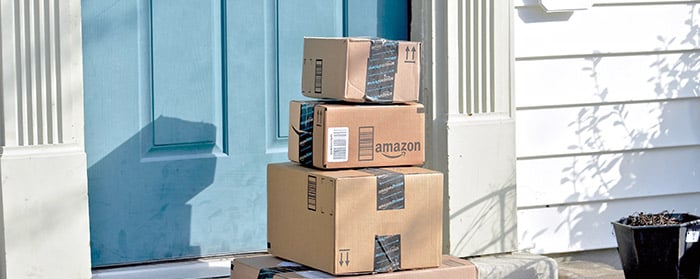
Amazon has transformed from an online bookstore into a global e-commerce giant, offering an unparalleled selection of products and services. Its powerful platform and extensive reach make it a formidable force in the online selling world.

Strengths:

  • Massive Customer Base: Amazon boasts a massive customer base, providing sellers with access to a vast pool of potential buyers.
  • Fulfillment Services: Amazon offers fulfillment services, allowing sellers to outsource order processing, shipping, and customer service, streamlining operations.
  • Prime Membership: Amazon Prime members enjoy free shipping and other benefits, encouraging them to purchase from Amazon sellers.
  • Brand Recognition: Amazon’s strong brand recognition and trust among consumers create a valuable marketing advantage for sellers.

Weaknesses:

  • Strict Requirements: Amazon has strict requirements for sellers, including product quality standards and performance metrics.
  • Competition: Amazon’s vast marketplace is highly competitive, making it challenging for sellers to stand out.
  • Low Margins: Amazon’s fee structure and competitive pricing can result in lower profit margins for sellers.

3. Etsy: The Handmade Haven

Etsy is a unique platform dedicated to handcrafted and vintage items, providing a niche marketplace for artisans and creators. Its focus on unique and handcrafted goods attracts a passionate community of buyers.

Strengths:

  • Niche Market: Etsy caters to a specific audience interested in handmade and vintage goods, reducing competition for sellers.
  • Community Focus: Etsy fosters a strong community among sellers and buyers, encouraging engagement and interaction.
  • Marketing Tools: Etsy provides marketing tools to help sellers promote their products and reach a wider audience.
  • Brand Differentiation: Selling on Etsy allows sellers to establish a distinct brand identity and connect with like-minded buyers.

Weaknesses:

  • Limited Product Range: Etsy’s focus on handmade and vintage items restricts the types of products that can be sold.
  • Lower Sales Volume: Compared to platforms like eBay and Amazon, Etsy’s sales volume is generally lower.
  • Competition: While Etsy’s niche market reduces overall competition, the platform still attracts a considerable number of sellers.

4. Shopify: The E-commerce Platform

Shopify is not a marketplace but a comprehensive e-commerce platform that empowers businesses to build and manage their own online stores. It provides a flexible and customizable solution for sellers seeking greater control over their brand and operations.

Strengths:

  • Customization and Control: Shopify offers extensive customization options, allowing sellers to create unique online stores that reflect their brand identity.
  • Scalability: Shopify can accommodate businesses of all sizes, providing scalability as your business grows.
  • Marketing and Analytics: Shopify offers a suite of marketing and analytics tools to help you track your progress, target your audience, and optimize your sales.
  • App Ecosystem: Shopify’s app ecosystem provides access to a wide range of third-party apps that enhance functionality and streamline operations.

Weaknesses:

  • Initial Investment: Shopify requires an initial investment for its platform fees and potentially additional costs for themes, apps, and marketing.
  • Technical Expertise: Building and managing a Shopify store requires some technical expertise, which may be a barrier for some sellers.
  • Competition: While Shopify offers control and customization, it also requires sellers to compete with other Shopify stores and established online retailers.

5. Facebook Marketplace: The Social Selling Platform

Facebook Marketplace is a relatively new platform that leverages the social network’s vast user base to facilitate local buying and selling. It offers a convenient and accessible way to connect with nearby buyers and sellers.

Strengths:

  • Local Reach: Facebook Marketplace connects buyers and sellers within a specific geographical area, promoting local commerce.
  • User Base: Facebook’s massive user base provides access to a large pool of potential buyers and sellers.
  • Integration with Facebook: Marketplace seamlessly integrates with Facebook, allowing users to leverage their existing social network.
  • Free Listings: Facebook Marketplace offers free listings, making it an attractive option for budget-conscious sellers.

Weaknesses:

  • Limited Product Range: Facebook Marketplace primarily focuses on local goods and services, limiting the scope of products that can be sold.
  • Security Concerns: As with any online marketplace, security concerns exist, requiring sellers to be cautious about scams and fraudulent activity.
  • Lack of Buyer Protection: Facebook Marketplace offers limited buyer protection, making it crucial for sellers to establish trust and transparency.

Choosing the Right Platform: A Decision Framework

With a comprehensive understanding of the leading platforms, you can now apply a decision framework to identify the ideal platform for your specific needs.

1. Define Your Target Audience: Determine the demographics and interests of your potential buyers. This will guide you towards platforms where your products are likely to resonate.

2. Analyze Your Product Category: Consider the type of goods you are selling and the platforms that specialize in those categories.

3. Evaluate Fees and Commissions: Carefully compare the fee structures of different platforms to determine the most cost-effective option.

4. Assess Marketing and Promotion: Evaluate the marketing tools and promotional options available on each platform to determine the best fit for your marketing strategy.

5. Consider Customer Service and Support: Research the customer service and technical support offered by each platform to ensure reliable assistance for both you and your buyers.

6. Explore Platform Features: Research the specific features and functionalities offered by each platform, such as payment processing, shipping options, and dispute resolution mechanisms.

7. Review Seller Reviews and Testimonials: Consult online reviews and testimonials from other sellers to gain insights into the platform’s user experience and support.

FAQs: Navigating the Selling Process

Q: What are the essential legal considerations for selling online?

A: Before embarking on your online selling journey, it is crucial to understand and comply with relevant laws and regulations. These may include:

  • Tax Obligations: Determine your tax obligations, including sales tax, income tax, and any other applicable taxes.
  • Business Licenses and Permits: Obtain any necessary business licenses and permits required in your jurisdiction.
  • Product Safety and Compliance: Ensure your products comply with relevant safety standards and regulations.
  • Intellectual Property: Protect your intellectual property rights, including trademarks, copyrights, and patents.
  • Consumer Protection Laws: Understand and comply with consumer protection laws, such as product liability and warranty requirements.

Q: How can I create compelling product listings?

A: Creating engaging product listings is essential to attract buyers and drive sales. Consider these tips:

  • High-Quality Images: Use clear, high-resolution images that showcase your products from multiple angles.
  • Detailed Descriptions: Provide comprehensive product descriptions that highlight key features, benefits, and specifications.
  • Keywords and Tags: Use relevant keywords and tags to ensure your listings appear in search results.
  • Competitive Pricing: Research competitor pricing to determine a competitive price point for your products.
  • Positive Reviews and Ratings: Encourage positive customer reviews and ratings to build credibility and trust.

Q: What strategies can I employ to enhance sales and marketing?

A: Effective sales and marketing strategies are essential to maximize your online selling success. Consider these approaches:

  • Social Media Marketing: Leverage social media platforms to promote your products, connect with potential buyers, and build a brand presence.
  • Email Marketing: Build an email list and use email marketing campaigns to nurture relationships with customers and promote new products.
  • Paid Advertising: Consider paid advertising options, such as search engine marketing (SEM) or social media advertising, to reach a wider audience.
  • Content Marketing: Create valuable content, such as blog posts, articles, or videos, to educate your audience and establish yourself as an expert.
  • Customer Service Excellence: Provide exceptional customer service to build loyalty and encourage repeat business.

Tips for Success: Maximizing Your Selling Potential

  • Research and Due Diligence: Thoroughly research the platforms and products you are selling to ensure a strong foundation for success.
  • Product Quality and Consistency: Maintain high product quality and consistency to build a reputation for reliability and customer satisfaction.
  • Competitive Pricing and Promotions: Regularly monitor competitor pricing and consider offering promotions to attract buyers.
  • Customer Communication and Feedback: Maintain open and transparent communication with your customers and actively seek feedback to improve your offerings.
  • Adaptability and Innovation: Stay adaptable to market trends and embrace innovation to remain competitive in the ever-evolving online marketplace.

Conclusion: Embracing the Digital Marketplace

The online marketplace offers unparalleled opportunities for individuals and businesses to sell their goods and services to a global audience. By carefully evaluating the diverse range of platforms and applying a strategic decision framework, you can identify the ideal venue for your products and embark on a successful selling journey. Remember, success in the digital marketplace requires a combination of thorough research, compelling product listings, effective marketing strategies, and a commitment to delivering exceptional customer service.

7 Best Platforms To Sell Online in 2024 (Selling Sites & Marketplaces) – Mageplaza The 10 best ecommerce platforms for selling online—and how to pick the right one - 99designs Top 9 Features of Every Successful Marketplace Platform - Freakingtech.com
Marketplaces to sell your things online [Top 10 compared]  Finder 5 Best eCommerce Platforms for Multi Vendor Marketplace 2021 Guide of Selling Digital Goods on eBay with Ease, Complete! - Ginee
15+ Best Platforms to Sell Your Products Online Best Marketplace Software Solutions Comparison GoMage

Closure

Thus, we hope this article has provided valuable insights into Navigating the Marketplace: A Guide to the Best Platforms for Selling Your Goods. We thank you for taking the time to read this article. See you in our next article!

Lead: A Hidden Presence in Everyday Objects

Introduction

In this auspicious occasion, we are delighted to delve into the intriguing topic related to Lead: A Hidden Presence in Everyday Objects. Let’s weave interesting information and offer fresh perspectives to the readers.

Lead: A Hidden Presence in Everyday Objects

Amazing Faces Hidden In Everyday Objects (Photo Gallery)

Lead, a heavy metal known for its malleability and resistance to corrosion, has long been a staple in various industries. However, its use has come under scrutiny due to its toxicity, leading to widespread efforts to reduce or eliminate its presence in consumer products. Despite these efforts, lead continues to linger in certain everyday items, posing potential health risks if not managed properly. This article delves into the common items that may contain lead, exploring its presence, potential health concerns, and measures to mitigate exposure.

Lead in Consumer Products: A Historical Perspective

Lead’s journey into our daily lives began centuries ago. Its versatility and durability made it an ideal material for various applications, ranging from water pipes and paint pigments to ceramics and toys. In the past, lead’s presence was largely accepted, with little awareness of its toxic effects. However, as scientific understanding advanced, the detrimental impact of lead on human health became increasingly clear.

Health Concerns Associated with Lead Exposure

Lead is a neurotoxin, meaning it can damage the nervous system, particularly in children and developing fetuses. Even low levels of exposure can lead to a range of adverse health effects, including:

  • Neurological Issues: Lead can impair cognitive development, learning abilities, and behavior. It can also contribute to attention deficit hyperactivity disorder (ADHD) and autism spectrum disorder (ASD).
  • Cardiovascular Problems: Lead exposure can increase the risk of hypertension, heart disease, and stroke.
  • Reproductive Issues: Lead can affect fertility and lead to miscarriage in women.
  • Kidney Damage: Lead can damage the kidneys, leading to chronic kidney disease.
  • Bone Health: Lead can interfere with calcium absorption, leading to weakened bones and increased risk of fractures.

Lead in Everyday Items: A Detailed Look

While lead has been largely phased out of many consumer products, it still persists in some common items. Understanding these sources is crucial for minimizing exposure and protecting health.

1. Paint:

  • Lead-Based Paint: Before 1978, lead was a common ingredient in paint, used for its durability and vibrant colors. Lead-based paint can still be found in older homes, particularly on surfaces like windowsills, doors, and trim.
  • Risks: Lead-based paint can pose a significant health risk, especially to children who may ingest paint chips or dust. Lead can also leach into the air from deteriorating paint, increasing exposure.

2. Water Pipes:

  • Lead Pipes: Lead pipes were once widely used for water distribution systems. While their use has been largely discontinued, older homes and buildings may still contain lead pipes.
  • Risks: Lead can leach into drinking water from lead pipes, especially if the water is acidic or corrosive. This can lead to elevated lead levels in the water, posing a risk to human health.

3. Ceramics and Pottery:

  • Glazes and Paints: Lead can be found in glazes and paints used on ceramics and pottery. This is particularly true for older or imported items.
  • Risks: Lead can leach from ceramic dishes and mugs into food and beverages, especially when acidic foods are used. Lead can also be released from pottery that is chipped or damaged.

4. Toys:

  • Lead in Toys: Lead was once commonly used in toys, particularly in older toys and imported toys. However, regulations have been implemented to limit lead content in toys.
  • Risks: Children are particularly susceptible to lead poisoning from toys, as they may put toys in their mouths or chew on them. Lead exposure from toys can lead to developmental delays and other health problems.

5. Electronics:

  • Lead in Electronics: Lead was historically used in electronics, particularly in soldering and components. However, regulations have been put in place to reduce or eliminate lead in electronics.
  • Risks: Lead can be released from electronics, especially during recycling or disposal. This can pose a risk to workers and the environment.

6. Jewelry:

  • Lead in Jewelry: Lead can be found in some jewelry, particularly in costume jewelry or jewelry made with imported materials.
  • Risks: Lead can be absorbed through the skin from jewelry, especially if it is worn frequently or for long periods. This can lead to skin irritation, allergies, and other health problems.

7. Cosmetics and Personal Care Products:

  • Lead in Cosmetics: Lead can be found in some cosmetics, particularly in lipsticks and eye shadow. However, regulations have been implemented to limit lead content in cosmetics.
  • Risks: Lead can be absorbed through the skin from cosmetics. This can lead to skin irritation, allergies, and other health problems.

8. Food:

  • Lead in Food: Lead can be found in some food products, particularly in canned foods and imported food. Lead can also accumulate in fish and shellfish.
  • Risks: Lead exposure from food can lead to a range of health problems, including neurodevelopmental issues and cardiovascular problems.

FAQs: Addressing Common Concerns

1. What are the symptoms of lead poisoning?

Symptoms of lead poisoning can vary depending on the severity of exposure. In children, symptoms may include fatigue, irritability, loss of appetite, and developmental delays. In adults, symptoms may include headaches, muscle aches, and abdominal pain.

2. How can I test for lead in my home?

Lead testing kits are available at hardware stores and online. These kits can be used to test for lead in paint, water, and soil.

3. What can I do to reduce my exposure to lead?

  • Get your home tested for lead: If you live in an older home, have it tested for lead-based paint and lead in water pipes.
  • Use a water filter: A water filter can remove lead from drinking water.
  • Wash your hands frequently: Wash your hands thoroughly after handling lead-based paint or other lead-containing materials.
  • Avoid eating or drinking from chipped or damaged ceramic dishes: Lead can leach from these dishes into food and beverages.
  • Choose toys carefully: Buy toys from reputable manufacturers and avoid toys that are made with lead.

Tips for Minimizing Lead Exposure

  • Regularly clean and dust your home: Dust can contain lead from lead-based paint.
  • Wash your hands thoroughly after gardening or working on home improvement projects: Lead can be present in soil and dust.
  • Avoid using lead-based paint for home improvement projects: Use lead-free paint instead.
  • Replace lead pipes: If you have lead pipes, consider replacing them with copper or plastic pipes.
  • Use a lead-free water filter: A lead-free water filter can remove lead from drinking water.
  • Choose lead-free toys and jewelry: Buy toys and jewelry from reputable manufacturers that are certified lead-free.
  • Be aware of lead in food: Choose canned foods and imported food from reputable sources.

Conclusion: A Call for Vigilance

Lead remains a persistent threat to human health, even in the 21st century. By understanding the sources of lead in everyday items and taking steps to minimize exposure, individuals can protect themselves and their families from its harmful effects. While lead’s presence in our lives has diminished significantly, vigilance remains crucial. Continued efforts to eliminate lead from consumer products and promote awareness are essential to safeguard public health and ensure a future free from the insidious effects of this heavy metal.

Quirky Interpretations of Everyday Objects by Vanessa McKeown  Everyday objects, Colossal art Turns out that looking inside of ordinary objects can lead to some pretty extraordinary findings Hidden identities, use of everyday objects decon recon  Hidden identity, Everyday objects, Identity
HIDDEN FEATURES on Everyday Objects - YouTube 10 Everyday Objects You Never Knew Even Had A Hidden Purpose – TrulyMind Incredible hidden items inside everyday objects leave the internet baffled
17 HIDDEN FEATURES ON EVERYDAY OBJECTS THAT WILL BLOW YOUR MIND 2! - YouTube Photos That Show the Hidden Side of Everyday Objects (32 pics) - Izismile.com

Closure

Thus, we hope this article has provided valuable insights into Lead: A Hidden Presence in Everyday Objects. We hope you find this article informative and beneficial. See you in our next article!

The Silent Killer Lurking in Your Home: Understanding Carbon Monoxide

Introduction

With enthusiasm, let’s navigate through the intriguing topic related to The Silent Killer Lurking in Your Home: Understanding Carbon Monoxide. Let’s weave interesting information and offer fresh perspectives to the readers.

The Silent Killer Lurking in Your Home: Understanding Carbon Monoxide

The Silent Killer: Carbon Monoxide Lurking In Your Home

Carbon monoxide, a colorless, odorless, and tasteless gas, poses a significant threat to human health and safety. While often referred to as the "silent killer," it is crucial to understand its origins, risks, and preventive measures to safeguard oneself and loved ones. This article aims to provide a comprehensive understanding of carbon monoxide, particularly within the confines of a residential setting.

The Invisible Threat: Sources of Carbon Monoxide in the Home

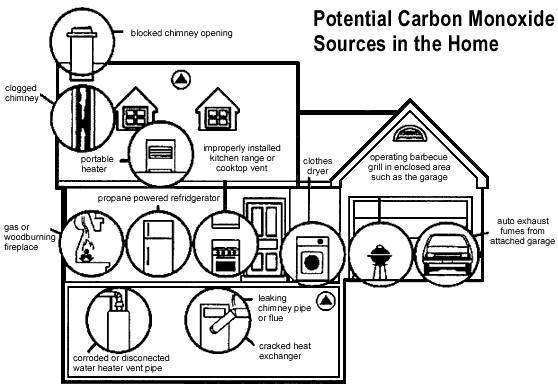
Carbon monoxide is produced when fuels, such as natural gas, propane, oil, kerosene, wood, and coal, burn incompletely. This incomplete combustion occurs when there is insufficient oxygen present during the burning process. Common household appliances and devices that can generate carbon monoxide include:

  • Furnaces and Boilers: Malfunctioning or poorly maintained heating systems are a primary source of carbon monoxide. Cracks in the heat exchanger, blocked vents, or improper ventilation can lead to the release of the gas into the home.
  • Gas Stoves and Ovens: While generally safe, gas appliances require proper ventilation to ensure complete combustion. Inadequate ventilation, blocked stovetop vents, or malfunctioning appliances can result in carbon monoxide buildup.
  • Water Heaters: Similar to furnaces, malfunctioning or poorly maintained water heaters can release carbon monoxide.
  • Gas Fireplaces: Open fireplaces, while aesthetically pleasing, can release carbon monoxide if not properly vented.
  • Gas Generators: Generators, particularly those used during power outages, are a significant source of carbon monoxide if operated in enclosed spaces or without proper ventilation.
  • Cars and Trucks: Running vehicles in an attached garage or other enclosed spaces can lead to a rapid buildup of carbon monoxide.
  • Other Potential Sources: Other sources include malfunctioning gas dryers, charcoal grills used indoors, and even tobacco smoke.

The Danger of Carbon Monoxide Poisoning: Understanding the Health Risks

Carbon monoxide is a hazardous gas that can be deadly. It binds to hemoglobin in the blood, preventing oxygen from being transported throughout the body. This oxygen deprivation can lead to various health problems, ranging from mild symptoms to life-threatening conditions.

Symptoms of Carbon Monoxide Poisoning:

The symptoms of carbon monoxide poisoning can vary depending on the level of exposure and the individual’s health. Common symptoms include:

  • Mild Symptoms: Headache, dizziness, nausea, vomiting, fatigue, weakness, and shortness of breath.
  • Moderate Symptoms: Confusion, disorientation, loss of coordination, chest pain, and rapid heartbeat.
  • Severe Symptoms: Loss of consciousness, seizures, coma, and even death.

Complications of Carbon Monoxide Poisoning:

Long-term exposure to carbon monoxide can have lasting health effects, including:

  • Brain Damage: Carbon monoxide poisoning can damage brain cells, leading to cognitive impairments, memory problems, and behavioral changes.
  • Heart Problems: Carbon monoxide can damage the heart muscle, increasing the risk of heart attacks and other cardiovascular issues.
  • Respiratory Problems: Carbon monoxide poisoning can lead to lung damage and respiratory problems, such as chronic obstructive pulmonary disease (COPD).

Preventing Carbon Monoxide Poisoning: Taking Action for Safety

Protecting yourself and your family from carbon monoxide poisoning requires vigilance and proactive measures:

  • Install Carbon Monoxide Detectors: Carbon monoxide detectors are essential safety devices that alert occupants to the presence of the gas. Install detectors on every level of the home, especially near bedrooms and sleeping areas.
  • Maintain Appliances: Regularly inspect and maintain all fuel-burning appliances, including furnaces, boilers, water heaters, fireplaces, and stoves. Ensure they are properly vented and in good working order.
  • Proper Ventilation: Provide adequate ventilation for all fuel-burning appliances and devices. Open windows and doors when using gas stoves, ovens, or fireplaces.
  • Safe Generator Use: Never operate generators indoors, in garages, or near windows. Ensure generators are placed at least 20 feet away from the house and are properly vented.
  • Avoid Running Cars in Enclosed Spaces: Never run a car or truck in an attached garage or other enclosed space, even with the door open.
  • Be Aware of Symptoms: Be mindful of the symptoms of carbon monoxide poisoning and seek immediate medical attention if you or someone in your household experiences any of these symptoms.

FAQs: Addressing Common Concerns

Q: What are the signs that my carbon monoxide detector is malfunctioning?

A: A carbon monoxide detector should have a flashing light or a beeping sound to indicate a malfunction. If the detector does not have a power source, it may not be working properly.

Q: How often should I test my carbon monoxide detector?

A: It is recommended to test your carbon monoxide detector at least once a month, following the manufacturer’s instructions.

Q: How long does a carbon monoxide detector last?

A: The lifespan of a carbon monoxide detector varies depending on the model. Most detectors have a lifespan of 5 to 10 years. Check the manufacturer’s recommendations for the specific model you have.

Q: What should I do if my carbon monoxide detector goes off?

A: If your carbon monoxide detector goes off, immediately evacuate the home and call 911. Do not re-enter the house until emergency personnel have cleared it.

Q: Can I use a smoke detector instead of a carbon monoxide detector?

A: No. Smoke detectors are designed to detect smoke particles, while carbon monoxide detectors are specifically designed to detect the presence of carbon monoxide.

Q: Is it possible to have carbon monoxide poisoning without any symptoms?

A: Yes. Carbon monoxide poisoning can occur without any noticeable symptoms, especially in individuals with pre-existing health conditions or those exposed to low levels of the gas over an extended period.

Tips for Preventing Carbon Monoxide Poisoning:

  • Install and Maintain Carbon Monoxide Detectors: Ensure your detectors are functioning properly and replace them every 5 to 10 years.
  • Regularly Inspect Appliances: Have all fuel-burning appliances inspected and serviced annually by a qualified technician.
  • Provide Adequate Ventilation: Ensure proper ventilation for all fuel-burning appliances and devices.
  • Avoid Running Engines in Enclosed Spaces: Never run a car or truck in a garage or other enclosed space.
  • Educate Yourself and Your Family: Learn about the risks of carbon monoxide poisoning and the importance of taking preventive measures.
  • Be Aware of Symptoms: Be vigilant for symptoms of carbon monoxide poisoning and seek immediate medical attention if you or someone in your household experiences any of these symptoms.

Conclusion: Taking Responsibility for Safety

Carbon monoxide is a silent and deadly threat that can lurk within the walls of our homes. By understanding the sources, risks, and preventive measures associated with this invisible gas, we can take proactive steps to protect ourselves and our loved ones. Installing carbon monoxide detectors, maintaining appliances, and practicing safe habits are essential to ensure a safe and healthy living environment. Vigilance, knowledge, and action are crucial in safeguarding against the dangers of carbon monoxide poisoning.

Carbon Monoxide - the silent killer! - The Owner-Builder Network Carbon Monoxide Awareness Carbon Monoxide: The Silent Killer - Service Today Blogs
Dangers of Carbon Monoxide, The ‘Silent Killer’  Rockall Safety The Silent Killer that is CO - Carbon Monoxide Poisoning Carbon Monoxide in Home – The Silent Killer  Oliver Heating & Cooling
Protect Your Family from the Silent Killer: Carbon Monoxide - Atlas Insurance Brokers LLC Carbon monoxide: A silent killer that may lurk in your home - TODAY.com

Closure

Thus, we hope this article has provided valuable insights into The Silent Killer Lurking in Your Home: Understanding Carbon Monoxide. We thank you for taking the time to read this article. See you in our next article!

Navigating the Path to Ownership: A Guide to Purchasing with Less-Than-Perfect Credit

Introduction

In this auspicious occasion, we are delighted to delve into the intriguing topic related to Navigating the Path to Ownership: A Guide to Purchasing with Less-Than-Perfect Credit. Let’s weave interesting information and offer fresh perspectives to the readers.

Buying a Home With Less Than Perfect Credit - FRS Credit

The dream of owning a home, a car, or even essential appliances can seem distant for individuals with less-than-perfect credit. However, acquiring these assets remains a possibility, albeit one that requires careful planning and a thorough understanding of the available options. This guide provides a comprehensive overview of navigating the purchase process with a less-than-ideal credit score, exploring the challenges, potential solutions, and strategies for success.

Understanding the Challenges of Less-Than-Perfect Credit

A credit score serves as a numerical representation of an individual’s financial history, reflecting their ability to manage debt responsibly. Lenders utilize these scores to assess risk, determining the likelihood of borrowers repaying their loans. A low credit score, often considered below 670, signifies a higher risk for lenders, leading to:

  • Higher Interest Rates: Lenders compensate for the increased risk by charging higher interest rates on loans, increasing the overall cost of borrowing.
  • Limited Loan Options: Many lenders may be unwilling to extend loans to individuals with poor credit, restricting access to financing.
  • Stricter Loan Requirements: Lenders may impose stricter requirements, such as larger down payments or additional co-signers, to mitigate risk.
  • Difficulty Securing Approval: Obtaining loan approval can become a challenging and time-consuming process, requiring extensive documentation and potentially multiple applications.

Navigating the Purchase Process: Strategies for Success

Despite the challenges, purchasing with less-than-perfect credit remains achievable with careful planning and a proactive approach. Here are key strategies to consider:

1. Improve Your Credit Score:

  • Monitor Your Credit Report: Regularly review credit reports from all three major bureaus (Experian, Equifax, and TransUnion) to identify errors and ensure accuracy.
  • Pay Bills on Time: Prompt payment demonstrates financial responsibility and significantly impacts credit score improvement.
  • Reduce Credit Card Utilization: Keeping credit card balances low, ideally below 30% of the available credit limit, improves credit utilization ratio.
  • Avoid Opening New Accounts: Opening multiple new accounts can negatively impact credit scores, especially if already facing challenges.
  • Consider Secured Credit Cards: These cards require a security deposit, offering a safer option for rebuilding credit.

2. Explore Alternative Financing Options:

  • Credit Unions: These institutions often offer more flexible lending terms and may be more willing to work with borrowers with less-than-perfect credit.
  • Subprime Lenders: Specialized lenders cater to borrowers with lower credit scores, although these loans typically come with higher interest rates.
  • Government Programs: Programs such as FHA loans for homebuyers or USDA loans for rural properties offer lower down payments and more lenient credit requirements.
  • Seller Financing: Negotiating directly with sellers for financing can provide flexibility and potentially lower interest rates.
  • Rent-to-Own Agreements: These agreements allow tenants to gradually build equity in a property while renting, ultimately leading to ownership.

3. Leverage Available Resources:

  • Credit Counseling Agencies: These organizations provide free or low-cost guidance on improving credit scores and managing debt.
  • Financial Advisors: Consulting with a financial advisor can offer personalized strategies for improving credit and navigating the purchase process.
  • Online Resources: Numerous online tools and resources offer free credit score monitoring, budgeting tips, and debt management advice.

4. Negotiate with Sellers:

  • Demonstrate Financial Responsibility: Highlight positive financial aspects, such as consistent employment history and a stable income.
  • Offer a Larger Down Payment: A significant down payment can mitigate risk for sellers, potentially increasing approval chances.
  • Provide Additional Documentation: Offer detailed financial statements, proof of income, and other documentation to demonstrate creditworthiness.
  • Be Transparent About Credit History: Openly discussing credit challenges and outlining strategies for improvement can build trust with sellers.

5. Consider Co-Signers:

  • Secure a Co-Signer: A co-signer with strong credit can significantly improve loan approval chances, as they become jointly responsible for the debt.
  • Understand the Responsibilities: Co-signers assume full financial responsibility for the loan if the borrower defaults, potentially impacting their own credit.

Understanding the Importance of Financial Literacy

Successfully navigating the purchase process with less-than-perfect credit requires a strong foundation in financial literacy. Understanding key concepts such as credit scores, interest rates, loan terms, and budgeting strategies empowers individuals to make informed decisions and achieve their financial goals.

FAQs Regarding Purchasing with Less-Than-Perfect Credit

1. Can I buy a house with bad credit?

Yes, purchasing a home with less-than-perfect credit is possible, but it may require more effort and potentially higher costs. Exploring alternative financing options, improving credit scores, and negotiating with sellers can increase the likelihood of success.

2. How does a bad credit score affect my loan options?

A low credit score can limit loan options, leading to fewer lenders willing to extend credit and potentially higher interest rates. It may also require larger down payments, stricter requirements, and longer approval processes.

3. How long does it take to improve my credit score?

Improving credit scores takes time and consistent effort. While there’s no guaranteed timeframe, consistent positive actions, such as paying bills on time and reducing credit card balances, can lead to gradual improvements within a few months or years.

4. What are the benefits of buying a car with bad credit?

Purchasing a car with less-than-perfect credit offers the benefit of personal transportation, but it often comes with higher interest rates and potentially less favorable loan terms. Careful planning and exploring alternative financing options can help mitigate these risks.

5. What are the risks of buying with bad credit?

The primary risks associated with purchasing with less-than-perfect credit include higher interest rates, limited loan options, stricter requirements, and potentially longer approval processes. It’s crucial to understand these risks and take steps to mitigate them.

Tips for Successful Purchasing with Less-Than-Perfect Credit

  • Start Early: Begin improving your credit score as soon as possible to maximize chances of success.
  • Shop Around: Compare loan options from multiple lenders to secure the best interest rates and terms.
  • Negotiate: Be prepared to negotiate with lenders and sellers to secure favorable conditions.
  • Be Patient: The process may take time, so remain patient and persistent in your efforts.
  • Seek Professional Advice: Consult with financial advisors or credit counseling agencies for personalized guidance.

Conclusion

Purchasing with less-than-perfect credit presents challenges, but it’s not an insurmountable obstacle. By understanding the factors influencing credit scores, exploring alternative financing options, and taking proactive steps to improve financial responsibility, individuals can navigate the purchase process and achieve their ownership goals. Remember, building a strong financial foundation through consistent effort and informed decision-making is crucial for long-term financial stability and success.

Buying a home with less-than-perfect credit IS possible! Learn about your options, here.  Home Less than Perfect Credit Mortgage Options American Dream Finance and Mortgage: Have less than perfect credit? We can still help you find a
How you can you get approved for a mortgage with less than perfect credit..  Home loans, Bad Path To Homeownership Infographics. Black And White Graphic Illustration Depicting Guide To Milestone® Mastercard® – Less Than Perfect Credit Considered full review - Stealth Capitalist
Pursuing a mortgage with 'less-than-perfect' credit - VantageScore If you or someone you know has less than perfect credit and you’re ready to do something about

Closure

Thus, we hope this article has provided valuable insights into Navigating the Path to Ownership: A Guide to Purchasing with Less-Than-Perfect Credit. We appreciate your attention to our article. See you in our next article!

The Ultimate Guide to Unclogging Drains: A Comprehensive Look at Effective Solutions

Introduction

With enthusiasm, let’s navigate through the intriguing topic related to The Ultimate Guide to Unclogging Drains: A Comprehensive Look at Effective Solutions. Let’s weave interesting information and offer fresh perspectives to the readers.

The Ultimate Guide to Unclogging Drains: A Comprehensive Look at Effective Solutions

Unclogging drains without chemicals: a comprehensive guide to safe and effective methods

A clogged drain is a common household annoyance that can quickly escalate into a major inconvenience. Whether it’s a slow-draining sink, a bathtub that refuses to empty, or a shower that leaves puddles on the floor, a clogged drain disrupts daily routines and can even lead to unpleasant odors and potential plumbing issues. Fortunately, there are several effective methods for unclogging drains, each with its own advantages and disadvantages. This comprehensive guide explores the most effective solutions for tackling drain clogs, providing insights into their effectiveness, safety, and ease of use.

Understanding the Causes of Drain Clogs

Before delving into the solutions, it’s crucial to understand the common culprits behind drain clogs. The most frequent culprits are:

  • Hair and Debris: Hair, particularly long hair, is a notorious drain clogger. It accumulates in the drainpipe, forming a tangled mass that traps other debris, like soap scum, toothpaste, and food particles.
  • Grease and Oils: Fats and oils from cooking, soap, and other sources solidify as they cool, clinging to the drainpipe walls and creating a sticky barrier that traps other substances.
  • Food Particles: Food scraps, especially those from pasta, rice, and coffee grounds, can easily find their way into drains and accumulate, obstructing water flow.
  • Soap Scum and Mineral Deposits: Hard water can leave behind mineral deposits, such as calcium and magnesium, which can build up over time, narrowing the drainpipe and impeding water flow.

Effective Solutions for Unclogging Drains

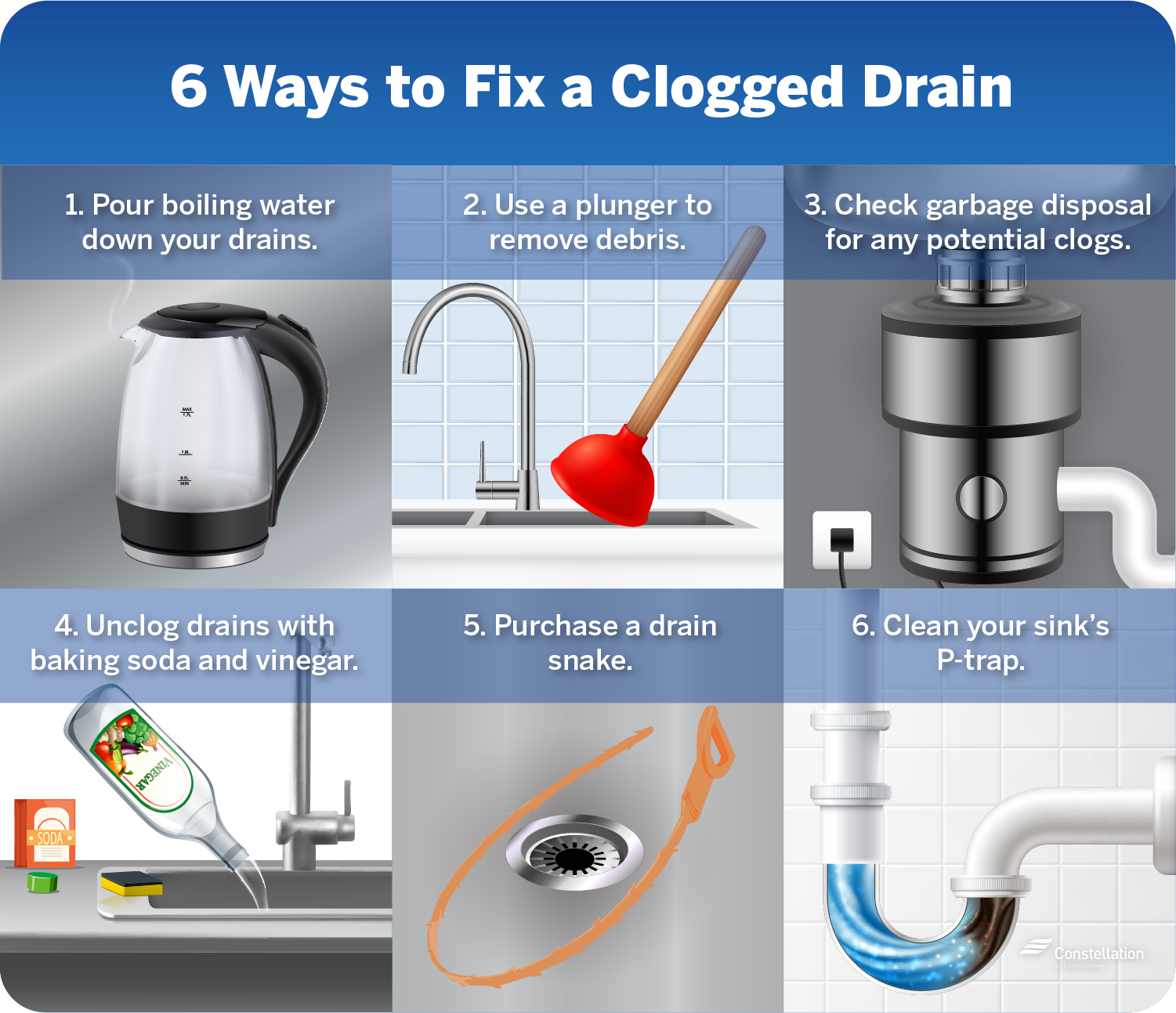
1. The Power of Plungers

A plunger is a simple yet effective tool for unclogging drains. It utilizes air pressure to dislodge blockages, making it a reliable option for both sink and tub clogs. The key to success lies in the proper technique:

  • Choose the Right Plunger: Select a plunger specifically designed for drains, with a cup that fits tightly over the drain opening.
  • Seal the Drain: Ensure a tight seal around the drain by placing the plunger firmly over the opening and pushing down gently.
  • Create a Vacuum: Move the plunger up and down vigorously, creating a strong suction that can dislodge the blockage.
  • Release the Pressure: After several forceful plunges, lift the plunger slightly to release the pressure and allow water to drain.

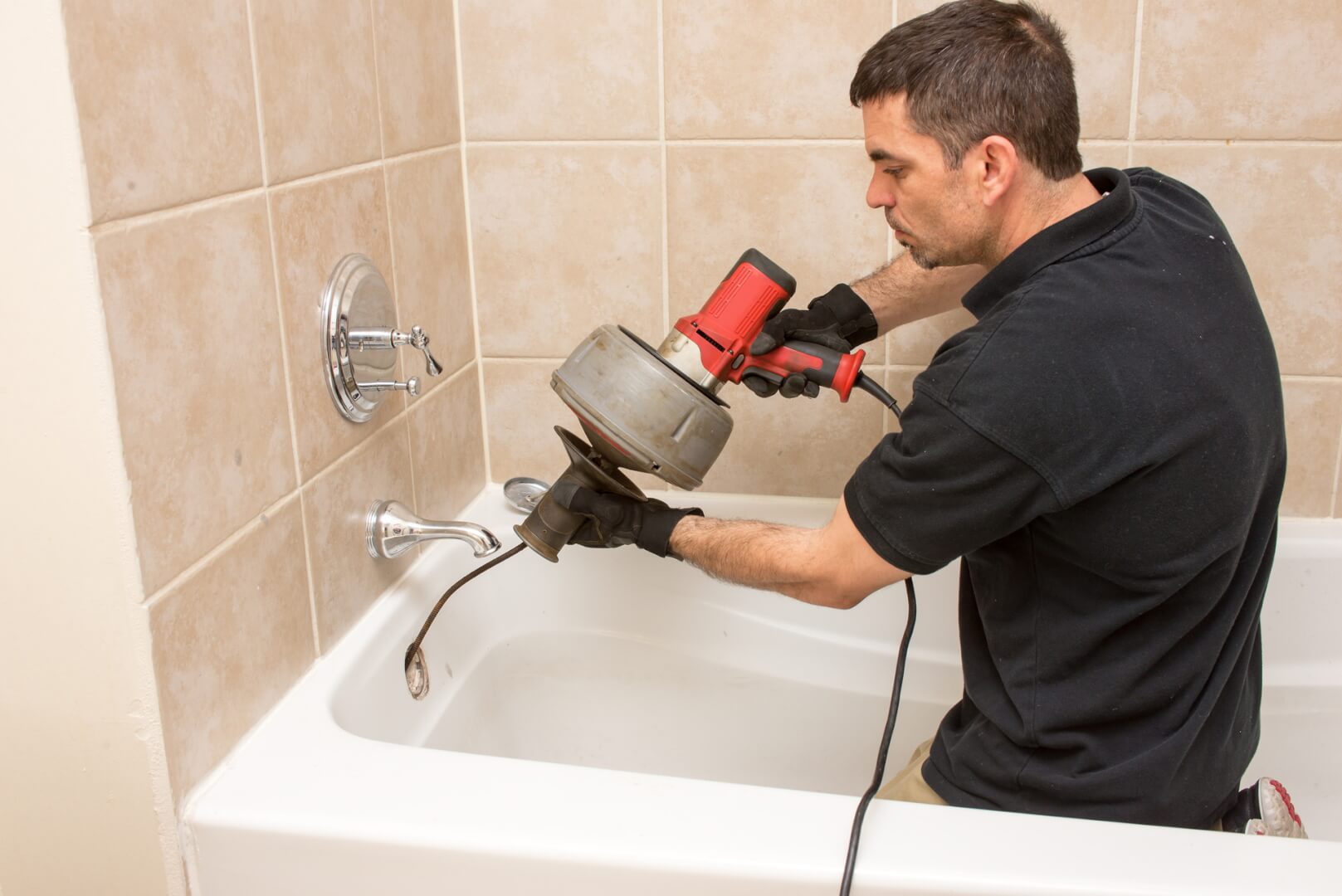
2. The Versatility of Drain Snakes

Drain snakes, also known as plumbing snakes, are flexible, coiled tools with a hook or a cutting blade at the end. They are particularly effective for tackling clogs caused by hair, grease, and food particles that have accumulated deep within the drainpipe.

  • Types of Drain Snakes: Manual drain snakes are operated by hand, while electric drain snakes offer more power and reach.
  • Insert and Rotate: Gently insert the snake into the drain, rotating it as you push it further in. The hook or blade can snag and break up the blockage.
  • Retrieve the Debris: Once the blockage is dislodged, pull the snake back out, retrieving any debris caught on the hook or blade.

3. The Chemical Solution: Drain Cleaners

Chemical drain cleaners utilize powerful chemicals, often caustic substances like sodium hydroxide or sulfuric acid, to dissolve clogs. While they can be effective in some cases, it’s crucial to use them with caution due to their potential dangers:

  • Read the Instructions Carefully: Always follow the manufacturer’s instructions meticulously, as misuse can lead to serious burns or damage to the drainpipe.
  • Ventilation is Key: Ensure adequate ventilation when using drain cleaners, as the fumes can be harmful.
  • Consider Environmental Impact: Chemical drain cleaners can be harsh on the environment and can damage septic systems.

4. The Natural Approach: Baking Soda and Vinegar

This combination offers a safer and more environmentally friendly alternative to chemical drain cleaners. The reaction between baking soda and vinegar creates a fizzing action that helps to break down clogs.

  • Mix and Pour: Pour a cup of baking soda down the drain, followed by a cup of vinegar. Allow the mixture to sit for 30 minutes to an hour, allowing the fizzing action to work.
  • Flush with Hot Water: After the waiting period, flush the drain with boiling water to help clear any remaining debris.

5. The Preventive Approach: Drain Maintenance

Regular drain maintenance can help prevent clogs from forming in the first place. Here are some preventive measures to consider:

  • Hair Strainer: Install a hair strainer in the drain to catch hair and other debris before they can accumulate.
  • Grease Trap: Use a grease trap to prevent fats and oils from entering the drainpipe.
  • Regular Cleaning: Clean drains regularly with a drain cleaner or baking soda and vinegar mixture to remove buildup.

FAQs about Unclogging Drains

Q: How often should I clean my drains?

A: The frequency of drain cleaning depends on the usage of the drain. For drains that are used frequently, such as kitchen sinks, weekly cleaning is recommended. Bathrooms sinks and tubs can be cleaned monthly.

Q: What are the signs of a clogged drain?

A: Signs of a clogged drain include slow drainage, gurgling sounds, foul odors, and water backing up in the sink or tub.

Q: Can I use a drain snake on a toilet?

A: Using a drain snake on a toilet is not recommended. It can damage the toilet bowl and the internal plumbing system.

Q: What are some alternatives to chemical drain cleaners?

A: Alternatives to chemical drain cleaners include baking soda and vinegar, hot water, and a plunger.

Q: Can I use a plunger on a toilet?

A: Yes, a plunger can be used on a toilet to unclog the bowl. Use a plunger specifically designed for toilets, which has a longer cup and a wider base.

Tips for Unclogging Drains

  • Identify the Source of the Clog: Before attempting to unclog a drain, try to identify the source of the clog. This will help you choose the most appropriate solution.
  • Start with Simple Solutions: Begin with simple solutions, such as a plunger or baking soda and vinegar, before resorting to more drastic measures.
  • Avoid Overusing Chemical Cleaners: Overuse of chemical drain cleaners can damage the drainpipe and harm the environment.
  • Be Patient: Unclogging a drain can take time. Don’t give up after a few attempts.
  • Call a Plumber if Necessary: If you’re unable to unclog the drain yourself, don’t hesitate to call a professional plumber.

Conclusion

Unclogging drains is a common household task that requires a combination of knowledge, tools, and techniques. This guide has provided a comprehensive overview of the most effective solutions for tackling drain clogs, from simple plungers to specialized drain snakes and natural remedies. By understanding the causes of clogs and employing the appropriate methods, homeowners can effectively maintain their drains and prevent them from becoming major plumbing headaches. Remember, regular maintenance and preventive measures can go a long way in keeping drains flowing freely and ensuring a smooth and efficient plumbing system.

How To Unclog A Drain: The Ultimate Guide - IHSANPEDIA How to Unclog a Sink Drain  Constellation How To Unclog A Drain: The Ultimate Guide - IHSANPEDIA
Ultimate Guide to Unclogging Drains Best Way to Unclog A Drain  Call Blocked Drain Plumber  Blog Unclogging drains without chemicals: a comprehensive guide to safe and effective methods
A Step by Step Instructions for Unclogging the Drains from Galvanized Pipes - Treatment Diaries Blog The Ultimate Guide on How to Unblock Drains - WP Drainage  Kent's Leading Drainage Solution

Closure

Thus, we hope this article has provided valuable insights into The Ultimate Guide to Unclogging Drains: A Comprehensive Look at Effective Solutions. We hope you find this article informative and beneficial. See you in our next article!

The Rise of Amazon: Transforming Household Shopping

Introduction

With great pleasure, we will explore the intriguing topic related to The Rise of Amazon: Transforming Household Shopping. Let’s weave interesting information and offer fresh perspectives to the readers.

The Rise of Amazon: Transforming Household Shopping

The Rise of Amazon: A Giant in the E-commerce World - Stars Fact

The advent of the internet revolutionized the way we shop, and Amazon stands at the forefront of this transformation. From its humble beginnings as an online bookstore, Amazon has become a behemoth in the e-commerce world, offering a staggering array of products, including a vast selection of household items. This comprehensive exploration delves into the multifaceted world of Amazon’s household offerings, highlighting its impact on consumer behavior and the advantages it presents.

A Revolution in Convenience: The Allure of Online Shopping

Amazon’s success in the household goods sector is rooted in its unwavering commitment to convenience. Unlike traditional brick-and-mortar stores, online shopping removes geographical limitations, allowing consumers to browse and purchase items from the comfort of their homes. This eliminates the need for time-consuming trips to physical stores, saving valuable time and effort.

The convenience extends beyond mere accessibility. Amazon’s user-friendly platform, complete with detailed product descriptions, high-quality images, and customer reviews, empowers consumers to make informed decisions with ease. The platform’s search functionality allows for quick and efficient product discovery, further enhancing the shopping experience.

Beyond Convenience: A World of Choice

Amazon’s vast inventory offers an unparalleled selection of household items, catering to diverse needs and preferences. From everyday essentials like kitchenware and cleaning supplies to specialized items like home décor and furniture, the platform boasts a wide range of options, making it a one-stop shop for all household needs.

This extensive selection allows consumers to compare prices and features across different brands and models, enabling them to find the best value for their money. The platform’s "Frequently Bought Together" feature also provides valuable insights, suggesting complementary products that enhance the overall shopping experience.

The Power of Prime: Unlocking Enhanced Benefits

Amazon Prime, the company’s subscription service, further elevates the shopping experience, offering exclusive benefits that cater to the needs of frequent shoppers. Prime members enjoy free two-day shipping on millions of eligible items, ensuring prompt delivery and minimizing the wait time for essential household goods.

The benefits extend beyond expedited shipping. Prime members also gain access to a vast library of movies and TV shows through Amazon Prime Video, unlimited music streaming with Amazon Music, and exclusive deals and discounts on a wide range of products, including household items.

Building Trust: The Role of Customer Reviews and Ratings

One of the key factors contributing to Amazon’s success is its emphasis on transparency and customer feedback. The platform actively encourages users to share their experiences through reviews and ratings, providing valuable insights to potential buyers. This system allows consumers to make informed decisions based on real-world experiences, fostering trust and confidence in the products they purchase.

The abundance of customer reviews also provides valuable information to manufacturers and sellers, enabling them to identify areas for improvement and enhance product quality. This feedback loop contributes to a continuous cycle of innovation and customer satisfaction.

Addressing Concerns: Addressing Potential Drawbacks

While Amazon’s online shopping platform offers numerous benefits, it is not without its limitations. Some consumers express concerns regarding the potential for counterfeit products, particularly when dealing with third-party sellers. Amazon has implemented measures to combat this issue, such as verification programs and stringent product authenticity checks. However, it remains a challenge that requires ongoing attention and vigilance.

Another concern relates to the environmental impact of online shopping, with increased packaging waste and carbon emissions associated with deliveries. Amazon has taken steps to address this issue by promoting sustainable packaging options, investing in renewable energy sources, and encouraging responsible consumption practices.

The Future of Household Shopping: A Hybrid Approach

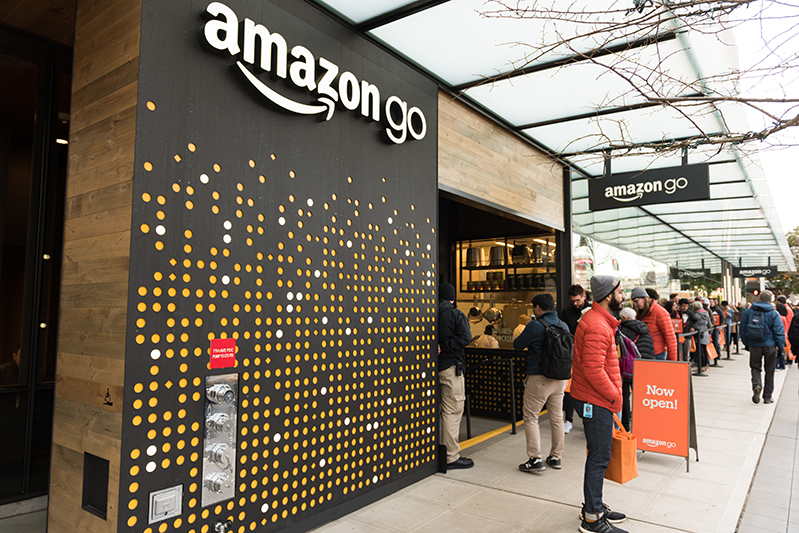
The future of household shopping is likely to involve a hybrid approach, combining the convenience of online platforms with the in-person experience of physical stores. Amazon has recognized this trend, expanding its physical presence through Amazon Go stores and partnering with brick-and-mortar retailers to offer a seamless shopping experience.

This hybrid approach allows consumers to leverage the best of both worlds, enjoying the convenience of online shopping for large purchases and the immediate gratification of in-store browsing for smaller items. This evolution reflects the changing consumer landscape, where convenience and personalization are paramount.

FAQs: Addressing Common Questions

Q: What are the advantages of buying household items on Amazon?

A: Amazon offers numerous advantages for buying household items, including:

  • Convenience: Shop from the comfort of your home, saving time and effort.
  • Wide selection: Explore a vast range of products from various brands and models.
  • Competitive pricing: Compare prices and find the best value for your money.
  • Customer reviews: Gain insights from real-world experiences, fostering trust and confidence.
  • Fast shipping: Enjoy prompt delivery through Amazon Prime, minimizing wait times.

Q: Are there any disadvantages to buying household items on Amazon?

A: Some potential drawbacks include:

  • Counterfeit products: The possibility of encountering counterfeit items from third-party sellers.
  • Environmental impact: Increased packaging waste and carbon emissions associated with deliveries.
  • Limited product interaction: Unable to physically inspect products before purchase.

Q: How can I avoid buying counterfeit products on Amazon?

A: To mitigate the risk of counterfeit purchases:

  • Verify seller authenticity: Check seller ratings and reviews before making a purchase.
  • Look for Amazon’s "fulfilled by Amazon" label: This indicates that Amazon handles the product’s storage and shipping, increasing authenticity.
  • Report suspicious listings: Contact Amazon customer service if you encounter any suspicious products or sellers.

Q: How can I reduce the environmental impact of online shopping?

A: You can contribute to sustainable shopping practices by:

  • Choosing products with minimal packaging: Opt for items with less packaging or choose bulk purchases to reduce waste.
  • Consolidating your orders: Combine multiple purchases into one order to minimize the number of deliveries.
  • Recycling packaging materials: Properly dispose of or recycle packaging materials after receiving your order.

Tips for Optimizing Your Amazon Shopping Experience

  • Utilize Amazon’s search filters: Refine your search by category, brand, price range, and other criteria to find the perfect product.
  • Read customer reviews carefully: Pay attention to both positive and negative reviews to gain a comprehensive understanding of the product.
  • Compare prices across different sellers: Utilize Amazon’s price comparison feature to find the best deals.
  • Take advantage of Prime benefits: Subscribe to Amazon Prime for free two-day shipping, exclusive deals, and other perks.
  • Save items to your wish list: Create a wish list to track products you’re interested in and easily purchase them later.

Conclusion: Amazon’s Enduring Impact on Household Shopping

Amazon’s influence on household shopping is undeniable. The platform has transformed the way consumers purchase everyday essentials, offering unparalleled convenience, a vast selection of products, competitive pricing, and a robust customer feedback system. While challenges remain, such as counterfeit products and environmental concerns, Amazon continues to adapt and innovate, striving to provide a seamless and satisfying shopping experience. As technology continues to evolve, Amazon’s role in the future of household shopping is likely to remain central, shaping the way consumers interact with the world of products and services.

The Rise of Amazon The Unparalleled Success of Amazon: Transforming the Way We Shop and Beyond The Rise of Amazon: How Amazon Expanded into Multiple Industries - YouTube
Transforming E-commerce: The Rise of Amazon as Earth's Most  Course Hero The Rise of Amazon: How Retail CMOs Fight Back - Treasure Data Blog How Amazon's Retail Revolution Is Changing The Way We Shop.  Tonernews
The Rise of Amazon: How the E-commerce Giant Became a Global Leader The future of shopping? Amazon opens first grocery store

Closure

Thus, we hope this article has provided valuable insights into The Rise of Amazon: Transforming Household Shopping. We hope you find this article informative and beneficial. See you in our next article!

A Haven for Creativity: Exploring the World of Craft Consignment Shops

Introduction

With great pleasure, we will explore the intriguing topic related to A Haven for Creativity: Exploring the World of Craft Consignment Shops. Let’s weave interesting information and offer fresh perspectives to the readers.

A Haven for Creativity: Exploring the World of Craft Consignment Shops

How does consignment work?  Handmade jewelry business, Selling crafts online, Crafts to do

Craft consignment shops, often referred to as craft resale shops or craft boutiques, serve as dynamic hubs for both creators and consumers of handmade goods. These unique retail spaces offer a curated selection of handcrafted items, providing a platform for artisans to showcase their skills and connect with a wider audience while simultaneously offering shoppers a unique and often affordable alternative to mass-produced goods.

Understanding the Consignment Model:

The consignment model operates on a partnership between the shop owner and the artisan. The artisan provides the shop with their handcrafted items, typically on a consignment basis. The shop owner then displays and sells these items, taking a commission on each sale. This commission structure varies depending on the shop’s policies and the type of item being sold.

Benefits for Artisans:

Consignment shops offer numerous advantages for artisans, particularly those starting their creative journey or seeking to expand their reach:

  • Reduced Financial Risk: Consignment eliminates the need for upfront investment in inventory, reducing the financial risk associated with selling handmade goods.
  • Access to a Wider Market: Consignment shops expose artisans to a broader customer base, potentially attracting new clientele and expanding their brand awareness.
  • Professional Display and Marketing: Shops provide a professional environment for showcasing handcrafted items, often with attractive displays and marketing efforts that enhance the appeal of the products.
  • Networking Opportunities: Consignment shops facilitate connections with other artisans, fostering a sense of community and potential collaborations.
  • Reduced Overhead Costs: Consignment eliminates the need for artisans to manage their own retail space, significantly reducing overhead costs such as rent, utilities, and staffing.

Benefits for Shoppers:

Craft consignment shops offer a unique and rewarding shopping experience for consumers:

  • Uniqueness and Quality: Shoppers can discover handcrafted items with a distinct personality and high-quality craftsmanship, often unavailable in mass-produced stores.
  • Affordability: Consignment often allows for competitive pricing, making handcrafted goods more accessible to a wider range of budgets.
  • Support for Local Artisans: Shopping at consignment shops directly supports local artists and contributes to the economic vitality of the community.
  • Sustainable Consumption: Consignment promotes the reuse and repurposing of materials, contributing to a more sustainable approach to consumption.
  • Discovery and Exploration: Consignment shops offer a curated selection of diverse handcrafted items, encouraging discovery and exploration of new artistic styles and techniques.

Navigating the Consignment Landscape:

While the benefits of consignment shops are numerous, it’s important to navigate the landscape with awareness and consideration:

  • Shop Policies and Commission Rates: Before consigning, carefully review the shop’s policies regarding commission rates, display fees, and return policies.
  • Quality Control and Presentation: Ensure the quality and presentation of your items meet the shop’s standards to attract customers.
  • Communication and Feedback: Maintain open communication with the shop owner, seeking feedback on sales and customer preferences to improve your offerings.
  • Inventory Management: Keep track of your inventory and promptly replenish items that are selling well to maximize your earnings.

Frequently Asked Questions (FAQs):

Q: What types of crafts are typically found in consignment shops?

A: Craft consignment shops showcase a wide range of handcrafted items, including jewelry, pottery, paintings, textiles, woodworks, soaps, candles, and more. The specific items available vary depending on the shop’s focus and the local artistic community.

Q: How do I find a consignment shop near me?

A: Online searches, local craft fairs, and social media platforms can help locate consignment shops in your area. Look for shops specializing in your craft category or offering a diverse selection of handcrafted items.

Q: What are the typical commission rates for consignment shops?

A: Commission rates vary depending on the shop’s policies and the type of item being sold. Common rates range from 30% to 50% of the selling price, with some shops offering tiered rates based on sales volume.

Q: How long do items typically stay in a consignment shop?

A: Most shops have a standard consignment period, usually ranging from 60 to 90 days. After this period, unsold items are typically returned to the artisan or disposed of according to the shop’s policies.

Q: What are some tips for successful consignment?

A:

  • Know Your Target Market: Research the shop’s clientele and tailor your items to their preferences.
  • High-Quality Craftsmanship: Produce items with meticulous attention to detail and durable materials.
  • Professional Presentation: Package your items attractively and provide clear labels with pricing and descriptions.
  • Competitive Pricing: Research comparable items and set prices that are competitive yet profitable.
  • Marketing and Promotion: Promote your items through social media, local events, and collaborations with the shop.

Conclusion:

Craft consignment shops play a vital role in fostering creativity and supporting local artisans. They provide a platform for showcasing unique and handcrafted goods, connecting artists with a wider audience and offering consumers an alternative to mass-produced products. By understanding the benefits and navigating the landscape with awareness, both artisans and shoppers can reap the rewards of this dynamic retail model, contributing to a vibrant and thriving creative community.

From Old To Gold: Exploring The World Of Consignment Furniture - Dogs n Sox Craft Consignment Selling Strategies  Craft business, Selling strategies, Handmade business Craft fair booth  Consignment /Resale Shop Decor  Pinterest  Craft fairs, Craft fair displays
Consignment store displays, Antique booth displays, Antique booth ideas Children's Consignment Shop  Consignment shops, Consignment boutique, Consignment 43 Clever & Creative Craft Room Ideas  Home Remodeling Contractors  Sebring Design Build
the words consignment selling for craft business owners on top of stacks of plastic containers The best thrift stores in New York  Nyc shopping, Thrifting, Thrift store

Closure

Thus, we hope this article has provided valuable insights into A Haven for Creativity: Exploring the World of Craft Consignment Shops. We thank you for taking the time to read this article. See you in our next article!

Navigating the World of Cheap Bulk Items: A Comprehensive Guide

Introduction

With enthusiasm, let’s navigate through the intriguing topic related to Navigating the World of Cheap Bulk Items: A Comprehensive Guide. Let’s weave interesting information and offer fresh perspectives to the readers.

Navigating the World of Wholesale: A Comprehensive Guide - SANT Magazine

The allure of bulk purchases is undeniable. It promises substantial savings, convenience, and often, a sense of preparedness. However, navigating the world of cheap bulk items requires careful consideration. This article aims to provide a comprehensive guide, exploring the diverse categories of cheap bulk items available, their potential benefits, and crucial factors to consider before making a purchase.

Understanding the Appeal of Cheap Bulk Items

The appeal of cheap bulk items stems from their ability to offer significant cost reductions, particularly for frequently used items. This is particularly attractive for individuals and families seeking to manage their budgets effectively. Bulk purchases can also provide a sense of security, ensuring a steady supply of essential goods. Additionally, bulk buying can be a practical choice for businesses, reducing the frequency of orders and associated costs.

Categories of Cheap Bulk Items

The realm of cheap bulk items is vast and encompasses a wide range of products. Here are some key categories to consider:

1. Food and Beverages:

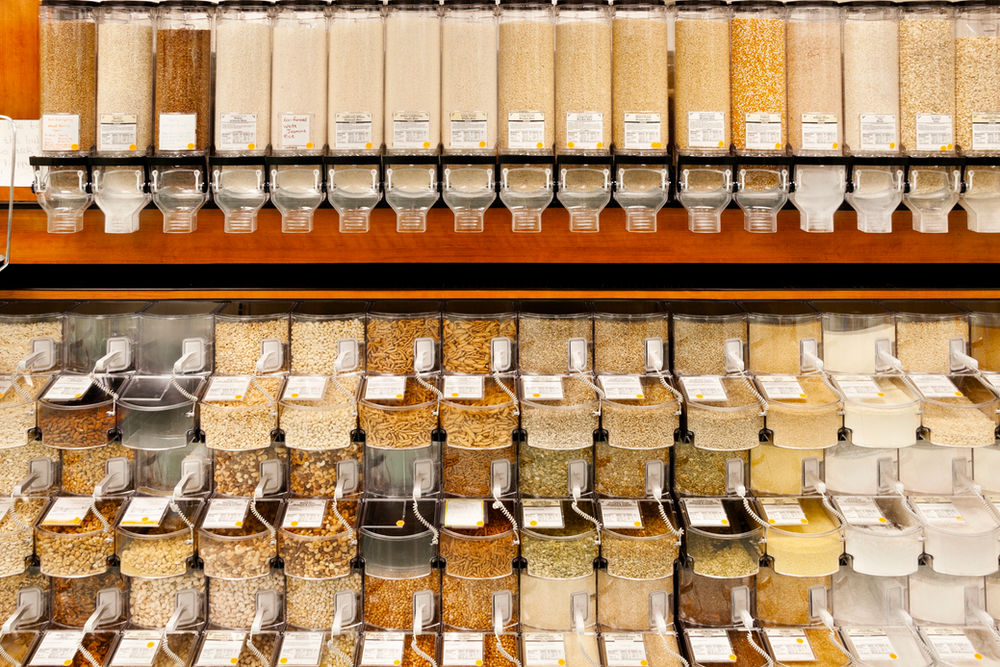
  • Dry Goods: Grains (rice, pasta, oats), beans, lentils, flour, sugar, and spices are staples that can be purchased in bulk at significantly lower prices.
  • Canned Goods: Fruits, vegetables, soups, and sauces are readily available in bulk, offering convenience and a longer shelf life.
  • Frozen Foods: Bulk purchases of frozen vegetables, fruits, meat, and fish can help reduce food waste and ensure a steady supply of nutritious ingredients.
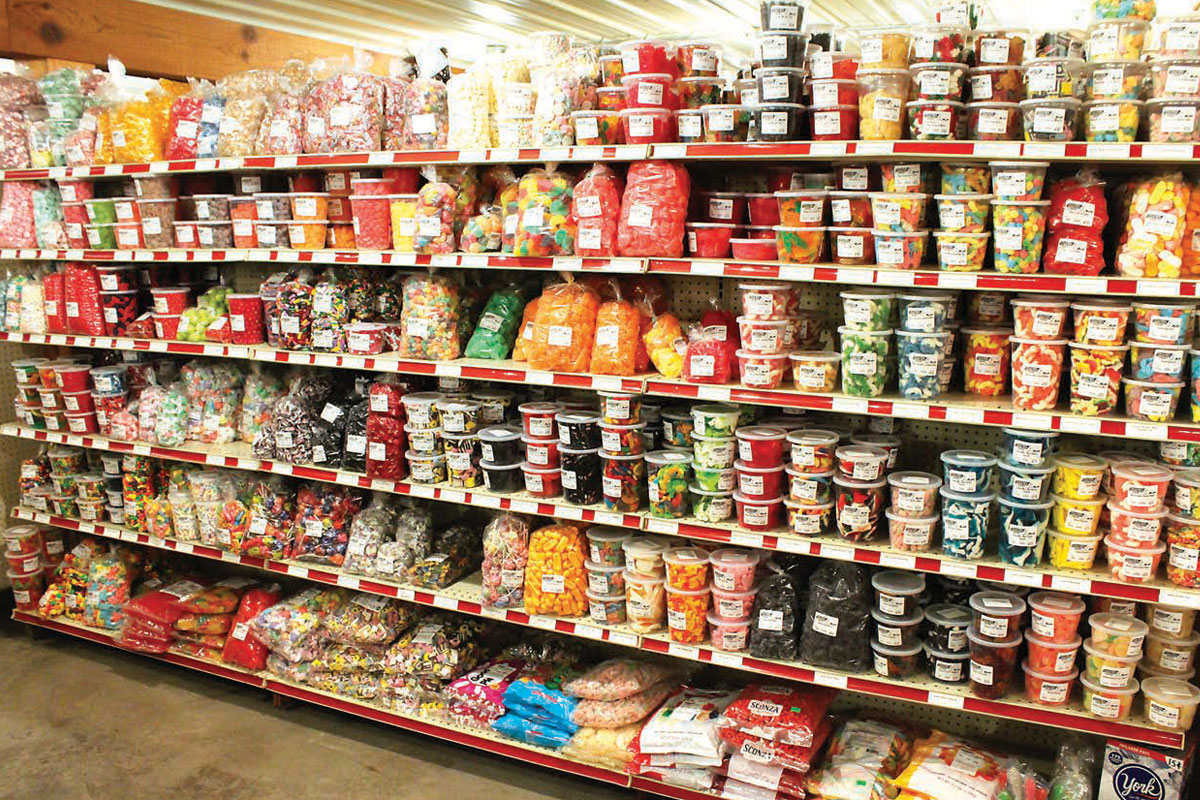
  • Snacks and Treats: Bulk buying of snacks like nuts, seeds, dried fruits, and granola bars can be a cost-effective way to satisfy cravings while maintaining a healthy diet.
  • Beverages: Bulk purchases of coffee, tea, juice, and bottled water can significantly reduce per-unit cost and ensure a constant supply.

2. Personal Care and Hygiene:

  • Toiletries: Soap, shampoo, conditioner, body wash, and toothpaste can be purchased in bulk, often at significantly discounted rates.
  • Household Cleaning Supplies: Detergents, cleaning agents, and disinfectants are readily available in bulk, reducing the need for frequent purchases.
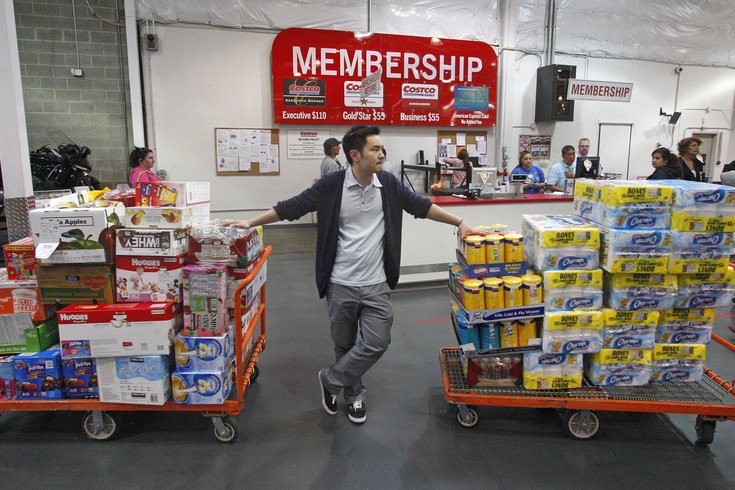
  • Paper Products: Toilet paper, paper towels, napkins, and tissues are essential household items that can be purchased in bulk for cost savings.

3. Home and Office Supplies:

  • Stationery: Pens, pencils, notebooks, and folders are frequently used items that can be purchased in bulk at discounted prices.
  • Cleaning Supplies: Brooms, mops, dustpans, sponges, and cleaning cloths are essential household items that are often available in bulk.
  • Storage Solutions: Boxes, bins, and containers are essential for organizing and storing belongings. Bulk purchases can save money and ensure a sufficient supply.
  • Tools and Hardware: Screwdrivers, hammers, nails, screws, and other essential tools are often available in bulk, providing a cost-effective solution for home repairs.

4. Clothing and Accessories:

  • Underwear and Socks: Bulk purchases of underwear and socks can significantly reduce per-unit cost and ensure a steady supply of essential garments.
  • Basic Apparel: T-shirts, tank tops, and pajamas can be purchased in bulk, offering a cost-effective way to replenish wardrobes.
  • Accessories: Hats, gloves, scarves, and belts are often available in bulk, providing a cost-effective way to complete outfits.

Factors to Consider Before Bulk Purchasing

While the allure of bulk purchases is undeniable, several factors must be considered before making a decision:

  • Storage Space: Bulk purchases require ample storage space. Assess your available storage capacity and ensure that you have sufficient room to accommodate the items.
  • Expiration Dates: Pay close attention to expiration dates, especially for food and perishable items. Avoid purchasing items with short expiration dates that you may not be able to consume before they expire.
  • Usage Frequency: Ensure that you will use the purchased items before they expire or become obsolete. Avoid purchasing items in bulk if you are unlikely to use them frequently.
  • Quality and Durability: While bulk purchases often offer lower prices, it’s essential to ensure that the quality and durability of the items are satisfactory. Avoid purchasing items that are flimsy or of poor quality, as they may not last as long.
  • Price Comparison: Compare prices across different retailers and online marketplaces to ensure that you are getting the best deal. Consider the cost of transportation and handling when comparing prices.
  • Environmental Impact: Consider the environmental impact of packaging and transportation associated with bulk purchases. Opt for products with minimal packaging and choose retailers that prioritize sustainability.

FAQs About Cheap Bulk Items

1. Are cheap bulk items always a good deal?

While bulk purchases often offer significant savings, it’s important to consider the factors mentioned above. Not all bulk purchases are good deals, and it’s essential to evaluate the price per unit, usage frequency, and expiration dates before making a purchase.

2. How can I find the best deals on cheap bulk items?

  • Compare prices across different retailers: Check online marketplaces, discount stores, warehouse clubs, and local retailers to find the best prices.
  • Look for coupons and discounts: Many retailers offer coupons and discounts on bulk purchases. Sign up for email newsletters and loyalty programs to receive promotional offers.
  • Shop during sales and clearance events: Retailers often offer deep discounts during seasonal sales and clearance events.
  • Consider buying in-season: Fruits, vegetables, and other seasonal produce are often available at lower prices during their peak season.

3. What are some tips for storing cheap bulk items?

  • Utilize airtight containers: Store dry goods, grains, and snacks in airtight containers to prevent spoilage and infestation.
  • Label and date items: Label and date all bulk items to ensure that you use the oldest items first.
  • Store items in cool, dry places: Keep bulk items in cool, dry places, away from direct sunlight and heat sources.
  • Rotate inventory: Regularly rotate your inventory to ensure that you use older items first.

4. What are some alternatives to buying cheap bulk items?

  • Shop at farmers markets: Farmers markets offer fresh produce and other local goods at affordable prices.
  • Join a community-supported agriculture (CSA) program: CSAs provide a regular supply of fresh, seasonal produce from local farms.
  • Grow your own food: Growing your own fruits, vegetables, and herbs can save money and provide fresh, healthy ingredients.
  • Consider buying in smaller quantities: If you don’t have the space or need for bulk purchases, consider buying items in smaller quantities.

Conclusion

The world of cheap bulk items offers a compelling opportunity to save money and ensure a steady supply of essential goods. However, it’s crucial to approach bulk purchases with careful consideration, evaluating factors such as storage space, expiration dates, usage frequency, and quality. By carefully considering these factors and utilizing the tips outlined in this article, individuals and families can effectively navigate the world of bulk purchases and reap the benefits of cost savings and convenience.

Your Complete Guide to Buying in Bulk A Beginner's Guide To Bulk Shopping How To Buy Cheap Wholesale Products
The Ultimate Guide to Wholesale Jewelry Boxes for 2024: Navigating the Bulk Purchase Market Why is NexDeal the best website for buying bulk items at wholesale prices? Save Time and Money by Buying in Bulk - Top Reasons to Stock up on Essential Items
Ultimate Bulk & Wholesale guide for Ebay & Amazon - YouTube Navigating Bulk Purchases: A Wholesale Buyer's Guide

Closure

Thus, we hope this article has provided valuable insights into Navigating the World of Cheap Bulk Items: A Comprehensive Guide. We hope you find this article informative and beneficial. See you in our next article!

Navigating the Digital Marketplace: A Guide to Finding Affordable Goods Online

Introduction

In this auspicious occasion, we are delighted to delve into the intriguing topic related to Navigating the Digital Marketplace: A Guide to Finding Affordable Goods Online. Let’s weave interesting information and offer fresh perspectives to the readers.

A Guide to Understanding the Digital Marketplace [Infographic]

The internet has revolutionized the way we shop, offering unprecedented access to a vast array of products and services. This digital marketplace, however, can be a double-edged sword. While it presents unparalleled opportunities to find deals and bargains, it also necessitates a degree of caution and strategic navigation to ensure a positive and cost-effective shopping experience. This article aims to provide a comprehensive guide to finding affordable goods online, highlighting key considerations, strategies, and tips for maximizing savings.

Understanding the Dynamics of Online Shopping:

The online marketplace is a dynamic ecosystem driven by various factors, including:

  • Competition: The sheer number of online retailers and sellers creates a highly competitive environment, driving down prices and offering consumers a wider selection of options.
  • E-commerce Platforms: Platforms like Amazon, eBay, and Etsy provide centralized marketplaces where buyers can access a diverse range of products from multiple vendors.
  • Direct-to-Consumer (D2C) Brands: These brands bypass traditional retail channels, offering competitive prices and potentially higher profit margins.
  • Global Sourcing: The internet allows businesses to source products from manufacturers worldwide, potentially leading to lower costs due to reduced transportation and labor expenses.
  • Technology and Automation: Advancements in e-commerce technology have streamlined processes, enabling retailers to offer competitive prices and efficient delivery.

Strategies for Finding Affordable Goods Online:

1. Leverage Search Engines and Comparison Websites:

  • Utilize Search Operators: Employ specific search operators like "site:amazon.com [product name]" or "intitle:discount [product name]" to refine your search and identify deals.
  • Comparison Websites: Websites like Google Shopping, PriceRunner, and PriceSpy allow you to compare prices across multiple retailers, ensuring you get the best deal.
  • Price Tracking Tools: Tools like Camelcamelcamel for Amazon and Keepa for eBay track price fluctuations, notifying you when prices drop.

2. Utilize Coupon Codes and Deals:

  • Coupon Websites: Websites like RetailMeNot, Honey, and CouponCabin aggregate and validate coupon codes, helping you save on your purchases.
  • Newsletter Subscriptions: Sign up for email newsletters from your favorite retailers to receive exclusive deals and promotions.
  • Social Media: Follow brands and retailers on social media platforms to stay updated on special offers and flash sales.

3. Explore Alternative Marketplaces:

  • Second-hand Marketplaces: Platforms like eBay, Craigslist, and Facebook Marketplace offer pre-owned items at significantly reduced prices.
  • Refurbished and Reconditioned Products: Retailers often sell refurbished or reconditioned items at lower prices, offering good value for money.
  • Community Forums and Groups: Online communities and forums can provide insights into hidden deals, recommendations for trusted sellers, and information about upcoming sales.

4. Take Advantage of Sales and Promotions:

  • Seasonal Sales: Retailers often offer significant discounts during holidays like Black Friday, Cyber Monday, and Boxing Day.
  • Flash Sales: Short-term, time-limited promotions offering steep discounts on selected items.
  • Loyalty Programs: Join loyalty programs of retailers you frequently shop with to earn points, discounts, and exclusive offers.

5. Consider Shipping Costs and Return Policies:

  • Free Shipping: Look for retailers offering free shipping, especially for larger purchases.
  • Shipping Costs Comparison: Compare shipping costs between different retailers before making a purchase.
  • Return Policies: Understand the return policy of the retailer before buying, especially for online purchases.

6. Be Mindful of Quality and Authenticity:

  • Read Reviews: Carefully read reviews from other buyers to gauge the quality of the product and the reliability of the seller.
  • Check Seller Ratings: Verify the seller’s reputation and rating on platforms like eBay and Amazon.
  • Beware of Scams: Be wary of suspiciously low prices or offers that seem too good to be true.

7. Shop Smartly and Strategically:

  • Create a Shopping List: Make a list of items you need before starting your online shopping spree to avoid impulsive purchases.
  • Set a Budget: Determine a budget for your purchases and stick to it.
  • Compare Prices: Always compare prices from multiple retailers before making a final decision.
  • Utilize Price Alerts: Set up price alerts for items you’re interested in, so you’re notified when prices drop.

FAQs on Finding Affordable Goods Online:

Q: Are online prices always cheaper than physical stores?

A: While online retailers often offer competitive prices, this is not always the case. It’s crucial to compare prices across different platforms and consider factors like shipping costs and potential discounts offered in physical stores.

Q: How can I avoid being scammed when buying online?

A: Be cautious of sellers with low ratings, overly enticing offers, or suspicious websites. Research the seller, read reviews, and verify the authenticity of the product before making a purchase.

Q: What are the best websites for finding deals on specific items?

A: Websites like Google Shopping, PriceRunner, and PriceSpy provide comprehensive price comparisons. For specific categories, platforms like Amazon, eBay, Etsy, and AliExpress offer a wide range of options.

Q: What are the risks associated with buying second-hand items online?

A: While buying second-hand items can be a great way to save money, there’s a risk of receiving damaged, faulty, or counterfeit goods. It’s essential to carefully inspect the item’s condition, read reviews, and ensure the seller has a good reputation.

Q: How can I ensure the safety of my personal information when shopping online?

A: Only shop on secure websites with HTTPS encryption, use strong passwords, and avoid sharing your personal information with suspicious websites or individuals.

Tips for Finding Affordable Goods Online:

  • Consider off-season purchases: Buy seasonal items like winter clothing or holiday decorations outside of peak seasons to save money.
  • Look for clearance sections: Many online retailers have clearance sections where they sell discontinued or overstocked items at significantly reduced prices.
  • Utilize cashback apps and websites: Apps like Rakuten and Swagbucks offer cashback rewards for online purchases.
  • Explore subscription boxes: Subscription boxes can provide access to curated products at discounted prices, often featuring unique and niche items.
  • Follow social media influencers and bloggers: Many influencers and bloggers share deals, coupons, and promotional codes for their followers.

Conclusion:

Navigating the online marketplace to find affordable goods requires a combination of research, strategy, and vigilance. By understanding the dynamics of online shopping, leveraging available tools and resources, and adopting a cautious approach, consumers can maximize their savings and enjoy the convenience and variety offered by the digital world. Remember, the key is to be a savvy shopper, compare prices, read reviews, and utilize available resources to ensure a positive and cost-effective online shopping experience.

A Guide to Understanding the Digital Marketplace [Infographic] Guide of Selling Digital Goods on eBay with Ease, Complete! - Ginee Digital Products Marketplace - Everything To Know
The essential Online Marketplace worldwide guide - Cloud Commerce Pro E-commerce Essentials: Navigating the Digital Marketplace - A Comprehensive Guide - Ezilon Articles The Beginner’s Guide to Starting an Online Marketplace Business – MultiMerch Marketplace
Navigating the Digital Marketplace: Optimizing E-commerce and Online Retail for Professionals Your Complete Guide to Building an Online Marketplace in 2021

Closure

Thus, we hope this article has provided valuable insights into Navigating the Digital Marketplace: A Guide to Finding Affordable Goods Online. We hope you find this article informative and beneficial. See you in our next article!

The Essential Arsenal: A Guide to the Best Household Items for Men

Introduction

With enthusiasm, let’s navigate through the intriguing topic related to The Essential Arsenal: A Guide to the Best Household Items for Men. Let’s weave interesting information and offer fresh perspectives to the readers.

The Essential Arsenal: A Guide to the Best Household Items for Men

The Essential Grooming Arsenal: 8 Must-Have Tools Every Man Should Own

The modern man’s home is not merely a place of residence; it’s a reflection of his lifestyle, his passions, and his approach to life. This space should be both functional and comfortable, equipped with tools and appliances that empower him to tackle daily tasks, pursue hobbies, and entertain guests with ease.

This guide delves into the essential household items that contribute to a fulfilling and efficient home environment for men. We explore the benefits of each item, highlighting its specific applications and how it can enhance the quality of daily life.

Kitchen Essentials: Fueling the Modern Man

The kitchen, the heart of any home, is where the modern man nourishes his body and mind. It’s a space for culinary exploration, impromptu gatherings, and the simple satisfaction of preparing a delicious meal.

  • High-Quality Chef’s Knife: A sharp, well-balanced chef’s knife is an indispensable tool for any aspiring chef. It excels at a multitude of tasks, from chopping vegetables to slicing meat, making it a versatile addition to the kitchen arsenal. A good chef’s knife should be made from durable, high-carbon steel and have a comfortable, ergonomic handle.

  • Cast Iron Skillet: Cast iron cookware, particularly a well-seasoned skillet, is a testament to durability and versatility. Its ability to retain heat evenly makes it ideal for searing meats, baking bread, and even frying eggs. Cast iron is known for its longevity, becoming a cherished heirloom passed down through generations.

  • Immersion Blender: This compact yet powerful tool transforms kitchen tasks with its ability to blend soups, sauces, and smoothies directly in the pot. It eliminates the need for bulky blenders, freeing up valuable counter space and simplifying meal preparation.

  • Instant Pot: The Instant Pot has revolutionized modern cooking, offering a multitude of functions in a single appliance. From pressure cooking and slow cooking to steaming and sautéing, it simplifies meal preparation, saves time, and unlocks a world of culinary possibilities.

  • Coffee Maker: A good coffee maker is an essential part of any man’s morning routine. Whether it’s a traditional drip coffee maker or a more sophisticated espresso machine, the right coffee maker ensures a delicious start to the day, enhancing focus and productivity.

Tools for the Handyman: Building and Maintaining a Home

The modern man is not afraid to get his hands dirty. He takes pride in maintaining his home, tackling small projects, and crafting solutions to everyday problems.

  • Power Drill: A cordless power drill is a versatile tool that can handle a multitude of tasks, from drilling holes in walls to driving screws and even mixing paint. Its portability and ease of use make it an essential addition to any toolbox.

  • Multi-Tool: A multi-tool is a compact, all-in-one tool that combines a variety of functions in a single, convenient package. It includes tools like pliers, screwdrivers, knives, and a saw, making it a valuable companion for both home repairs and outdoor adventures.

  • Level: A level is an indispensable tool for ensuring that everything in the home is perfectly aligned, from hanging pictures to installing shelves. A reliable level helps create a sense of order and precision, enhancing the overall aesthetic appeal of the space.

  • Tape Measure: A tape measure is essential for taking accurate measurements for everything from furniture to building projects. It’s a simple yet indispensable tool that helps ensure projects are completed efficiently and with precise results.

  • Work Gloves: Work gloves are a must-have for any DIY enthusiast. They protect hands from cuts, scrapes, and blisters, ensuring comfort and safety while working on projects around the home.

Entertainment and Relaxation: Creating a Sanctuary

The modern man’s home is not just a place to sleep and eat; it’s also a haven for relaxation and entertainment. It’s where he unwinds after a long day, enjoys his hobbies, and connects with friends and family.

  • High-Quality Sound System: A high-quality sound system elevates the listening experience, whether it’s enjoying music, podcasts, or movies. It allows him to immerse himself in sound, creating a more enjoyable and engaging entertainment experience.

  • Comfortable Sofa: A comfortable sofa is the cornerstone of any living room, providing a welcoming space for relaxation and socializing. It should be well-padded, supportive, and aesthetically pleasing, creating a cozy and inviting atmosphere.

  • Smart TV: A smart TV offers a world of entertainment at your fingertips, from streaming services to gaming consoles. Its connectivity and intuitive interface make it a central hub for entertainment, connecting the modern man to a world of content.

  • Home Theater Projector: For those who crave a cinematic experience at home, a home theater projector transforms the living room into a personal movie theater. It projects large, immersive images, creating a truly captivating viewing experience.

  • Gaming Console: A gaming console provides a fun and engaging way to unwind and connect with friends. It offers a world of immersive experiences, allowing the modern man to escape reality and explore virtual worlds.

Personal Care and Grooming: Maintaining a Well-Groomed Appearance

The modern man understands the importance of personal care and grooming. He invests in products and tools that help him maintain a well-groomed appearance, boosting his confidence and projecting a professional image.

  • Electric Razor: An electric razor provides a quick and convenient way to shave, eliminating the need for shaving cream and messy cleanup. It offers a smooth, close shave, ensuring a clean and well-groomed appearance.

  • Hair Clippers: Hair clippers are a versatile tool for trimming and styling hair, allowing the modern man to maintain a desired hairstyle without visiting a barbershop. They offer precise control, ensuring a clean and professional look.

  • Beard Trimmer: A beard trimmer is an essential tool for any man who rocks a beard. It allows for precise trimming and shaping, ensuring a well-maintained and stylish beard.

  • Electric Toothbrush: An electric toothbrush offers a more thorough and effective clean than a manual toothbrush, removing plaque and bacteria more effectively. It contributes to oral hygiene, promoting a healthy smile.

  • High-Quality Cologne: A good cologne is an essential part of any man’s grooming routine. It adds a touch of sophistication and elegance, leaving a lasting impression and enhancing his overall persona.

FAQs: Addressing Common Questions

Q: How can I choose the best kitchen knives for my needs?

A: Consider your budget, the type of cooking you do, and the specific tasks you’ll be using the knife for. A chef’s knife is a versatile option for most tasks, while a paring knife is ideal for delicate work.

Q: What are the benefits of using an Instant Pot?

A: Instant Pots are known for their versatility, speed, and ease of use. They can pressure cook, slow cook, steam, sauté, and more, simplifying meal preparation and saving time.

Q: How do I choose the right sound system for my home?

A: Consider the size of your space, your budget, and the type of music you enjoy. A compact Bluetooth speaker is suitable for smaller spaces, while a multi-speaker system with a subwoofer is ideal for larger rooms.

Q: What are some tips for choosing a comfortable sofa?

A: Consider the size and shape of your living room, the seating capacity you need, and the level of comfort you prefer. Look for a sofa with supportive cushions and a durable frame.

Q: How do I choose the right hair clippers for my needs?

A: Consider the length of hair you want to cut, the number of attachments included, and the power of the motor. Look for clippers with adjustable blades and a comfortable grip.

Tips for Choosing the Best Household Items:

  • Consider your lifestyle and needs. What activities do you enjoy? What tasks do you need to accomplish around the home?
  • Read reviews and compare prices. Research different brands and models to find the best value for your money.
  • Invest in quality over quantity. Choose durable and long-lasting items that will stand the test of time.
  • Don’t be afraid to ask for help. Seek advice from friends, family, or experts to find the right products for your specific needs.

Conclusion:

The best household items for men are not just about functionality; they’re about enhancing the quality of life, creating a comfortable and efficient environment, and empowering him to pursue his passions and enjoy his home to the fullest. By investing in quality tools, appliances, and entertainment options, the modern man can create a space that reflects his personality, supports his lifestyle, and provides a sanctuary for relaxation and fulfillment.

70+ Essential Household Items - A Definitive Checklist You MUST know!  Household items 15 best household items—buy bulk and save on popular home essentials - Reviewed Build Your Essential Oil Home Health Arsenal  Natural Living
TOP 5 ESSENTIAL ITEMS Here is a list of the 5 items every man should have in his arsenal. read Pin on Household Tips Adidas Originals Arsenal 22-23 Essentials Collection Released - Footy Headlines
150 household items in english with pdf  English Vocabulary - 150 household items  - YouTube Essential Oil Blends for Your Home Health Arsenal

Closure

Thus, we hope this article has provided valuable insights into The Essential Arsenal: A Guide to the Best Household Items for Men. We thank you for taking the time to read this article. See you in our next article!